
Designing electronics for a climate-controlled office is one thing. The temperature is always 72 degrees, there is no dust, and the humidity is regulated. But when you step outside that bubble, things get messy. We are seeing more and more technology pushed into places where technology traditionally hates to be—under the hood of cars, on the decks of marine vessels, or strapped to industrial drilling equipment. In these scenarios, a standard off-the-shelf switch often fails. It just gives up. This is where the engineering shifts toward creating a custom metal dome solution that can actually take a beating.
It is easy to overlook the physical stress that a simple button endures. When you press a switch, you are bending metal. If you do that in freezing sub-zero temperatures or in a scorching desert, the physics of that metal change. A standard part might snap or lose its “click” feeling. Customizing the component isn’t just about making it fit; it is about survival of the device.
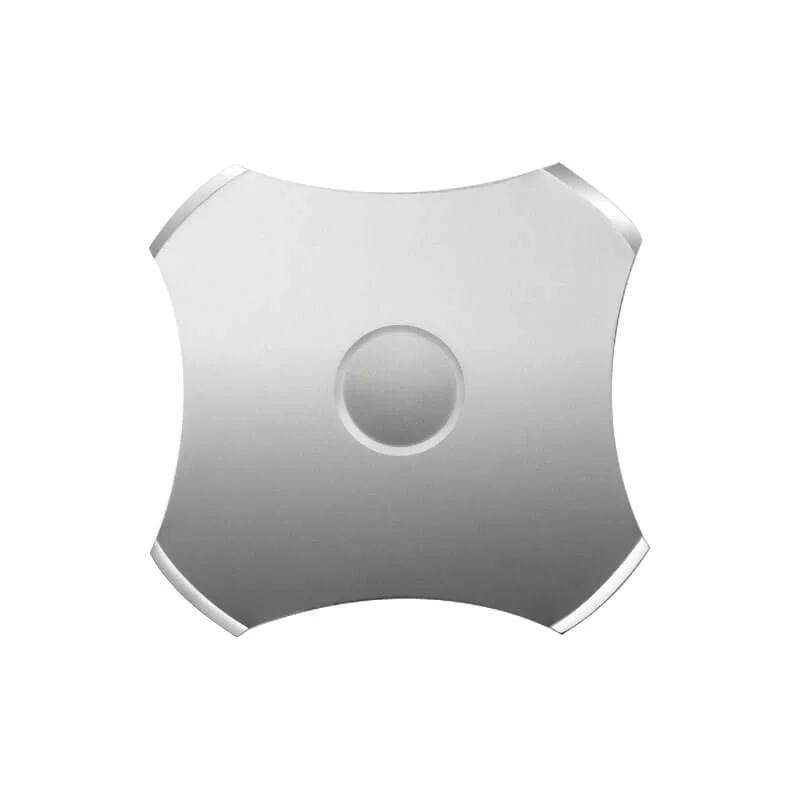
Environmental Challenges for a Custom Metal Dome
The enemies of a switch are pretty consistent: temperature, moisture, and vibration. When you are speccing out a custom metal dome for these conditions, you have to look at how the environment attacks the steel.
Take temperature cycling, for instance. Metal expands and contracts. If a dome is subjected to rapid heating and cooling, it can experience thermal fatigue. A standard dome might lose its tactile ratio—basically, it turns mushy. It doesn’t snap anymore. By designing a custom metal dome, engineers can adjust the tension and the curvature to compensate for these thermal shifts, ensuring the button still feels like a button even when it’s 100 degrees outside.
Then there is the issue of “contact bounce” caused by vibration. In automotive or aerospace applications, the whole machine is shaking. A standard dome might vibrate enough to make electrical contact without anyone pressing it, sending ghost signals. That’s a disaster. Custom designs often involve changing the shape or increasing the actuation force to act as a buffer against these vibrations.
Material and Plating Options in Custom Metal Dome Design
You can’t talk about extreme environments without talking about rust. Stainless steel is good, but it isn’t magic. In marine environments, where salt spray is constantly in the air, even stainless steel can develop resistance issues over time. This is where the plating becomes critical.
When designing a custom metal dome, you aren’t stuck with plain steel. You can specify layers of protection that ensure the electrical signal gets through no matter how grim the weather is.
- Nickel Plating:Often used as a middle ground. It offers better corrosion resistance than raw steel and is durable for high-cycle applications.
- Gold Plating:The gold standard, literally. Gold doesn’t oxidize. If the switch needs to work on a life-jacket beacon or a deep-sea sensor, you plate it in gold. It drives the cost up, but it works.
- Silver Plating:exceptional conductivity, but it can tarnish (sulfur reaction), so it’s tricky for open environments unless sealed perfectly.
Here is a look at how different materials hold up when you start customizing for specific threats:
| Material Finish | Corrosion Resistance | Electrical Conductivity | Cost Factor |
| Standard Stainless (SUS) | Moderate | Good | Low |
| Nickel Plated | High | Good | Medium |
| Gold Plated (Side/Full) | Extreme | Excellent | High |
| Silver Plated | Low (Tarnishes) | Superior | Medium-High |
Handling Vibration with Shape and Force
When it comes to industrial printing, the equipment choice can make or break a production line. It’s not just about buying a machine; it’s about buying reliability, speed, and the kind of output quality that clients won’t complain about. So the question gets asked fairly often in manufacturing circles: are Yotta flatbed inkjet printers actually up to the task? Or are they better suited for lighter commercial work?
The answer, as with most things in this industry, is complicated. But also—perhaps surprisingly—mostly positive.
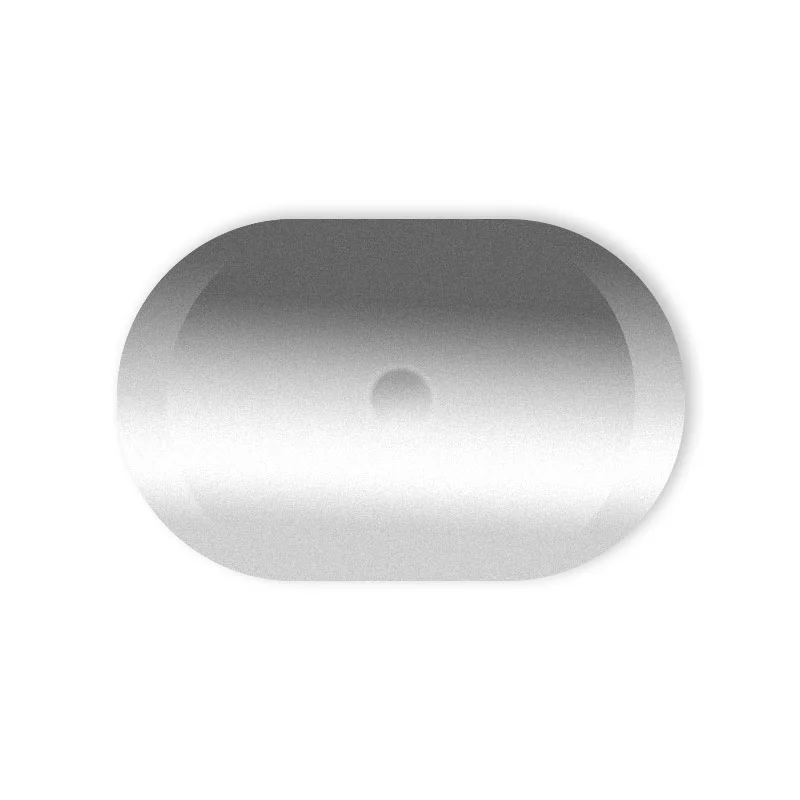
Sealing and Venting Strategies
This is the paradox of rugged design. You want to seal the electronics tight to keep water out (IP67 or IP68 ratings), but a snap dome needs air to move. When you push the dome down, the air underneath has to escape, or the dome won’t collapse properly.
If you seal a standard dome completely, it feels like pushing against a balloon. It gets stuck. With a custom metal dome design, you can integrate specific venting channels into the spacer layer or even the PCB itself.
You might design a “tortuous path” vent—a breathing channel that is long and winding so air can get out, but water has a hard time getting in. It’s a subtle detail, but if you get the venting wrong on a sealed unit, the switch feels terrible. If you want to know more about custom metal dome, please read A Guide to Custom Metal Dome: Performance & Uses.
FAQ
Can a custom metal dome withstand freezing temperatures?
Yes, stainless steel naturally handles cold quite well, often down to -40°C or lower. The issue usually isn’t the metal shattering, but the condensation that forms when it warms up. This is why plating (like gold or nickel) is recommended for freezing environments to prevent contact oxidation from the moisture.
How does high heat affect the life cycle of the dome?
Heat tends to relax the metal. Over time, if a dome is constantly exposed to temperatures above 85°C or 100°C, the “snap” will become softer, and the tactile ratio will drop. A custom metal dome can be designed with special alloys or higher initial forces to account for this degradation over time.
Is it expensive to customize a dome for harsh environments?
The unit price doesn’t jump drastically, but the initial setup does. You are paying for the engineering time to select the right plating and force, and potentially for new tooling if you change the shape. However, compared to the cost of a product recall because your switches rusted out in the field, the cost of a custom metal dome is usually negligible.