
When you are deep in the product design phase, specifically looking at the user interface, you often hit a wall with standard components. You thumb through catalogs or scroll through endless supplier websites, and everything is just… almost right, but not quite. Maybe the diameter is a millimeter too wide for your PCB layout, or the actuation force is just a little too soft for the rugged environment you are targeting. This is usually the moment when the conversation shifts toward designing a custom metal dome.
It’s tempting to just stick with off-the-shelf parts because they are easy to get and cheap. But the tactile feel of a button is the handshake of your product. If it feels generic or sloppy, the user notices, even if they don’t say anything. Going the custom route allows you to dial in that specific “snap” that defines the brand experience.
Why You Might Need a Custom Metal Dome
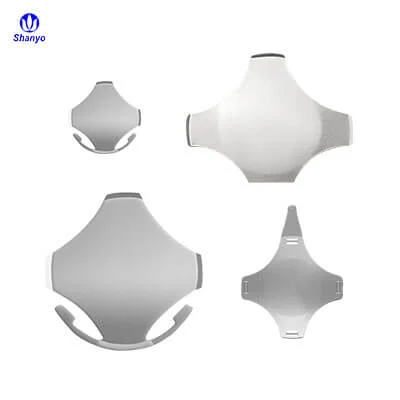
The main reason people switch from standard to custom is usually constraints—either physical space constraints or performance constraints. Standard domes come in set sizes: 6mm, 8mm, 10mm, and 12mm are pretty common. But if your circuit board is crammed with components and you only have a weird, oblong space left for the switch, a standard round dome isn’t going to work.
A custom metal dome gives you the freedom to manipulate the footprint. You can clip the legs, change the shape from a circle to a square, or even create a triangle shape if that is what the layout demands.
Beyond just the shape, it is about the force. Here is typically why engineers decide to customize:
- Specific Actuation Force:You need exactly 320g, but the standard is either 300g or 350g.
- Tactile Ratio:You want a sharp, loud click (high ratio) or a soft, quiet press (low ratio).
- Material Needs:You require a specific plating like gold for high reliability in humid areas.
- Travel Distance:You need the button to depress deeper before it clicks.
Performance Factors of a Custom Metal Dome
When you start tweaking the design, you realize that changing one thing affects everything else. It is a balancing act. If you make the dome smaller but want to keep the same high force, the life cycle might drop because the metal is under more stress. It’s physics.
The performance of a custom metal dome is measured by a few key metrics. The most critical one is the “Click Ratio.” This is a percentage that tells you how crisp the button feels. A ratio of around 50% feels very snappy, like a clicky computer mouse. A ratio of 20% feels more like a bump. When you customize, you get to dictate this feeling.
Here is a quick breakdown of how customization shifts the performance parameters compared to standard parts:
| Feature | Standard Dome | Custom Metal Dome |
| Diameter/Size | Fixed integers (e.g., 4mm, 5mm) | Precise to 0.1mm increments |
| Actuation Force | Standard buckets (160g, 250g) | Tailored to specific gram force |
| Leg Design | Standard 4-leg or Round | 3-leg, 5-leg, or clipped legs |
| Lead Time | Immediate (Stock) | Requires tooling/prototyping |
Common Uses for a Custom Metal Dome
You see these custom parts popping up in high-stakes industries more than in cheap toys. If a toy breaks, you buy a new one. If a medical device button fails, it’s a lawsuit.
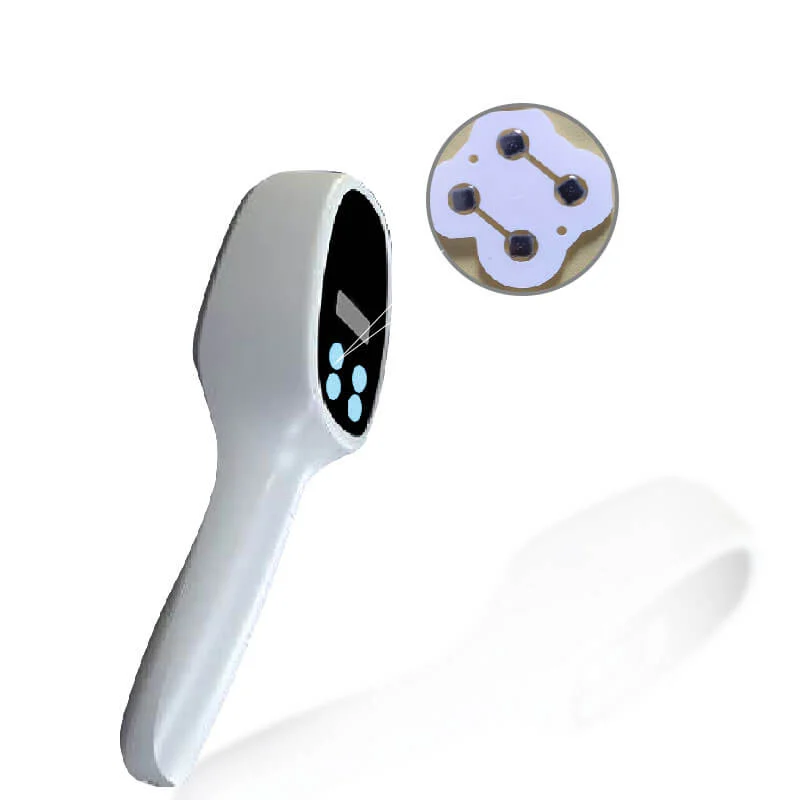
In handheld medical scanners or insulin pumps, space is at a premium. The internal architecture is a puzzle of batteries and sensors. Often, a custom metal dome in medical is used here not just for the feel, but because it needs to fit around other components on the board.
Automotive Controls Car manufacturers are obsessed with “perceived quality.” The button on the steering wheel needs to feel distinct from the window switch. They often specify a custom metal dome to ensure that the driver gets a very specific feedback that matches the car’s luxury (or sporty) branding. A heavy, solid click feels “expensive.”
Wearable Tech Think about smartwatches or fitness trackers. The buttons are tiny. A standard 4mm dome might fit, but maybe the curvature of the casing requires a slightly different pre-load or shape. Customization allows the switch to function correctly even when the device creates a slight curve.
The Reality of Tooling and Costs
It is important to be realistic about the downside. The word “custom” always brings a price tag with it. You aren’t just buying the part; you are buying the mold (tooling) to make the part.
However, the cost of tooling for a custom metal dome isn’t as scary as plastic injection molding. We are talking about stamping dies, which are relatively affordable in the grand scheme of manufacturing. The bigger issue is usually time. You have to account for the design back-and-forth, the sampling phase, and testing. You might make a sample, press it, and realize it feels too stiff, then go back and tweak the tooling. It’s an iterative process.
FAQ
How long does it take to develop a custom metal dome?
It varies, but usually, you are looking at about 2 to 3 weeks for the initial tooling and sample production. Once the samples are approved, mass production has a standard lead time, similar to off-the-shelf parts. The main delay is that initial “design and test” phase where you verify the feel.
Is the minimum order quantity (MOQ) higher for custom parts?
Generally, yes. Since the manufacturer has to set up a specific machine with your unique die, they usually want to run a decent volume to make it worth the setup time. While you can buy 1,000 standard domes easily, a custom metal dome order might require an MOQ of 50,000 or 100,000 pieces depending on the supplier, though some will do smaller runs for a setup fee.
Can I change the shape of the legs on a custom metal dome?
Yes, this is a very common customization. Sometimes a standard 4-leg cross shape hits a trace on the PCB that it shouldn’t. You can design a custom version with shorter legs, or even a 3-leg (triangle) version to avoid those sensitive areas on the board layout.