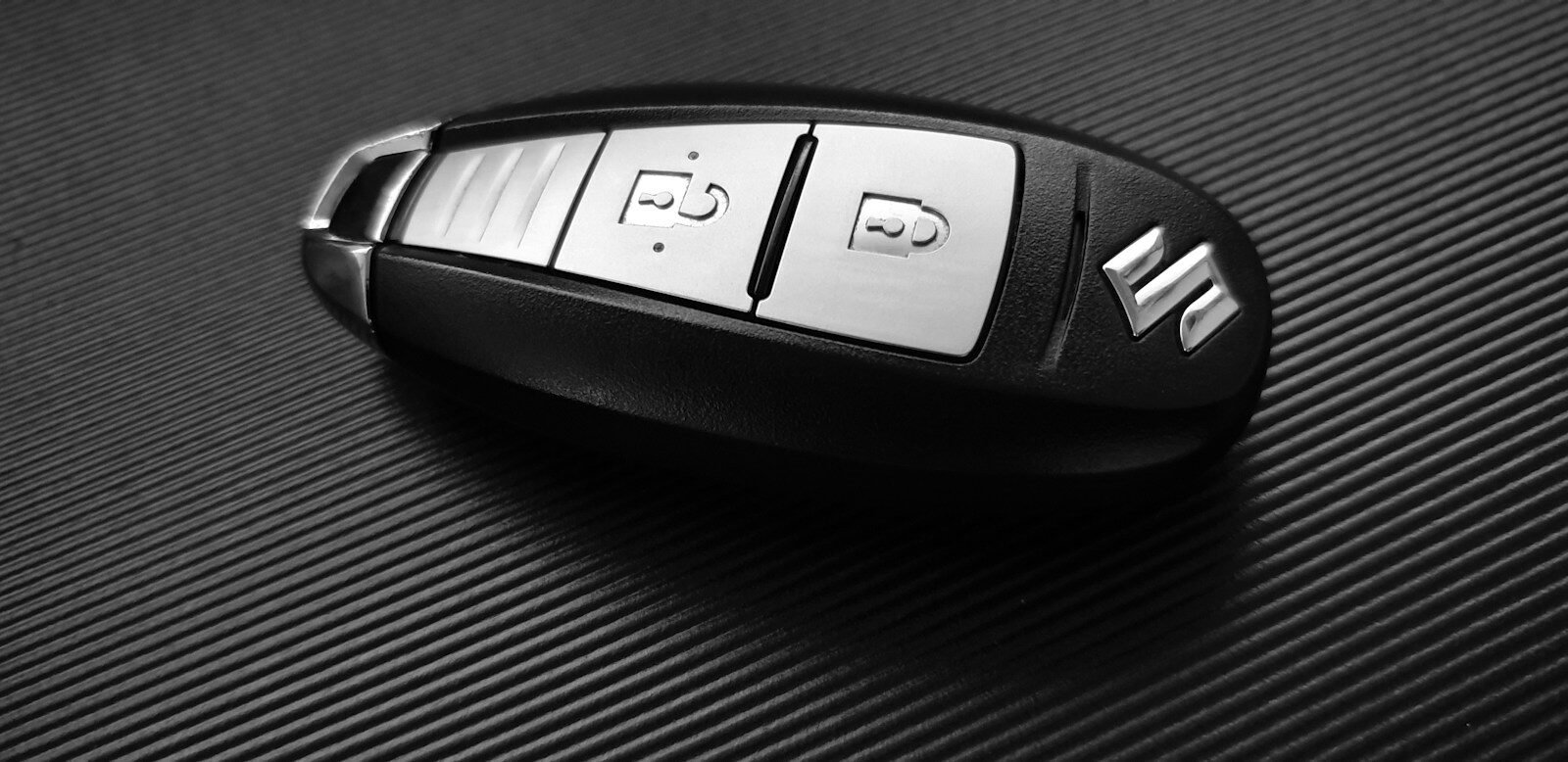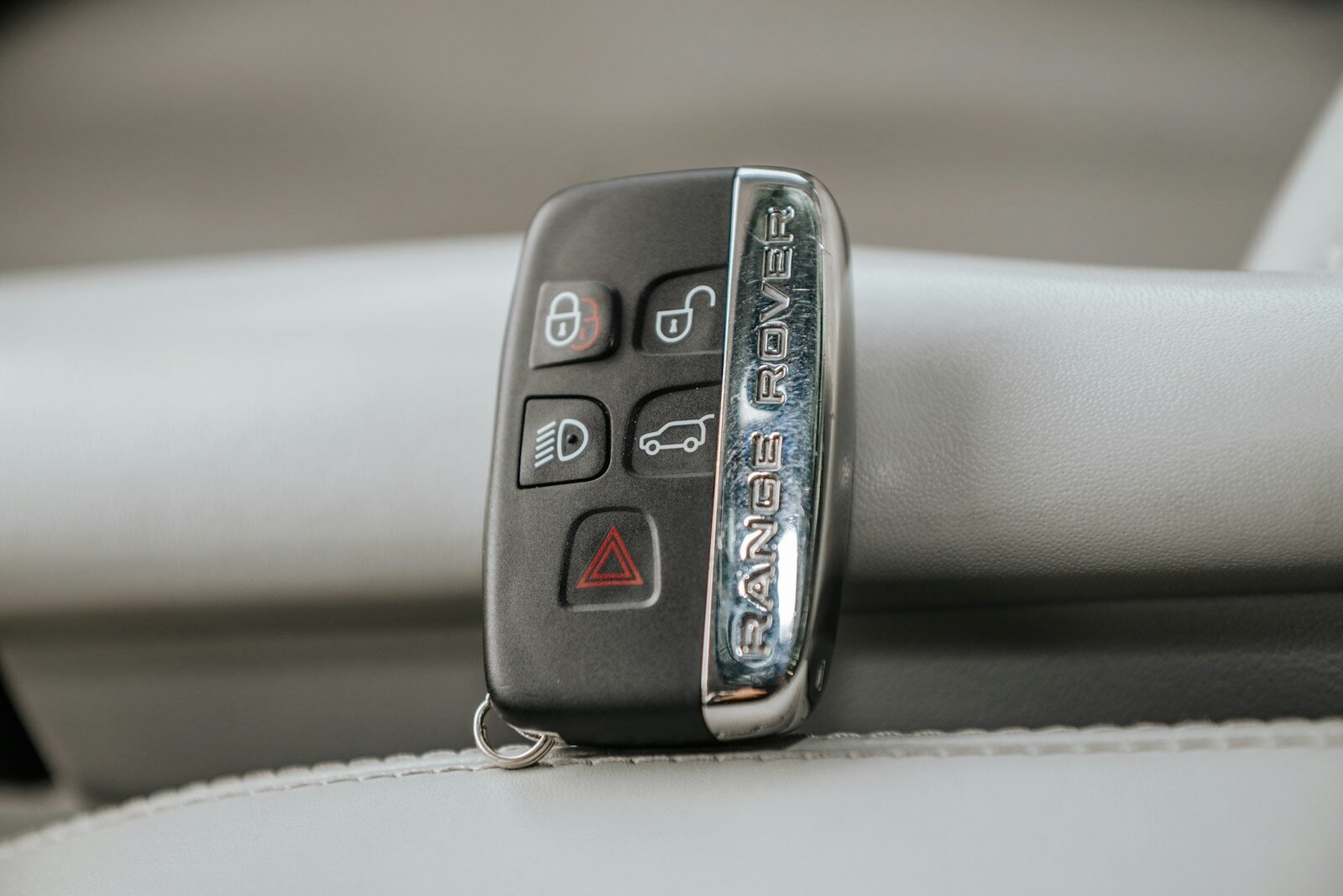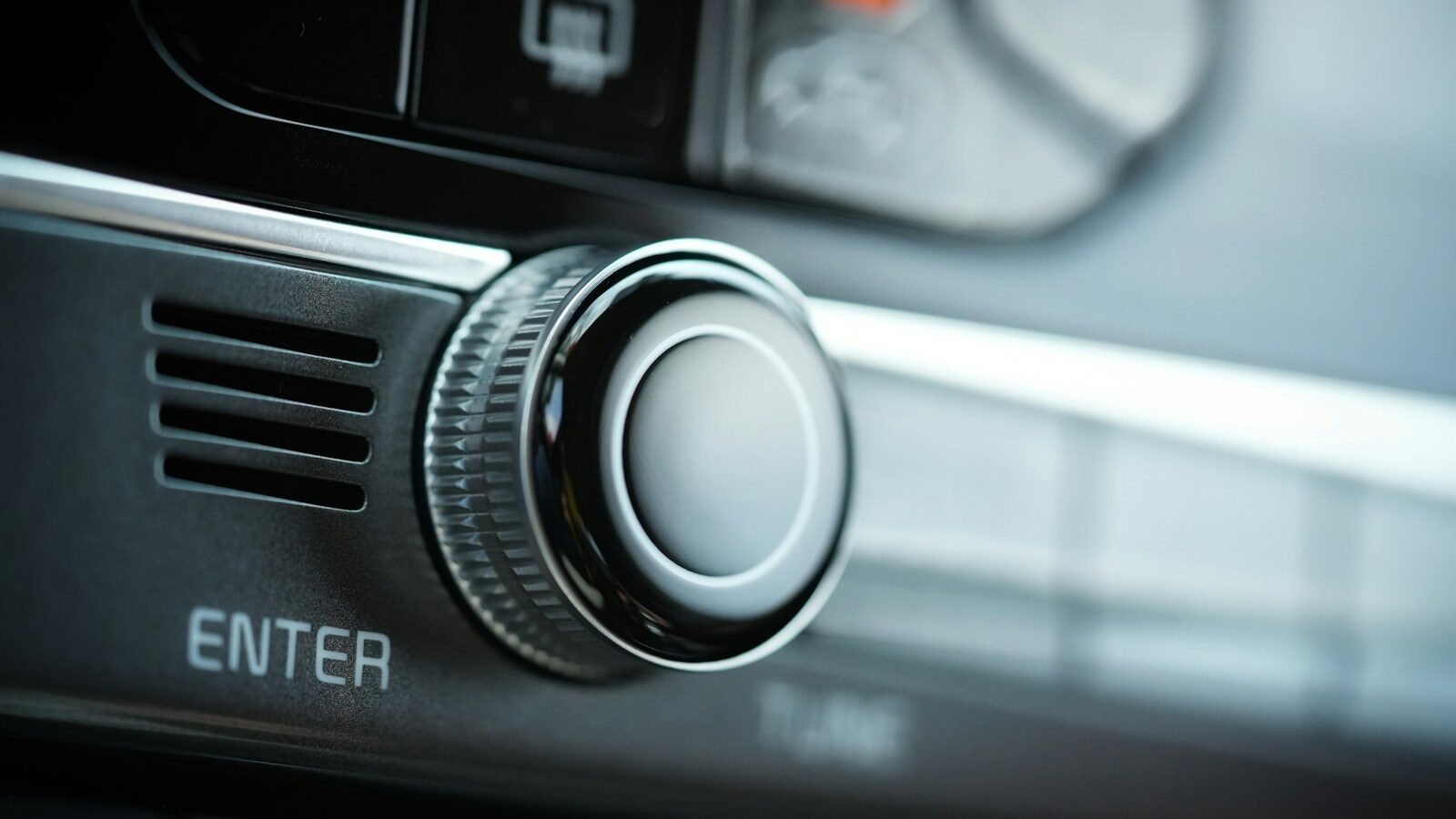
A cabin’s most-pressed buttons rarely get the most design attention. The volume rocker, the temperature toggle and the driver’s window switch are touched tens of thousands of times, usually without a glance, while the seat heater sits idle for weeks. A driver only trusts a control he never has to look at, and that confirmation comes from the snap under his finger. Regulators measure the same thing: U.S. guidelines for in-vehicle devices set the limit at glances of two seconds or less (NHTSA visual-manual guidelines), a target a flat panel struggles to meet and a crisp button meets by default. Every one of those presses lands on an automotive 메탈 돔 stamped from stainless strip, 3 to 14 mm across.
Specify a dome for a frequently used cabin control by starting with the press count, then fixing four values against it: actuation force with a tolerance, minimum snap ratio, usable travel in the assembled stack, and a life target verified on the button rather than on the loose part. Diameter and shape follow from the keycap footprint, so they come last.
The steps below run from the press budget to the line items on the drawing.
Which cabin controls count as frequently used?
Frequency belongs to the hand, not the button. A driver reaches for volume, temperature and the window switch dozens of times a week on muscle memory, touches the seat heater twice a month, and may never press the hazard switch in a year.
Sort the panel key by key and put a number against each one. The figures below are planning assumptions, not field data, and should be replaced by the program’s own usage study where one exists. The busiest key on a console can see ten times the presses of the quietest, which is why a single-force panel goes wrong two years in: the metal dome button under the volume key has softened while the heated-seat key still clicks like new.
| Control | Presses per day | What it implies for the dome |
|---|---|---|
| Steering wheel audio and menu | 20 to 40 | Light force, short travel, firm against a gripping thumb |
| Climate temperature and fan | 15 to 30 | Larger diameter for a gloved hand |
| Driver window and mirror | 10 to 25 | High force, sealed, long life |
| Console shortcut keys | 10 to 20 | Crisp snap, array registration |
| Seat heater, lighting, drive mode | 1 to 5 | Lower life target, feel still visible to the buyer |
| Hazard, SOS, sunroof | under 1 | Gold plating for long disuse rather than cycles |
Should the duty cycle be settled before the force?
Yes. The press count decides the life target, the plating, the delivery format and how much validation the program buys. Force comes afterwards, constrained by that count instead of the other way round.
Building a press budget
Presses per day, times days of use per year, times years in service.
| Usage profile | Assumption | Lifetime presses |
|---|---|---|
| Light | 8 per day, 200 days, 12 years | about 19,000 |
| Typical | 25 per day, 250 days, 15 years | about 94,000 |
| Heavy | 60 per day, 300 days, 15 years | about 270,000 |
A stainless dome rated at one million actuations covers all three profiles with room to spare, so the dome is almost never the part that runs out of cycles. The stack carrying it, the seal keeping contamination out and the force consistency across the panel fail first.
What the budget changes downstream
A count of 94,000 rather than 19,000 moves four items: the life target and the samples going into life testing, plating from nickel toward gold where contact resistance has to stay low after cycling, delivery from loose snap domes toward an array, and validation from a dome-level force check to a full button test.
Which actuation force belongs on a frequently used button?
Most cabin controls sit between 100 gf and 300 gf. Inside that band, keys pressed daily go to the low end for comfort, and keys pressed rarely or tied to safety go to the high end so a stray hand cannot fire them.
The figures below are the starting points Shanyo publishes for metal dome switch programs, and only a first build. Confirm them against the keycap, actuator and panel gap.
| Location | 직경 | Starting force | 이유 |
|---|---|---|---|
| Cluster stalks and small knobs | 3 to 5 mm | 100 to 180 gf | Tight footprint |
| Steering wheel pods | 5 to 8 mm | 250 to 300 gf | Resists a brush while driving |
| Console and infotainment | 6 to 10 mm | 100 to 150 gf | Pressed constantly |
| Climate and HVAC panels | 8 to 12 mm | 160 to 220 gf | Operated with gloves |
| Door, window and seat switches | 8.4 to 14 mm | 230 to 300 gf | Deliberate press |
| Key fob and entry pads | 4 to 6 mm | 180 to 250 gf | Resists pocket pressure |
Why the top of the window matters more than the middle
A force specified at the centre of its band looks safe on paper and fails in January. Stainless stiffens as it cools: Shanyo’s measurements on a 4 mm SUS301 dome show actuation force running 8 to 12 percent higher at -40 °C than at 23 °C, and 5 to 8 percent lower at 85 °C. A 200 gf key therefore reads around 220 gf on a cold morning and 190 gf after a day in the sun, and gloves take another 30 to 50 gf off the fingertip. The nominal belongs near the bottom of the acceptable band, not the middle, with the test temperatures written down.
Holding one feel across a panel
Drivers notice adjacent keys that disagree far more easily than a panel that is uniformly firm. A 20 percent difference between neighbours can be felt, while production spread on standard domes runs to about 15 percent and automotive programs tighten that to 10. Force belongs on the drawing per key position, and each key’s tolerance extremes should be checked against its neighbour before tooling.
What snap ratio keeps a daily button feeling like a button?
Aim for 40 to 60 percent. Below about 35 percent the force drop is too shallow for a fingertip to read as a click, and a button pressed daily that stops announcing itself gets pressed twice.
On a tactile snap switch, snap ratio is the drop from peak force to the force just after the dome collapses, as a percentage of the peak: a dome peaking at 250 gf and falling to 150 gf gives 40 percent.
| Snap ratio | What the finger feels | Where it fits |
|---|---|---|
| 30 to 40 percent | Soft, slightly vague | Cost-driven panels, not daily keys |
| 40 to 50 percent | Clear, recognisable click | Most cabin buttons |
| 50 to 60 percent | Sharp, premium snap | Premium interiors, blind operation |
A sharper snap concentrates stress in the crown, so the highest ratios cost some cycle life. At 94,000 presses that trade is affordable and the ratio should stay high. At 270,000, or where the actuator can bottom hard, letting it settle near 45 percent is the better bargain. Drift over life is small on stainless; a button that goes soft early usually has contamination under the dome or a crown deformed by impact.
How much does the keycap and stack decide?
In any metal dome structure, the dome supplies the click and part of the travel. The keycap, spacer, overlay and housing decide whether the driver ever feels it, and most complaints blamed on the dome trace back to that stack.
Preload and the half-pressed dome
If the assembled stack rests on the dome with any load, the circuit can close on the line or the first fraction of a millimetre of press does nothing. Check free height, panel gap and overlay thickness together, with the dome unloaded at rest.
Venting on a sealed panel
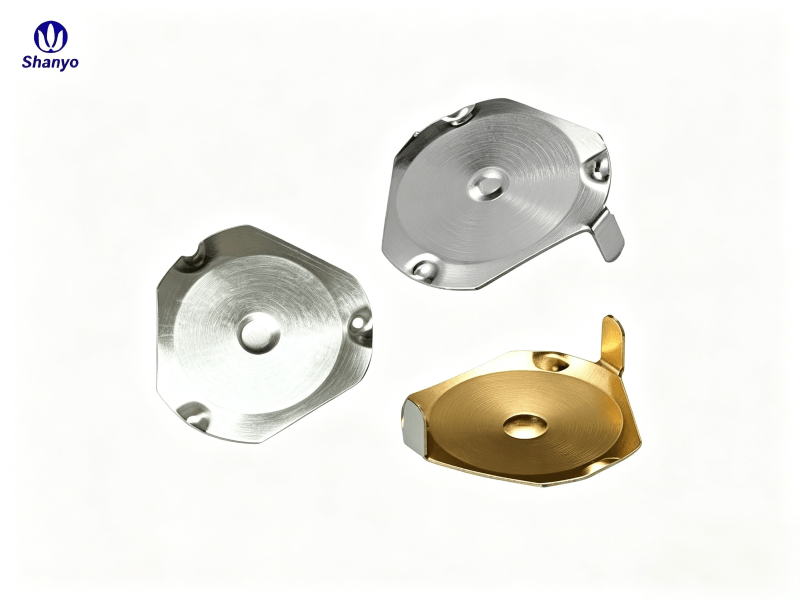
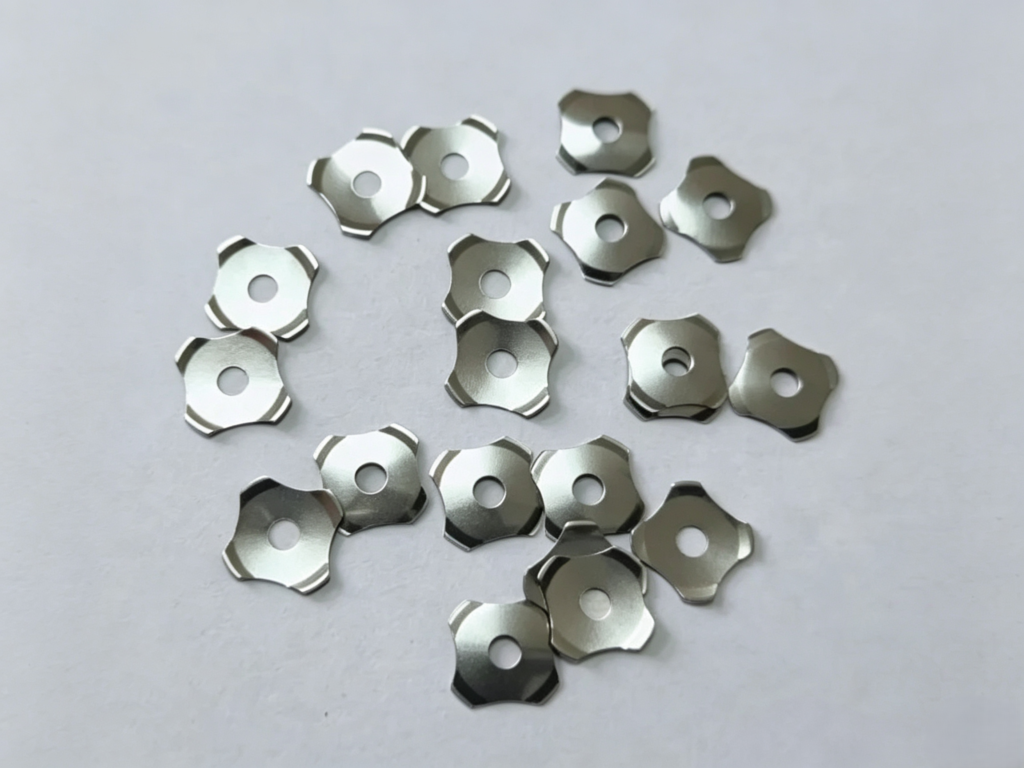
Air has to leave the cavity on every press and return on release. A vent routed through a spacer channel or between the feet of a four-leg dome costs nothing at design stage and is hard to add later. A sealed pocket turns a crisp dome soft.
Off-centre presses and hard stops
The keycap guide has to limit side load, particularly on wide or asymmetric keys. The actuator should meet the dome near its crown, wide enough to load it evenly and narrow enough to clear the legs, and a hard stop in the housing protects the crown from a press that would flatten it.
What changes when one panel carries twenty keys?
Everything easy becomes a tolerance problem: registration, mixed forces, venting and rework competing for the same square centimetres.
| Criterion | Loose domes | Dome array |
|---|---|---|
| Registration | Set by the assembler | Fixed by the carrier |
| Mixed forces | Easy to mix at build | Set at lamination |
| Rework | Possible key by key | 제한적 |
| High-volume assembly | Slow, error-prone | One placement |
An array holds every dome at a fixed pitch and removes the placement error that shows up as a key sitting 0.2 mm off its pad. What it gives up is the ability to tune one key after lamination, so mixed force values have to be settled on the drawing. Keep at least 2 mm between dome edges on a shared carrier.
Which tests prove the spec holds?
A force curve at three temperatures, a life test on the assembled button, contact resistance after cycling, thermal cycling and damp heat on the full stack, and vibration wherever the module mounts on a column or a door.
| Test | What it proves | Written as |
|---|---|---|
| Force curve at -40, 23 and 85 °C | The feel survives the cabin | Force and snap ratio limits at each temperature |
| Life test on the assembly | The stack lasts, not just the dome | Cycle count with force and resistance limits |
| Contact resistance after cycling | The plating holds | Maximum resistance at end of life |
| Thermal cycling and damp heat | Adhesive and carrier stay put | Cycles, humidity, duration |
| Vibration at the mounting point | No contact interruption in service | Frequency range and amplitude |
Testing the button, not the dome
A tactile dome switch that measures perfectly on a force tester can still fail in the car, because the tester presses the crown at its centre with a flat probe. The button presses through a plastic cap, at an angle, with trapped air underneath. The assembly test is slower and costlier, and it is the only one that predicts year eight.
What a supplier has to show
The paperwork should arrive with the samples, not after the first quality issue: IATF 16949 certification for the site that stamps and assembles the part, a PPAP Level 3 package with the force curve and temperature shift report, IMDS data for every material, and lot-level force records against the tolerance. Shanyo holds IATF 16949 certification and ships the temperature shift as a standard PPAP page. A recent program with Valeo, documented as a case study from RFQ to supplier pre-audit, shows what that package looks like under a tier-one audit.
What belongs on the drawing?
Every value that changes the feel or the life, with a tolerance and a test method attached. Anything left off the drawing will be chosen by whoever builds the part.
A specification for an automotive metal dome on a frequently used key usually covers the following.
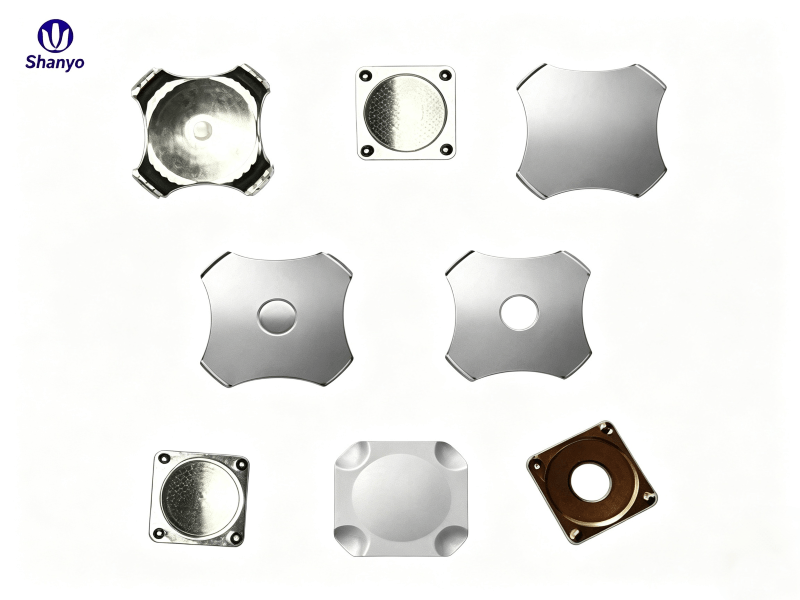
- Diameter and shape, plus leg length on four-leg parts.
- Material grade and thickness, typically SUS301 full hard at 0.08 to 0.15 mm.
- Actuation force with tolerance, and the temperature at which it is measured.
- Minimum snap ratio at 23 °C, and travel through the snap.
- Free height, plating and contact resistance limits.
- Carrier, adhesive, array pitch and registration features.
- Vent path, if the panel is sealed.
- Temperature range for the whole stack, and the life target with its test method.
Two lines do most of the work. Force with a tolerance is what the driver feels, and the temperature at which it is measured prevents the January complaint.
자주 묻는 질문
Can one dome force be used for every button in a cabin?
No. A single force across a panel produces keys that feel wrong in different ways: too light on the window switch, too heavy on the volume key, unpredictable under a gloved hand. Group keys by how often they are pressed, assign force per group, then check neighbouring keys against each other.
What happens if a frequently used button loses its click?
The metal dome switch is usually still electrically functional, which is why the fault gets reported as a button that needs pressing twice. Check for contamination under the dome, adhesive squeeze-out onto the pad and a crown flattened by over-travel before replacing the part.
Is a non-tactile dome ever right for a frequently used control?
Rarely, and only where silence matters more than confirmation, such as a control beside a sleeping passenger. A non-tactile dome gives a smooth stroke with no snap, so the driver loses the feedback that allows eyes-free operation. For any key pressed while moving, a tactile dome button is the safer specification.