
Breaking Down Membrane Switch Categories
When shopping for interface solutions, understanding what types exist helps narrow down options considerably. A メンブレンスイッチ might seem like a simple component at first glance, but the category actually contains quite a few variations designed for different purposes and environments.
The distinctions between types matter more than some people realize initially. Choosing the wrong variation for an application leads to user frustration, premature failures, or both. Getting it right from the start saves headaches down the road.
Most classification systems organize these switches by their feedback characteristics, construction methods, or intended operating environments. Each approach highlights different aspects worth considering during the selection process.
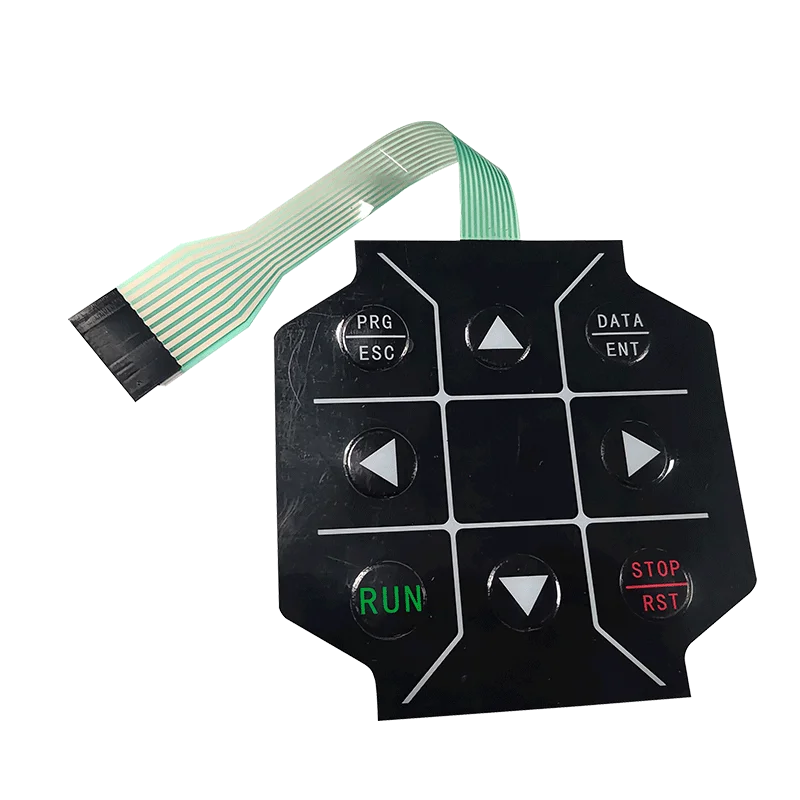
Tactile Versus Non-Tactile Membrane Switch Options
Tactile Versions and Their Appeal
Tactile membrane switches provide physical feedback when pressed. Users feel a distinct snap or click sensation confirming their input registered successfully. This feedback comes from metal domes or polyester domes positioned beneath the graphic overlay.
The sensation varies depending on dome material and design:
- Metal domes offer crisp, pronounced clicks
- Poly domes provide softer, gentler responses
- Dome height and diameter affect force requirements
- Snap ratio determines how distinct the feedback feels
Many applications benefit from tactile response, particularly when operators cannot watch the interface constantly. Industrial equipment, medical devices, and automotive controls often specify tactile versions so users gain confidence their inputs worked without needing visual confirmation.
That physical click also just feels satisfying to most people, honestly. There’s something reassuring about pressing a button and feeling it respond.
Non-Tactile Alternatives
Non-tactile membrane switches lack that physical snap sensation. Pressing them feels flat, with resistance remaining relatively constant throughout the stroke. The circuit completes when layers make contact, but nothing mechanical signals this moment to the user.
Some situations actually favor this approach:
- Cost-sensitive applications where dome components add expense
- Ultra-thin designs where dome height creates problems
- High-cycle applications where dome fatigue becomes a concern
- Environments where audible clicks prove annoying or inappropriate
Non-tactile versions rely on other feedback methods. Visual indicators like LEDs, audible beeps, or on-screen confirmations substitute for physical sensation. When implemented thoughtfully, users adapt without much difficulty.
The choice between tactile and non-tactile really depends on context. Neither option works best universally.
Construction-Based Membrane Switch Classifications
Flat and Raised Embossed Types
Surface topology creates another useful categorization. Flat membrane switches present completely smooth surfaces with printed graphics indicating button locations. Users press areas without physical boundaries separating keys.
Embossed versions add dimensional features through thermoforming processes. Raised button areas, pillow tops, or rim embossing help users locate keys by touch alone.
| Embossing Style | Characteristics | Common Applications |
|---|---|---|
| Pillow embossing | Domed button surface | Consumer electronics |
| Rim embossing | Raised border around keys | Industrial controls |
| Combination | Both pillow and rim features | Medical equipment |
| Flat (no embossing) | Smooth continuous surface | Budget products, minimal use |
Embossing adds cost but improves usability significantly in most cases. Finding buttons becomes much easier, especially for frequent users who develop muscle memory for key positions.
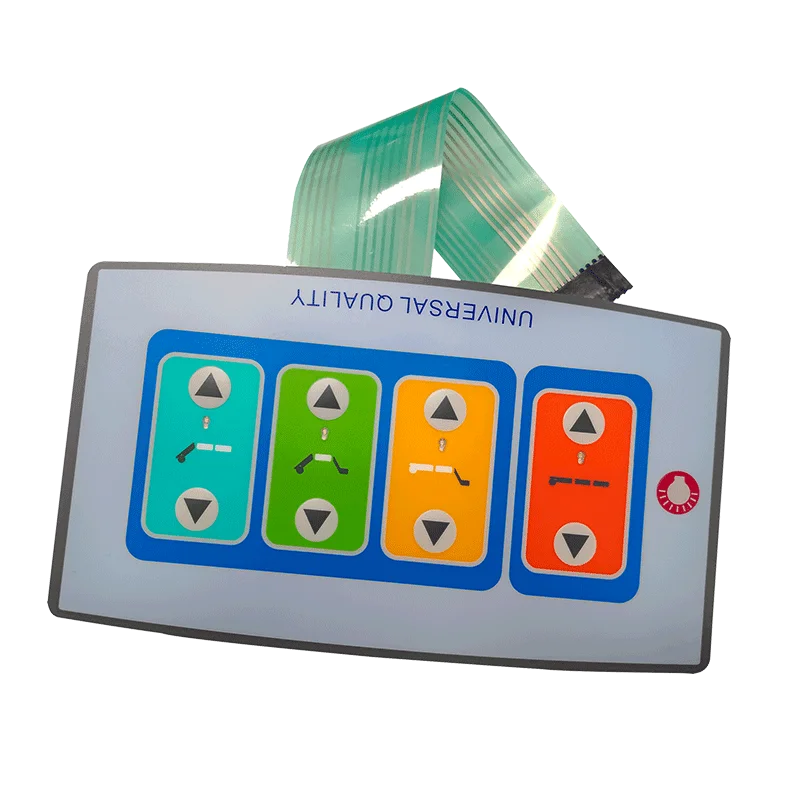
Rigid and Flexible Constructions
Backing materials further distinguish membrane switch types. Flexible versions use thin polyester substrates throughout, allowing the assembly to conform to curved surfaces or fit into tight spaces.
Rigid constructions incorporate stiff backing materials like aluminum, fiberglass, or thick plastics. These provide:
- Enhanced durability against impact
- Improved dimensional stability
- Better mounting options for heavy-use applications
- Heat dissipation for electronics integration
Hybrid approaches exist too. A flexible circuit portion might connect to a rigid control area, combining benefits of both construction methods.
Specialty Membrane Switch Variations
Backlighting Integration
Modern applications frequently demand illuminated interfaces. Backlit membrane switches incorporate lighting elements that make graphics visible in dim conditions or indicate active functions.
Common backlighting technologies include:
- Fiber optic distribution systems
- Light guide films spreading LED sources
- Electroluminescent panels for even glow
- Discrete LEDs behind translucent windows
Each lighting approach brings tradeoffs in brightness, power consumption, thickness, and cost. Fiber optics work well for selective illumination while electroluminescent panels provide uniform backlighting across larger areas.
Sealed and Waterproof Designs
Environmental protection separates standard membrane switches from sealed varieties. While basic constructions resist casual splashes reasonably well, truly waterproof versions undergo specific design modifications.
Enhanced sealing features include:
- Continuous perimeter adhesive without gaps
- Sealed connector exits using potting compounds
- Gasket integration around mounting areas
- Hydrophobic coatings on exposed surfaces
IP ratings indicate protection levels, with IP67 or IP68 representing high waterproof standards some membrane switches achieve through careful engineering.
Capacitive Touch Variations
Though technically different technology, capacitive membrane switches deserve mention. These sense finger proximity without requiring physical pressure to complete circuits.
Touch-sensitive versions enable sleek designs with completely flat, sealed surfaces. Gesture recognition and multi-touch capabilities become possible too. However, they require powered operation and more complex controller electronics than traditional resistive types.
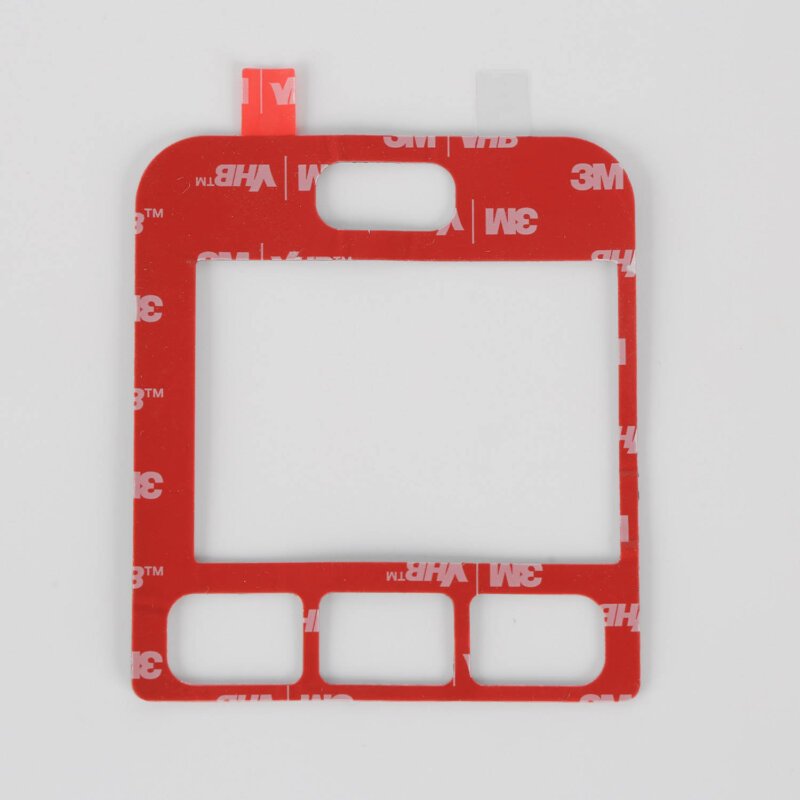
Choosing the Right Membrane Switch Type
Selection ultimately comes down to matching application requirements with available options. Budget constraints, environmental conditions, user expectations, and physical space limitations all influence which type makes sense.
Consulting with experienced manufacturers helps navigate these decisions. They’ve likely encountered similar applications before and can recommend proven approaches rather than guessing. If you want to know more about membrane switch, please read メンブレン・スイッチとは.
よくあるご質問
Which membrane switch type lasts longest?
Durability depends more on construction quality than type category. That said, non-tactile versions generally outlast tactile ones because metal dome fatigue doesn’t apply. Rigid backings also tend to extend service life compared to fully flexible constructions.
Can different types be combined in one panel?
Absolutely. Many membrane switch designs incorporate multiple variations within single assemblies. Tactile buttons for primary functions alongside non-tactile secondary controls, or mixing embossed and flat areas based on importance, happens regularly in custom designs.
How does backlighting affect membrane switch thickness?
Backlighting adds measurable thickness, typically between 0.5mm and 2mm depending on technology chosen. Fiber optics add less depth than electroluminescent panels generally. Light guide films fall somewhere between these extremes.