
Understanding What a Membrane Button Actually Is
Walk into any kitchen, office, or factory floor and chances are good that membrane buttons are within arm’s reach. That microwave panel, the elevator controls, maybe even the photocopier at work—they all likely use this technology. Yet most people press these buttons dozens of times daily without ever wondering what makes them tick.
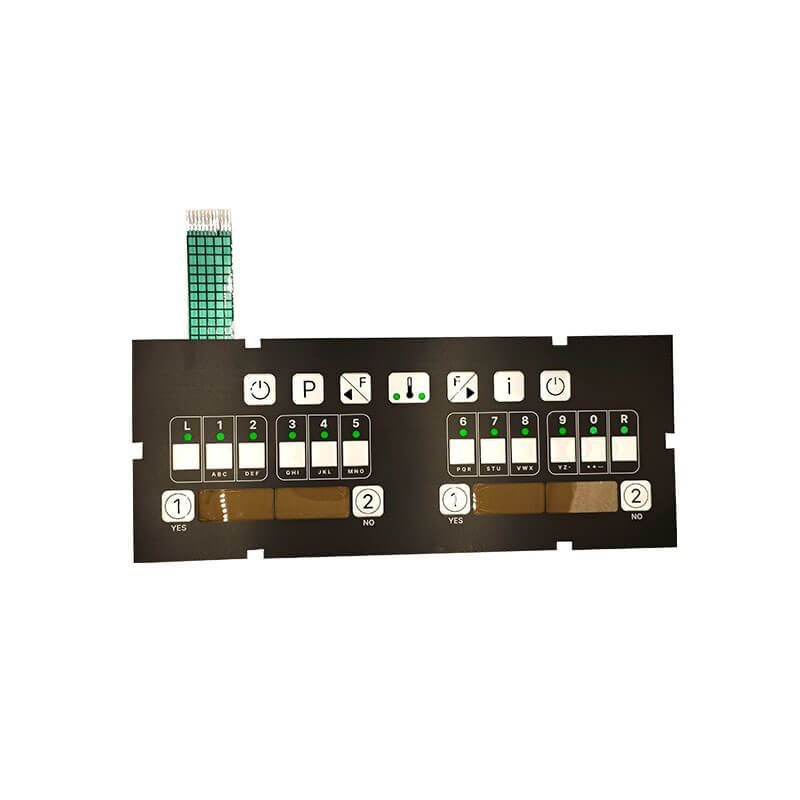
A membrane button is essentially a pressure-activated switch built from thin, flexible layers of material. Unlike traditional mechanical buttons with physical moving parts that click up and down, these rely on contact between conductive surfaces when pressure is applied. Simple concept, really. But the execution involves some clever engineering that makes these switches remarkably practical for countless applications.
The Basic Structure of a Membrane Button
What’s actually inside one of these things? The construction is surprisingly straightforward once broken down into its individual components.
Layer-by-Layer Breakdown
Most membrane buttons consist of several thin sheets bonded together:
- Graphic overlay – The visible surface containing printed symbols, numbers, or labels
- Upper circuit layer – A flexible sheet with conductive traces printed on it
- Spacer layer – Creates necessary separation between circuit layers with holes at button locations
- Lower circuit layer – Another conductive sheet that completes the circuit when contacted
- Rear adhesive – Secures the entire assembly to equipment housings
The spacer layer is what makes everything work properly. Without that gap, the circuits would touch constantly. The cutouts positioned beneath each button location allow the upper layer to flex downward when pressed, making contact with the lower circuit and registering the input.
Material Considerations
Manufacturers typically use polyester or polycarbonate films for the various layers. These materials offer good flexibility, durability, and resistance to environmental factors. The conductive traces themselves are usually silver or carbon-based inks screen-printed onto the film surfaces.
How Does a Membrane Button Register Input?
The operating principle behind a membrane button is pressure-based circuit completion. Nothing terribly complicated from a conceptual standpoint.
When someone presses the button area on the graphic overlay, that force transfers through to the upper circuit layer. The flexible material deforms, pushing through the spacer’s opening until it contacts the lower circuit layer. This contact completes an electrical path, sending a signal to whatever device the button controls.
| Action | What Happens | Duration |
|---|---|---|
| Button pressed | Upper circuit flexes toward lower circuit | Milliseconds |
| Contact made | Electrical circuit completes | While pressure maintained |
| Pressure released | Material returns to resting position | Milliseconds |
| Circuit breaks | Signal stops | Instantaneous |
Where Membrane Button Technology Gets Used
The applications are genuinely extensive. These buttons appear across industries for good reasons—they’re cost-effective, customizable, and hold up well in challenging conditions.
Common Application Areas
- Kitchen appliances like microwaves, ovens, and dishwashers
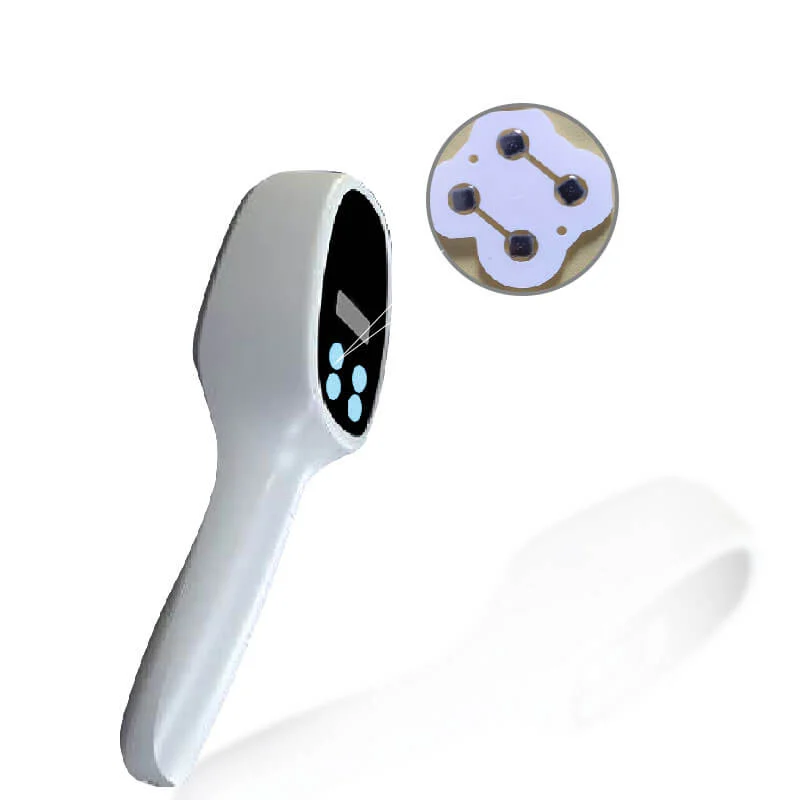
- Membrane buttons in medical devices and hospital equipment
- Industrial control panels and machinery interfaces
- Consumer electronics including remote controls
- Security keypads and access control systems
- Automotive interior controls
- Laboratory and testing equipment
- Fitness machines and gym equipment
The flat, sealed surface makes cleaning easy and prevents contaminants from entering the device interior. That’s why medical and food service industries favor this technology so heavily.
Advantages of Choosing a Membrane Button Design
Several characteristics make membrane buttons attractive compared to alternatives. Not that they’re perfect for every situation—nothing ever is—but they offer compelling benefits for many use cases.
Key Benefits Worth Noting
- Low profile design saves space in compact devices
- Sealed construction resists moisture, dust, and debris
- Lightweight compared to mechanical switch assemblies
- Cost-effective for high-volume manufacturing
- Highly customizable graphics and layouts
- Quieter operation without clicking mechanisms
- Can be produced in virtually any shape or size
The customization aspect deserves emphasis here. Unlike mechanical buttons that come in standard sizes and shapes, membrane buttons can be designed to match nearly any aesthetic or functional requirement. Curved surfaces, unusual shapes, complex graphic designs—all achievable with relative ease.
Limitations and Considerations
Fairness requires mentioning the downsides too. A membrane button lacks the tactile feedback many users prefer. There’s no distinct click, no physical travel distance that confirms the input registered. Some designs incorporate embossing or metal domes beneath key locations to improve tactile response, though this adds complexity and cost.
Durability varies considerably based on quality. Budget membrane buttons might wear out after a few hundred thousand presses. Premium versions can handle millions of actuations. The environment matters as well—extreme temperatures or harsh chemicals may degrade certain materials faster than expected.
Membrane Button vs. Mechanical Button Comparison
| Factor | Membrane Button | Mechanical Button |
|---|---|---|
| Tactile feedback | Minimal to moderate | Strong and distinct |
| Durability | Variable (100K to 5M+ cycles) | Generally very high |
| Cost | Lower for production volumes | Higher per unit |
| Sealing capability | Excellent | Requires additional gaskets |
| Profile height | Very thin | Thicker profile needed |
| Noise level | Quiet | Often audible click |
よくあるご質問
How long does a typical membrane button last?
Lifespan varies considerably by quality and usage intensity. Standard membrane buttons typically rate between 500,000 and 1 million actuations. Higher-quality versions designed for demanding applications can exceed 5 million cycles before showing significant wear.
Can membrane buttons work in outdoor environments?
Yes, they can perform well outdoors when properly designed and manufactured. UV-resistant overlays, appropriate material selection, and proper sealing allow membrane buttons to withstand sun exposure, rain, and temperature fluctuations common in outdoor settings.
Why do some membrane buttons feel different than others?
Tactile feel depends on several design factors including overlay thickness, spacer height, and whether tactile feedback elements like embossing or metal domes are incorporated. Manufacturers can adjust these variables to create different response characteristics suited to specific applications.