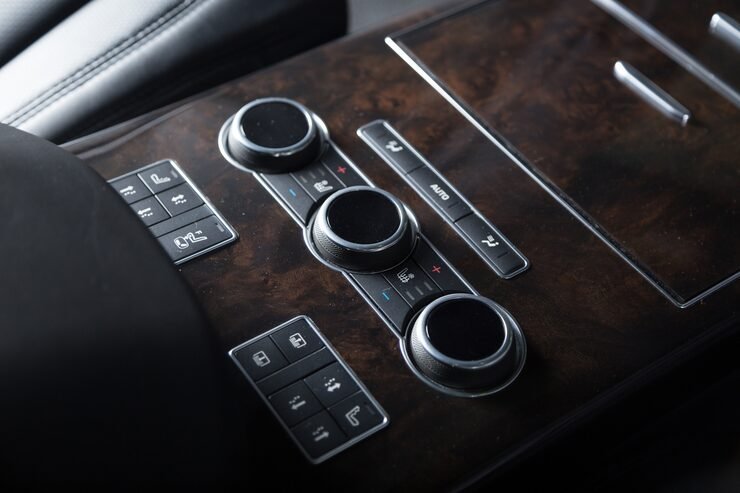
Modern steering wheels carry audio, cruise, phone, and driver-assistance buttons within easy thumb reach, and each has to confirm a press without the driver looking down. That makes the feel of every button a safety issue, not just a design detail.
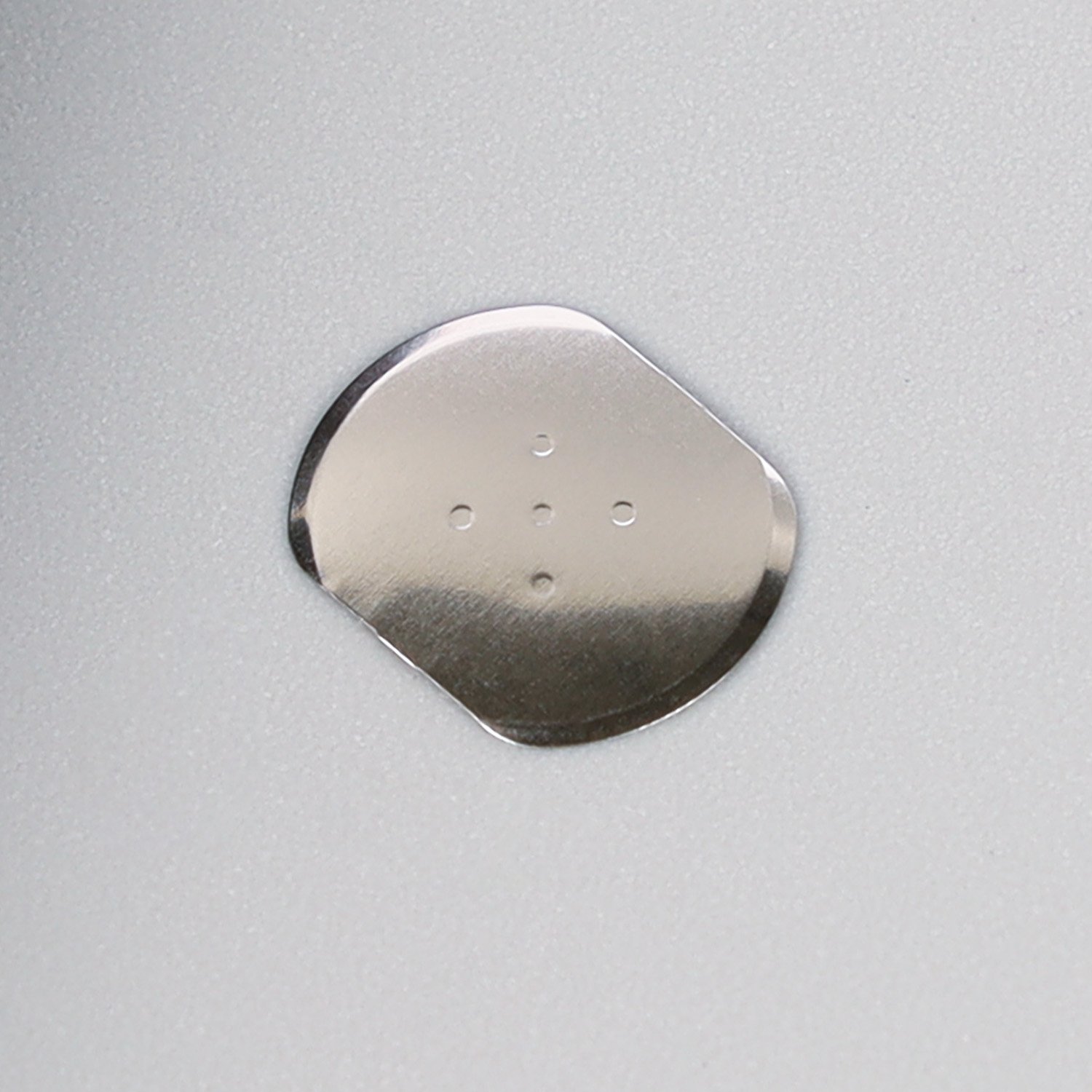
A custom tactile metal dome is what makes that confirmation possible. It is a small stainless-steel disc that snaps inward when pressed, giving a crisp tactile and audible click that tells the driver the command registered. This snap is why a metal dome switch feels different from a soft, rubber-based button and why it suits controls used at speed.
The sections below explain how the dome produces that feedback, which steering wheel functions rely on it, and how the feel is tuned and qualified for automotive use.
How a metal dome creates tactile feedback in a steering wheel switch
A metal dome turns a finger press into a confirmed electrical signal and a felt response. It sits under the keycap and does the work a driver notices as a click.
The snap mechanism
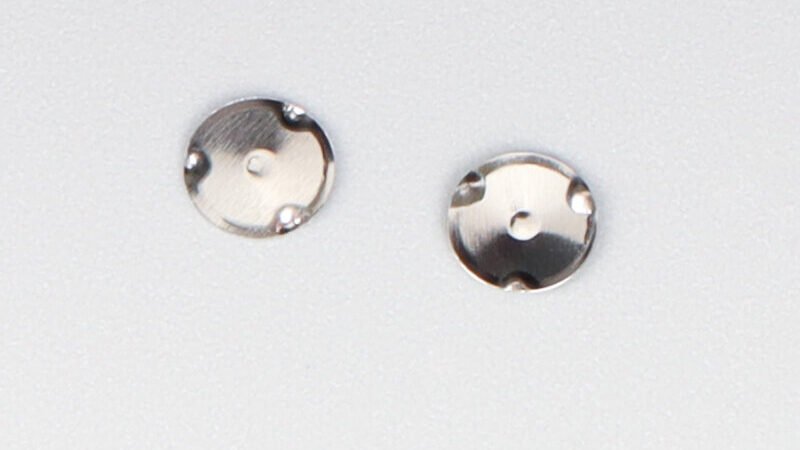
The dome is a shallow, curved disc stamped from stainless steel. At rest, it arches away from the circuit pad beneath. When a driver presses the keycap, the dome flexes down until its center touches the pad and closes the circuit, then springs back on release. That collapse-and-return motion is the event behind every actuation.
The click the driver feels
The snap produces two signals at once. The hand feels a sudden drop in resistance as the dome collapses, then a small rebound. Many domes also make a faint audible click from the same motion. Together they confirm the press without the driver looking, and a metal dome switch holds that response across hundreds of thousands of cycles instead of going mushy.
Why tactile feedback matters while driving
Tactile feedback on the steering wheel is tied directly to attention and reaction time. A clear click lets the driver act and move on instead of checking whether the button worked.
Keeping eyes on the road
When a button gives a distinct snap, the driver trusts it and keeps looking forward. A soft or silent button invites a quick downward glance just to confirm the press, and that glance is a moment of distraction. This is the main reason many safety-minded programs keep physical metal dome switch controls for functions used while driving.
Building muscle memory
Repeated use of the same crisp response teaches the hand where each button is. Drivers learn to find volume, cruise, and voice keys by feel and press them without hunting, and consistent feedback across the wheel supports that muscle memory.
The tactile parameters that define the feel
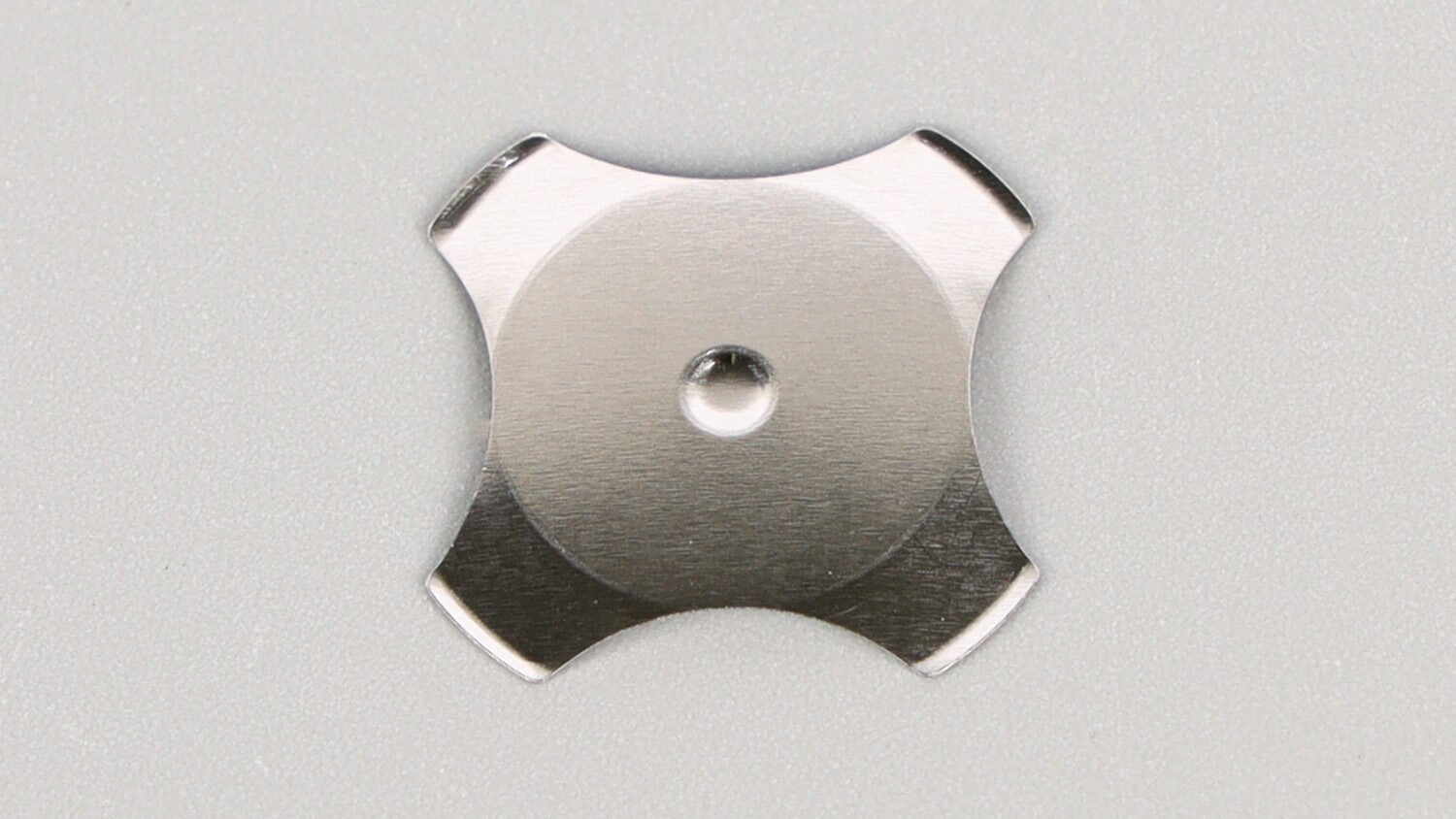
The feel of a dome comes from a few measured values. Designers pick these to match the button’s job and the pressure a thumb naturally applies.
| パラメータ | What it means | Effect on feel |
| 作動力 | Pressure needed to collapse the dome | Sets light, medium, or firm feel |
| 旅行 | Distance the dome moves | Affects comfort and response speed |
| クリック率 | Drop in force after the peak | Controls how sharp the snap feels |
| Rebound force | Energy returned after release | Supports fast reset of the key |
Actuation force and travel
Actuation force usually fits thumb pressure, often around 150 g to 500 g for automotive use. Travel is a fraction of a millimeter but shapes how deliberate the press feels. A higher force with short travel reads as firm and controlled.
Click ratio and rebound
Click ratio is the difference between peak force and force after collapse, divided by the peak. A larger ratio gives a sharper, more obvious snap; a smaller one feels softer. Rebound force decides how quickly the key returns for the next press, which matters on buttons tapped many times per trip.
Steering wheel controls that rely on metal domes
Most multifunction wheels place several jobs on the front face, and many of those keys use domes for the same reason: a reliable, felt confirmation.
Audio and cruise controls
Volume, mute, track skip, and cruise set or cancel are pressed constantly while driving. A metal dome gives each a clear snap so the driver can adjust speed or sound without a second look, and consistent feel matters most on these high-traffic keys.
Voice and driver assistance buttons
Voice command, lane, and assistance toggles are used less often but still need instant confirmation. A firm feel helps prevent an accidental press on a critical function, while a lighter feel suits a frequent one. The compact dome fits several functions into the wheel spokes.
Tuning actuation force for real driving
One dome shape does not fit every button. The force and shape are matched to how and where the key is used.
Light touch versus firm press
A volume key pressed often can use a lighter dome so it never feels tiring. A cruise or assist key that must avoid accidental triggers can use a firmer dome with higher actuation force. This split keeps daily controls comfortable and safety controls deliberate.
Matching thumb pressure
Dome diameter, material thickness, and plating change the force a thumb meets. Designers tune these so the press matches natural thumb pressure and the wheel grip, confirming the press without the driver shifting grip or pushing harder than expected.
Automotive-grade durability and vibration resistance
A steering wheel switch lives in a hard environment, and the dome has to hold its feel through years of heat, cold, and vibration.
Heat, cold, and vibration
Cabin temperatures swing from below freezing to well above 80°C, and the wheel takes constant road vibrations. Quality stainless steel and controlled heat treatment keep the dome’s snap ratio and actuation force stable across that range. Sealed variants block dust, moisture, and oil from the contact. Components for this use are qualified to stress-test standards from the Automotive Electronics Council, which confirms performance through temperature and vibration cycles.
Millions of press cycles
A frequently used key can reach hundreds of presses per day, adding up to millions of cycles over a vehicle’s life. A well-formed dome keeps its elasticity and contact through that count instead of collapsing or going intermittent, and stable mounting in the switch stack prevents shifting that would change the feel or cause false triggers.
よくあるご質問
Do metal dome switches feel different from regular steering wheel buttons?
Yes. A metal dome produces a distinct snap and often a faint click that a driver feels and sometimes hears. Rubber-based buttons tend to feel soft and less defined, which is why domes are favored where confirmation without looking matters.
Can a metal dome switch fail and trigger a button by accident?
It is rare. Accidental actuation usually needs physical damage or debris trapped under the key. Automotive designs add shrouds and guides to keep foreign objects out and to hold the dome in place, which limits that risk.
Are metal dome switches on every modern steering wheel?
Not all, but a large share. Higher-end and safety-focused vehicles use them for functions where feedback and durability count, such as cruise and assistance keys. Some non-critical keys still use conductive rubber to lower cost.