
Why Medical Devices Require Custom Membrane Switch Solutions
Medical device interfaces face demands unlike typical consumer or industrial applications. The stakes run higher when equipment supports patient care. Reliability becomes paramount. Cleanability matters constantly. Regulatory compliance adds complexity throughout development.
Standard interface solutions rarely address these specialized requirements adequately. A custom membrane switch designed specifically for medical applications incorporates necessary features from the start. Retrofitting generic products to meet medical standards proves difficult and often unsuccessful.
Healthcare environments present unique challenges too. Frequent cleaning with harsh disinfectants, continuous operation demands, and users wearing gloves all influence design requirements. Understanding these factors helps create interfaces that perform reliably where it matters most.
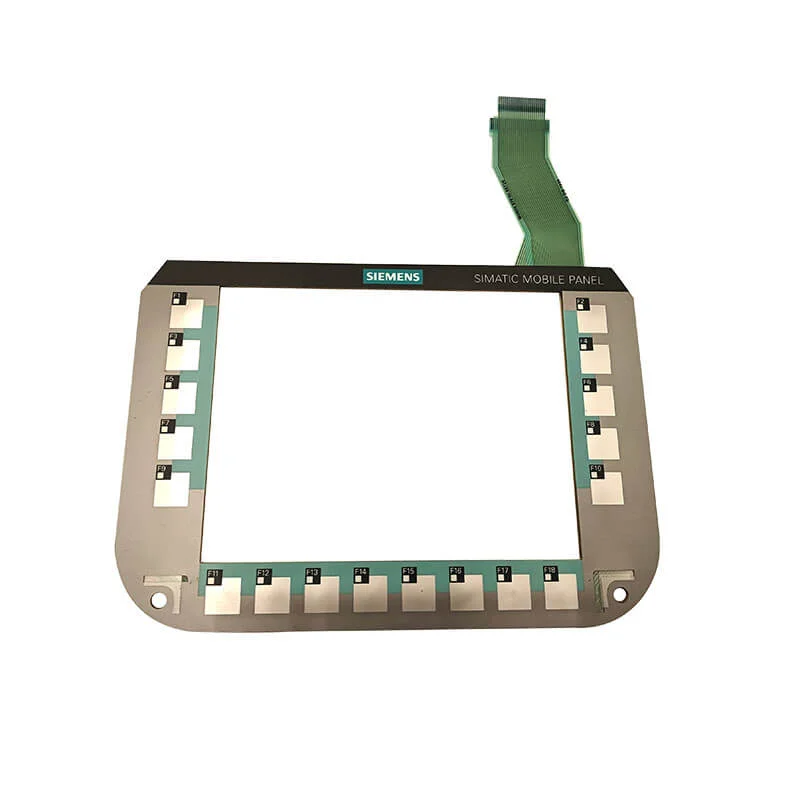
Regulatory Considerations for Custom Membrane Switch Design
FDA and International Standards
Medical device interfaces fall under regulatory scrutiny alongside the devices themselves. The FDA considers user interfaces part of overall device design, meaning membrane switches must meet applicable requirements.
Key regulatory considerations include:
- Biocompatibility of patient-contact materials
- Risk assessment documentation
- Design history file contributions
- Validation testing evidence
- Complaint handling traceability
ISO 13485 quality management systems govern most medical device manufacturing. Selecting a custom membrane switch supplier with relevant certification simplifies compliance documentation significantly.
International markets add complexity. European MDR requirements differ from FDA expectations in certain areas. Harmonized standards help but don’t eliminate all variations. Planning for target market requirements early prevents expensive redesigns later.
Documentation Requirements
Medical device development demands extensive documentation that industrial applications rarely require. A custom membrane switch becomes part of device design history files, requiring traceable specifications and validation records.
Essential documentation typically includes:
- Material certifications and specifications
- Biocompatibility test reports when applicable
- Environmental testing results
- Production process validation
- Inspection criteria and results
Manufacturers experienced with medical applications understand these documentation expectations. Working with unfamiliar suppliers often creates gaps that auditors identify uncomfortably during reviews.
Material Selection for Medical Custom Membrane Switch Applications
Chemical Resistance Requirements
Healthcare facilities clean equipment constantly. Disinfectants, alcohol wipes, bleach solutions, and various cleaning agents contact surfaces repeatedly throughout device lifecycles.
Materials must withstand exposure without degradation:
| Material Type | Chemical Resistance | Common Applications |
|---|---|---|
| Polyester overlays | Good to excellent | Most medical interfaces |
| Polycarbonate | Moderate | Lower chemical exposure areas |
| Autotype Autoflex | Excellent | High-frequency cleaning |
| Hardcoated films | Superior | Intensive care environments |
Surface treatments enhance baseline material performance. Hardcoated polyester resists scratching and chemical attack better than untreated versions. These enhancements add cost but extend service life considerably in demanding environments.
Antimicrobial Options
Antimicrobial additives incorporated into custom membrane switch materials provide supplemental protection between cleaning cycles. These treatments don’t replace proper disinfection but reduce microbial growth on surfaces.
Silver-ion based technologies dominate this space currently. Effectiveness varies based on formulation and concentration. Marketing claims sometimes exceed demonstrated performance, so evaluating test data critically remains important.
Regulatory status of antimicrobial claims requires attention too. Some jurisdictions restrict marketing language around antimicrobial benefits. Understanding applicable regulations prevents compliance issues.
Design Features for Medical Custom Membrane Switch Interfaces
Sealed Construction
Fluid ingress represents significant concern for medical equipment. Blood, saline, medications, and cleaning solutions all potentially contact device surfaces. Sealed custom membrane switch construction prevents these fluids from reaching electronics.
Sealing approaches include:
- Continuous perimeter adhesive bonding
- Gasket integration around penetrations
- Potted connector terminations
- Welded edge treatments
IP65 or higher ratings typically suit medical applications. Testing protocols verify sealing effectiveness under realistic conditions.
Tactile Feedback Considerations
Gloved operation affects tactile perception significantly. Feedback that feels adequate with bare hands may become imperceptible through nitrile or latex gloves.
Metal domes with higher snap ratios provide more distinct feedback detectable through gloves. Audible click options supplement tactile sensation when appropriate. Visual confirmation through LED indicators or screen responses adds another feedback layer.
A well-designed custom membrane switch accounts for actual use conditions rather than ideal laboratory scenarios.
Graphic Design for Medical Environments
Medical interface graphics must communicate clearly under varied lighting conditions. Emergency situations don’t allow users time to search for correct buttons.
Effective medical interface graphics feature:
- High contrast color combinations
- Intuitive symbol usage following standards
- Logical button groupings by function
- Clear emergency control identification
- Consistent layout across product families
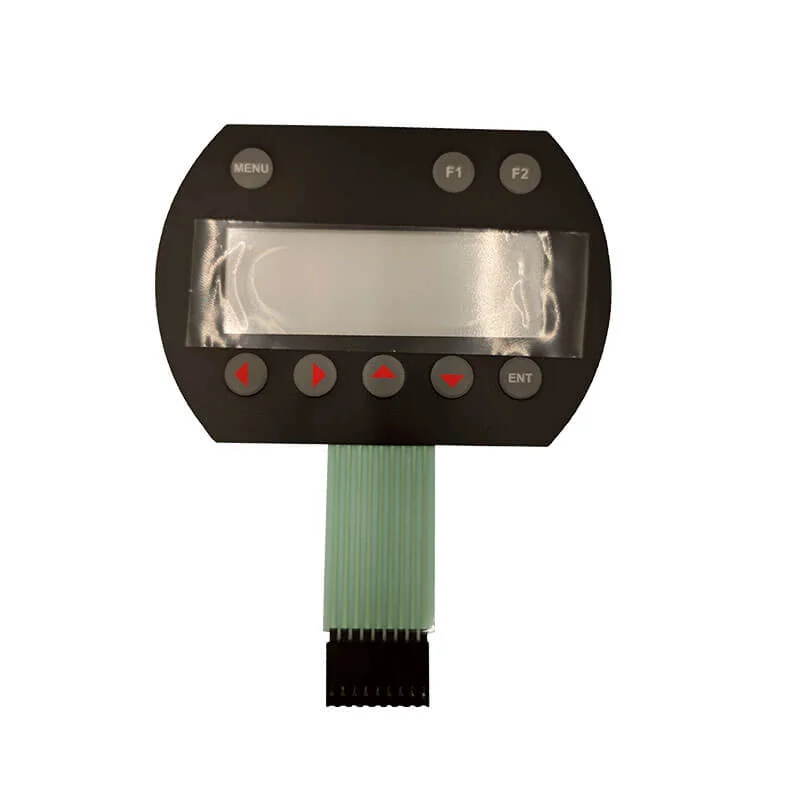
Lifecycle Considerations for Medical Applications
Extended Service Expectations
Medical equipment often remains in service for years or even decades. A custom membrane switch must maintain performance throughout these extended lifecycles.
Design factors supporting longevity include:
- Conservative material stress levels
- Appropriate actuation cycle ratings
- UV-stable inks and materials
- Robust connector terminations
Replacement availability matters too. Ensuring continued supply of identical or compatible interfaces supports field service needs throughout product lifecycles.
Validation and Testing Requirements
Medical applications typically require validation testing beyond standard commercial practices. Environmental testing, accelerated life testing, and simulated use studies all contribute evidence supporting design adequacy.
Test protocols should reflect actual use conditions realistically. Cleaning frequency, actuation patterns, and environmental exposure all warrant consideration when designing test programs for custom membrane switch validation. If you want to know more about custom membrane switch, please read Custom Membrane Switch: Tailoring Every Layer to Your Needs.
よくあるご質問
Do all medical device interfaces require biocompatibility testing?
Not necessarily. Biocompatibility testing applies primarily to patient-contact materials. Interfaces that operators touch but patients never contact may not require full biocompatibility evaluation. Risk assessment determines applicable testing requirements for specific applications.
How long does medical custom membrane switch development typically take?
Development timelines often run longer than industrial applications due to documentation requirements and validation testing. Eight to sixteen weeks represents typical range, though complex designs or extensive testing needs extend this further. Planning adequate development time prevents schedule pressures compromising thoroughness.
Can existing membrane switch designs be modified for medical use?
Sometimes, but significant modifications usually prove necessary. Medical requirements around materials, sealing, documentation, and validation rarely align with designs created for other markets. Starting fresh with medical requirements in mind typically produces better outcomes than adaptation attempts.