Medical wearables are not just consumer gadgets; they are lifeline tools. From continuous glucose monitors (CGMs) worn on the arm to portable ECG trackers clipped to clothing, these devices collect critical health data every single day. A single failure could mean missed alerts, inaccurate readings, or even risks to patient safety. This is why reliability isn’t just a buzzword in the medical wearable space—it’s a non-negotiable requirement, set by global regulatory bodies and industry standards. Amidst the countless components powering these devices, メタルドームスイッチ stand out as a surprisingly reliable choice, one that consistently meets and even exceeds the strict benchmarks medical wearables demand.
How Metal Dome Switches Align with Core Medical Wearable Reliability Standards
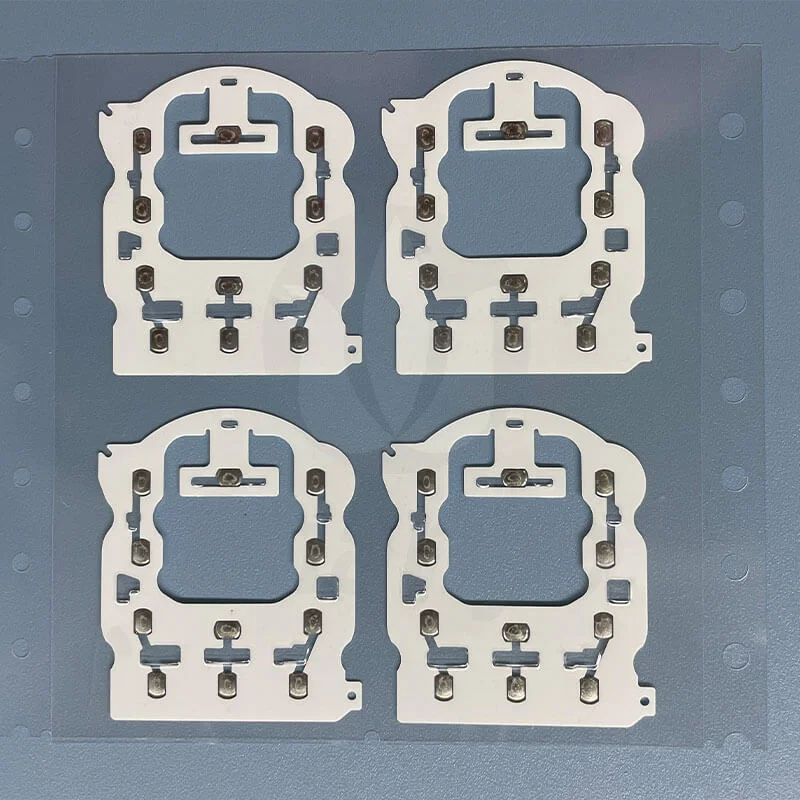
Medical wearable reliability standards cover a wide range of metrics—from durability in daily use to resistance to bodily fluids and consistent performance over years. Metal dome switches, with their robust construction and precise engineering, are engineered to check every box on these regulatory and practical checklists. They aren’t just a convenient component; they’re a purpose-built solution for the unique challenges medical wearables face.
Compliance with Biocompatibility and Safety Mandates
Unmatched Durability for Long-Term, Daily Use
Precision and Consistency in Signal Transmission

Key Medical Standards Metal Dome Switches Meet (and Exceed)
| Regulatory Standard | Key Requirement | How Metal Dome Switches Comply |
|---|---|---|
| ISO 10993 (Biocompatibility) | No skin irritation, cytotoxicity, or material leaching | Medical-grade stainless steel/titanium; non-toxic sealing materials |
| ISO 13485 (Quality Management) | Consistent production, long-term performance | 10+ million actuation lifespan; rigorous manufacturing testing |
| FDA 21 CFR Part 862 (Medical Device Safety) | Safe skin contact, reliable component function | Biocompatible materials; sealed design prevents moisture/ contamination |
| IEC 60601 (Electrical Safety) | Low contact resistance, no electrical interference | Low-resistance metal contacts; shielded wiring to avoid sensor disruption |
A Step-by-Step Process to Validate Metal Dome Switches for Medical Wearables
- Material Certification Check: Confirm the metal dome switch’s materials meet ISO 10993 biocompatibility standards, with third-party test reports to back up claims.
- Environmental Stress Testing: Expose the switches to simulated skin contact conditions (warmth, moisture, repeated pressure) for 1,000+ hours to check for degradation or irritation risks.
- Actuation and Signal Testing: Verify the switch maintains consistent contact resistance and tactile feedback across 10 million actuations, using equipment calibrated to medical device standards.
- Sealing and Contamination Testing: Ensure the switch’s seal prevents sweat, lotion, or other bodily fluids from entering, which could cause corrosion or signal loss.
よくあるご質問
Can metal dome switches be used in implantable medical wearables?
Metal dome switches are not typically used in fully implantable devices, as implantable components require even more specialized biocompatibility (e.g., titanium alloys for long-term tissue integration). They are, however, the go-to for external medical wearables—CGMs, wearable ECGs, portable insulin pump controllers—where skin contact is the primary concern. For these external devices, their medical-grade materials and reliable performance make them the superior choice over alternative components.
How do metal dome switches perform in high-moisture environments (like shower-resistant CGMs)?
Shower-resistant and water-resistant medical wearables (IP67/IP68 rated) rely on metal dome switches’ sealed design to withstand moisture. The switches are paired with medical-grade adhesive seals and waterproof housings, creating a barrier that prevents water and sweat from seeping into the switch’s internal components. This sealing, combined with the metal’s corrosion resistance, ensures the switch continues to function reliably even after repeated exposure to water, a critical feature for patients who may wear their devices in the shower or during exercise.
Do metal dome switches require more maintenance than other switch types in medical wearables?
No, metal dome switches actually require less long-term maintenance than plastic or silicone alternatives. Their durable construction means they rarely fail, so there’s no need for frequent replacements or repairs— a key benefit for patients who rely on their wearables daily. The only maintenance step is regular cleaning of the switch’s surface with mild soap and water (per the wearable’s instructions), which removes sweat or residue without damaging the component. For manufacturers, this low-maintenance design reduces after-sales support costs and improves patient satisfaction.