
Manufacturing efficiency matters. Every second spent on assembly affects production costs, throughput capacity, and ultimately, profitability. When it comes to tactile switch integration, the difference between placing individual components and using a lastra a cupola can be surprisingly significant—especially at scale.
Assembly time might seem like a minor consideration when selecting switch technology. But for companies producing thousands or millions of units, those saved seconds accumulate into hours, days, and substantial cost reductions. Understanding why a dome sheet offers these time savings helps explain its widespread adoption across industries.
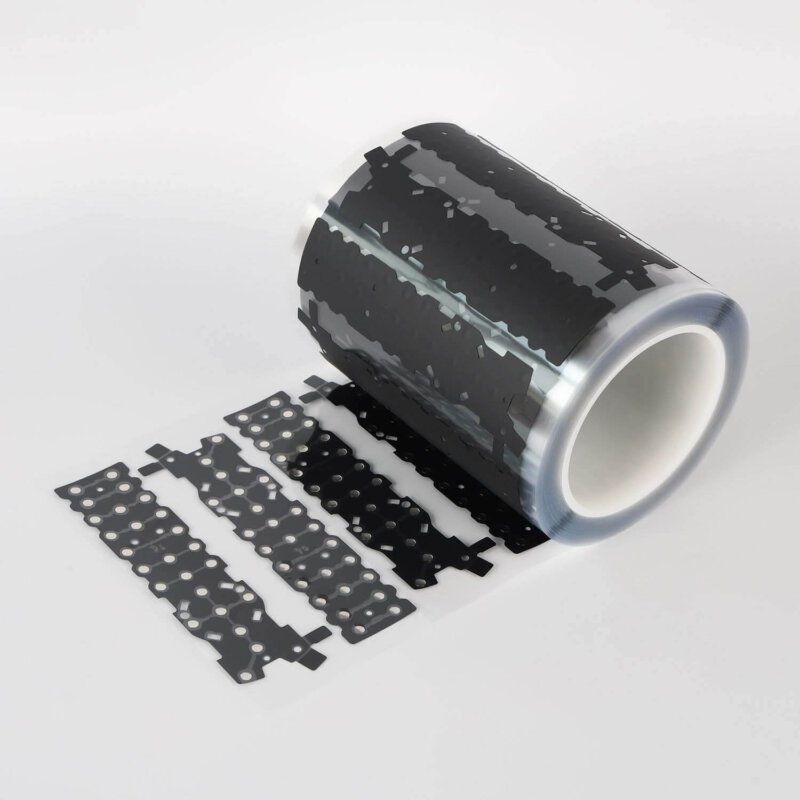
The Dome Sheet Advantage in Assembly Efficiency
Traditional approaches to creating tactile keypads often involved placing individual metal domes one by one onto circuit boards. Each dome required precise positioning. Each placement took time. Each dome represented another opportunity for misalignment or error.
A dome sheet changes this equation fundamentally. Instead of handling dozens of individual components, assembly workers handle one integrated piece. All domes arrive pre-positioned, held in precise alignment by the carrier film. One placement step replaces many.
Time savings come from multiple factors:
- Reduced handling of individual components
- Elimination of dome-by-dome positioning
- Pre-applied adhesive systems
- Simplified alignment with registration features
- Fewer quality checks during assembly
- Reduced rework from misplaced domes
The practical impact varies by product complexity. A simple four-button remote sees modest time savings. A complex industrial panel with thirty or forty buttons sees dramatic improvement. The more domes required, the greater the efficiency gain from using an integrated dome sheet approach.
Single Placement vs. Multiple Placements
Consider the math on a modest example. A product requiring twelve tactile buttons needs twelve metal domes. Placing individual domes—even with experienced operators—takes perhaps three to five seconds each, including pickup, positioning, and verification. That totals 36 to 60 seconds just for dome placement.
A dome sheet containing those same twelve domes? One placement taking perhaps eight to twelve seconds total. The carrier material holds all domes in position. Alignment features guide correct placement. Adhesive backing secures everything simultaneously.
This comparison understates the real-world difference, actually. Individual dome placement requires constant attention to prevent mistakes. Dome sheet placement is simpler, less mentally taxing, and more consistent across operators and shifts.
How Dome Sheet Design Enables Faster Production
The engineering behind dome sheets specifically addresses assembly efficiency. Manufacturers have refined these products over decades to minimize production complications.
| Design Feature | Assembly Benefit | Time Saved |
| Pre-positioned domes | Eliminates individual placement | 70-85% reduction |
| Adhesive backing | No separate adhesive application | Eliminates entire step |
| Registration holes/marks | Speeds alignment process | 30-50% faster positioning |
| Carrier film rigidity | Easier handling than loose domes | Reduces fumbling and drops |
| Release liner | Protects adhesive until needed | No adhesive contamination issues |
| Die-cut profiles | Matches product footprint exactly | Eliminates trimming steps |
Registration features deserve particular attention. Holes or marks on the dome sheet align with corresponding features on the circuit board or housing. This guides operators to correct positioning quickly, without measuring or careful visual alignment. Some automated assembly systems use these features for machine vision alignment, enabling fully automated placement.
The adhesive system also matters significantly. Dome sheets typically arrive with pressure-sensitive adhesive pre-applied and protected by a release liner. Peel the liner, position the sheet, press to secure. No separate adhesive application, no curing time, no special equipment needed. This simplicity accelerates production and reduces material handling.
Labor Cost Implications of Dome Sheet Assembly
Time savings translate directly into labor cost reductions. Fewer assembly seconds per unit means either lower labor cost per unit or higher production capacity from the same workforce.
- Calculate current dome placement time per unit
- Multiply by labor rate to find current cost
- Estimate dome sheet placement time
- Calculate new per-unit labor cost
- Multiply savings by production volume
- Factor in dome sheet cost difference
For high-volume production, these calculations often reveal substantial annual savings. A product assembled in quantities of 100,000 units might save only a few cents per unit on assembly labor—but that accumulates to thousands of dollars annually. Higher volumes amplify savings proportionally.
Beyond direct labor time, consider indirect benefits. Simpler assembly tasks require less training. New operators reach full productivity faster. Error rates decline, reducing rework labor. Quality inspection time decreases when consistent dome sheet placement replaces variable individual dome positioning.

Reduced Rework and Scrap Rates
Misplaced or damaged domes during individual placement create defects requiring rework or scrapping. Every reworked unit consumes additional labor and materials. Every scrapped unit represents complete material loss.
Common individual dome placement problems:
- Domes placed in wrong positions
- Domes damaged during handling
- Inconsistent dome orientation
- Adhesive contamination before placement
- Missing domes discovered late in assembly
Dome sheet assembly largely eliminates these issues. Domes cannot be placed in wrong positions—they are already positioned. Handling damage is rare since the carrier protects domes during shipping and storage. Orientation is predetermined. Adhesive contamination is prevented by the release liner.
The quality improvement compounds time savings. Less inspection time needed. Fewer units pulled for rework. Higher first-pass yield rates. These indirect benefits sometimes exceed direct assembly time savings in total value.
Integration Efficiency With Dome Sheet Technology
Modern membrane switch assemblies often incorporate the dome sheet as one layer in a multi-layer construction. This integration further streamlines production by combining multiple components into sub-assemblies before final product assembly.
Integrated assembly approaches:
- Dome sheet pre-laminated to membrane circuit
- Complete tactile array with spacer and adhesive layers
- Turnkey membrane switch assemblies ready for installation
- Dome sheet combined with graphic overlay
Suppliers offering these integrated solutions handle dome sheet lamination in controlled environments with specialized equipment. Product manufacturers receive complete subassemblies requiring only final installation. Assembly time drops further when multiple fabrication steps move upstream to component suppliers.
This integration model suits companies preferring to focus on final product assembly rather than membrane switch fabrication. The dome sheet becomes part of a larger component, handled as a single item despite containing many functional elements.
Automation Compatibility of Dome Sheet Products
Automated assembly lines gain particular benefit from dome sheet formats. Pick-and-place equipment handles sheet products more reliably than loose individual domes.
Automation advantages:
- Consistent component presentation
- Machine vision alignment using registration features
- Reliable vacuum pickup from flat carrier surfaces
- Reduced jam and feed problems
- Higher placement speeds achievable
Manual assembly benefits from dome sheets, but automated assembly benefits even more. The predictable, consistent format suits robotic handling. Sensors verify correct placement. Throughput increases while error rates decrease.
Companies considering automation for assembly operations should factor dome sheet compatibility into planning. The format essentially anticipates automated handling, making future automation transitions smoother. If you want to know more about dome sheet, please read What is a dome sheet.
FAQ
Does a dome sheet cost more than individual domes?
Per-dome cost may be slightly higher due to carrier materials and assembly at the supplier. However, total system cost—including labor, rework, and scrap—typically favors dome sheets for any production quantity beyond small prototyping runs. The assembly time savings and quality improvements usually offset any component cost premium within moderate production volumes.
Can custom dome sheet layouts be produced economically?
Yes, though setup costs exist for custom tooling. Standard dome spacing and common layouts may require no tooling charges. Highly custom arrangements need die tooling, adding upfront cost amortized across production quantity. Suppliers can advise on cost-effective approaches based on specific layout requirements and expected volumes.
What minimum order quantities apply for dome sheet products?
Minimums vary by supplier and complexity. Standard configurations from stock may have no minimum or very low minimums. Custom layouts typically require quantities sufficient to justify setup—often a few hundred to a few thousand pieces. High-volume applications receive better pricing as quantities increase. Discussing anticipated volumes with suppliers early helps identify optimal sourcing approaches.