Why the Metal Dome Remains Essential in Emergency Medical Equipment
Emergency medical equipment doesn’t get a second chance. When a paramedic reaches for a defibrillator or adjusts a portable ventilator in the back of a moving ambulance, the interface has to respond — immediately and without ambiguity. That’s a lot of pressure to put on a tiny component, but the cúpula metálica handles it remarkably well.
It’s one of those parts that rarely gets talked about outside of engineering circles. And yet, the metal dome sits at the heart of nearly every tactile button on critical emergency devices. There’s a reason it’s been the go-to switching solution for decades, and it has everything to do with how it performs when conditions are far from ideal.
How a Metal Dome Functions Inside Emergency Devices
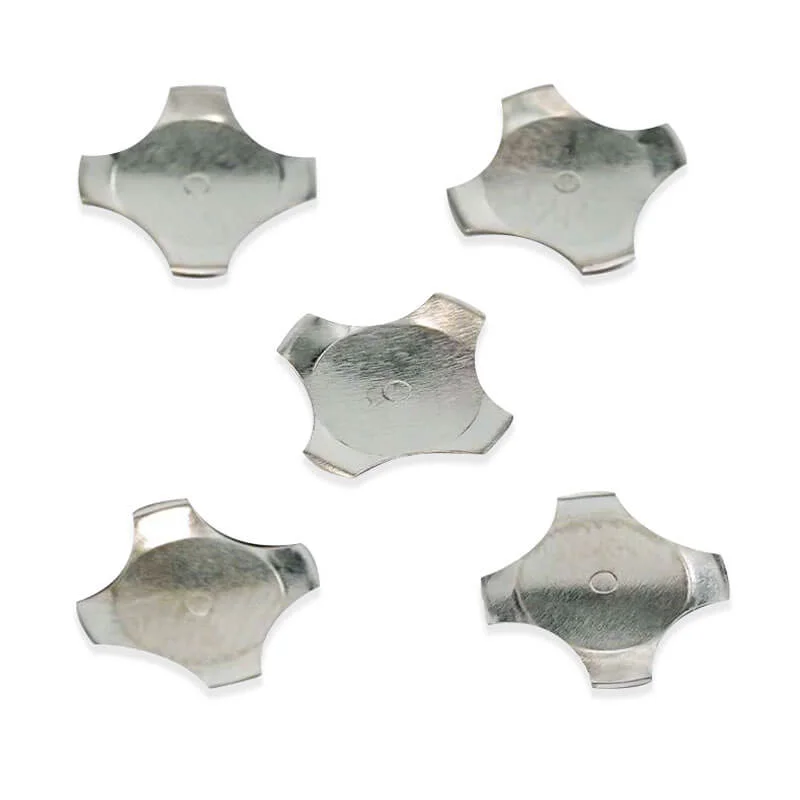
At its most basic, a metal dome is a small, convex disc made from stainless steel — usually 301-grade — that rests over a contact point on a printed circuit board. Press it, and it snaps downward to complete the circuit. Release it, and it returns to its original shape. That snap is the tactile feedback operators rely on.
The Snap That Matters
That crisp click isn’t just satisfying. It’s functional. In a noisy emergency room or at a roadside accident scene, visual confirmation of a button press might not be possible. The physical sensation of the metal dome collapsing tells the user — through their fingertip — that the input went through. Even through nitrile gloves. Even when hands are shaking.
It’s a small detail, but in emergency contexts, small details tend to carry outsized weight.
Characteristics That Make the Metal Dome Reliable Under Pressure
Emergency equipment faces conditions that most consumer electronics never will. Vibration during transport, temperature swings, exposure to fluids, aggressive cleaning protocols. The metal dome holds up across all of these, which is part of why it remains so deeply embedded in this category of devices.
Here’s a look at the key characteristics and why they matter:
| Characteristic | Relevance to Emergency Equipment |
|---|---|
Fuerza de accionamiento constante | Prevents missed or accidental inputs during high-stress use |
Cycle life exceeding 1 million actuations | Supports years of daily use without tactile degradation |
Wide operating temperature range | Performs in ambulances, helicopters, and outdoor field conditions |
Corrosion-resistant stainless steel | Withstands blood, saline, disinfectants, and moisture exposure |
Rapid return to rest position | Enables fast, repeated button presses during time-sensitive procedures |
Resistance to Environmental Extremes
Emergency gear goes places. It gets dropped, rattled around in transport cases, used in rain, and stored in vehicles where temperatures swing from freezing to sweltering. A metal dome doesn’t contain any organic materials that degrade easily under those conditions. The stainless steel construction resists oxidation, and when sealed beneath a polyester overlay, the entire switch point becomes effectively weatherproof.
Cleaning and Decontamination
After every use — sometimes multiple times a day — emergency devices get wiped down with hospital-grade disinfectants. Some get sprayed. The four leg metal domes, particularly when integrated into a sealed dome array, tolerate this repeated chemical exposure without losing their spring characteristics or corroding at the contact surface.
Where the Metal Dome Shows Up in Emergency Medical Devices
The range of applications is broader than most people would expect. Some common examples:
Automated external defibrillators (AEDs) — the shock and power buttons
Portable patient monitors — navigation and alarm controls
Emergency ventilators — mode selection and parameter adjustment
Infusion pumps used in ambulance transport — dosage confirmation inputs
Pulse oximeters — power and display toggle switches
In each case, the requirements are similar: the switch must actuate cleanly, provide unmistakable feedback, and keep doing so for years.
Design Considerations When Specifying a Metal Dome for Emergency Use
Engineers selecting a metal dome for this kind of application typically work through a few key decisions:
Determine the ideal actuation force — firm enough to prevent accidental presses, light enough for rapid repeated use.
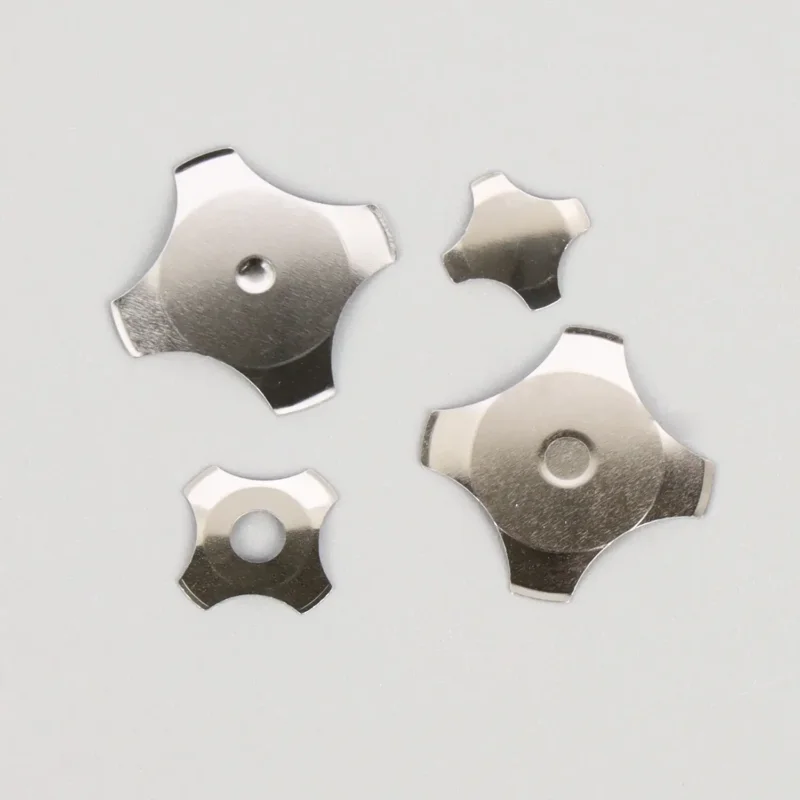
Choose the dome geometry — four-leg designs for stability, three-leg for lighter touch.
Specify the overlay material — balancing chemical resistance with tactile transparency.
Define the operating environment — temperature range, humidity, expected contaminants.
Validate through accelerated life testing — simulating years of use in compressed timeframes.
Getting these right at the design stage prevents field failures, which in emergency medicine isn’t just inconvenient — it’s potentially dangerous.
PREGUNTAS FRECUENTES
Can a metal dome fail during use in an emergency device?
While no component is immune to failure, the metal dome has an extremely low failure rate when properly specified. Most are rated for over one million cycles, and the stainless steel construction resists the fatigue and corrosion that cause failures in other switch types. Proper sealing and integration further reduce risk.
How does the metal dome compare to rubber dome switches in emergency equipment?
Rubber domes are softer and less expensive, but they lack the crisp tactile snap that a metal dome provides. In emergency settings, that distinct click feedback is critical for confirming inputs under stress. Metal domes also tend to offer better longevity and more consistent force characteristics over time.
Are there regulatory standards that apply to metal dome switches in medical devices?
The metal dome itself isn’t independently certified, but the devices it goes into must comply with standards like IEC 60601 for medical electrical equipment. Manufacturers validate that every component — including the switch mechanism — meets the reliability and safety thresholds those standards require.