There’s something about a button that clicks properly. That crisp, definitive response when pressing a well-designed interface. It communicates quality instantly—before any feature gets tested or specification gets checked. Users notice, even if they can’t articulate why one product feels premium while another feels cheap.
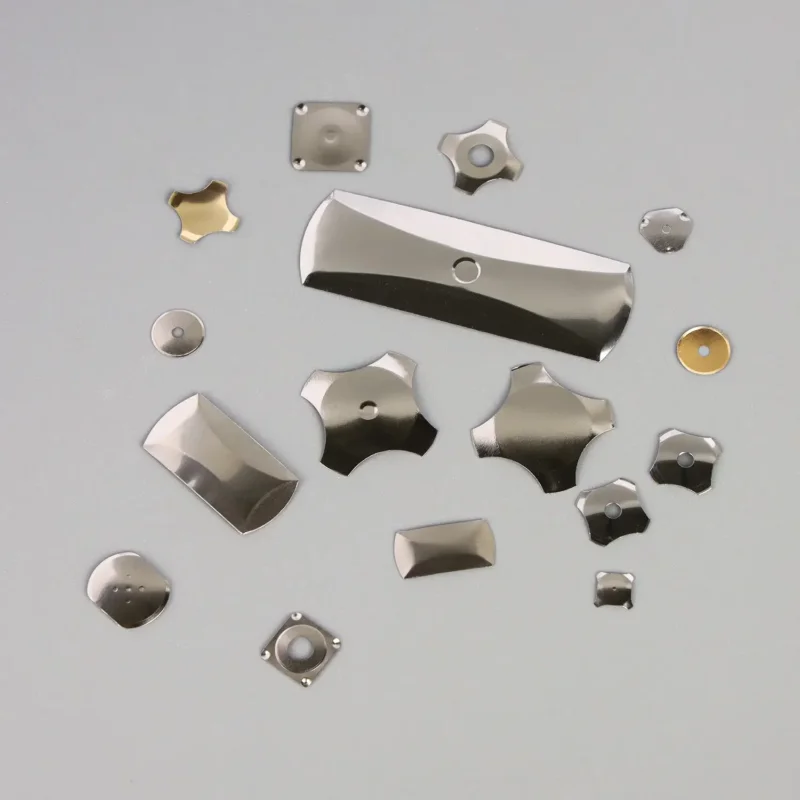
Behind many of these satisfying interfaces sits a metal dome keypad. These assemblies combine thin stainless steel domes with flexible circuit substrates to create switches that perform consistently over millions of actuations. Not glamorous technology, perhaps. But technology that quietly shapes how products feel in daily use.
Superior Tactile Feedback From Metal Dome Keypad Design
The tactile experience distinguishes metal dome keypads from most alternatives. When a dome inverts under finger pressure, it produces a distinct snap—both audible and physical. This feedback mechanism happens through clever mechanical design rather than electrical tricks.
The Physics Behind The Click
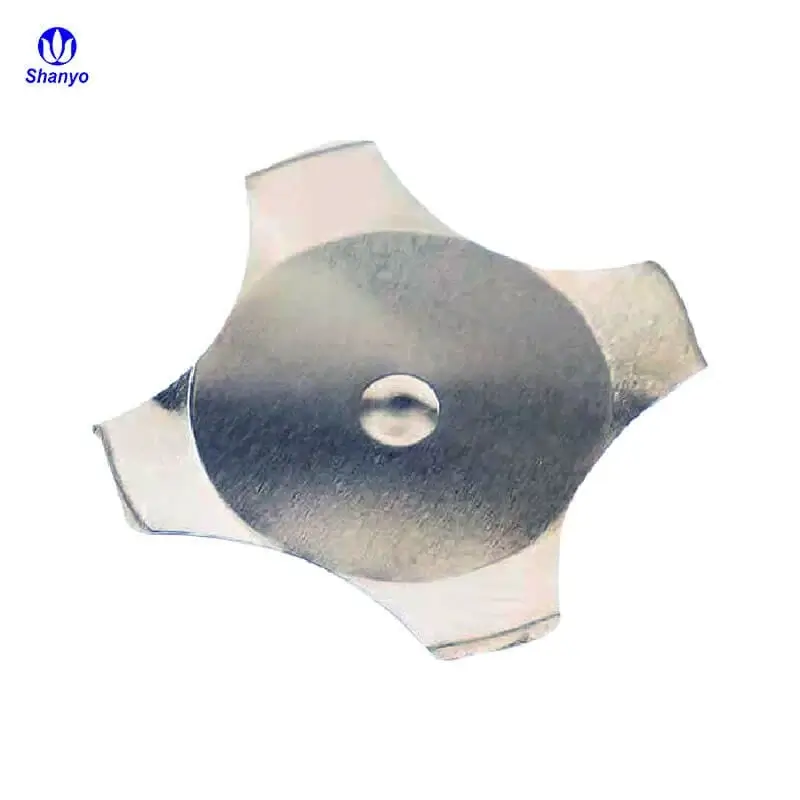
A metal dome at rest forms a convex shape, like a tiny hill. Applying pressure causes the dome to resist initially, building force until it suddenly inverts to a concave position. This snap-through action creates the characteristic click. The force curve—how resistance changes through the press—feels natural and satisfying to human fingers.
Compare this to rubber dome switches where the feedback feels mushy, undefined. Or membrane switches with almost no tactile response at all. The metal dome keypad provides confirmation that input registered. No second-guessing, no repeated pressing.
Consistency Across The Interface
Individual buttons on a metal dome keypad feel remarkably consistent with each other. Manufacturing tolerances for stainless steel domes run tight—force variations typically stay within 20% across a production lot. Users pressing different buttons experience the same feedback profile throughout the interface.
This consistency matters more than specifications suggest. Inconsistent buttons feel cheap and unpredictable. Consistent buttons fade into the background, letting users focus on their actual task rather than the interface mechanics.
Design Flexibility With Metal Dome Keypad Solutions
Form Factor Advantages
Metal dome keypads stack remarkably thin. Total assembly thickness might measure just 0.3mm to 0.5mm depending on configuration. This slim profile fits products where interior space comes at premium—handheld devices, slim remotes, compact control panels.
The flexibility extends beyond thickness:
- Dome placement adapts to virtually any button layout
- Mixed dome sizes accommodate different button dimensions
- Force ratings can vary across single keypads for different functions
- Custom shapes including oval and specialty geometries available
Integration Options
Manufacturers offer metal dome keypads in several integration formats depending on assembly requirements:
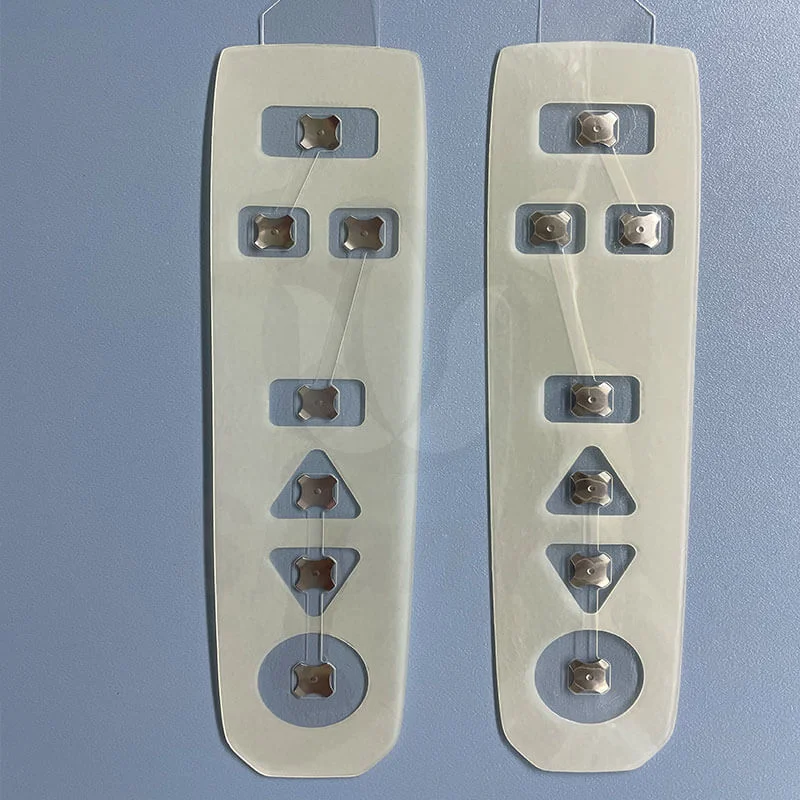
- Dome arrays on carrier sheets for pick-and-place assembly
- Pre-applied adhesive for direct PCB mounting
- Integrated flexible circuits combining domes with traces
- Complete membrane switch assemblies ready for installation
This flexibility simplifies manufacturing. Engineers choose the format matching their production capabilities rather than redesigning processes around component limitations.
Overlay Compatibility
The metal dome keypad works beneath various overlay materials—polyester films, polycarbonate sheets, silicone rubber keypads, even rigid plastic housings with individual keycaps. Each combination produces different tactile characteristics while maintaining the underlying dome benefits.
Thin flexible overlays transmit feedback most directly. Thicker or softer materials dampen the snap somewhat, producing subtler response. Neither approach is inherently better; the choice depends on product requirements and user expectations.
Reliability In Challenging Environments With Metal Dome Keypad
Some products operate in genuinely harsh conditions. Factory floors, outdoor installations, vehicles, kitchens. Metal dome keypads handle environmental stress that destroys lesser switch technologies.
Temperature Performance
Operating ranges spanning -40°C to +80°C are standard for quality metal dome keypads, with the four leg metal dome keypad design offering enhanced stability and consistent performance across these extremes. Specialized versions extend these limits further for aerospace or extreme climate applications. The stainless steel construction of these keypads, particularly in four leg configurations, doesn’t become brittle in cold or lose spring properties in heat—at least not within these practical ranges.
Tactile feel does shift somewhat across temperatures. Cold conditions stiffen response slightly; heat softens it. But the dome in a four leg metal dome keypad continues functioning reliably throughout, which matters more than minor feel variations, thanks to its robust mechanical design that ensures electrical contact integrity even under thermal stress.
Contamination Resistance
Sealed metal dome keypad assemblies resist contamination effectively. Dust, moisture, oils from fingers, cleaning chemicals—none of these penetrate properly designed assemblies to reach the contact surfaces. The dome structure itself tolerates contamination better than exposed mechanical contacts would.
Industrial applications particularly benefit from this resistance:
- Factory keypads survive coolant splashes and metal dust
- Kitchen equipment handles grease and steam exposure
- Outdoor installations weather rain and humidity
- Medical devices tolerate repeated disinfectant wiping
Vibration And Shock Tolerance
Vehicles, portable equipment, industrial machinery—all generate vibration that can cause switch problems. Mechanical contacts might intermittently make or break connection. Some switch types register false inputs from vibration.
Metal dome keypads resist these effects through their snap-action design. The dome sits firmly in either its rested or actuated position, not floating between states. Vibration doesn’t push the dome past its snap point accidentally under normal conditions.
Cost Considerations For Metal Dome Keypad Selection
Material And Manufacturing Costs
Stainless steel costs more than rubber or plastic membrane materials. But processing efficiency offsets much of this difference. Dome stamping runs at high speeds with excellent yields. Assembly automation handles placement and lamination efficiently.
Volume production brings per-unit costs remarkably low. High-volume applications might pay less than five cents per dome including carrier materials and adhesives. Even custom configurations with moderate volumes remain cost-competitive with alternatives.
Total Ownership Value
Looking beyond initial purchase price reveals where metal dome keypads truly excel:
- Longer service life reduces replacement frequency
- Lower failure rates decrease warranty costs
- Consistent performance maintains user satisfaction
- Durability supports premium brand positioning
Products using metal dome keypads often command higher prices than competitors with inferior switches. The tactile quality communicates value that justifies the premium.
PREGUNTAS FRECUENTES
How does a metal dome keypad differ from a standard membrane switch?
Standard membrane switches rely solely on flexible membrane layers making contact when pressed. They provide minimal tactile feedback—often described as mushy or vague. Metal dome keypads add stainless steel domes beneath the membrane layer, creating distinct snap feedback when actuated. The dome also increases durability significantly compared to membrane-only designs.
Can metal dome keypads be backlit or illuminated?
Yes, several approaches enable illumination. Light guides can channel LEDs around dome positions. Some designs incorporate translucent dome carriers allowing light transmission. Fiber optic integration works for certain applications. The overlay material selection affects light transmission characteristics, so illumination requirements should inform design decisions early.
What maintenance do metal dome keypads require?
Properly designed and installed metal dome keypads require essentially zero maintenance during normal service life. The sealed construction protects internal components from contamination. No lubrication, adjustment, or periodic replacement needed. Overlay surfaces can be cleaned according to material specifications without affecting dome function beneath.