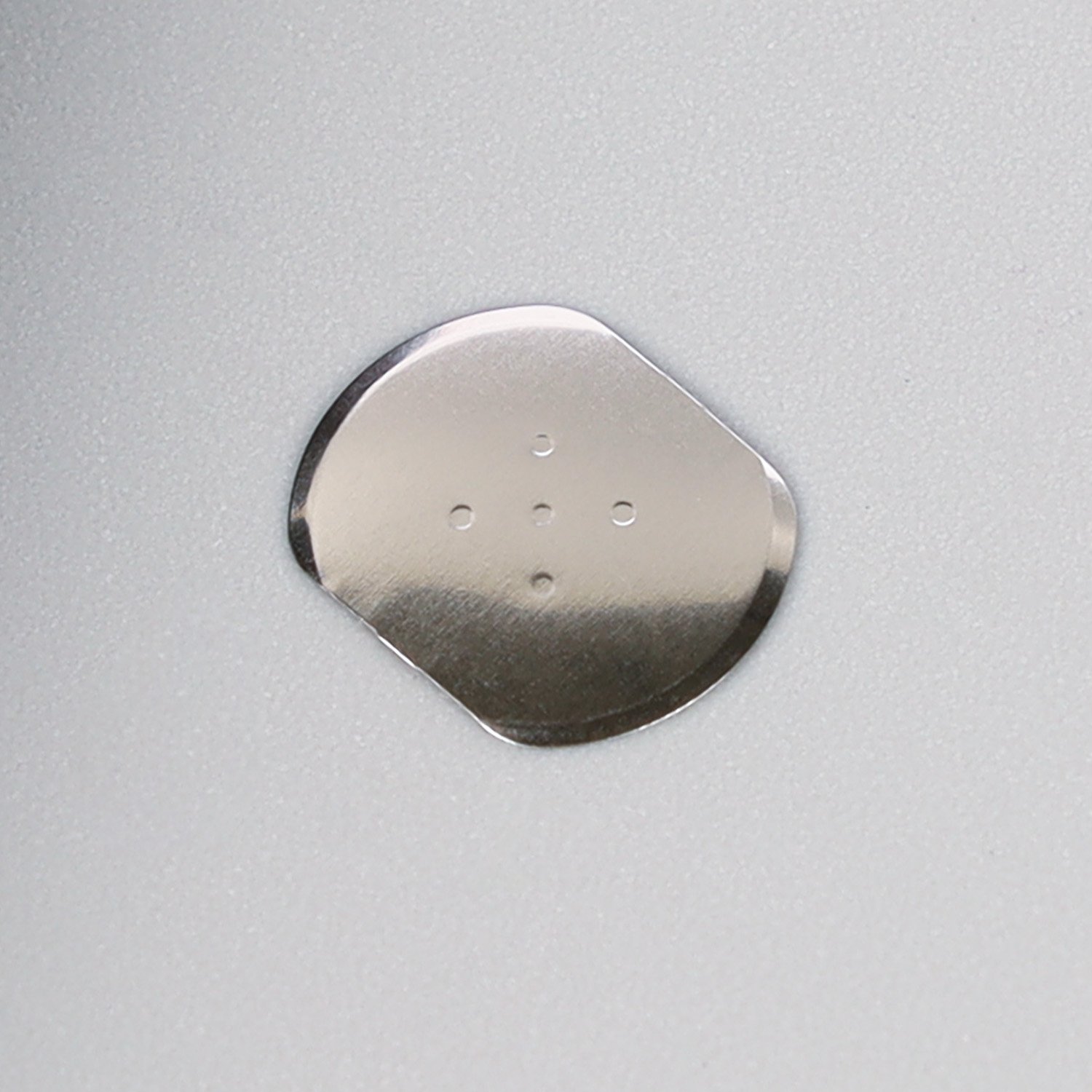
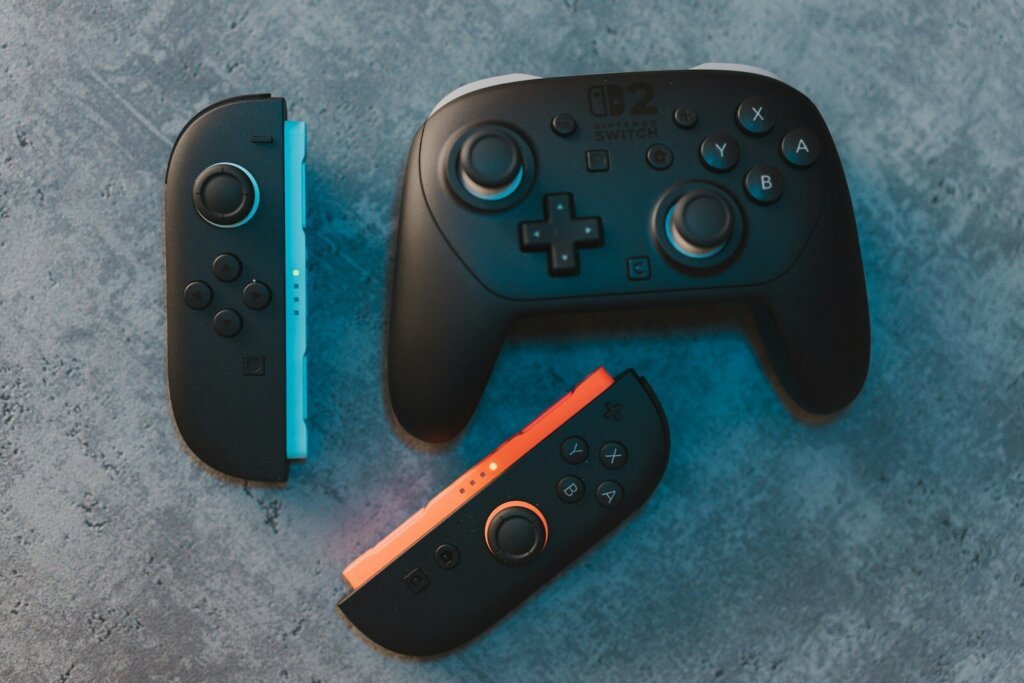
Gaming controllers live or die on how a button feels the moment you press it. Players train for faster reflexes, but the hardware under their thumbs decides whether each input lands on time. A small stainless-steel snap element, the cúpula metálica, sits inside face buttons, d-pads, and triggers. The actuation force tolerance of that dome, the allowed variation in press resistance, decides whether every controller in a batch feels identical. When it is wrong, presses feel slow or tiring, and the player blames their own hands.
Actuation force does not change your nervous-system reaction time, which stays near 190 milliseconds for a simple visual cue. What it changes is how reliably and quickly the controller registers each press and lets you press again, so the delay you feel comes from force, travel, and snap ratio rather than from the dome’s raw speed. A metal dome switch closes in under five milliseconds, so the component is never the bottleneck.
The sections below break down where force helps, where it hurts, and how to pick the right value for each button.
What does actuation force mean for a metal dome
Actuation force is the pressure, measured in grams, needed to collapse a metal dome and close the circuit, and it sets the resistance your finger works against on every press.
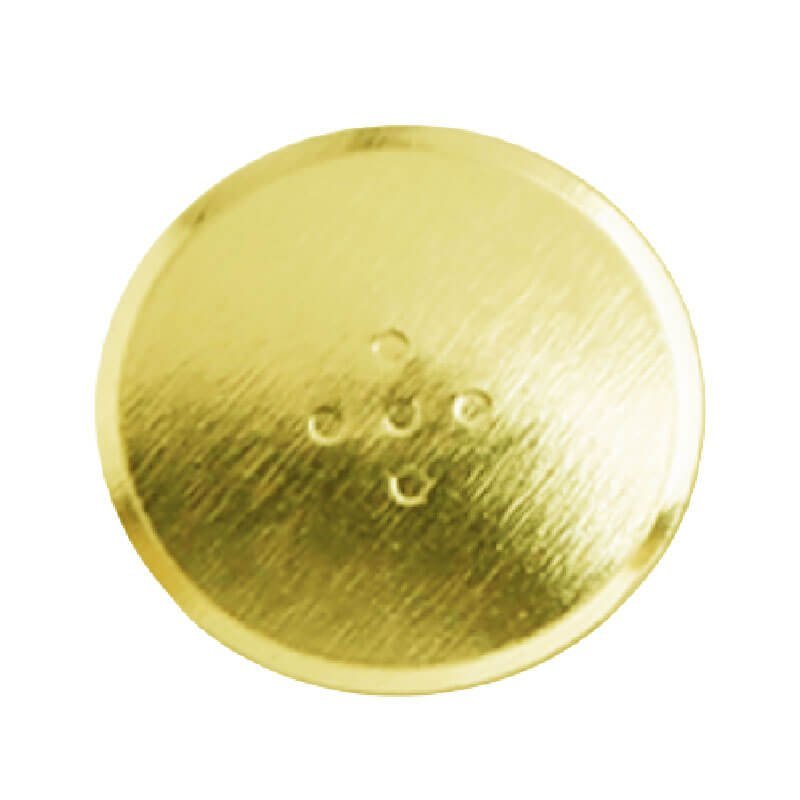
A metal dome is a curved stainless-steel cap, usually SUS301, that sits over two PCB contacts. Press it and it snaps flat, bridging the gap; release it and it springs back. Peak force before collapse typically runs from about 150 to 600 grams by size and shape, with a practical sweet spot near 160 to 200 grams for handheld gear. Return force then sets the click ratio, which is what your thumb reads as crisp or soft.
How a metal dome registers a press
When the dome collapses, it forms a direct metal-to-metal connection, keeping contact resistance low and stable across millions of cycles. The switch response is under five milliseconds, far quicker than any reflex, so the dome is rarely the cause of input lag. The real limits are in perception and in how confidently you can repeat a press.
Why reaction time is more than human reflexes
Human reaction time dominates the total delay, but the dome shapes the part you control: whether the press registers cleanly, repeats fast, and avoids the small mistakes that cost extra milliseconds.
Laboratory studies of simple visual reaction time cluster around 190 milliseconds for a light stimulus, while large web datasets read closer to 273 milliseconds once display and input lag are included. Trained esports players often land between 150 and 180 milliseconds. These figures come from controlled reaction-time research, which separated the human response from the test device’s hardware delay.
Where the switch actually adds or saves time
The real savings show up in repetition and confidence. A clear snap tells your brain the input landed, so you do not pause to wonder. A soft or inconsistent press invites a second tap just in case, which can register as a double input. Over a long match, finger fatigue from heavy force slows your repeat rate more than any single actuation event.
How actuation force changes press and repeat speed
Lighter force lets you tap faster and longer without fatigue, while heavier force slows your repeat rate and tires your fingers; either extreme hurts consistency.
Light force vs. heavy force
Around 100 to 160 grams feels feather-light and suits buttons that hit constantly. Drop too far below 100 grams and you risk accidental actuation from a brush or grip shift. Above 300 grams on a handheld, the finger works hard on every press, building fatigue and slowing repeats. The middle, roughly 160 to 220 grams, balances speed with the resistance that prevents misfires.
The role of click ratio and snap
Force and click ratio are separate dials. A dome can have high force but a low click ratio, which feels heavy and dead. A higher click ratio, generally 50 percent or above, gives a sharp snap that confirms the press without you looking. This matters in gaming, where your eyes are on the screen and your thumbs work by feel. The same principle applies to any metal dome instrument, from a handheld controller to a bench fixture, because the feedback is what lets you act and move on.
Travel distance and fast repeat taps
Travel is how far the dome moves before it collapses, usually 0.13 to 0.22 millimeters. Shorter travel returns the dome to ready faster, so you can repeat a tap sooner; longer travel feels more pronounced but costs time on every repeat. For rapid d-pad rolls, short travel with a clear snap keeps the repeat rate high.
Choosing the right force for d-pads, face buttons, and triggers
Match force to how often and how deliberately each button is used: keep frequent face buttons and d-pads light, and reserve higher force for inputs you want to protect from accidental presses.
Different buttons need different force
| Button type | Suggested force | Why |
| Face buttons | 160 to 200 g | Hit constantly; need speed and low fatigue |
| D-pad | 160 to 220 g | Fast rolls; wants a clear snap |
| Shoulder and triggers | 180 to 250 g | Held and tapped; mid-resistance |
| Rare or deliberate functions | 250 g and up | Prevents accidental activation |
The table is a starting point; the final choice comes from testing with real hands, because feel shifts with button shape, travel, and the surrounding shell.
Avoiding mushy feel and double-input errors
A mushy game controller button is usually a symptom of a low click ratio or a force set without testing, not a broken part. Raising the click ratio and tuning the force to the sweet spot gives a defined actuation point, so the player knows the input landed and stops pressing. That removes most double-input errors and the hesitation after them, which is where reaction time actually improves.
Testing and tolerances that keep force consistent
A tight tolerance keeps every dome in a batch feeling the same, because a swing of even 15 grams changes how the press feels in your hand.
How force is measured
Force is measured on a force-displacement curve tester that records peak force as the dome collapses and return force as it rebounds. The click ratio is derived from those two points. Reliable production checks every batch so the spread stays within a tight band, often around plus or minus 15 grams. Without that control, some units feel crisp and others feel soft, and no player training fixes a batch that was never consistent.
PREGUNTAS FRECUENTES
Does a lower actuation force make you a faster gamer?
It does not cut your biological reaction time, which is set by your nervous system. It does help in the ways that matter in a match: lighter force reduces finger fatigue, speeds up repeat taps, and makes long sessions easier to sustain. Pick force for comfort and consistency first, not for a number that implies superhuman speed.
What actuation force do gaming controllers typically use?
Most frequent buttons land in the 160 to 220 gram range, with a lighter touch around 100 to 160 grams for buttons tapped constantly and higher force above 250 grams reserved for deliberate functions you want to protect from misfires. The exact value depends on button size, travel, and how the shell is shaped around it.
Do metal domes reduce input lag compared with rubber domes?
Metal domes give a direct, fast mechanical snap with low and stable contact resistance, so the switch event itself is quick and consistent. The bigger practical gain is the crisper, more confident actuation, which removes the doubt and double-taps that add perceived delay. The raw speed gap is small; the feel gap is what players notice.