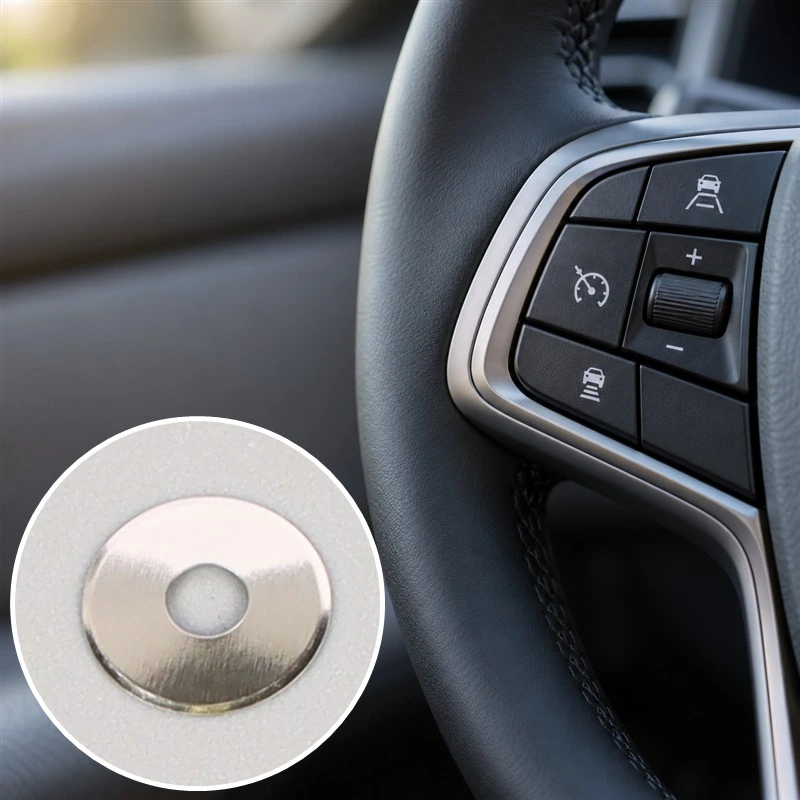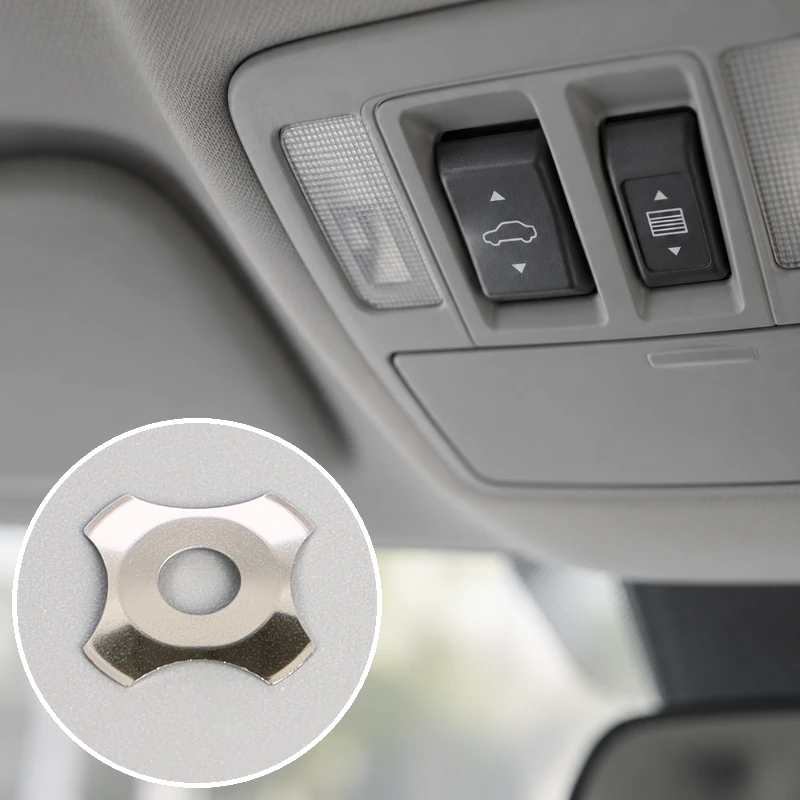
That’s the question everyone wants answered. How many times can you press a hoja de cúpula before it stops working? Fifty thousand? A million? The honest answer? It depends.
From what’s been seen in actual testing—not just spec sheets—some dome sheets fail way earlier than expected. Others outlast the product they’re installed in. The difference comes down to materials, stroke depth, and maybe a little luck. But life testing isn’t as complicated as it sounds. It’s mostly pressing the same thing over and over until something breaks. Then doing it again.
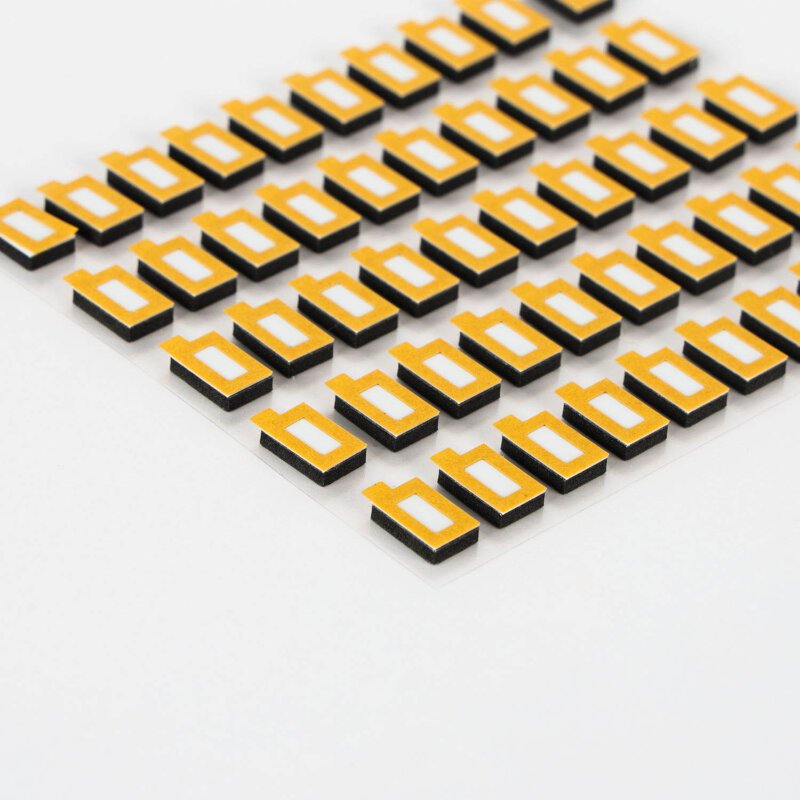
What Dome Sheet Life Testing Actually Measures
People think life testing is just counting presses. It’s not. A dome sheet can still click after a million presses but feel completely wrong. Mushy. Inconsistent. Sometimes it clicks on the way down but not on the way back up. That’s still a failure, even if the electrical signal goes through.
Tactile Ratio – The Hidden Number
Tactile ratio is the snap feeling. A fresh dome sheet usually has a ratio around 40% to 60% (meaning the force drops by that much after the snap). After enough cycles, that ratio drops. At 30% or below, the switch feels terrible. Most life tests stop there, not when the dome physically cracks.
Contact Resistance Creep
Another thing tested is contact resistance. A new dome sheet might measure under 10 ohms. After hundreds of thousands of presses, oxidation or wear pushes that number up. Once it crosses 100 ohms (or whatever the product spec demands), the test stops. Even if the dome sheet still clicks.
Typical Life Expectancy by Dome Sheet Type
| Dome Sheet Type | Typical Life (presses) | Failure Mode Most Common |
|---|---|---|
| Polyester (PET) with carbon pill | 500,000 – 1,000,000 | Contact resistance creep |
| Stainless steel dome (uncoated) | 1,000,000 – 5,000,000 | Loss of tactile feel |
| Stainless steel with nickel plating | 3,000,000 – 10,000,000 | Dome cracking (rare) |
| Copper alloy dome | 200,000 – 500,000 | Corrosion or oxidation |
Factors That Kill a Dome Sheet Early
A dome sheet might be rated for a million presses. But real-world conditions cut that number in half—or worse. Here are the usual suspects.
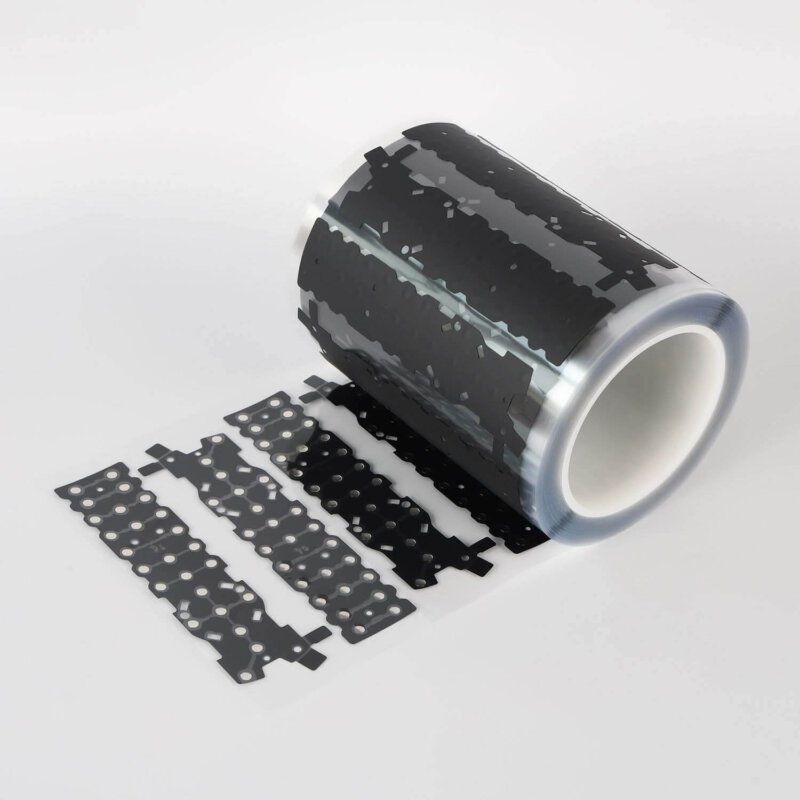
Over-Stroke (Pressing Too Deep)
This is the biggest killer. A dome sheet is designed to snap at a certain height, usually 0.3mm to 0.6mm of travel. Pushing past that (say, 0.8mm or 1.0mm) puts stress on the metal or polymer. Repeat that a few thousand times, and the dome sheet develops micro-cracks. Or just loses its spring.
Unordered list of over-stroke causes:
Thick actuator buttons with no travel limit
Worn rubber keypads that sink deeper over time
Assembly gaps that are incorrectly calculated
Users slamming the button out of frustration (happens more than you’d think)
Contamination and Debris
A speck of dust under the dome sheet doesn’t sound like a big deal. But every press grinds that speck into the contact surface. Over tens of thousands of cycles, that’s enough to wear through a carbon pill or scratch a metal dome’s contact area. The result? Intermittent failure. Works sometimes, not others. Annoying to diagnose.
Environmental Stress (Heat and Humidity)
Heat softens some dome sheet materials. Humidity corrodes others. A dome sheet that lasts a million cycles at room temperature might die at 200,000 cycles in 85°C with 85% humidity. That’s why automotive and medical devices have such strict testing requirements—they’ve seen the failures.
How to Get the Most Out of a Dome Sheet
Ordered list for maximizing life (based on what actually works):
Design for the correct stroke depth. Add a mechanical stop so the dome sheet never gets over-pressed.
Keep contamination out. Sealed assemblies or membrane overlays make a huge difference.
Match the dome sheet material to the environment. Nickel-plated steel for humidity. Polyester for quiet operation.
Test early with prototypes. Simulation doesn’t catch everything. Pressing a real button ten thousand times does.
A dome sheet that’s treated well usually fails by gradual tactile loss, not sudden death. That’s actually better for the user—they get warning signs instead of a hard stop. If you want to know more about dome sheet, please read ¿Qué es una cúpula?.
PREGUNTAS FRECUENTES
What’s considered a passing score in dome sheet life testing?
There’s no universal number. Consumer electronics often accept 100,000 to 500,000 presses. Industrial or medical devices require 1 million or more. Passing also requires that tactile ratio stays above 30% and contact resistance stays under 100 ohms. If either fails, the test stops.
Can a dome sheet last longer than its rated life?
Sometimes. Clean environments, light actuation force, and perfect stroke control can push a dome sheet past its rating. Seen it happen on lab test fixtures that ran for weeks longer than expected. But that’s not a guarantee. Rated life is usually a conservative number based on worst-case conditions.
Why do some dome sheet tests use faster pressing speeds?
Speed changes the failure mode. Pressing once per second gives the dome sheet time to recover. Pressing ten times per second generates more heat and faster wear. Some standards require high-speed testing to simulate angry or impatient users. It’s not realistic for every product, but for gaming controllers or emergency buttons? Absolutely.