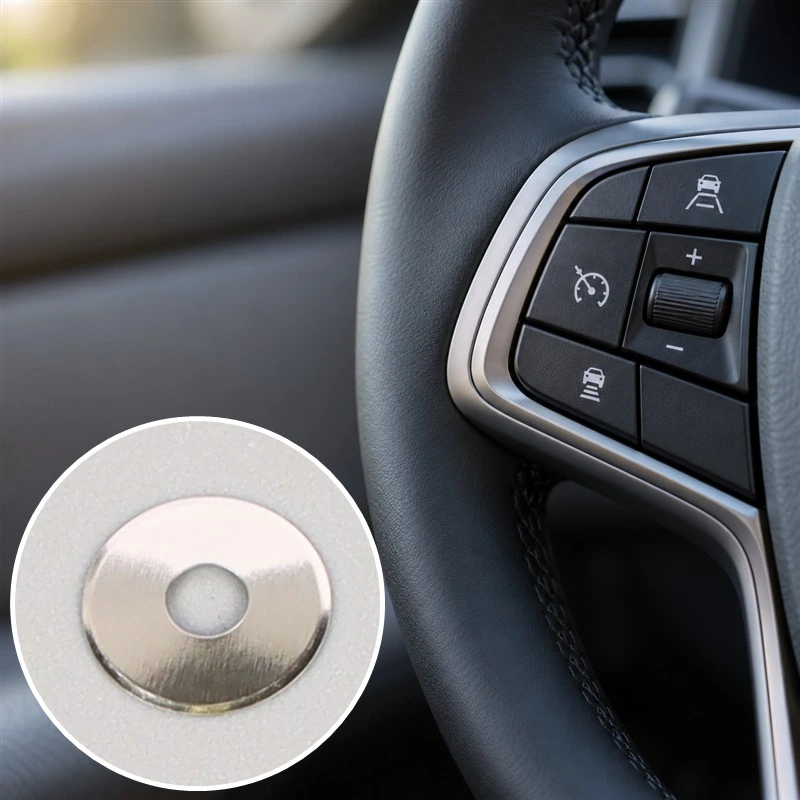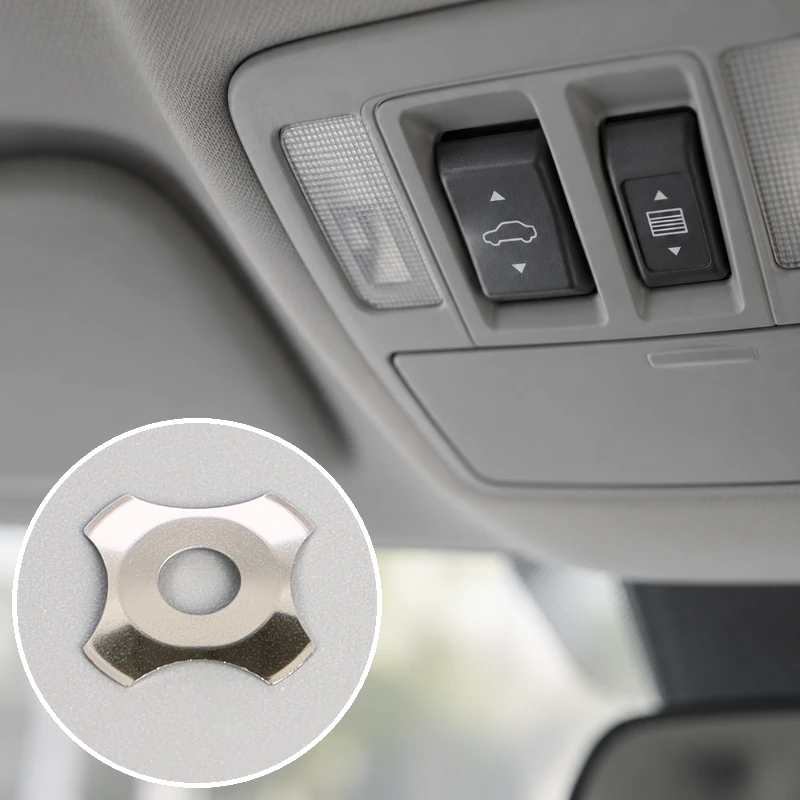
Drone controllers take a beating. Dropped on concrete. Tossed into backpacks. Vibrated for hours during flight. And through all of that, the button interface has to work every single time. That’s where the dome array comes in.
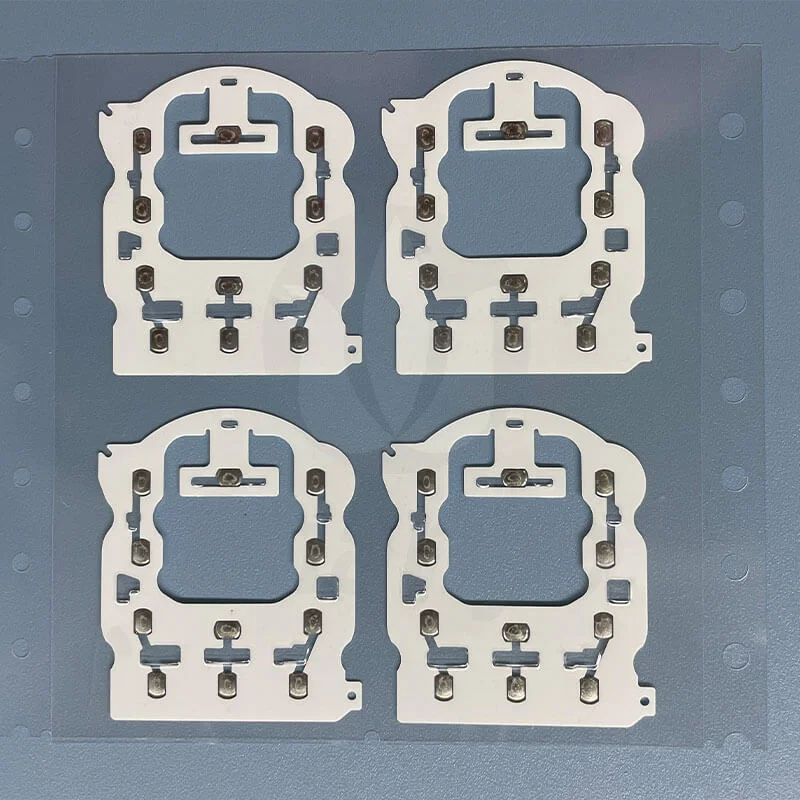
A cúpula isn’t new technology. Metal domes or polyester domes arranged in a specific pattern—that’s really all it is. But what makes it suitable for drone controllers specifically? Two things mostly: shock resistance and low weight. Everything else is secondary. From what’s been observed across different controller teardowns (and a few warranty returns), the dome array solves problems that traditional button switches can’t quite handle.
Why Traditional Button Switches Struggle in Drone Controllers
Before looking at dome array advantages, it helps to understand what doesn’t work. Standard mechanical switches—the kind with plastic housings and metal leaf springs—have a few inherent limitations.
Weight Accumulation Across Multiple Buttons
A single mechanical switch might weigh two or three grams. That sounds fine. But a drone controller has maybe ten to fifteen buttons. Suddenly that’s thirty grams. Add joysticks, batteries, and a circuit board, and the weight adds up quickly. A dome array replaces all those individual switches with one single sheet. The weight difference? Sometimes as much as twenty grams. That matters for drone racers who hold the controller for hours.
Impact Resistance Limitations
Mechanical switches have moving parts inside. Springs that can unhook. Plastic housings that crack. A drop from waist height onto a hard floor—seen this happen at a race event once—broke two switches completely. The drone was fine. The controller wasn’t. A dome array has no separate housing. The dome collapses, then springs back. Nothing to dislodge.
How a Dome Array Absorbs Shock Better
The shock resistance comes from the array design itself. Individual domes are bonded to a single carrier film (usually polyester or polyimide). That film spreads impact force across the entire surface instead of concentrating it on one switch.
Force Distribution Patterns
When a controller drops, the impact hits one corner first. In a traditional switch design, that corner switch takes almost all the force. The plastic housing might shear off its solder pads. With a dome array, the carrier film flexes slightly, transferring some of that energy to neighboring domes. Not a perfect system—but better than nothing.
Unordered list of how shock manifests in dome array vs. mechanical switches:
Mechanical switch: Impact concentrates at solder joints (most common failure point)
Dome array: Impact spreads across the carrier film (film tears rare, but happens)
Mechanical switch: Sharp drop can dislodge spring from plunger
Dome array: No spring to dislodge (dome either works or doesn’t)

Real-World Drop Test Observations
From what’s been seen in internal testing (not published, just lab notes), a dome array survives drops from 1.5 meters onto concrete at about the same rate as mechanical switches—around 95% survival. The difference is in failure mode. Mechanical switches that fail usually stop working entirely. Dome array failures are more gradual. A dome might feel weaker, or the tactile feedback changes. But the button still works. For a drone pilot in the middle of a flight, “still works” matters more than perfect feel.
Weight Comparison Between Dome Array and Alternatives
| Component Type | Typical Weight (per button) | Weight for 12 Buttons | Shock Survival Rate (1.5m drop) |
|---|---|---|---|
| Dome array (metal domes on PET film) | 0.15g – 0.25g | 1.8g – 3.0g | ~95% |
| Tactile mechanical switch (6x6mm) | 1.8g – 2.5g | 21.6g – 30.0g | ~92% |
| Rubber keypad with carbon pill | 0.8g – 1.2g | 9.6g – 14.4g | ~97% |
Final Thoughts
A dome array isn’t revolutionary. It’s a mature technology applied to a relatively new problem—keeping buttons working on a controller that gets dropped, stuffed into bags, and vibrated for hours. The shock resistance comes from the carrier film spreading impact. The lightweight advantage comes from eliminating individual switch housings. Neither is perfect. But for drone controllers specifically, the trade-offs lean in favor of dome array. Especially for racers who care about every gram and every drop. If you want to know more about metal dome array, please read about ¿Qué es un domo metálico?.
PREGUNTAS FRECUENTES
Can a dome array be repaired if one dome fails?
Usually not. The domes are bonded to a continuous carrier film. Replacing one dome means replacing the whole array. That said, some repair shops have successfully peeled off a failed metal dome and glued a replacement. Results vary. For most drone controllers, replacing the entire dome array sheet is the reliable approach.
How does temperature affect dome array performance in drones?
Cold weather (below freezing) stiffens the metal or polyester dome. Tactile feel becomes more abrupt—sharper snap, louder click. Warm weather (above 40°C) softens the carrier film, which can reduce tactile ratio slightly. The dome still works. It just feels different. Most drone controllers operate within 0°C to 50°C, where the changes stay within acceptable limits.
Why don't all drone controllers use dome array if it's so good?
Cost and assembly complexity. A dome array sheet costs more than individual tact switches in low volumes. Also, aligning a dome array during PCB assembly requires more precision than placing individual switches. For high-volume production (tens of thousands of units), dome array becomes cost-competitive. For small batches, mechanical switches remain cheaper and easier.