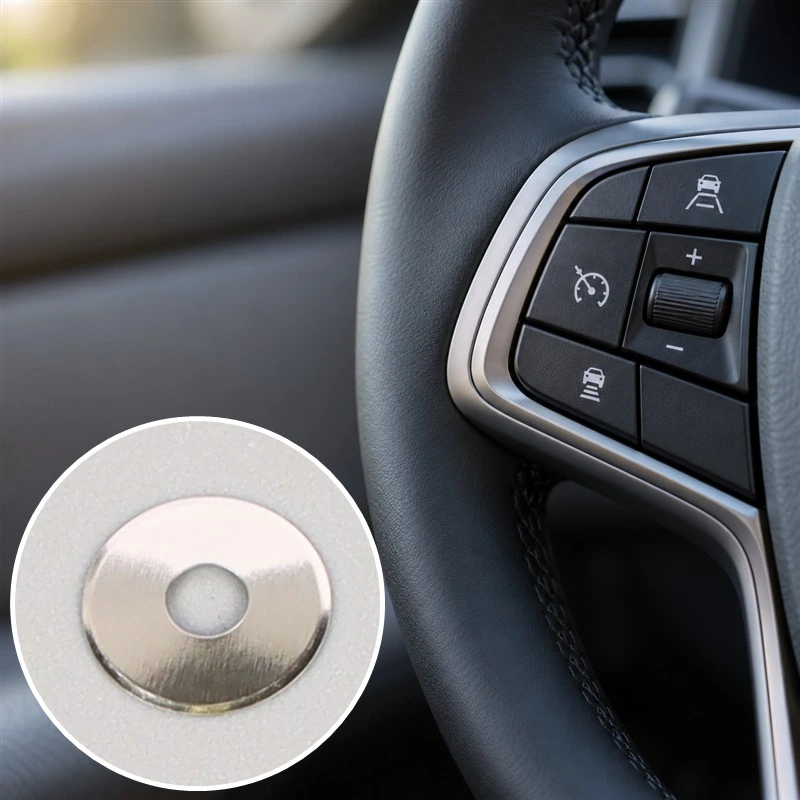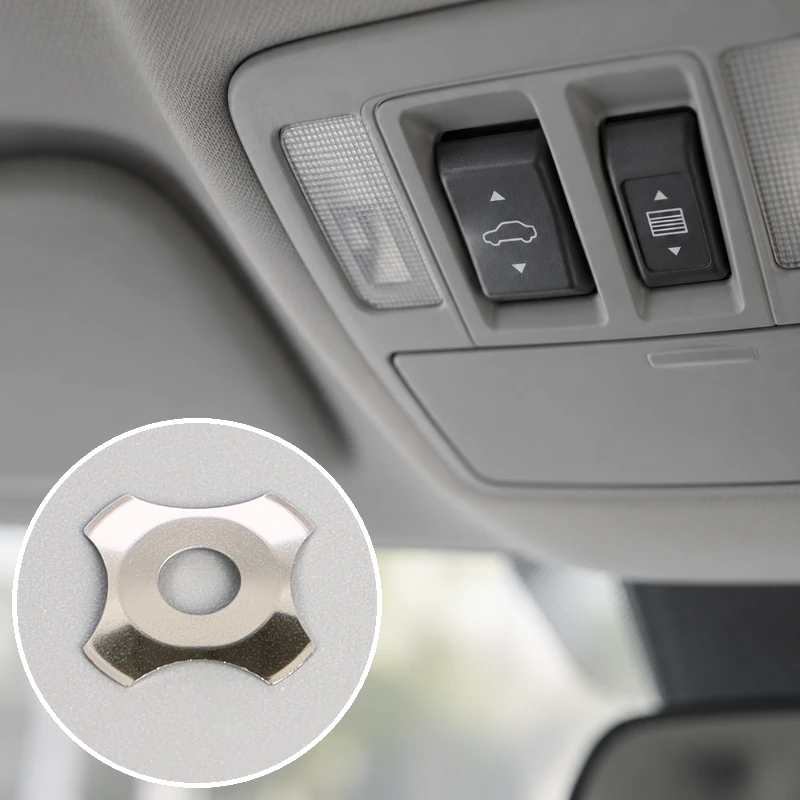
El diseño de los productos sanitarios deja poco margen para el error. Cada componente, por pequeño que sea, es responsable de la seguridad del paciente y del rendimiento del dispositivo. Cúpulas metálicas puede que no sea lo primero que venga a la mente de los ingenieros cuando piensan en componentes críticos, pero en la práctica aparecen en una sorprendente gama de aplicaciones vitales.
Por qué es importante la tecnología de cúpula metálica en aplicaciones médicas
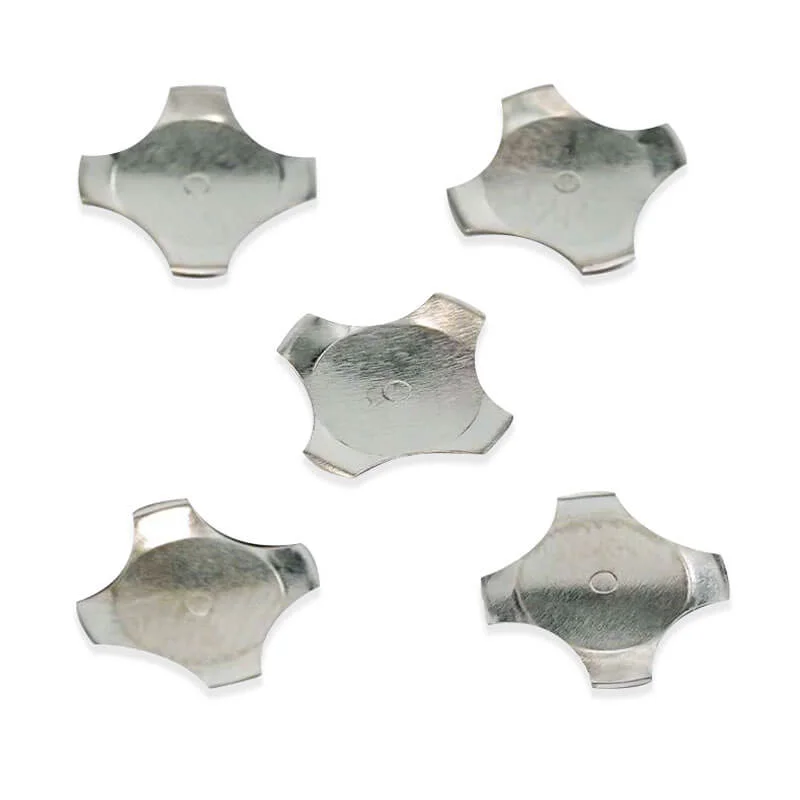
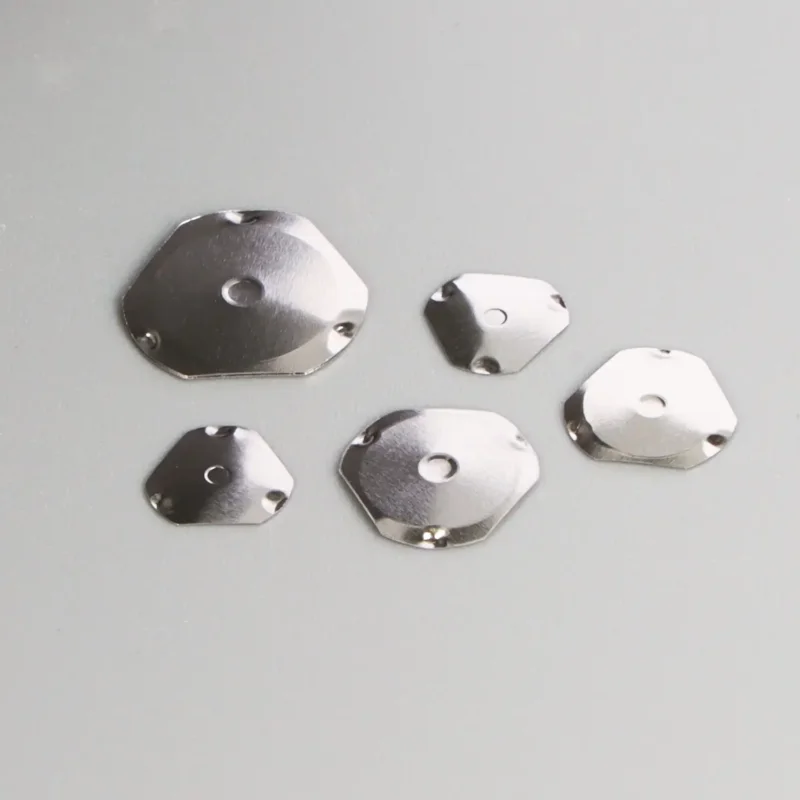
Una cúpula metálica es un pequeño componente de interruptor táctil preformado, normalmente de acero inoxidable, que proporciona una respuesta táctil nítida cuando se presiona y vuelve a encajarse de forma fiable tras el accionamiento. Es un concepto sencillo, pero su ejecución tiene una enorme importancia en contextos médicos.
Los productos sanitarios exigen constancia. Una cúpula que funciona bien en la primera prensa tiene que funcionar igual en la diez milésima. Ese tipo de repetibilidad no es fácil de conseguir, y es una de las razones por las que la calidad del material y la precisión de fabricación tienen tanto peso en este sector.
También está la cuestión de la higiene. Los entornos médicos exponen los componentes a agentes de limpieza, ciclos de esterilización y humedad, condiciones que degradarían rápidamente materiales de menor calidad. Las cúpulas de acero inoxidable, sobre todo las que tienen tratamientos superficiales adecuados, resisten bien estas condiciones.
Aplicaciones comunes de los interruptores de domo metálico en dispositivos médicos
La gama de dispositivos que se basan en mecanismos de entrada de cúpula metálica es más amplia de lo que la mayoría de la gente espera. Algunos ejemplos dignos de mención:
Bombas de infusión y sistemas de administración de fármacos
Equipos de monitorización de pacientes
Dispositivos portátiles de diagnóstico
Instrumental quirúrgico con controles electrónicos
Audífonos y tecnología médica portátil
Medidores de glucosa y dispositivos de análisis portátiles
Lo que comparten estas aplicaciones es la necesidad de soluciones de entrada compactas, sensibles y duraderas. Los domos metálicos se ajustan bien a este perfil: ocupan un espacio mínimo, no necesitan alimentación externa para accionarse y se integran perfectamente en el diseño de las placas de circuito impreso.
Consideraciones clave a la hora de elegir cúpulas metálicas para uso médico
Fuerza de accionamiento y distancia de recorrido
Acertar con la fuerza de accionamiento es más complicado de lo que parece. Si es demasiado ligera, la activación accidental se convierte en un problema real, sobre todo en dispositivos portátiles utilizados en entornos clínicos de gran tensión. Si es demasiado fuerte, el uso repetido provoca fatiga en el operador o dificulta el uso del dispositivo en pacientes con destreza limitada.
La mayoría de las aplicaciones médicas se sitúan entre los 100 g y los 400 g de fuerza de accionamiento, aunque esto varía considerablemente en función del tipo de dispositivo y del usuario previsto.
La distancia de recorrido (la distancia que la cúpula se hunde antes de registrar un clic) también afecta a la calidad percibida. Un recorrido más corto tiende a ser más preciso, mientras que un recorrido más largo puede resultar más indulgente. Ninguno de los dos es universalmente mejor, depende de la aplicación.
Material y acabado superficial
El acero inoxidable sigue siendo el material dominante para los componentes de cúpula metálica en dispositivos médicos, y por buenas razones. Resiste la corrosión, tolera los procesos de esterilización y mantiene unas propiedades mecánicas constantes en un amplio rango de temperaturas.
Dicho esto, no todos los aceros inoxidables son equivalentes. La selección del grado, el grosor y el tratamiento térmico influyen en el rendimiento de los domos. Algunos fabricantes ofrecen variantes chapadas en oro o níquel para aplicaciones en las que la resistencia de contacto debe ser extremadamente baja.
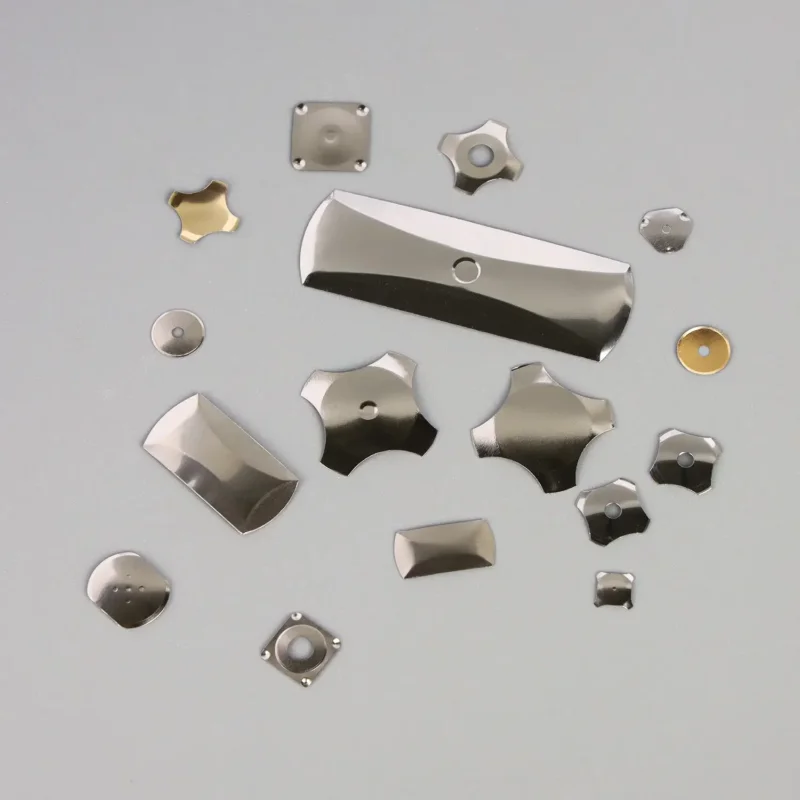
Geometría y configuración de la cúpula
| Tipo cúpula | Forma | Caso típico | Siéntase |
|---|---|---|---|
Cúpula metálica de cuatro patas | Patas en cruz/estrella | Aplicaciones estándar de PCB | Clic nítido y definido |
Contacto de tres puntos | Diseños con limitaciones de espacio | Firme, preciso | |
Cúpula metálica redonda | Contacto perimetral total | Aplicaciones de ciclo alto | Suave, consistente |
Cúpula metálica oblonga | Oval alargado | Diseños de botones alargados | Accionamiento uniforme |
Expectativas normativas y de calidad
Los fabricantes de productos sanitarios se rigen por estrictos marcos normativos: la FDA en EE.UU., la marca CE en Europa y diversas normas nacionales en otros países. Componentes como los interruptores de domo metálico deben cumplir requisitos de trazabilidad y documentación, no solo de rendimiento.
Esto significa trabajar con proveedores que puedan suministrar:
Certificaciones de materiales y documentación de conformidad con RoHS
Datos de las pruebas del ciclo de vida (normalmente más de 1 millón de ciclos de accionamiento para uso médico)
Informes de inspección dimensional
Registros de trazabilidad de lotes
Escatimar en la documentación de los proveedores puede ahorrar tiempo al principio, pero crea graves problemas durante las auditorías de certificación de los dispositivos.
Consejos de integración que a menudo se pasan por alto
Algunos puntos prácticos que los ingenieros experimentados suelen aprender por las malas:
La colocación de la cúpula con respecto a las trazas de la placa de circuito impreso afecta a la fiabilidad del contacto: los pequeños desajustes se agravan con el tiempo.
La calidad del soporte adhesivo de las cúpulas es tan importante como la propia cúpula; un adhesivo de mala calidad provoca la migración de la cúpula durante el montaje.
Las pruebas deben simular las condiciones del mundo real, incluidos los ciclos de temperatura y la exposición a agentes de limpieza, y no sólo el accionamiento mecánico de los recuentos.
PREGUNTAS FRECUENTES
¿Son compatibles los interruptores de domo metálico con los diseños de placas de circuito impreso flexibles utilizados en dispositivos médicos portátiles?
Los conjuntos de domo de perfil fino con soporte flexible están diseñados específicamente para la integración de placas de circuito impreso flexibles y soportan la flexión repetida sin delaminación.
¿Cuántos ciclos de accionamiento debe soportar una cúpula metálica clasificada para uso médico?
Las cúpulas de grado médico suelen tener clasificaciones de 1 millón de ciclos o más. Compruebe siempre los datos del ciclo de vida con el proveedor antes de finalizar la selección de componentes.
¿Pueden esterilizarse los componentes metálicos de la cúpula junto con el dispositivo?
Depende del método de esterilización. Las cúpulas de acero inoxidable suelen tolerar bien la esterilización química y UV, pero los ciclos de autoclave a alta temperatura pueden afectar a los materiales de soporte adhesivos.