Sport wearables, things like fitness trackers and smartwatches built for workouts, rely a lot on small but crucial components. One of those components, often overlooked but super important, is interruptores de cúpula metálicos. These tiny switches handle every press, every command—from pausing a workout to checking heart rate. Pick the wrong one, and the whole wearable can feel clunky, unresponsive, or just plain unreliable. It’s not rocket science, but there are a few key things to keep in mind, stuff you might miss if you’re not paying close attention.
Key Factors to Consider When Choosing Metal Dome Switches for Sport Wearables
Sport wearables aren’t like regular electronics. They get tossed around, sweaty, sometimes even dropped. Metal dome switches for these devices need to keep up—no ifs, ands, or buts. Here’s what matters most, from what I’ve seen in the industry over the years.
1. Durability and Resistance to Harsh Conditions
Sport wearables live in tough environments. Sweat, moisture, maybe even a splash of water or dirt from a trail run. Metal dome switches have to hold up against all that. Most are made of stainless steel, which is good—stainless steel resists rust and corrosion better than other metals. But not all stainless steel is the same, if that makes sense. Some grades are thinner, more prone to bending or wearing out after repeated presses.
Another thing: the switch’s ability to handle repeated use. A fitness tracker might be pressed dozens of times a day, every day. Metal dome switches should have a long lifespan—usually millions of presses—without losing their tactile feel. If a switch starts to feel “mushy” after a few months, it’s not going to cut it for a sport wearable.
2. Tactile Feedback and Actuation Force
Tactile feedback is that little “click” you feel when you press a button. Metal dome switches in sport wearables is important because users often operate them with sweaty fingers or while moving. You don’t want someone pressing a button and not knowing if it registered—frustrating, right? Metal dome switches offer crisp tactile feedback, but the strength of that feedback matters.
Actuation force, the amount of pressure needed to press the switch, is another piece of the puzzle. Too much force, and it’s hard to press mid-workout. Too little, and you might get accidental presses when the wearable rubs against clothing. Most sport wearables work best with metal dome switches that have a light to medium actuation force—something that’s easy to press but not so easy it triggers by mistake.
3. Size and Fit for Compact Designs
Sport wearables are tiny, super compact. There’s no room for bulky components. Metal dome switches are great because they’re thin—really thin—but you still have to make sure they fit the device’s design. The size of the switch, its height especially, can affect how the wearable feels on the wrist or body. A switch that’s too tall might make the wearable uncomfortable to wear during long workouts.
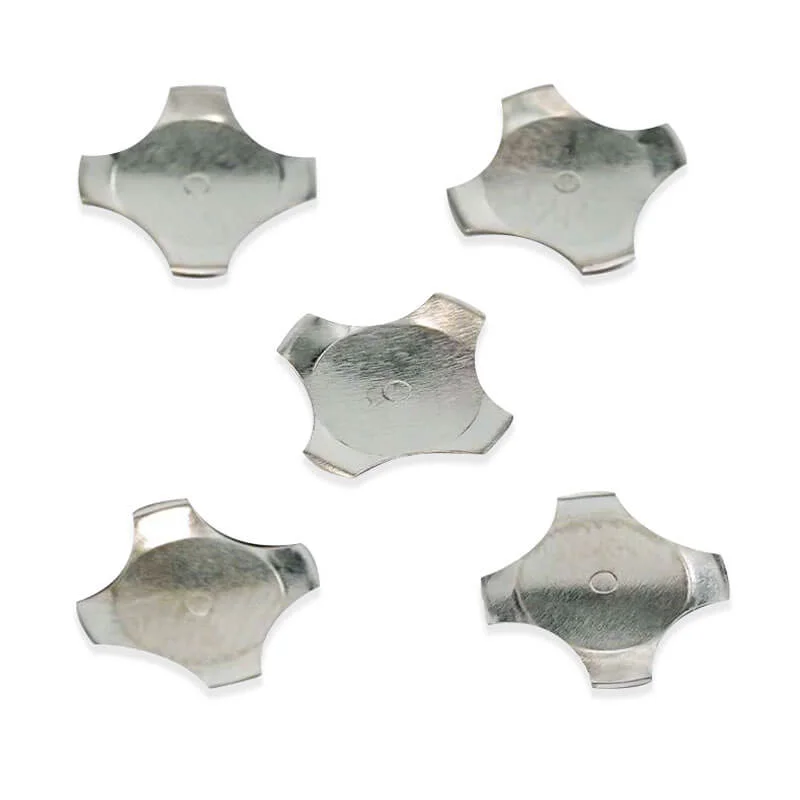
Also, the shape of the metal dome switch matters. Round domes are common, but four-leg or triangle domes might fit better in some designs. It’s all about matching the switch to the wearable’s button layout and internal space—no one size fits all here.
Common Types of Metal Dome Switches for Sport Wearables
Not all metal dome switches are the same. Some are better suited for sport wearables than others. Here’s a quick breakdown of the most common types, along with their pros and cons for this specific use case.
|
Type of Metal Dome Switch
|
Key Features
|
Best for Sport Wearables?
|
|---|---|---|
|
Round Dome Switches
|
Crisp tactile feedback, medium actuation force, durable
|
Yes—versatile, fits most compact designs
|
|
Four-Leg Dome Switches
|
Stable, easy to mount, consistent performance
|
Yes—ideal for devices with frequent button presses
|
|
Triangle Dome Switches
|
Low actuation force, fast response
|
Maybe—good for soft-touch needs, but less durable
|
|
Oblong Dome Switches
|
Longer shape, suited for bar-shaped buttons
|
Rare—only for specific wearable designs
|
Step-by-Step Checklist for Selecting Metal Dome Switches
To make sure you don’t miss anything, here’s a simple checklist to follow when picking metal dome switches for your sport wearable. It’s straightforward, nothing too complicated, but it covers the basics.
- Define the wearable’s use case: Is it for high-intensity workouts (more sweat, more impact) or casual use? This determines how durable the switch needs to be.
- Check the switch’s material: Opt for stainless steel to resist corrosion from sweat and moisture.
- Test tactile feedback and actuation force: Make sure it’s easy to press but not prone to accidental triggers.
- Verify size and fit: Ensure the switch fits the wearable’s compact design without adding bulk.
- Check the switch’s lifespan: Aim for at least 500,000 presses—more if the wearable is for daily heavy use.
PREGUNTAS FRECUENTES
Can metal dome switches be used in waterproof sport wearables?
Yes, but you need to pair them with proper sealing. Metal dome switches themselves are often water-resistant, but to make the entire wearable waterproof (like IP68 rating), you’ll need to use adhesive sheets or sealing gaskets to prevent moisture from seeping into the switch and internal components. It’s doable, just an extra step.
How do I prevent metal dome switches from failing due to sweat?
Sweat is a big issue for sport wearables—salty and corrosive. The best way is to choose metal dome switches made of high-grade stainless steel or nickel-plated steel, which resist corrosion. Also, using adhesive overlays that repel sweat can help protect the switches from direct contact with moisture.
Are custom metal dome switches necessary for sport wearables?
Not always, but they’re often helpful. Many sport wearables have unique button sizes or layouts, so custom metal dome switches can be tailored to fit perfectly. They can also be adjusted for actuation force and tactile feedback, making the wearable more user-friendly. Standard switches work for simple designs, but custom ones are better for standout products.