Hay algo extrañamente satisfactorio en un teclado que realmente empuja hacia atrás. Ese pequeño clic, esa sutil resistencia bajo la yema del dedo... importa más de lo que la mayoría de la gente cree. Durante años, el mundo de los teclados ha estado dominado por conversaciones sobre clones de Cherry MX y diversos colores de interruptores mecánicos. Pero en silencio, entre bastidores, muchos fabricantes han estado experimentando con (y a veces prefiriendo) interruptores de cúpula metálicos por sus diseños táctiles. Al principio suena un poco contradictorio. ¿No son las cúpulas metálicas las cosas baratas que hay dentro de los viejos mandos a distancia? Pues no exactamente. La tecnología ha avanzado mucho, y para entender por qué los interruptores de cúpula metálica táctiles están apareciendo en los teclados mecánicos de gama alta hay que echar un vistazo más de cerca a la ingeniería que hay debajo de las teclas.
¿Qué son exactamente los interruptores de domo metálicos?
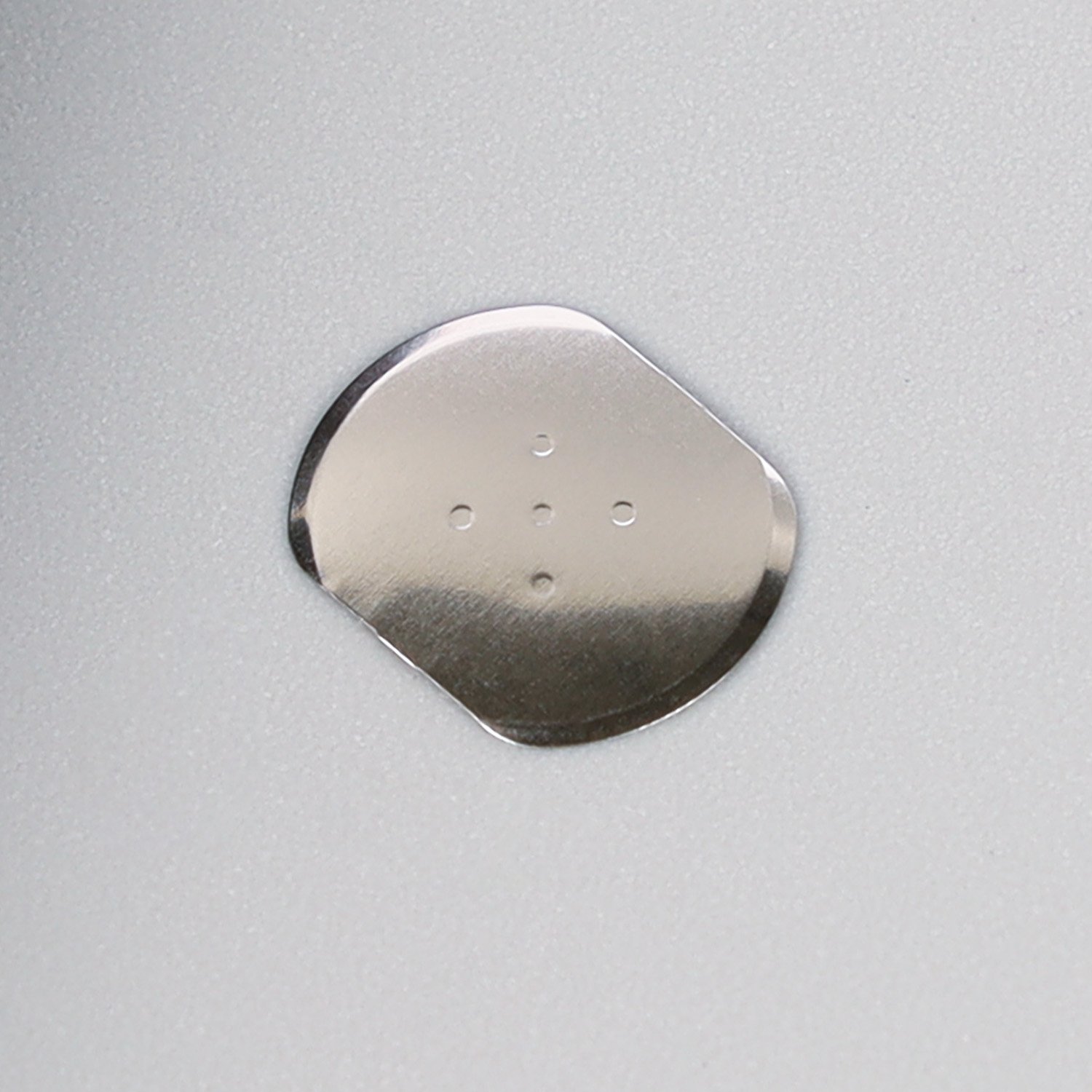
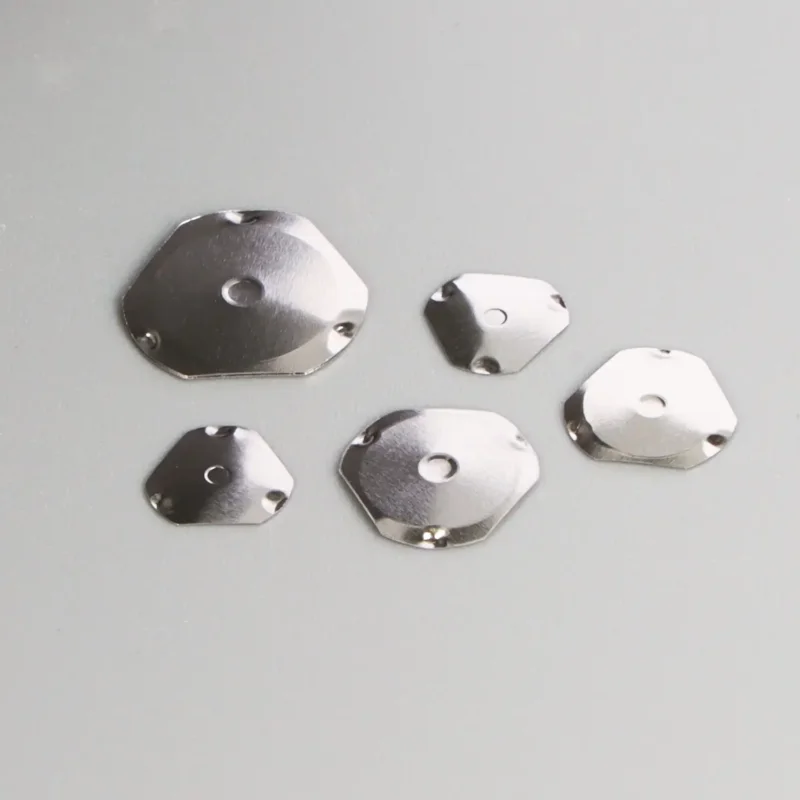
Antes de entrar en la cuestión de las preferencias, conviene entender la mecánica básica. Los interruptores de cúpula metálica son mecanismos de accionamiento que utilizan una pequeña pieza curvada de acero inoxidable (a veces bronce fosforoso) situada debajo de cada tecla. Cuando se pulsa la tecla, la cúpula se hunde, entra en contacto con un circuito situado debajo y registra la pulsación. Luego vuelve a levantarse. Es muy sencillo.
La parte “táctil” proviene de ese chasquido. A diferencia de las cúpulas de goma blandas que se aplastan y ofrecen muy poca respuesta, una cúpula metálica bien diseñada proporciona un punto de clic claro. Hay un momento claro de accionamiento que el dedo puede sentir. Este golpe táctil es lo que diferencia una experiencia de tecleo satisfactoria de otra frustrante e incierta.
La diferencia entre las cúpulas metálicas baratas y las premium
Pero no todos los interruptores de domo metálico son iguales. Los del mando a distancia de un televisor de cinco dólares se fabrican con tolerancias muy diferentes a los diseñados para dispositivos de entrada de gama alta. Las variantes de gama alta utilizan acero inoxidable más grueso, especificaciones de curvatura más estrictas y a menudo incorporan puntos de contacto chapados en oro para reducir la oxidación con el paso del tiempo. El resultado es una cúpula que se mantiene constante tras millones de pulsaciones.
Por qué los teclados mecánicos recurren a los interruptores de cúpula metálica
Entonces, ¿por qué un teclado mecánico, que tradicionalmente se asocia con complejas carcasas de interruptores individuales, se molesta en utilizar la tecnología de domo? En realidad, hay varias razones. Y tienen mucho sentido una vez que se consideran los ángulos de producción y rendimiento.
Perfil más fino sin sacrificar el tacto
Uno de los mayores retos actuales en el diseño de teclados es el grosor. Las teclas tipo chiclet de los portátiles han hecho que una generación de usuarios espere dispositivos más delgados. Pero los interruptores mecánicos tradicionales requieren un espacio vertical considerable para el muelle y la carcasa. En cambio, los interruptores de cúpula metálica ofrecen una respuesta táctil en un espacio mucho menor. Esto permite a los fabricantes crear teclados mecánicos de perfil bajo que siguen ofreciendo una gran capacidad de respuesta.
Coherencia en todos los ámbitos
He aquí un detalle poco apreciado: los interruptores mecánicos tradicionales pueden variar ligeramente de una unidad a otra. La tensión del muelle puede variar en un gramo o dos, o la lubricación del vástago puede ser desigual. Los interruptores de cúpula metálica tienden a ofrecer una uniformidad notable porque las cúpulas se estampan a partir de la misma lámina de metal utilizando el mismo troquel. Todas las teclas acaban teniendo un tacto esencialmente idéntico. Para los mecanógrafos que dependen en gran medida de la memoria muscular, esta uniformidad es realmente importante.
He aquí una rápida comparación de los mecanismos de respuesta táctil:
| Característica |
Interruptor mecánico tradicional
|
Interruptores de cúpula metálicos
|
|---|---|---|
|
Información táctil
|
Proporcionado por hoja interna o protuberancia
|
Proporcionado por el colapso de la cúpula y snap-back
|
|
Altura del perfil
|
Normalmente requiere viviendas más altas
|
Puede diseñarse muy fino
|
|
Consistencia de fabricación
|
Es posible una ligera variación entre unidades
|
Gran uniformidad gracias al proceso de estampación
|
|
Vida útil
|
50-100 millones de pulsaciones (típico)
|
5-20 millones de pulsaciones (varía según el diseño)
|
|
Coste
|
Mayor coste por conmutador
|
Coste unitario generalmente inferior
|
Consideraciones sobre la durabilidad de los interruptores de domo metálico
Siempre se plantea la cuestión de la vida útil. Los interruptores mecánicos tradicionales anuncian cifras disparatadas: cincuenta millones, ochenta millones de pulsaciones. interruptores de domo metálico en consumer los productos suelen tener una puntuación más baja, entre cinco y veinte millones de pulsaciones por tecla, dependiendo de los materiales y el diseño. Pero la cuestión es la siguiente: para la mayoría de los usuarios, incluso cinco millones de pulsaciones por tecla son más que suficientes para años de uso diario intensivo. A menos que el teclado vaya a instalarse en un quiosco industrial sometido a un uso continuo, la diferencia de durabilidad es en gran medida teórica.
Dicho esto, la calidad del metal importa enormemente:
Las cúpulas baratas fabricadas con acero inoxidable fino pueden perder su agarre al cabo de uno o dos años.
Las cúpulas de calidad superior que utilizan acero de calibre más grueso o bronce fosforado mantienen la sensación táctil durante mucho más tiempo.
Los contactos chapados en oro evitan la corrosión que provoca fallos intermitentes de las llaves.
El atractivo industrial de los interruptores de domo metálicos
Desde el punto de vista de la producción, los interruptores de domo metálico ofrecen algunas ventajas convincentes que los fabricantes de teclados aprecian en silencio.
Menor complejidad de montaje en comparación con la instalación de cientos de interruptores mecánicos individuales.
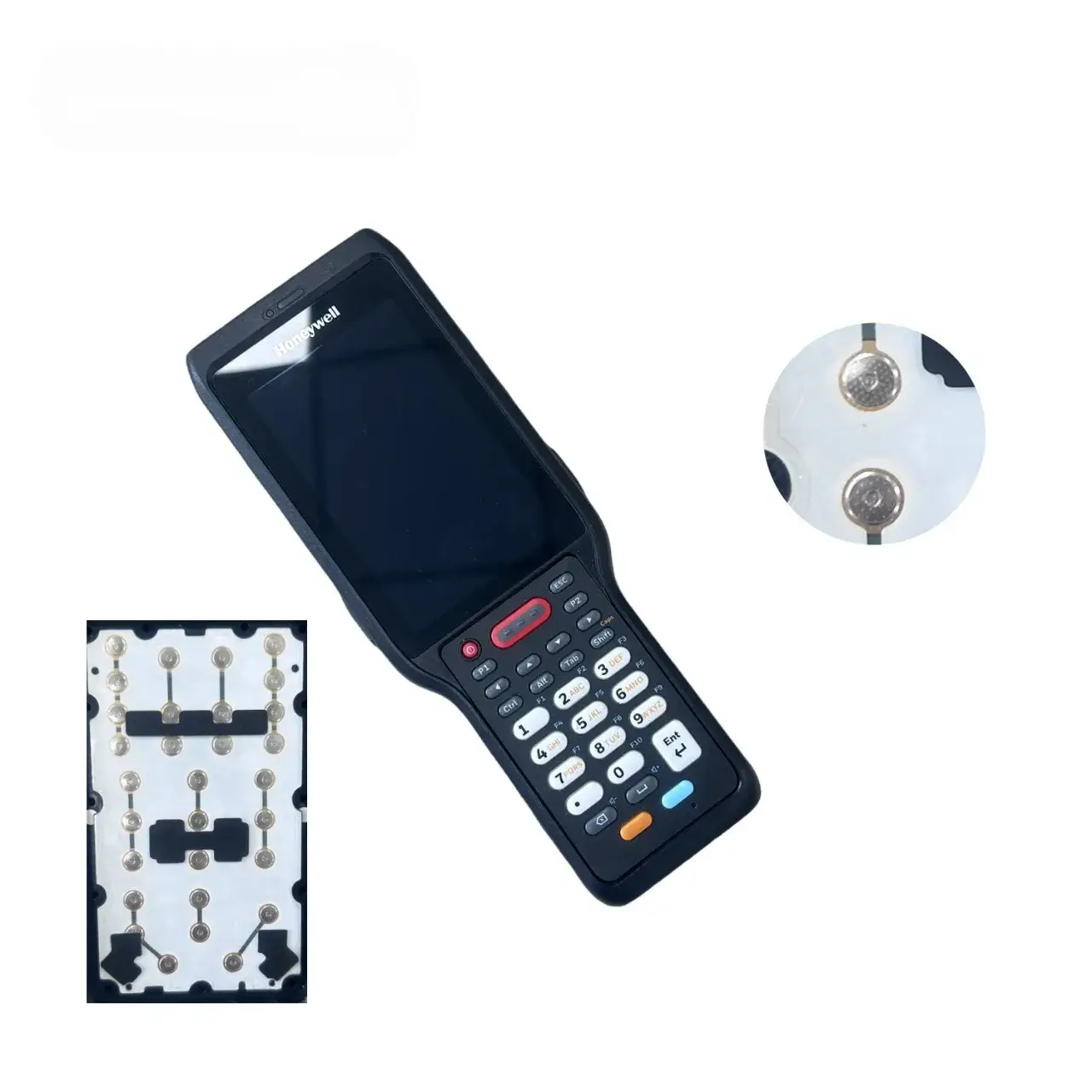
Integración más sencilla con diseños de placas de circuito impreso, ya que las cúpulas se asientan directamente sobre la placa de circuito.
Peso total reducido, lo que es importante para los diseños de teclados portátiles o inalámbricos.
Proceso de reparación más sencillo, ya que sustituir una chapa de cúpula es más rápido que desoldar un interruptor defectuoso.
Estos factores ayudan a explicar por qué incluso marcas conocidas por sus productos mecánicos tradicionales han empezado a lanzar líneas que incorporan retroalimentación táctil basada en cúpulas.
PREGUNTAS FRECUENTES
¿Los interruptores de cúpula metálica son iguales que los de cúpula de goma?
No, son bastante diferentes. Los interruptores de cúpula de goma utilizan una copa de goma plegable que proporciona accionamiento, pero a menudo se siente blanda con retroalimentación menos distinta. Los interruptores de cúpula metálica utilizan un disco metálico curvado que se encaja con precisión y ofrece una sensación táctil mucho más definida, muy similar a la de los interruptores mecánicos tradicionales.
¿Se pueden sustituir los interruptores de cúpula metálicos si se desgastan?
Sí, en la mayoría de los diseños. Los interruptores de cúpula metálica suelen estar dispuestos en una lámina que se coloca encima de la placa de circuito impreso. Si la respuesta táctil se degrada con el tiempo, a menudo se puede cambiar toda la lámina de la cúpula sin sustituir todo el teclado, lo que en realidad es más sencillo que sustituir los interruptores mecánicos soldados.
¿Funcionan los interruptores de cúpula metálica para teclados de juegos?
Pueden, aunque depende del diseño específico. Algunos jugadores prefieren el restablecimiento extremadamente rápido de los lineales mecánicos tradicionales. Sin embargo, los interruptores táctiles de cúpula metálica con retroceso rápido pueden funcionar muy bien para jugar, sobre todo en títulos en los que la pulsación precisa y deliberada importa más que el accionamiento rápido y repetido.