هناك نوع معين من الإحباط الذي ينتاب المرء عندما يتعطل زر في الجهاز قبل الموعد المتوقع بكثير. ففي بعض الأحيان يصبح الزر لينًا، وفي أحيان أخرى يتوقف تمامًا عن استجابة الضغط عليه. وعند البحث عن السبب الجذري لهذه الأعطال في الأجهزة، فإن الأمر عادةً ما يعود إلى المادة الأساسية للمفتاح اللمسي الصغير المخبأ تحت غطاء المفتاح البلاستيكي. تصميم قبة معدنية مخصصة يبدو أن الأمر يقتصر على الحصول على الشكل العام والحجم المناسبين (وهما عاملان مهمان بالتأكيد، لإنصاف القول)، لكن المعدن نفسه الذي يتم ختمه هو الذي يحدد العمر الافتراضي للقطعة بأكملها.
تسمع الكثير من النقاشات في أوساط هندسة الأجهزة حول مواصفات المواد. وغالبًا ما يتلخص الأمر في منافسة خفية بين الفولاذ القياسي والنيكل المتخصص. ويُعد اختيار السبيكة المناسبة لقبة معدنية مصنوعة حسب الطلب أحد تلك القرارات الدقيقة التي تُتخذ خلف الكواليس، والتي تغير تمامًا من قدرة المنتج على الصمود في العالم الواقعي.
لماذا تعتبر المادة الأساسية عاملاً مهمًا في كل قبة معدنية مصنوعة حسب الطلب
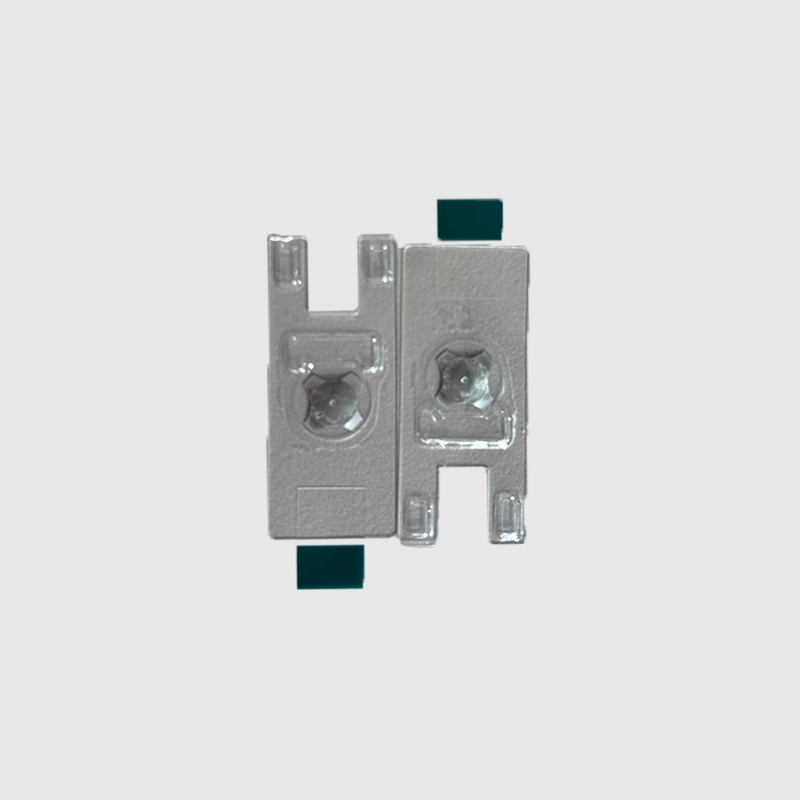
لا يمكنك في الواقع أن تأخذ أي قطعة عشوائية من المعدن اللامع، وتقطع منها شكلاً ما، وتتوقع أن تصمد أمام مليون نقرة. حسنًا، ربما يمكنك ذلك، لكن النتائج في المنتج النهائي ستكون كارثية للغاية. تتمثل الوظيفة الأساسية للقبة المعدنية المخصصة في الانثناء الميكانيكي. يجب أن تنحني إلى الأسفل، وتُنشئ اتصالًا كهربائيًّا على لوحة الدائرة الكهربائية، ثم تعود إلى شكلها الأصلي مرارًا وتكرارًا دون أن تفقد تلك الاستجابة اللمسية الواضحة.
عندما يتم اختيار مادة أساسية غير مناسبة، غالبًا ما تظهر بعض المشكلات المحددة التالية:
يتشقق المعدن فعليًّا من المنتصف نتيجة الإجهاد المتكرر.
تتسطح القبة بشكل دائم، مما يسبب إحساسًا مريعًا بالليونة.
يتراكم الأكسدة السطحية ببطء، مما يؤدي إلى حجب الإشارة الكهربائية تمامًا.
أياً كانت المادة التي يتم اختيارها لصنع قبة معدنية مخصصة، يجب أن تحقق التوازن بين المرونة الميكانيكية والخصائص الكهربائية الجيدة. وبصراحة، فإن تحقيق هذا التوازن يمثل تحدياً صعباً.
نهج الفولاذ المقاوم للصدأ
يُعتبر الفولاذ المقاوم للصدأ الخيار الافتراضي تقريبًا كلما طُرح موضوع المفاتيح اللمسية في اجتماع التصنيع. فهو يتمتع بمتانة لا تصدق. وعادةً ما يُستخدم الفولاذ من السلسلة 300 (مثل 301 أو 304) نظرًا لامتلاكه قوة شد أولية رائعة. وعندما يتم تشكيل قبة معدنية مخصصة من الفولاذ المقاوم للصدأ 301 عالي الجودة، فإنها تقاوم إجهاد المعدن بشكل طبيعي أفضل من أي مادة أخرى تقريبًا في نفس الفئة السعرية.
كما أنه يتمتع بمقاومة طبيعية للتآكل البيئي العادي الذي يحدث يوميًا، وهو ما يجعله خيارًا رائعًا للأجهزة الإلكترونية الاستهلاكية الموجودة في غرف المعيشة. لكن الفولاذ المقاوم للصدأ العاري ليس مثاليًا تمامًا. فموصليةه الكهربائية معتدلة فقط. وبالنسبة للدوائر عالية الحساسية ومنخفضة الجهد، قد تواجه القبة المصنوعة من الفولاذ المقاوم للصدأ العاري صعوبات في بعض الأحيان، وتحتاج إلى طلاء سطحي إضافي للحفاظ على مقاومة التلامس منخفضة بشكل موثوق.
البديل النيكل
مقارنة بين الفولاذ المقاوم للصدأ والنيكل في صناعة قبة معدنية مصنوعة حسب الطلب
قد يصبح الاطلاع على أوراق المواصفات الهندسية الأولية جنبًا إلى جنب أمرًا مرهقًا بعد فترة. ومن المفيد النظر إلى كيفية تصرف هذه المواد فعليًّا بمجرد تجميعها في لوحة دوائر مطبوعة حقيقية. فهناك دائمًا مفاضلة بين تكلفة المكونات، والعمر الافتراضي الميكانيكي، ومقاومة الظروف البيئية.
فيما يلي عرض عام لكيفية أداء هاتين المادتين الأساسيتين بشكل عام في الاستخدام العملي اليومي:
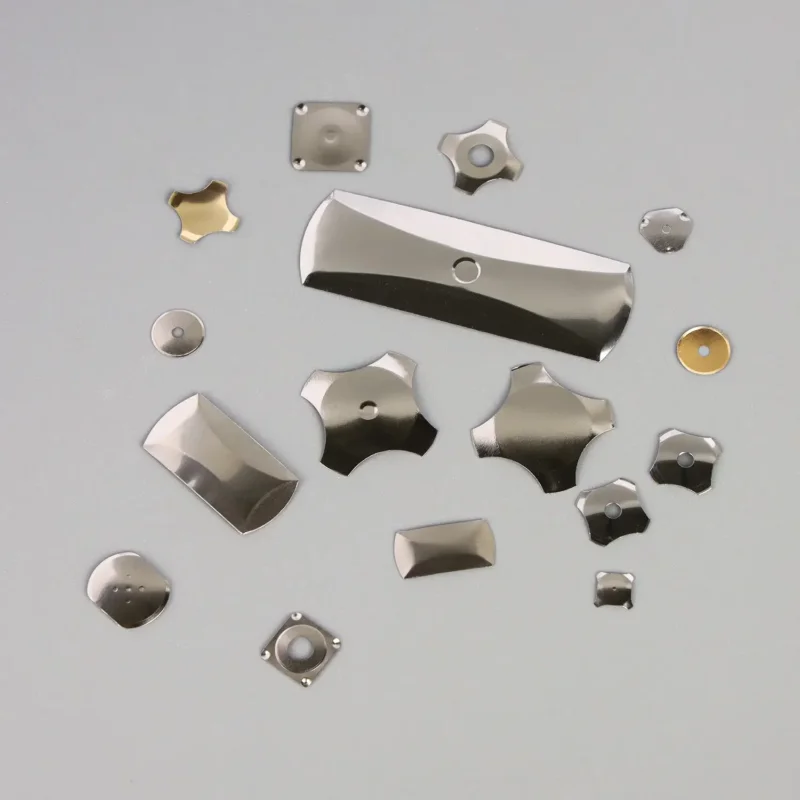
| المادة الأساسية |
العمر التشغيلي الميكانيكي
|
مقاومة التآكل
|
أفضل بيئة للتطبيق
|
|---|---|---|---|
|
الفولاذ المقاوم للصدأ (301)
|
مرتفع للغاية (أكثر من مليون عملية تشغيل)
|
متوسط إلى جيد
|
الأجهزة الإلكترونية الاستهلاكية، لوحات المفاتيح القياسية، الأجهزة المنزلية
|
|
سبائك النيكل
|
عالية
|
ممتاز
|
الأجهزة البحرية، المعدات الصناعية التي تعمل في بيئات عالية الرطوبة، الألواح الخارجية
|
اتخاذ القرار النهائي
في النهاية، يعتمد الاختيار بشكل كبير على البيئة التي سيُستخدم فيها الجهاز في نهاية المطاف. وهناك بعض الخطوات العملية التي تساعد في تضييق نطاق الخيارات دون الإفراط في التفكير في الأمر:
قم بتقييم مدى التعرض المتوقع للجهاز للرطوبة أو المواد الكيميائية القاسية.
حدد عدد النقرات المتوقعة على مدار العمر الافتراضي (هل يجب حقًّا أن يتحمل مليون ضغطة، أم مجرد بضعة آلاف؟).
تحقق من حساسية الدائرة لمقاومة التلامس لمعرفة ما إذا كان المعدن المكشوف كافياً.
عادةً، إذا كانت الميزانية محدودة وكانت البيئة عبارة عن مكتب عادي، فإن القبة المعدنية المصنوعة من الفولاذ المقاوم للصدأ حسب الطلب تفي بالغرض تمامًا. أما النيكل فيُعد بمثابة شبكة أمان إضافية عندما تصبح الظروف البيئية قاسية بعض الشيء.
الأسئلة الشائعة
هل يمكن طلاء الفولاذ المقاوم للصدأ لتحسين موصلية الكهرباء فيه؟
بالتأكيد. في الواقع، من الشائع جدًّا أن يتم طلاء قبة معدنية قياسية مصنوعة من الفولاذ المقاوم للصدأ، والمصممة حسب الطلب، بالفضة أو الذهب. ويوفر ذلك العمر الافتراضي الميكانيكي المذهل والطويل للفولاذ الموجود تحت الطبقة الخارجية، مع منح نقطة التلامس الكهربائية الموصلية العالية التي يتميز بها المعدن الثمين الموجود على السطح.
هل يختلف الشعور عند الضغط على قبة من النيكل عن تلك المصنوعة من الفولاذ المقاوم للصدأ؟
نعم، هذا ممكن بالتأكيد. ونظرًا لاختلاف قوة الشد الأولية بين السبائك المختلفة، فإن “الصوت” المادي أو الإحساس اللمسي سيكون له صوت وإحساس مختلفان قليلاً. وعادةً ما يضطر المصنعون إلى تعديل أدوات الختم بشكل طفيف حتى يتسنى لهم جعل القبة المصنوعة من النيكل تتطابق تمامًا مع الإحساس المادي للقبة المصنوعة من الفولاذ.
ما هي المادة الأرخص في الإنتاج الضخم؟
يُعد الفولاذ المقاوم للصدأ القياسي أرخص ثمناً بشكل شبه عام في عمليات الإنتاج على نطاق واسع. فهذه المادة متوفرة على نطاق أوسع بكثير، كما يسهل الحصول عليها في لفائف صناعية ضخمة. أما سبائك النيكل، فغالباً ما تكون أسعارها أعلى بشكل ملحوظ، وهذا بالضبط هو السبب في أنها تُستخدم عادةً في التطبيقات المتخصصة التي تتطلب متانة عالية، بدلاً من الأجهزة الإلكترونية اليومية التي تُستخدم لمرة واحدة.