Es ist schon etwas frustrierend, wenn eine Taste eines Geräts viel früher als erwartet den Geist aufgibt. Manchmal wird sie schwammig, oder sie reagiert gar nicht mehr auf den Druck. Wenn man der Ursache dieser Hardwarefehler auf den Grund geht, führt der Weg meist direkt zurück zum Grundmaterial des kleinen taktilen Schalters, der sich unter der Kunststoff-Tastenkappe verbirgt. Die Entwicklung eines kundenspezifische Metallkuppel Man könnte meinen, es käme lediglich darauf an, die allgemeine Form und die Größe richtig hinzubekommen (was, um ehrlich zu sein, zweifellos wichtige Faktoren sind), doch tatsächlich ist es das Metall, das gestanzt wird, das die gesamte Lebensdauer des Bauteils bestimmt.
In Kreisen der Hardware-Entwickler wird viel über Materialspezifikationen diskutiert. Dabei läuft es fast immer auf eine stille Rivalität zwischen Standardstahl und Spezialnickel hinaus. Die Wahl der richtigen Legierung für eine maßgeschneiderte Metallkalotte ist eine dieser subtilen Entscheidungen hinter den Kulissen, die entscheidend darüber bestimmt, wie sich ein Produkt in der Praxis bewährt.
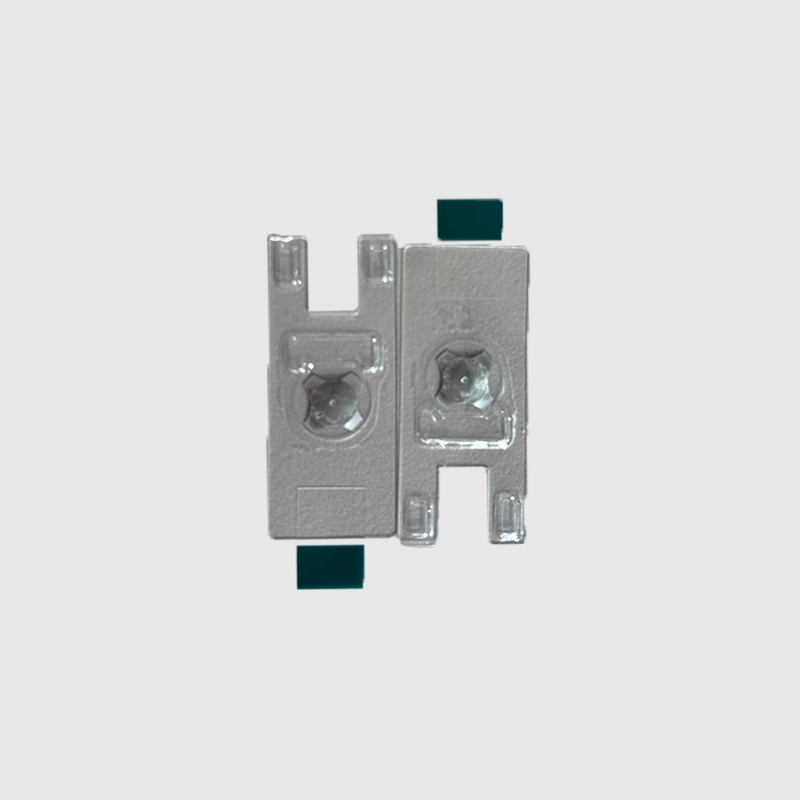
Warum das Grundmaterial für jede maßgefertigte Metallkuppel von Bedeutung ist
Man kann nicht einfach irgendein glänzendes Metallblech nehmen, eine Form daraus stanzen und erwarten, dass es eine Million Klicks übersteht. Nun, vielleicht könnte man das zwar, aber das Ergebnis wäre bei einem fertigen Produkt ziemlich katastrophal. Die Kernfunktion einer maßgefertigten Metallkuppel ist die mechanische Verformung. Sie muss sich nach unten biegen, eine elektrische Verbindung zur Leiterplatte herstellen und dann immer wieder in ihre ursprüngliche Form zurückschnellen, ohne dabei das knackige taktile Feedback zu verlieren.
Wird das falsche Grundmaterial gewählt, treten in der Regel einige spezifische Probleme auf:
Das Metall bekommt durch wiederholte Ermüdung in der Mitte einen Riss.
Die Kuppel flacht dauerhaft ab, was ein schreckliches, matschiges Gefühl verursacht.
Es kommt zu einer langsamen Oxidation der Oberfläche, wodurch das elektrische Signal vollständig blockiert wird.
Welches Material auch immer für eine maßgefertigte Metallkalotte ausgewählt wird, es muss ein Gleichgewicht zwischen mechanischer Elastizität und angemessenen elektrischen Eigenschaften herstellen. Das ist, ehrlich gesagt, ein schwieriger Spagat.
Der Edelstahl-Ansatz
Wenn in einer Produktionsbesprechung von taktilen Schaltern die Rede ist, geht man fast immer automatisch von Edelstahl aus. Er ist einfach unglaublich langlebig. Am häufigsten wird Stahl der Serie 300 (wie 301 oder 304) verwendet, da er eine hervorragende Zugfestigkeit aufweist. Wenn eine maßgefertigte Metallkuppel aus hochwertigem 301er-Edelstahl gestanzt wird, widersteht sie der Metallermüdung naturgemäß besser als fast jedes andere Produkt in dieser Preisklasse.
Zudem ist er von Natur aus beständig gegen normale, alltägliche Umgebungskorrosion, was für Unterhaltungselektronikgeräte im Wohnzimmer ideal ist. Doch blanker Edelstahl ist nicht gerade perfekt. Seine elektrische Leitfähigkeit ist nur mittelmäßig. Bei hochempfindlichen Niederspannungsschaltungen hat eine Kuppel aus blankem Edelstahl manchmal Schwierigkeiten und erfordert eine zusätzliche Oberflächenbeschichtung, um den Kontaktwiderstand zuverlässig niedrig zu halten.
Die Nickel-Alternative
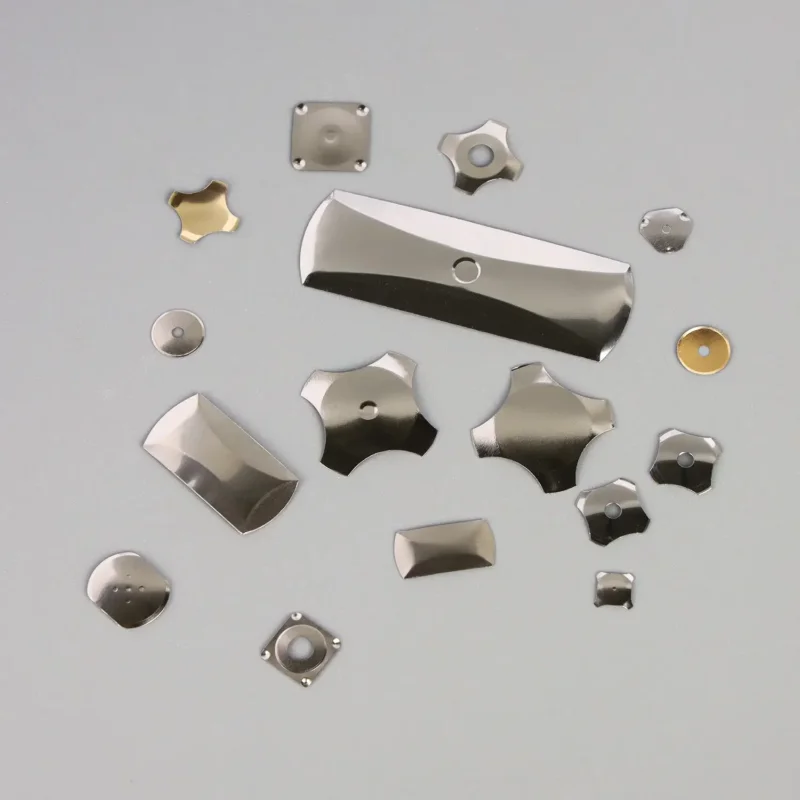
Vergleich zwischen Edelstahl und Nickel für eine maßgefertigte Metallkuppel
Es kann auf Dauer anstrengend sein, reine technische Datenblätter nebeneinander zu vergleichen. Es ist hilfreich, sich anzusehen, wie sich diese Materialien tatsächlich verhalten, sobald sie zu einer echten Leiterplatte zusammengebaut sind. Es gibt immer einen Kompromiss zwischen den Komponentenkosten, der mechanischen Lebensdauer und der Umweltbeständigkeit.
Hier ist eine grobe Übersicht darüber, wie sich diese beiden Grundmaterialien im praktischen Alltag im Allgemeinen im Vergleich schlagen:
| Grundmaterial |
Mechanische Lebensdauer
|
Korrosionsbeständigkeit
|
Optimale Anwendungsumgebung
|
|---|---|---|---|
|
Edelstahl (301)
|
Extrem hoch (über 1 Million Betätigungen)
|
Mäßig bis gut
|
Unterhaltungselektronik, Standardtastaturen, Haushaltsgeräte
|
|
Nickellegierungen
|
Hoch
|
Ausgezeichnet
|
Schiffsausrüstung, Industriegeräte für hohe Luftfeuchtigkeit, Außenpanels
|
Die endgültige Entscheidung treffen
Letztendlich hängt die Wahl stark von der Umgebung ab, in der das Gerät später zum Einsatz kommen wird. Es gibt ein paar praktische Schritte, mit denen man die Auswahl eingrenzen kann, ohne sich dabei den Kopf zu sehr zu zerbrechen:
Beurteilen Sie, inwieweit das Gerät voraussichtlich Feuchtigkeit oder aggressiven Chemikalien ausgesetzt sein wird.
Legen Sie die angestrebte Lebensdauer fest (muss das Produkt wirklich eine Million Betätigungen überstehen oder reichen schon ein paar Tausend?).
Prüfen Sie die Empfindlichkeit der Schaltung gegenüber Kontaktwiderständen, um festzustellen, ob blankes Metall ausreicht.
Wenn das Budget knapp ist und es sich um eine normale Büroumgebung handelt, erfüllt eine maßgefertigte Metallkuppel aus Edelstahl in der Regel ihren Zweck perfekt. Nickel dient als hochwertiges Sicherheitsnetz für den Fall, dass die Umgebungsbedingungen etwas extremer werden.
FAQ
Kann Edelstahl beschichtet werden, um seine Leitfähigkeit zu verbessern?
Auf jeden Fall. Es ist tatsächlich äußerst üblich, eine handelsübliche Metallkuppel aus Edelstahl mit Silber oder Gold zu beschichten. Dadurch wird die unglaubliche, langlebige mechanische Lebensdauer des darunterliegenden Stahls gewährleistet, während der elektrische Kontaktpunkt gleichzeitig von der hervorragenden Leitfähigkeit des Edelmetalls auf der Oberfläche profitiert.
Fühlt sich ein Nickel-Dome beim Drücken anders an als ein Edelstahl-Dome?
Ja, das ist durchaus möglich. Da die Rohzugfestigkeiten der verschiedenen Legierungen variieren, unterscheiden sich das physikalische “Knacken” bzw. das taktile Feedback in Bezug auf Klang und Haptik geringfügig. Die Hersteller müssen die Stanzwerkzeuge in der Regel leicht anpassen, damit sich eine Nickel-Membran haptisch genau wie eine aus Stahl anfühlt.
Welches Material ist für die Massenproduktion kostengünstiger?
Standard-Edelstahl ist bei Großserienfertigung fast ausnahmslos kostengünstiger. Das Material ist weitaus leichter erhältlich und lässt sich einfacher in großen Industrierollen beschaffen. Nickellegierungen sind in der Regel deutlich teurer, weshalb sie meist für spezielle, strapazierfähige Anwendungen und nicht für alltägliche Einwegelektronik reserviert sind.