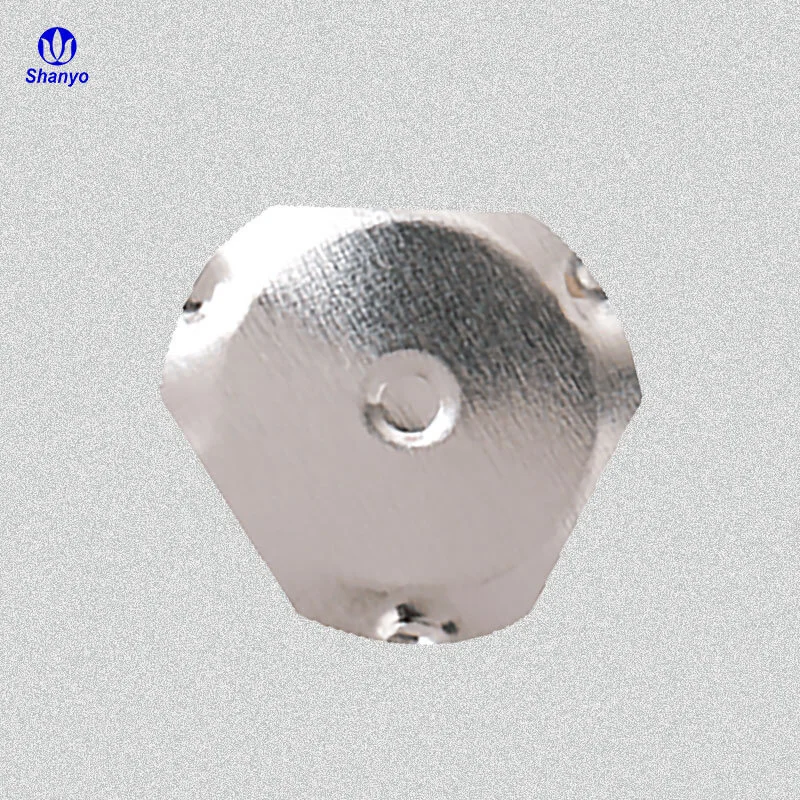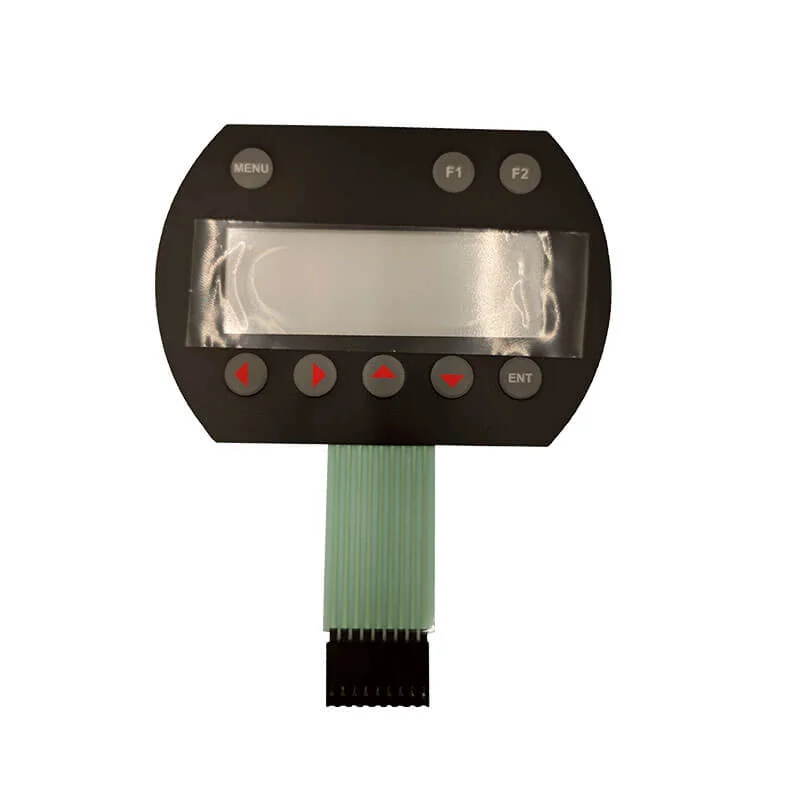
A car remote lives in a harsh environment. It rides in pockets, bakes on dashboards, and freezes in winter glove boxes, yet it must register a press the moment you need it. Inside that plastic shell, the part doing the work is a قبة معدنية مخصصة, a tiny stainless-steel snap element that turns a finger press into a clean electrical contact.
Choosing the right dome for a key fob means balancing feel, size, and the conditions the fob will face. The sections below cover the decisions that move the result: force, shape, material, circuit, and validation.
Why automotive remote keys rely on metal dome switches
A metal dome switch gives a key fob a crisp, audible click that confirms each press and stays stable through vibration, pocket pressure, and temperature swings.
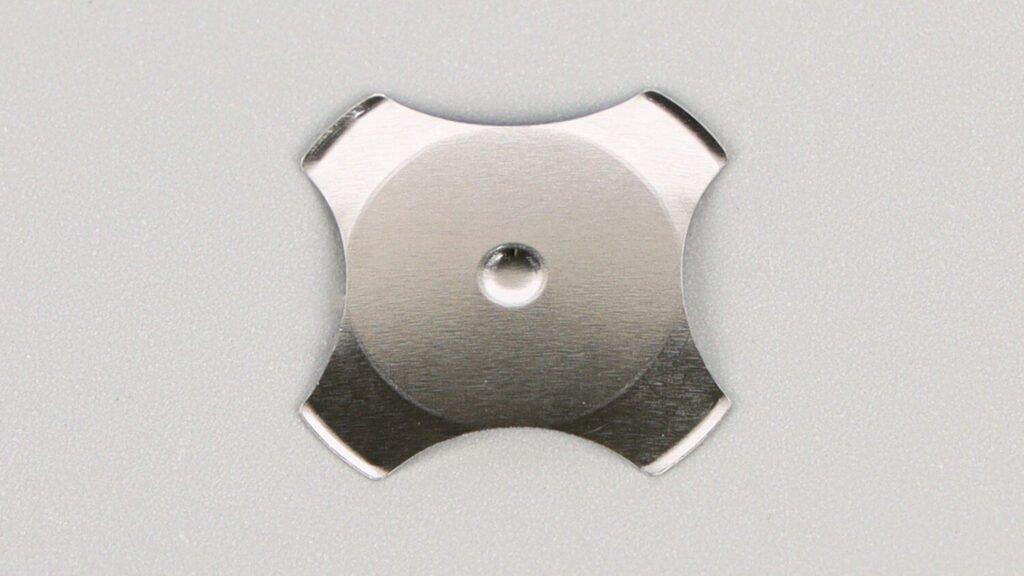
A metal dome is a shallow stainless-steel cap over a center contact pad. Press it, and it snaps through to close the circuit, then springs back, giving an “it worked” click without looking at the fob. Rubber and carbon contacts soften and drift over time, while a metal dome holds its force and shape through millions of cycles.
How a metal dome works inside a fob
The dome rests on adhesive film, a spacer, and a circuit, with the keycap pressing through an overlay. Correct travel lets it collapse and return without sticking.
Why it beats rubber and carbon contacts
Rubber domes lose elasticity in cold and after heavy use. Carbon prints wear and raise resistance, whereas a stainless dome keeps its spring from the metal.
Choose the right actuation force for key fob buttons
Target an actuation force near 160 g to 280 g for most automotive remotes, which balances a positive click against accidental pocket presses.
Force is the number of grams needed to snap the dome through. Too light and the fob fires in a pocket; too heavy and it feels stiff. Car keys sit in a middle band because they get pressed on purpose yet also jostled constantly.
Balancing feel and accidental activation
A fob that fires in a pocket drains the battery and can unlock a door. A higher force lowers that risk, up to the point where the button feels unpleasant. Most designs land between 160g and 280g.
Common force bands and where they fit
| Force (g) | تحسس | Typical fit |
| 100 to 160 | Very light | Consumer remotes |
| 160 to 280 | Clear click | Car remote keys |
| 280 to 400 | Firm | Industrial use |
A force-displacement curve shows whether the dome snaps cleanly or feels mushy.
Pick the best dome shape and size for a compact key
Four-leg domes suit dense fob layouts, round domes fit tight spots, and a 4mm to 6mm diameter keeps travel short in a thin shell.
A fob has little room, so shape and diameter decide feel and button count. The dome must collapse within keycap travel while still giving a detectable click.
Shape options and their tactile behavior
Four-leg domes are the default for remotes because the legs aid positioning. Round domes spread pressure evenly; triangle and oblong domes solve specific alignment problems but appear less often.
Sizing for travel and layout density
Smaller domes, 4mm to 6mm, give short travel for a slim key. Larger domes, 8mm to 12mm, give a deeper feel but need more height.
| الشكل | Behavior | Best use |
| أربعة أرجل | Balanced click | Button grids |
| مستديرة | Even pressure | Tight cavities |
| المثلث | Compact | Constrained layouts |
| مستطيل | One axis | Non-square spaces |
Select material and plating for corrosion protection
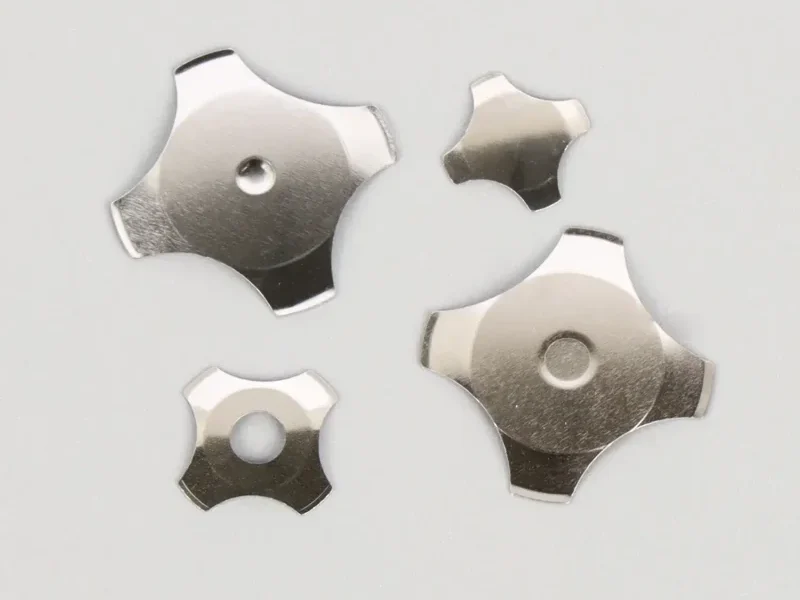
Stainless steel SUS301 is the workhorse material, and gold plating gives the best corrosion and contact resistance for a key in varied conditions.
The dome body sets the spring; the finish sets how long the contact stays clean. A fob sees skin oil, humidity, and temperature swings for years, so plating matters more than for an indoor remote.
Stainless steel grades and thickness
SUS301 keeps spring properties through millions of cycles. Thickness runs from 0.05 mm to 0.15 mm, with thicker stock raising the force. SUS304 is a secondary option with the same role.
Gold, nickel, and silver plating trade-offs
| الطلاء | Conductivity | Corrosion | التكلفة |
| Gold | ممتاز | ممتاز | أعلى |
| Nickel | جيد | جيد | معتدل |
| الفضة | ممتاز | معتدل | معتدل |
Gold holds resistance low and stable for the life of the key. Nickel is the cost-balanced default for less demanding paths.
Match the dome to the circuit and stack-up
Mount the domes on a substrate rigid enough to support the press, with correct center and outer pads and a finish that holds contact throughout their lifetime.
The dome is only as good as the surface under it. If the board flexes when pressed, the click vanishes. Flexible printed circuits in automotive interfaces are typically built to IPC flex-board specifications, so many dome arrays ship pre-mounted on an FPC.
FPC versus rigid PCB
An FPC curves to the fob shape and saves height but needs a rigid backing under each dome. A rigid PCB is simpler but thicker. Either way, the area under the dome must stay still during the press.
Pad finish, alignment, and venting
Pad finishes include ENIG, hard gold, immersion silver, and carbon print. The center pad takes the hit; the outer ring holds the edges. A vent path stops trapped air from slowing the press, and accurate placement keeps force consistent.
Plan for temperature, vibration, and lifecycle validation
Qualify domes for -40°C to +85°C, validate the full assembly to at least one million cycles, and confirm performance under temperature cycling and vibration.
A fob is tested as a finished button, not a loose dome. The keycap, housing, adhesive, and board all change how the dome behaves.
Environmental range for car interiors
Cabin and trunk areas swing from deep winter cold to summer heat under glass. Stainless domes stay stable across that band, but the adhesive, overlay, and pad finish must hold up too. After heat and humidity, engineers re-check force, resistance, and rebound.
Lifecycle targets and validation testing
| Button type | Life target |
| Smart key | 500,000 to 1,000,000+ cycles |
| Standard remote | 100,000 to 500,000+ cycles |
| Auxiliary control | 100,000 to 300,000+ cycles |
Validation presses to the target count and watches force, resistance, and click. Vibration and thermal cycling confirm the key still works after a hard life.
Frequently asked questions
Can I replace a metal dome in an existing car key fob?
Yes, but it takes care. The fob must open without cracking the housing, and the replacement dome must match the original diameter, force, and shape. Because domes sit on adhesive film, many repairs work better by swapping the whole array.
Do automotive-grade metal domes need special certification?
Suppliers serving vehicle programs usually run under systems such as IATF 16949 and meet rules like RoHS and REACH. The dome is a simple stamped part, but the line that makes it must show traceability and consistent control.
How does dome plating affect contact resistance over time?
Bare steel oxidizes and raises resistance; nickel slows that; gold holds resistance low longest. For a key used for years in humid or salty conditions, gold keeps the signal clean after a bare or nickel finish would drift.