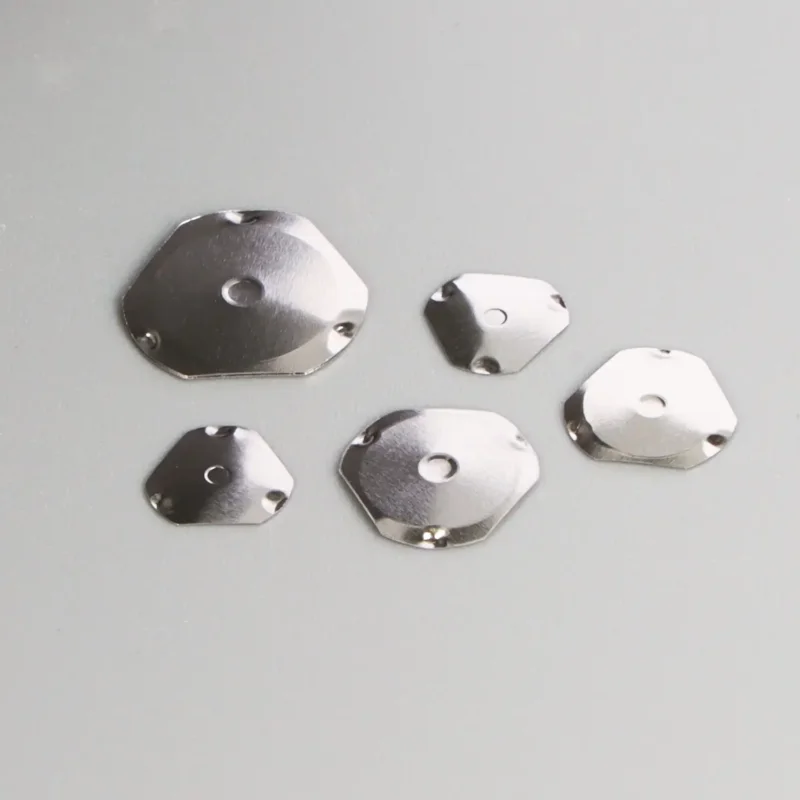
It is fascinating how people just take buttons for granted most of the time. A button is pressed, it clicks, and something turns on. It seems incredibly simple. But behind that ordinary plastic cap, there is usually a tiny stamped piece of steel doing all the heavy mechanical lifting. The engineering requirements for that little component change drastically depending on where the final device actually ends up. A cheap television remote sitting on a living room coffee table obviously doesn’t need the exact same rigorous engineering as a battlefield communication radio. This is exactly where designing a قبة معدنية مخصصة becomes necessary, simply because a standard off-the-shelf part is going to fail entirely in one of those extreme scenarios. Different industries just have completely different ideas of what constitutes a “good” or reliable switch.
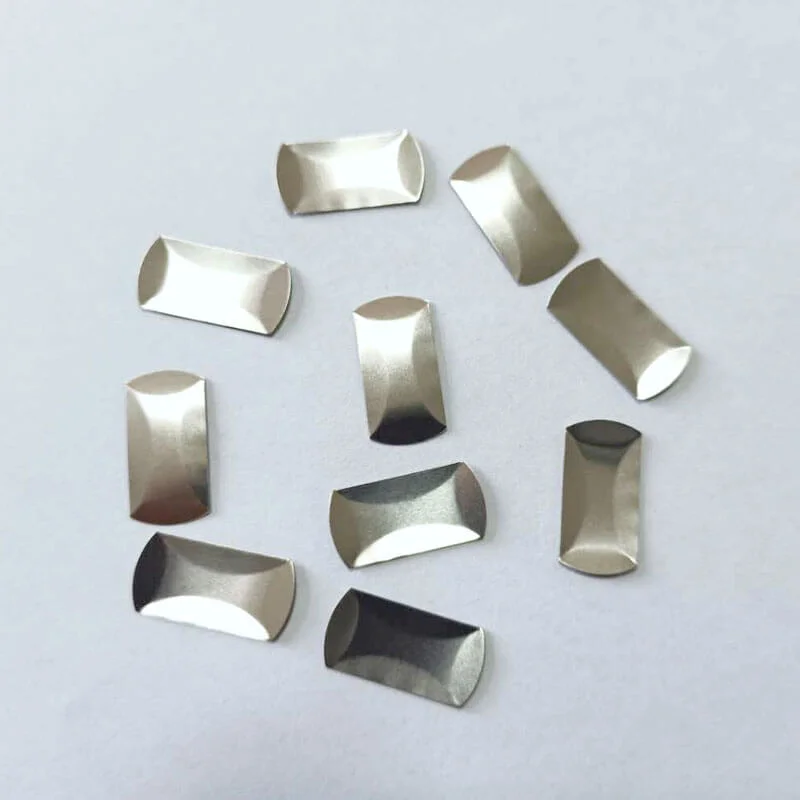
How a Custom Metal Dome Meets Wildly Different Industry Standards
When looking at various sectors, the expectations for tactile feedback and lifespan jump all over the place. Hardware designers often struggle to standardize these parts across different product lines for this exact reason.
The Consumer Electronics Vibe (Fast and Cheap)
In the everyday consumer world, manufacturing is mostly about high volume and making a product feel “premium” right out of the box. Consider smartphones, microwaves, or video game controllers. The tactile feedback really matters here primarily because it sells the product. If a device feels mushy, buyers just instinctively assume it is cheap. A custom metal dome used in this space usually targets a much lighter actuation force so people’s hands don’t get tired from repeated pressing. Life cycles are definitely important—maybe needing to hit a few hundred thousand clicks—but let’s be honest, consumer electronics usually get thrown away or replaced after a few years anyway. Bare stainless steel is usually perfectly fine here without any fancy extras.
Medical Device Standards (Zero Room for Error)
Moving over to the medical equipment sector, the whole mindset shifts completely. Nobody really cares if an ultrasound machine has a satisfying, snappy click. They just care that it works every single time, without exception. A custom metal dome designed for medical gear (like heart monitors or surgical room control panels) often needs specialized surface plating, usually pure gold. The electrical contact has to be absolutely flawless because a missed or delayed signal in a busy hospital setting is a literal disaster. Furthermore, these parts have to survive heavy, repetitive chemical wipe-downs. If harsh hospital cleaning solvents manage to seep into the keypad, the underlying dome has to resist corrosion perfectly.
Military and Aerospace Specs (Brute Force Reliability)
Then there is the military and aerospace side of hardware, which is just a totally different beast. Equipment in this sector gets dropped in the mud, baked in the desert sun, and frozen solid at high altitudes. A custom metal dome meant for a tactical radio usually has a significantly higher actuation force. Why? Because the person pressing that button might be wearing thick combat gloves and needs to physically feel the mechanical click through heavy layers of protective fabric. It takes a very specific metal alloy and a completely unique shape to handle that kind of daily abuse without permanently flattening out over time.
Comparing Environmental Demands for a Custom Metal Dome
| Industry Application |
Typical Actuation Force
|
Common Surface Plating
|
Key Environmental Threat
|
|---|---|---|---|
|
Consumer Gadgets
|
100g – 250g
|
Bare Stainless Steel
|
Dust, casual liquid spills, heavy daily use
|
|
المعدات الطبية
|
200g – 400g
|
Gold or Silver
|
Harsh cleaning chemicals, oxidation over time
|
|
Military Gear
|
400g – 600g+
|
Heavy Gold or Nickel
|
Extreme temperatures, mud, thick tactical gloves
|
Modifying the Custom Metal Dome for the Job
There really is no magic formula that makes one tactile switch perfect for every single device ever made. It mostly comes down to adjusting a few key physical variables until the strict industry standards are met. Manufacturers will tweak several aspects to get the exact right certification.
Some of the most common physical adjustments observed in the factory include:
Changing the center dimple depth to drastically improve electrical contact reliability.
Applying a heavy layer of precious metal plating for absolute anti-corrosion protection.
Increasing the raw thickness of the steel to support heavier, gloved presses without warping.
When trying to get a new piece of hardware officially certified (especially for strict medical or military use), the testing phase is usually pretty brutal. Engineers sometimes spend weeks just waiting for failure analysis results. The process of getting a custom metal dome approved generally looks something like this:
Testing the bare raw metal for base material purity and initial tensile strength.
Subjecting the fully assembled switch to thousands of cycles inside a thermal shock chamber.
Running prolonged salt-spray tests to ensure the plating doesn’t degrade in highly humid environments.
Final tactile testing to confirm the actuation force hasn’t drifted or softened after all the physical abuse.
It is definitely a long, frustrating road, but cutting corners here usually means failing an expensive compliance audit down the line.
الأسئلة الشائعة
Can a consumer-grade custom metal dome be used in medical devices?
Technically, yes, it could physically fit on the board, but it is highly discouraged. Consumer-grade domes usually lack the high-end gold plating required to guarantee zero electrical resistance over time. Medical standards strictly demand absolute, long-term reliability, and using a cheaper consumer dome is just asking for a critical button failure during a crucial moment.
Why do military switches feel so much stiffer to press?
It is almost entirely about preventing accidental actuation and compensating for heavy, bulky gear. A soldier wearing thick tactical gloves won’t even feel a standard 150-gram switch activate. A custom metal dome built specifically for military use is stamped from thicker material to require deliberate, heavy physical force to trigger safely.
Does plating affect how the custom metal dome actually feels?
Not really, no. The plating layer (like gold, silver, or nickel) is microscopically thin. It exists purely to handle electrical conductivity and provide environmental protection against rust. The actual physical “click” feeling is determined completely by the shape, the outer diameter, and the thickness of the base stainless steel underneath that plating.