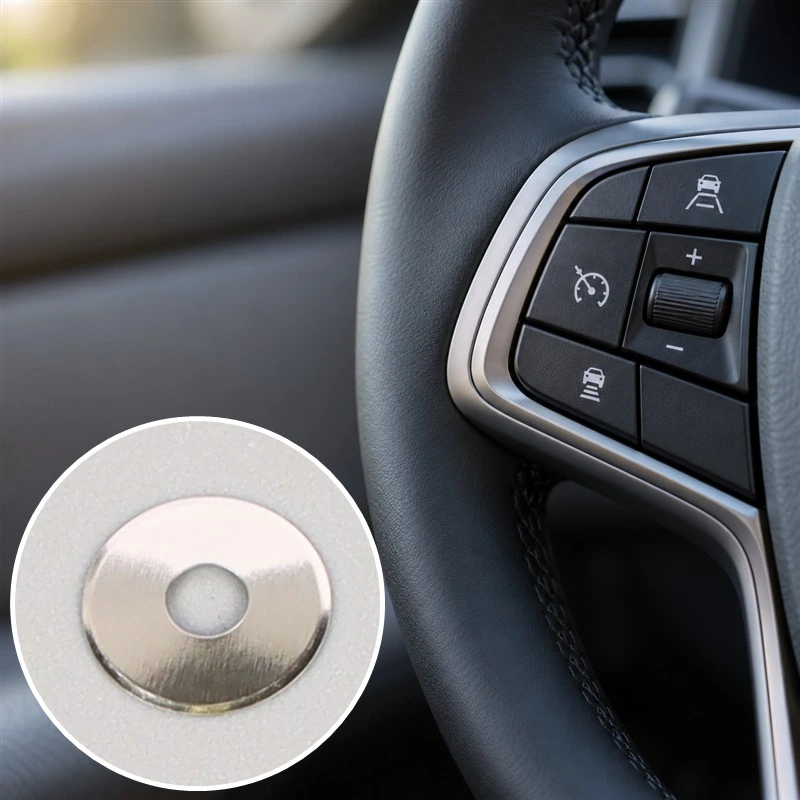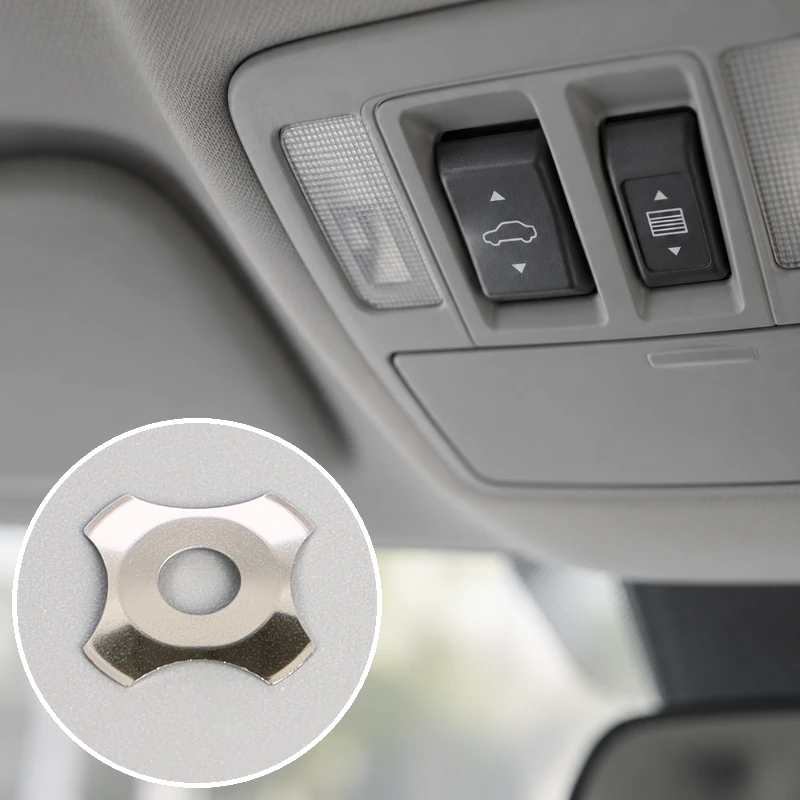
Medical device design leaves little room for error. Every component — no matter how small — carries responsibility for patient safety and device performance. 금속 돔 might not be the first thing that comes to mind when engineers think about critical components, but in practice, they show up in a surprising range of life-critical applications.
What Makes Metal Dome Technology Relevant in Medical Applications
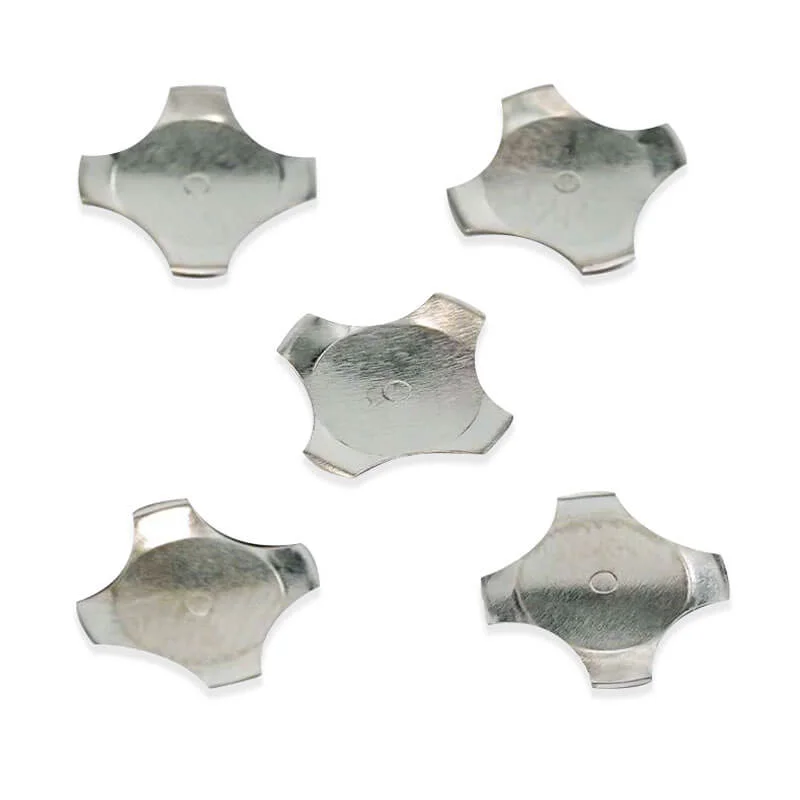
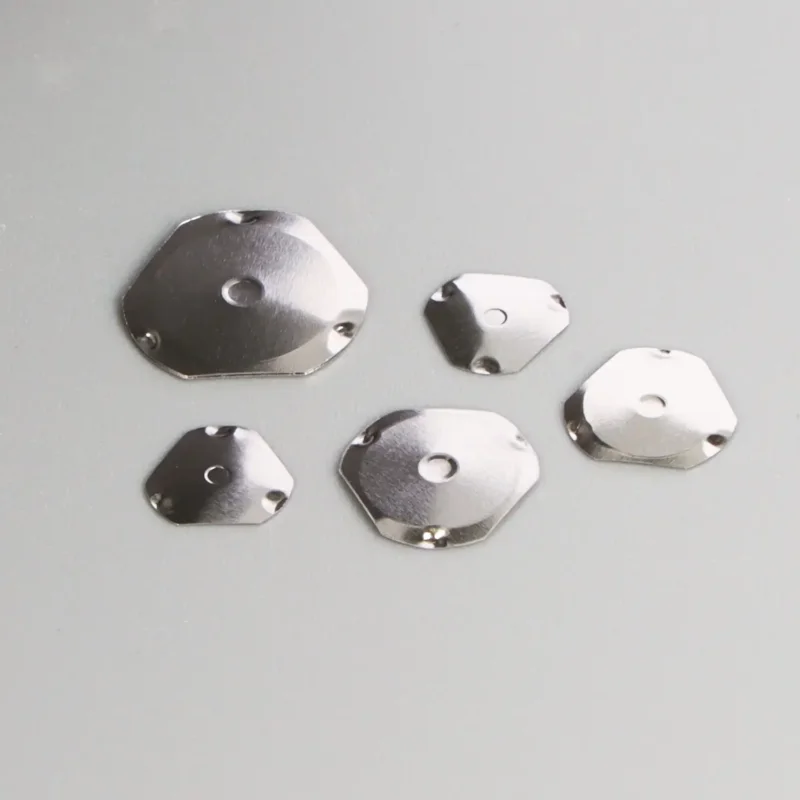
A metal dome is a small, pre-formed tactile switch component, typically made from stainless steel, that provides a crisp tactile response when pressed and snaps back reliably after actuation. Simple in concept, but the execution matters enormously in medical contexts.
Medical devices demand consistency. A dome that performs well on the first press needs to perform the same way on the ten-thousandth press. That kind of repeatability is not easy to achieve, and it is one reason why material quality and manufacturing precision carry so much weight in this sector.
There is also the matter of hygiene. Medical environments expose components to cleaning agents, sterilization cycles, and moisture — conditions that would degrade lesser materials quickly. Stainless steel domes, particularly those with appropriate surface treatments, hold up well under these conditions.
Common Medical Device Applications for Metal Dome Switches
The range of devices that rely on metal dome input mechanisms is broader than most people expect. Some examples worth noting:
Infusion pumps and drug delivery systems
Patient monitoring equipment
Handheld diagnostic devices
Surgical instruments with electronic controls
Hearing aids and wearable medical tech
Glucose meters and portable testing devices
What these applications share is a need for compact, responsive, and durable input solutions. Metal dome assemblies fit that profile well — they take up minimal space, require no external power to actuate, and integrate cleanly into PCB layouts.
Key Design Considerations When Selecting Metal Domes for Medical Use
Actuation Force and Travel Distance
Getting the actuation force right is more nuanced than it sounds. Too light, and accidental activation becomes a real concern — especially on handheld devices used in high-stress clinical environments. Too heavy, and repeated use causes operator fatigue or makes the device difficult to use for patients with limited dexterity.
Most medical applications land somewhere between 100g and 400g actuation force, though this varies considerably depending on the device type and intended user.
Travel distance (the distance the dome collapses before registering a click) also affects perceived quality. Shorter travel tends to feel more precise; longer travel can feel more forgiving. Neither is universally better — it depends on the application.
Material and Surface Finish
Stainless steel remains the dominant material for metal dome components in medical devices, and for good reason. It resists corrosion, tolerates sterilization processes, and maintains consistent mechanical properties across a wide temperature range.
That said, not all stainless steel is equivalent. Grade selection, thickness, and heat treatment all influence dome performance. Some manufacturers offer gold-plated or nickel-plated variants for applications where contact resistance needs to stay extremely low.
Dome Geometry and Configuration
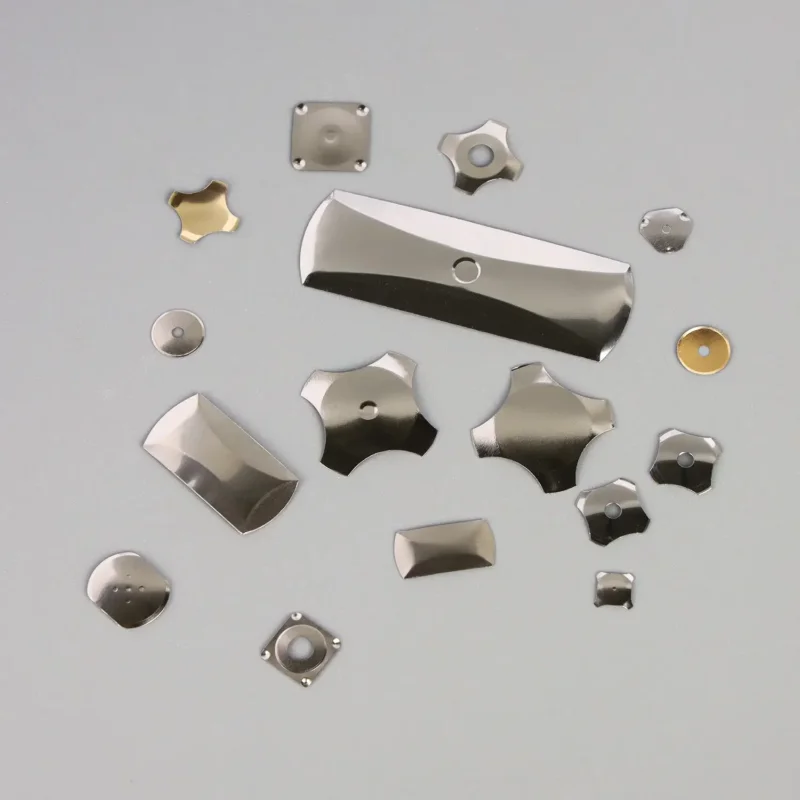
| Dome Type | 모양 | 일반적인 사용 사례 | Feel |
|---|---|---|---|
Four-leg metal dome | Cross/star legs | Standard PCB applications | Crisp, defined click |
Three-point contact | Space-constrained layouts | Firm, precise | |
Round metal dome | Full perimeter contact | High-cycle applications | 부드럽고 일관성 있는 |
Oblong metal dome | Elongated oval | Elongated button designs | Even actuation |
Regulatory and Quality Expectations
Medical device manufacturers operate under strict regulatory frameworks — FDA in the US, CE marking in Europe, and various national standards elsewhere. Components like metal dome switches need to meet traceability and documentation requirements, not just performance specs.
This means working with suppliers who can provide:
Material certifications and RoHS compliance documentation
Lifecycle test data (typically 1 million+ actuation cycles for medical grade)
Dimensional inspection reports
Lot traceability records
Cutting corners on supplier documentation might save time upfront, but it creates serious problems during device certification audits.
Integration Tips That Often Get Overlooked
A few practical points that experienced engineers tend to learn the hard way:
Dome placement relative to PCB traces affects contact reliability — small misalignments compound over time
Adhesive backing quality on dome arrays matters as much as the dome itself; poor adhesive leads to dome migration during assembly
Testing should simulate real-world conditions, including temperature cycling and exposure to cleaning agents, not just mechanical actuation counts
자주 묻는 질문
메탈 돔 스위치는 웨어러블 의료 기기에 사용되는 유연한 PCB 설계와 호환되나요?
Thin-profile dome assemblies with flexible backing are specifically designed for flex PCB integration and handle repeated bending without delamination.
의료용 등급을 받은 메탈 돔은 몇 번의 작동 주기를 지원해야 하나요?
Medical-grade domes typically carry ratings of 1 million cycles or more. Always verify lifecycle data with the supplier before finalizing component selection.
Can metal dome components be sterilized along with the device?
It depends on the sterilization method. Stainless steel domes generally tolerate chemical and UV sterilization well, but high-temperature autoclave cycles may affect adhesive backing materials.