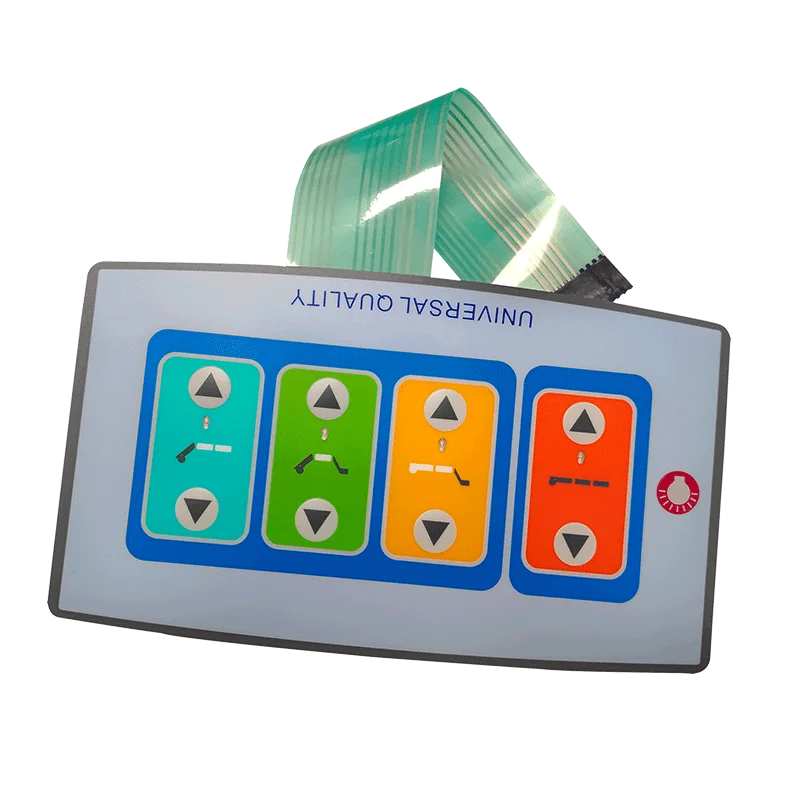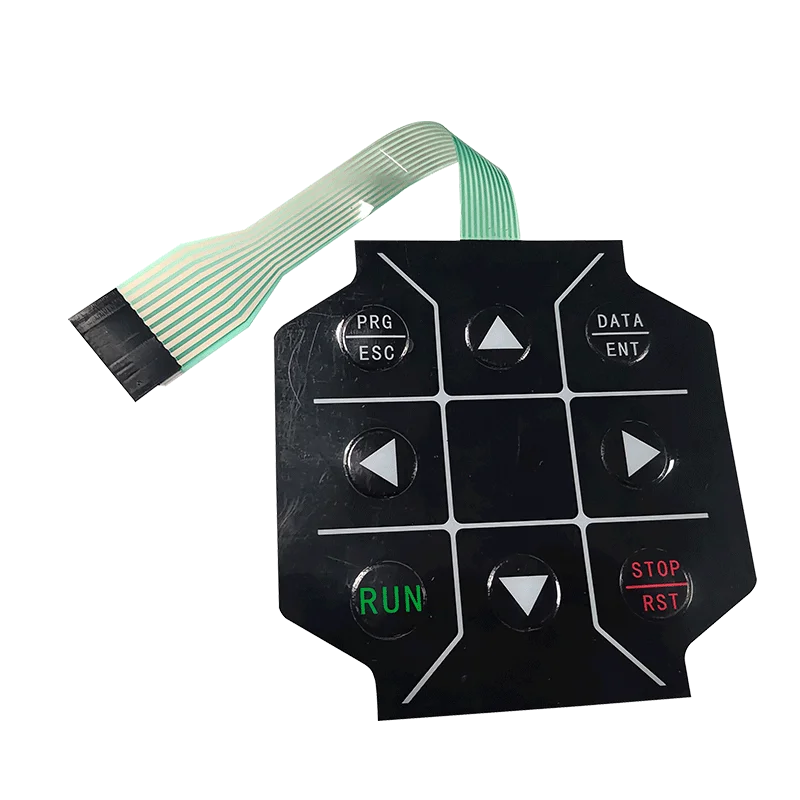
멤브레인 스위치 패널 설치 및 인터페이스 방법
멤브레인 스위치 패널 설치 시작하기 멤브레인 스위치 패널이 도착했습니다. 이제 어떻게 하나요? 뒷면을 벗겨서 붙이고 플러그를 꽂기만 하면 설치가 간단해 보입니다. 하지만 이 과정을 서두르면
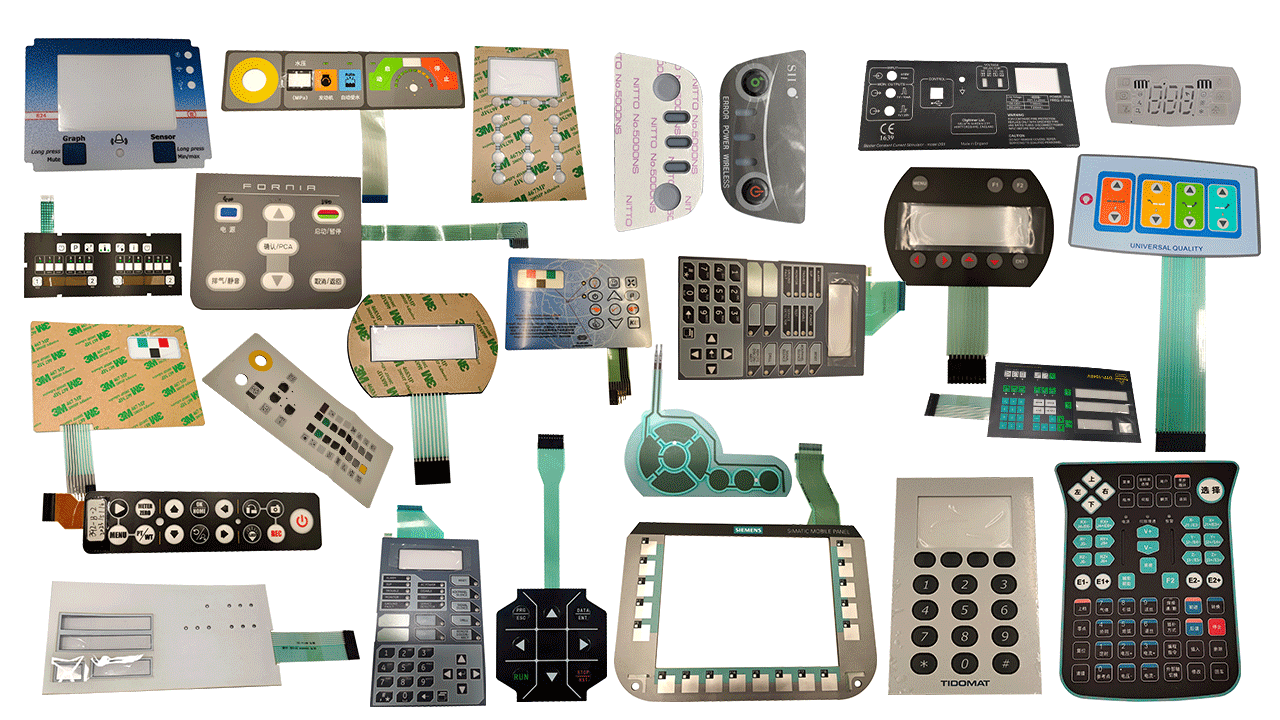


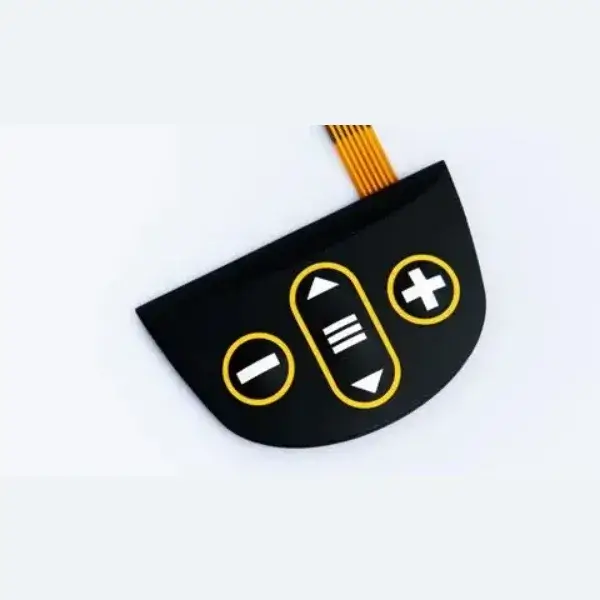
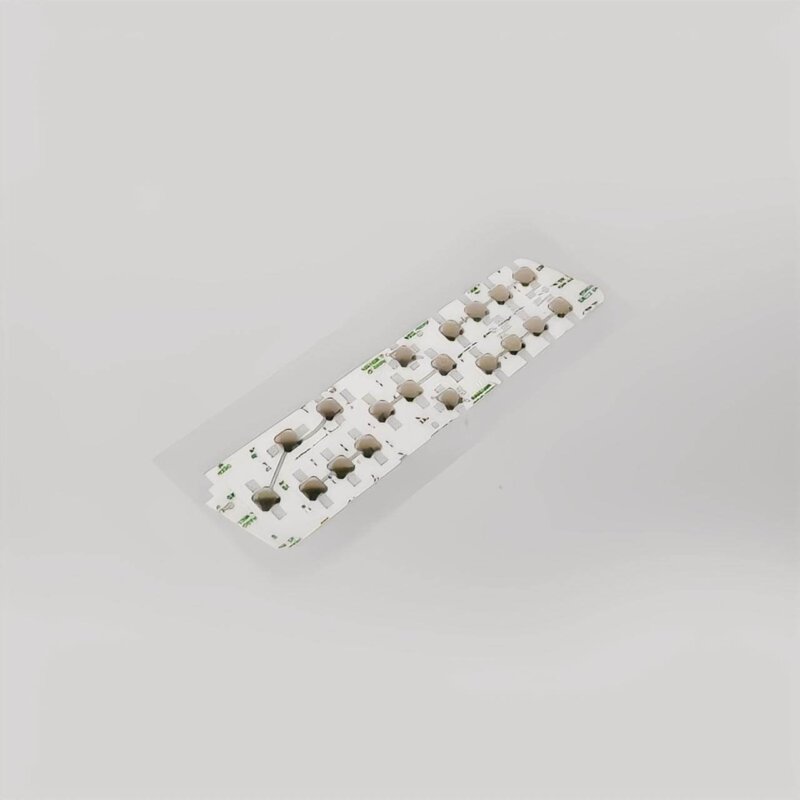
수명 주기: ≥500,000회 이상;
Environmental Sealing: Up to IP67 / IP68 protection rating.
Profile Thickness: As low as < 1.0 mm total assembly.
Interface Customization: Full custom graphics, circuits, and embossing.
Primary Applications: Medical devices, industrial controls, automotive panels, consumer appliances.
Customization: Supported.
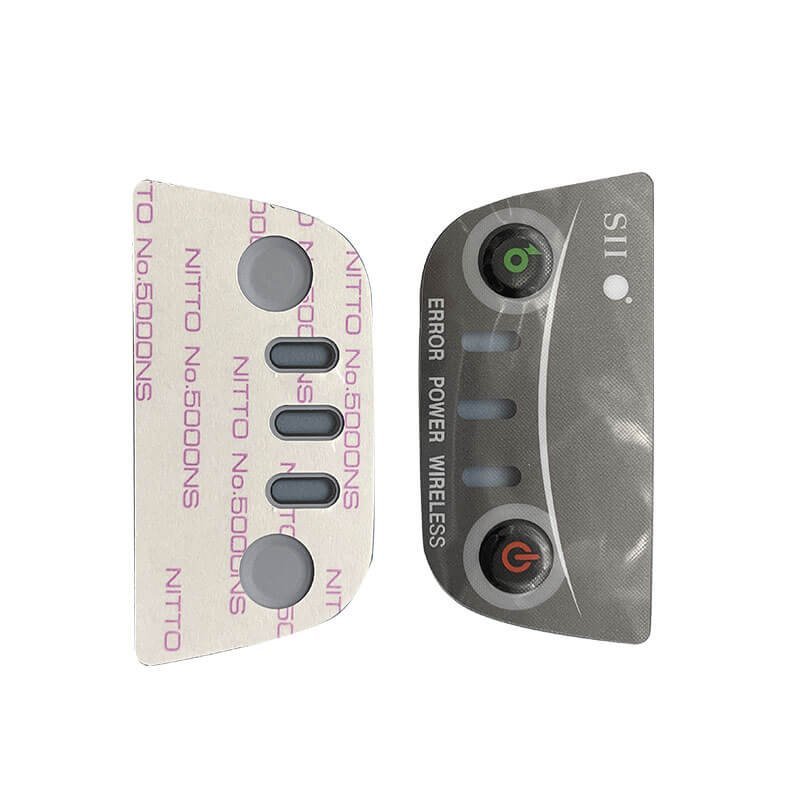
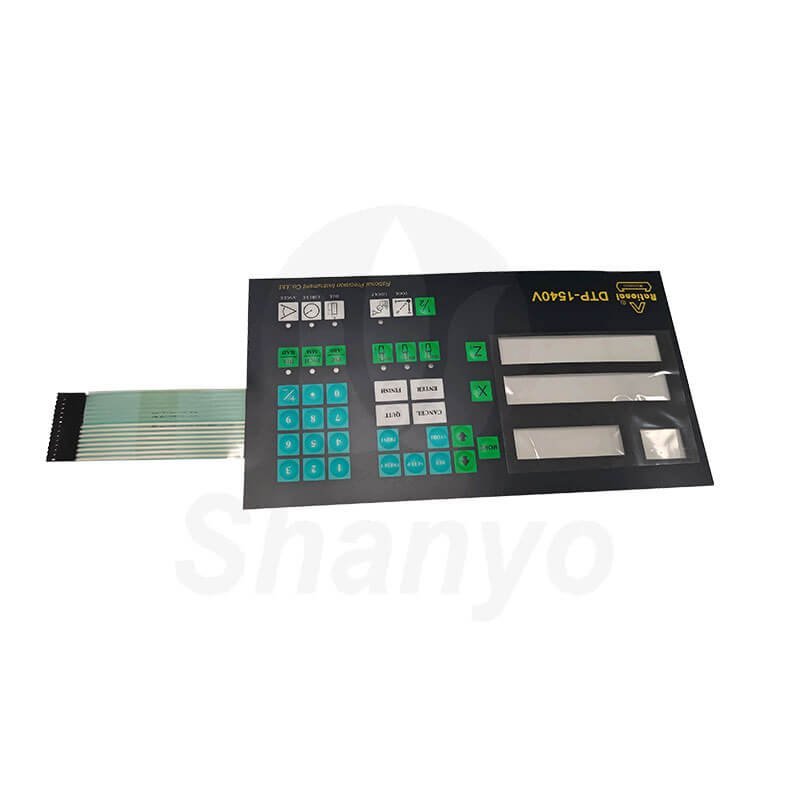
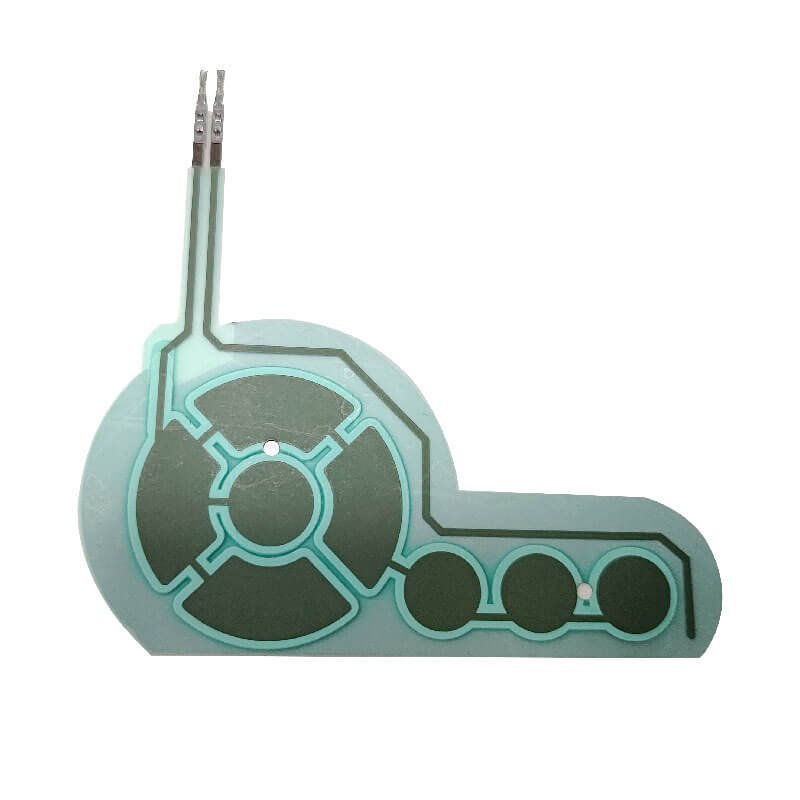
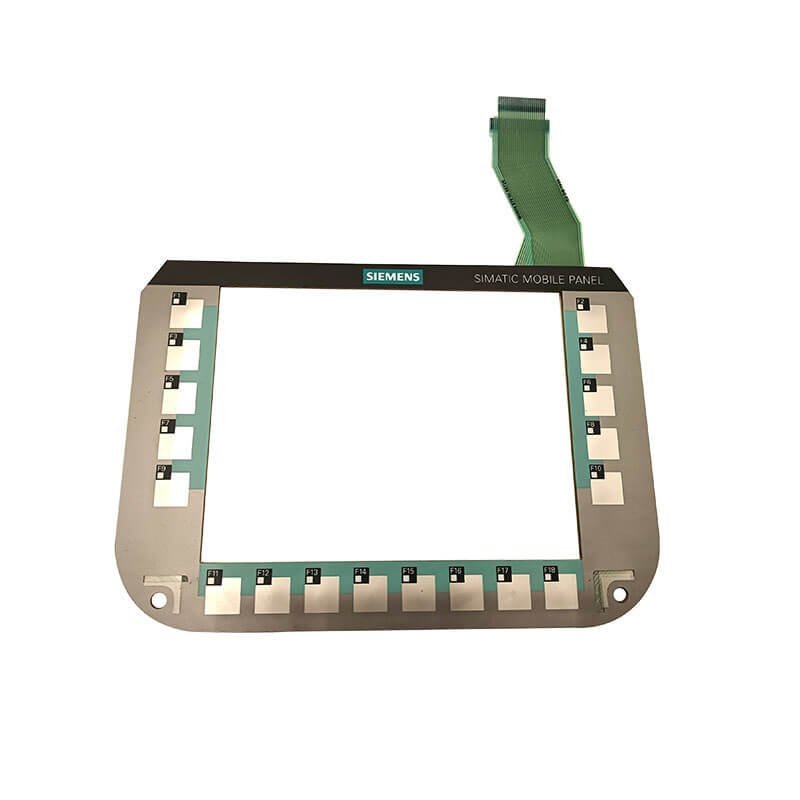
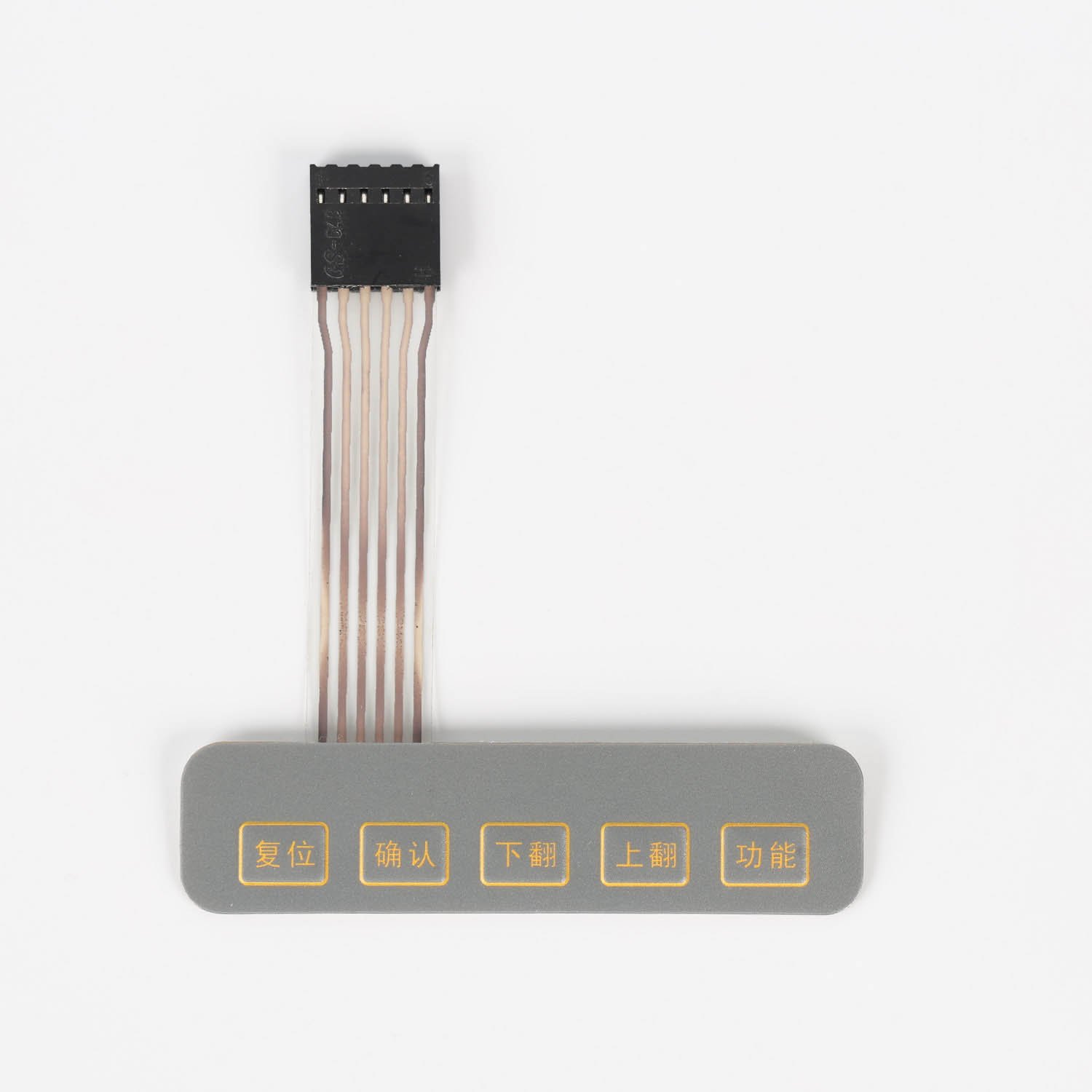
A 멤브레인 스위치 is a modern, user-interface control panel that functions as a momentary-action electrical switch. It operates by closing a circuit when a user presses a button on its flexible surface; the circuit opens again once pressure is released. Constructed from layers of thin, flexible films and adhesives, it is an integral part of a membrane switch panel and offers a sleek, low-profile alternative to traditional mechanical switches or more complex touch screens. Due to their sealed nature, design flexibility, and cost-effectiveness, custom membrane switches have become the preferred solution across countless industries.
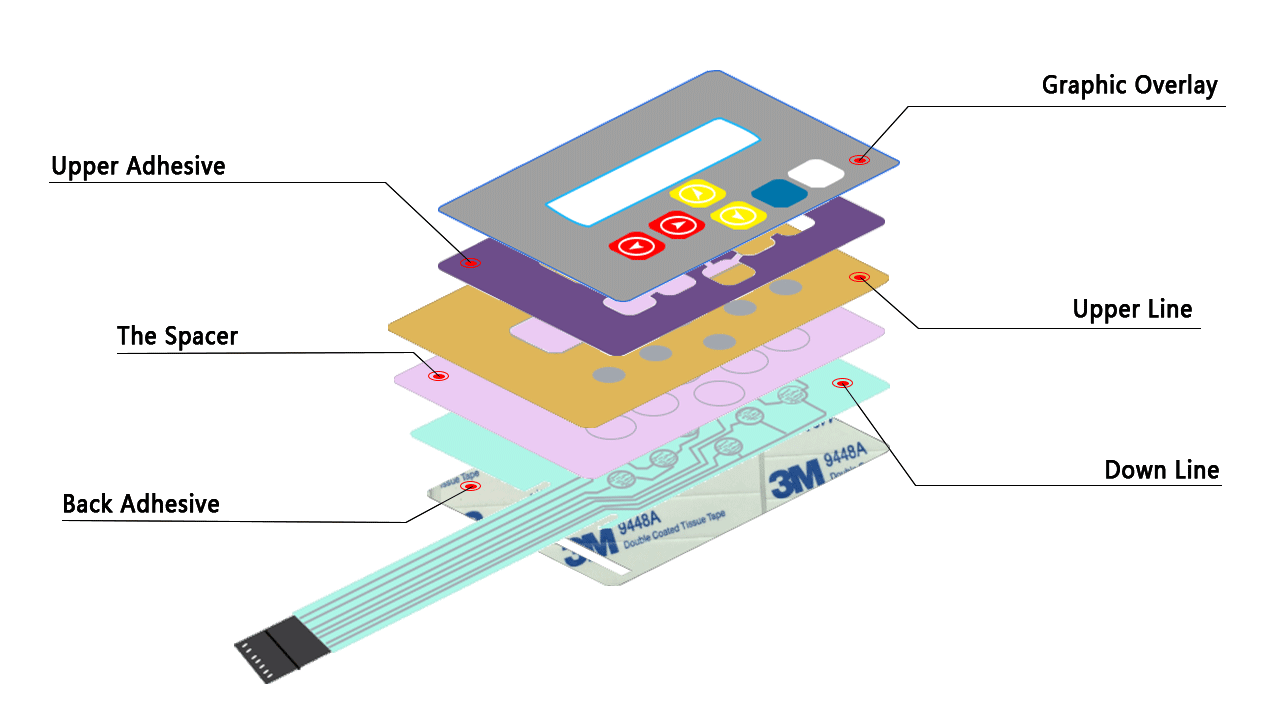
| Layer | Common Name / Function | Key Details & Materials |
|---|---|---|
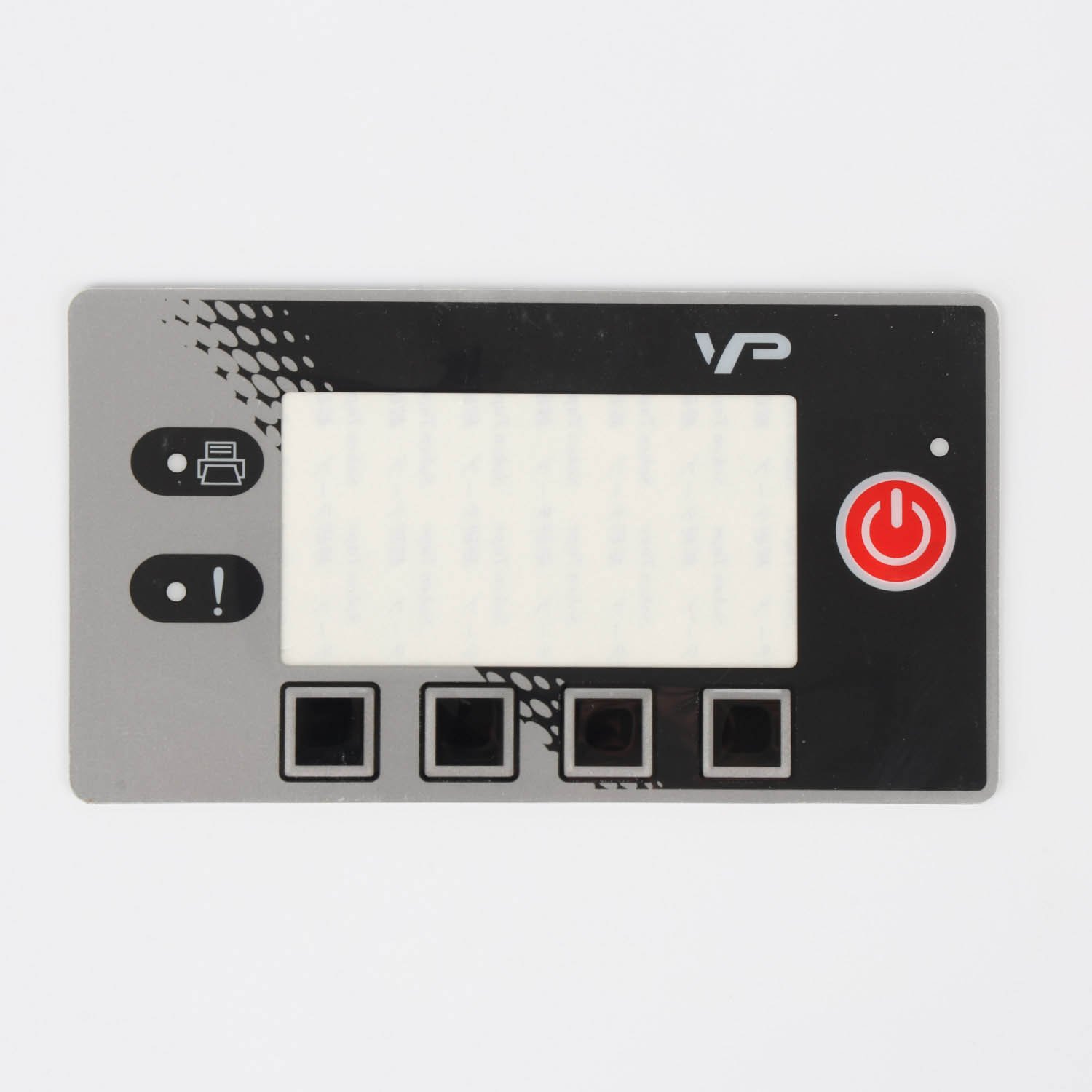
| Graphic Overlay | User Interface Surface | The topmost layer users see and touch. |
| Usually made of Polyester (PET) or Polycarbonate (PC). | ||
| Printed with icons, colors, and branding. Can be textured or embossed for better feel. | ||
| Upper Adhesive | Top Adhesive Layer | Bonds the Graphic Overlay down to the circuit spacer assembly. |
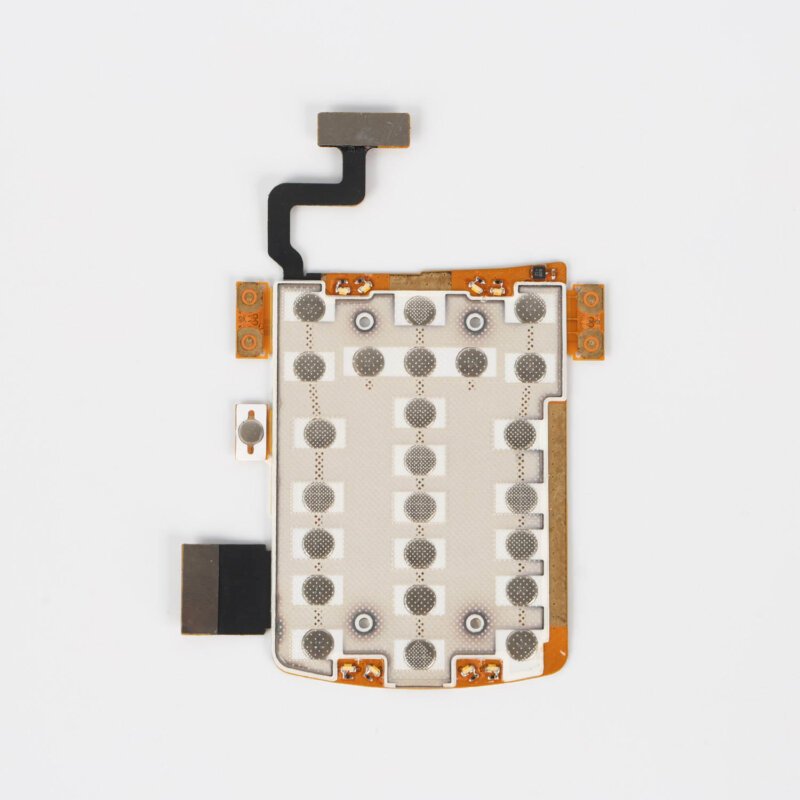
| Top Spacer | Spacer / Dome Cavity Layer | A PET layer with cavities (cut-outs) that define the active switch area and provide space for the “click” travel. |
| In tactile switches, the metal or polyester dome sits in this cavity. | ||
| Copper Circuit | Circuit Layer (Flexible Printed Circuit) | The conductive pathways. Copper on a flexible PET substrate offers superior durability and conductivity compared to printed silver ink. |
| The design defines the switch contacts and connects to the tail. | ||
| Insulation Ink | Dielectric Overcoat / Insulating Layer | A printed ink layer that covers and protects the copper traces, preventing short circuits. |
| It leaves only the intended contact points exposed. | ||
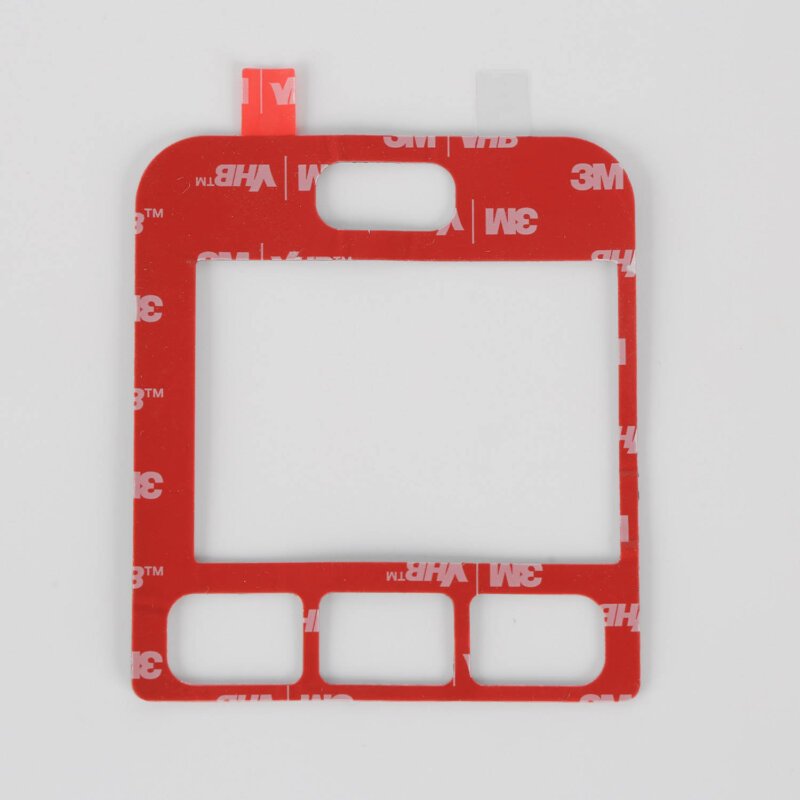
| Bottom Adhesive | Rear Adhesive / Mounting Layer | The adhesive used to permanently mount the entire membrane switch assembly onto the device enclosure or PCB. |
| Rigid Backer | Rigid Support Layer (Optional) | A stiffener (e.g., aluminum, stainless steel, or FR4) laminated to the back. |
| Provides structural support for free-standing keypads or areas with connectors. |
The widespread adoption of membrane keypads is driven by their distinct advantages over mechanical switches and touchscreens:
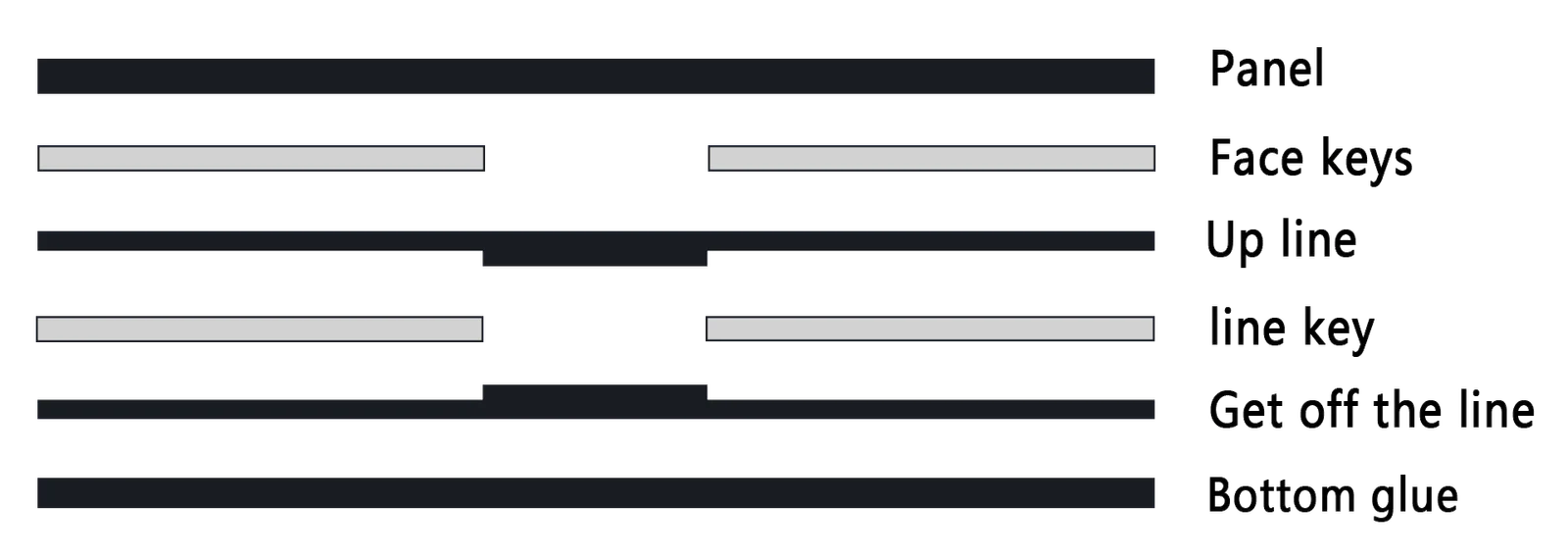
A non-tactile switch provides no physical “click” feedback. Activation is instead confirmed through visual (LED), audible (beep), or on-screen indicators. In this design, conductive traces on the upper and lower circuit layers connect when pressed. Non-tactile switches are often more resilient and can be rated for significantly more activations than their tactile counterparts.
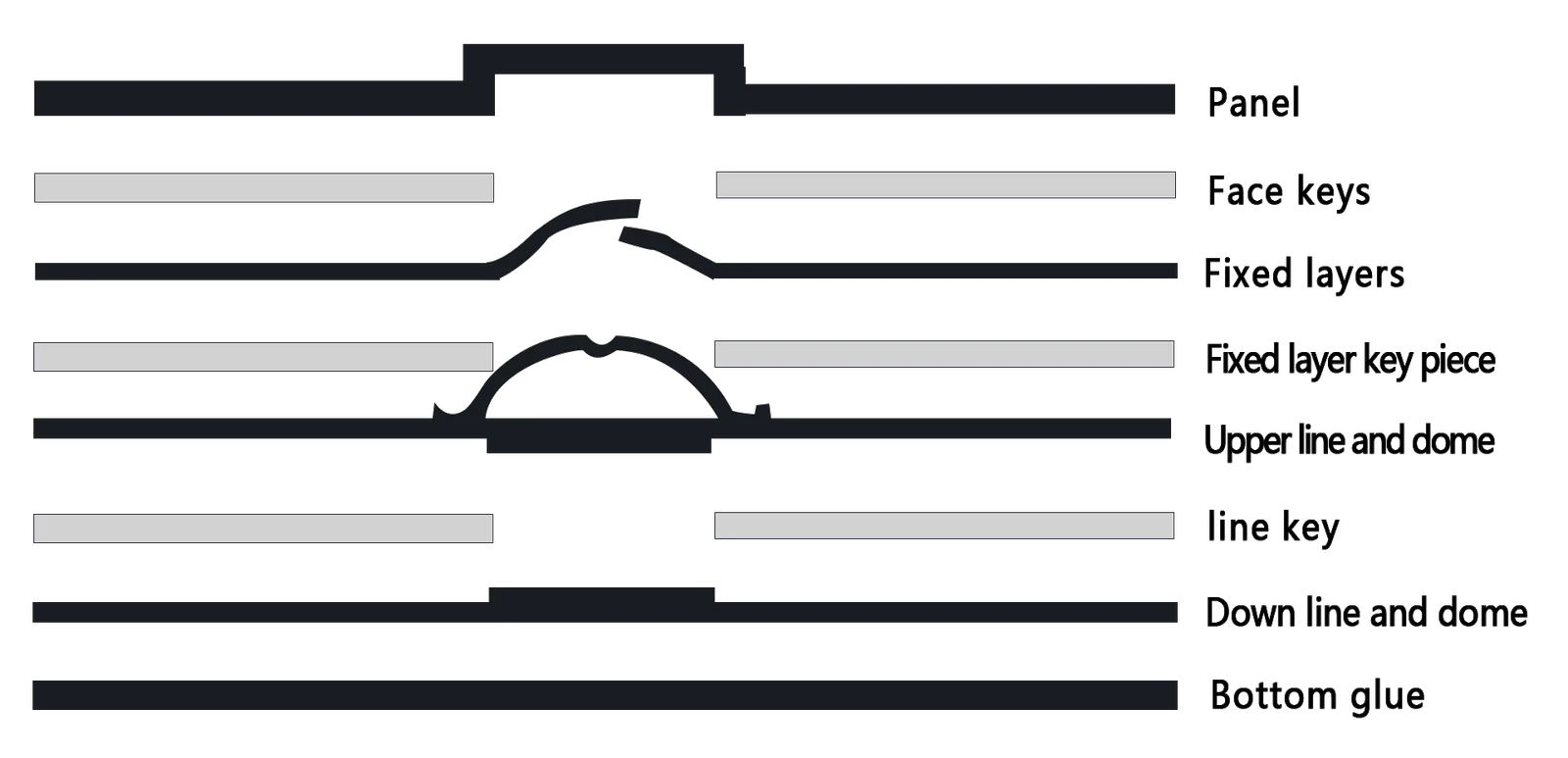
This type is engineered to deliver physical, tactile feedback—typically a “snap” or “click” sensation—to confirm an activation. This response is achieved by integrating a metal or polyester dome switch under the key area. The force, travel, and feel of this tactile membrane switch can be customized to meet specific application requirements.
The following table outlines the key technical specifications for a standard membrane switch:
| Parameter | 표준 범위 | High-end/Custom range |
|---|---|---|
| Actuation Force (Tactile) | 100gf – 500gf | 50gf – 1000gf |
| 운영 수명 | 1 Million cycles | Up to 5 Million+ cycles |
| 접촉 저항 | < 100 Ω | < 10 Ω |
| Operating Temperature | -20°C to +60°C | -40°C to +85°C |
| Ingress Protection (IP) | IP54 | IP67/IP68 |
| Circuit Traces | Silver/Carbon Ink | Copper Flex Circuits, Gold Plating |
| Embossing Height | 0.10mm – 0.50mm | Custom shapes & multi-level |
As a leading membrane switch manufacturer, Shanyo offers extensive customization to bring your interface to life:
The widespread adoption of membrane keypads is driven by their distinct advantages over mechanical switches and touchscreens:
The layered film construction allows for extremely thin and portable designs, ideal for space-constrained applications.
Simple design and abundant materials make them a more affordable solution than mechanical assemblies or capacitive touch screens, especially for medium to high volumes.
The completely flat, seamless front surface prevents dirt, liquid, and bacteria ingress, making membrane switch panels easy to wipe down and sterilize—a critical feature for medical and industrial use.
Offers unparalleled freedom for branding, color, layout, and tactile feel, allowing for the creation of a truly unique membrane button interface.
With no moving parts to wear out, the sealed construction provides excellent resistance to moisture, chemicals, and environmental contaminants.
Shanyo's Membrane Switches can be applied to various industries and specific products.
| Application Field | Typical Use Case | Key Benefits Provided by LGF Dome Sheets |
|---|---|---|
| 소비자 가전 | Smartwatch crowns, high-end remote controls, gaming controllers. | Delivers brand-defining uniform backlight and premium haptics in compact, design-driven devices. |
| Automotive Interiors | Steering wheel controls, center console touch panels, window switches. | Meets automotive-grade durability and temperature requirements while offering excellent visibility and feel. |
| Medical Devices | Patient monitor interfaces, portable diagnostic equipment. | Ensures clear, reliable operation in low-light environments; seamless surface is easy to clean and disinfect. |
| Industrial Controls & Home Appliances | Industrial HMI panels, control panels for premium kitchen appliances. | Provides a robust, reliable interface with excellent visibility in various lighting conditions. |
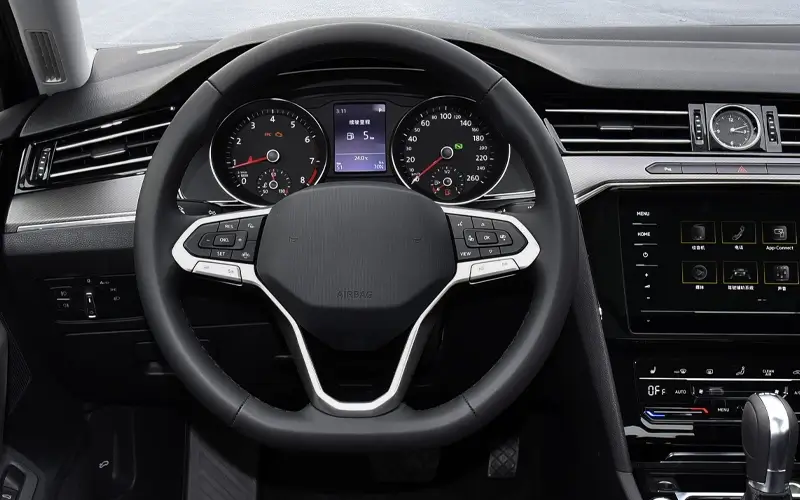
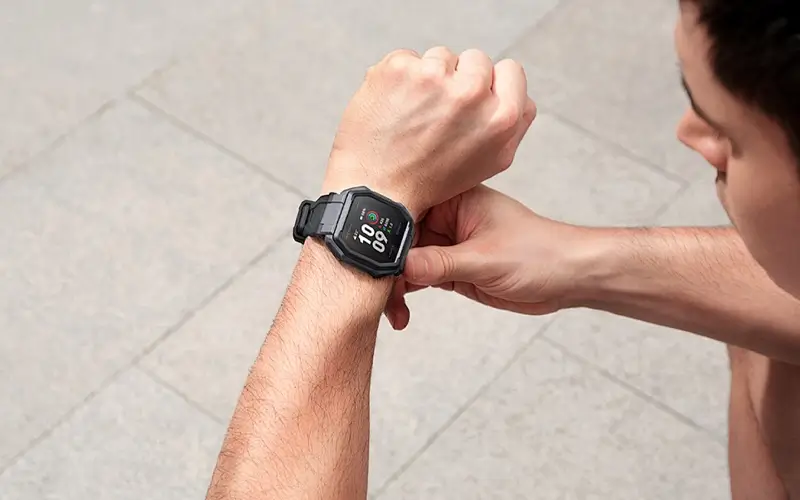
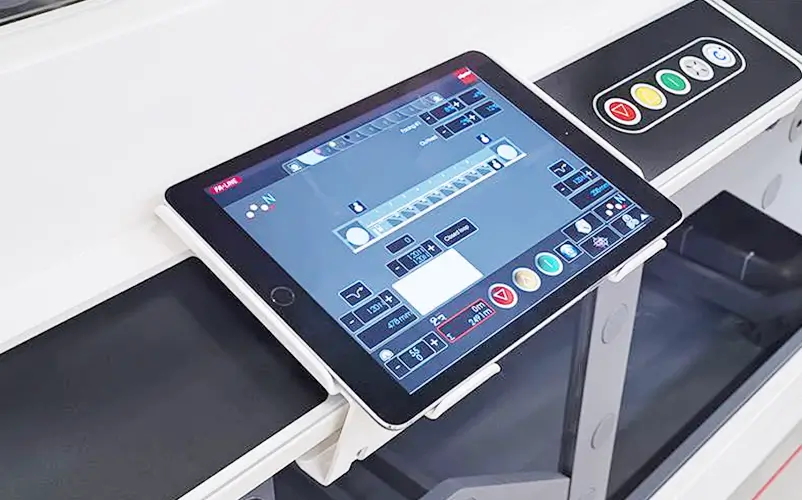
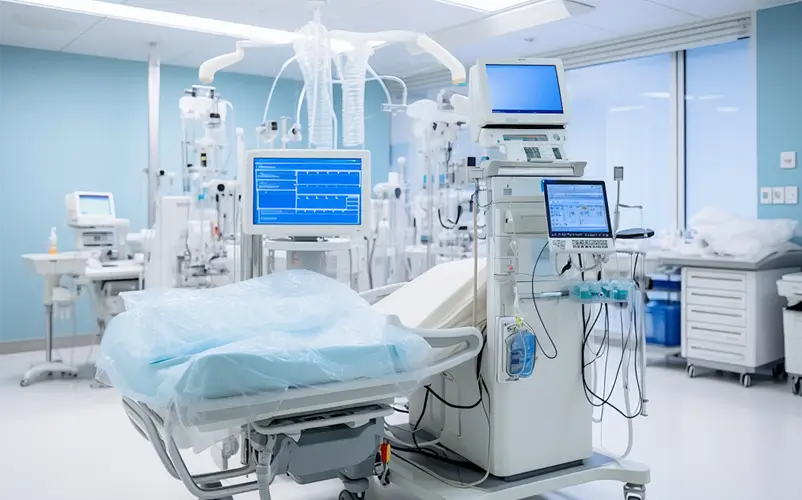


Shanyo collaborates with leading companies across various industries worldwide to design and manufacture membrane switches for them.
A: Membrane switches are flat, layered, and sealed, offering a lower profile, better environmental sealing, and lower cost. Mechanical switches are individual, bulky components with moving parts that protrude, offering a different tactile feel but with more crevices for contaminants.
A: The lifespan varies by design. A standard tactile membrane switch with metal domes is typically rated for 1 to 5 million activations. Non-tactile versions or those with advanced circuit printing can often exceed 5 million cycles.
A: Absolutely. One of their core strengths is environmental sealing. By using gaskets, specialized adhesives, and sealed connectors, a membrane switch panel can be engineered to meet high IP ratings such as IP67 or IP68 for complete protection against dust and water immersion.
A: Common methods include: LED indicators (for individual icons), Electroluminescent (EL) backlighting (for uniform, area-wide glow), and Light Guide Film (LGF) (for efficient and even distribution of light from edge-mounted LEDs).
A: Begin by defining your requirements: interface layout, desired tactile feedback (or non-tactile), environmental conditions (IP rating, temperature), electrical specs, and budget/volume. Contacting an experienced membrane switch manufacturer early in your design phase is the best way to ensure an optimal, cost-effective solution tailored to your needs.
멤브레인 스위치 패널 설치 시작하기 멤브레인 스위치 패널이 도착했습니다. 이제 어떻게 하나요? 뒷면을 벗겨서 붙이고 플러그를 꽂기만 하면 설치가 간단해 보입니다. 하지만 이 과정을 서두르면
멤브레인 스위치 패널이 실제로 무엇인지 이해하기 멤브레인 스위치 패널은 의료 기기, 체육관 장비, 가전 제품, 산업 기계에 사용됩니다. 오늘 여러 멤브레인 스위치 패널을 눌렀을 가능성이 높습니다.
The Fundamental Choice in Custom Membrane Switch Design When specifying membrane switch interfaces, one of the earliest decisions involves tactile feedback. Should buttons click when pressed? Or does a smooth,