
Why Selecting the Right Tactile Metal Dome Matters
Getting the switch component wrong can derail an entire product. It sounds dramatic, maybe, but anyone who has dealt with customer complaints about “mushy buttons” or “unresponsive controls” understands the frustration. The tactile metal dome sitting beneath that button surface determines everything about how the interaction feels.
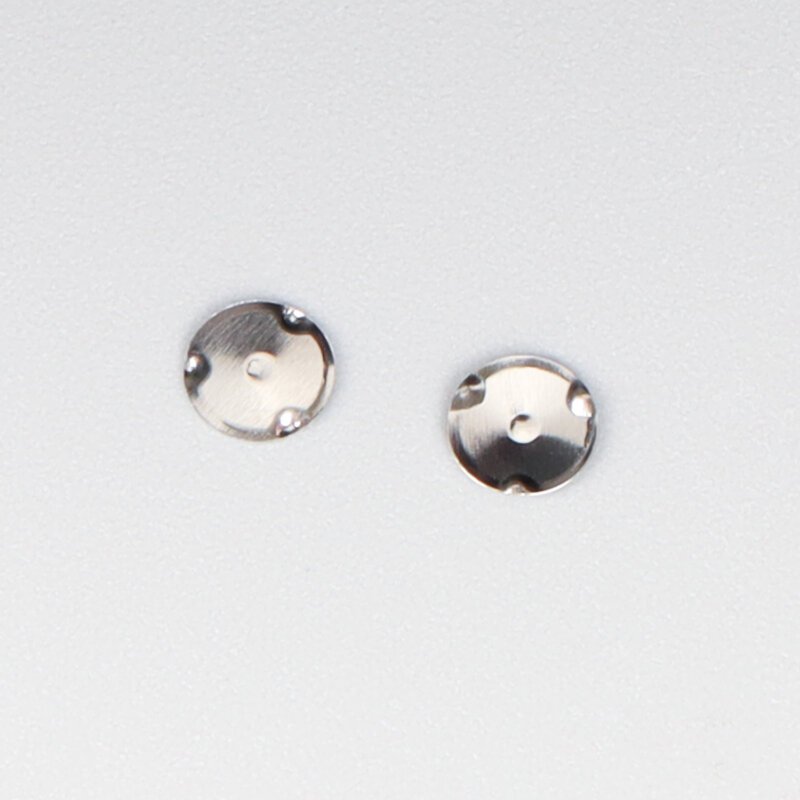
These small stainless steel components do heavy lifting in consumer electronics, medical devices, automotive controls, and industrial equipment. They create the satisfying click that tells users their input registered. Pick the wrong specification, and the user experience suffers noticeably—even if most people cannot articulate exactly what feels off.
The selection process involves balancing multiple factors. Force requirements, size constraints, lifespan expectations, and environmental conditions all play into the decision. There’s rarely one perfect answer, but understanding the tradeoffs makes finding the right fit considerably easier.
Understanding Tactile Metal Dome Specifications
Key Parameters That Define Performance
Before diving into catalogs or contacting suppliers, getting familiar with the core specifications helps tremendously. These numbers tell the story of how a dome will perform in actual use.
| Specification |
What It Means |
Typical Range |
|---|---|---|
작동력 |
Pressure needed to trigger snap |
100g to 600g |
Dome Diameter |
Overall size of the component |
4mm to 20mm |
Snap Ratio |
Percentage of force drop after actuation |
40% to 70% |
Travel Distance |
How far the dome moves when pressed |
0.15mm to 0.55mm |
Life Cycle Rating |
Number of presses before failure |
500K to 10M cycles |
The snap ratio deserves particular attention. A higher percentage means more pronounced tactile feedback—that crisp, definitive click users often prefer. Lower snap ratios produce softer, subtler responses that work better for applications requiring gentle touch.
Force Curves and User Experience
Every tactile metal dome has a characteristic force curve showing how resistance changes throughout the press cycle. The curve ramps up as the dome resists, peaks just before actuation, then drops sharply during the snap-through moment.
Understanding these curves proves valuable when matching components to applications:
Steep initial ramp = more resistance before click
Sharp peak followed by dramatic drop = crisp, pronounced feedback
Gradual transitions = softer, less distinct sensation
Quick return curve = responsive release and reset
The numbers on a datasheet only tell part of the story, honestly. Requesting samples and actually pressing them provides insights that specifications cannot fully capture.
Matching Tactile Metal Dome Selection to Application Requirements
Consumer Electronics Considerations
Consistent actuation force across millions of cycles
Compact dimensions fitting modern slim designs
Moderate snap ratio providing clear but not harsh feedback
Compatibility with membrane or PCB mounting approaches
Cost efficiency at high production volumes
Industrial and Medical Equipment
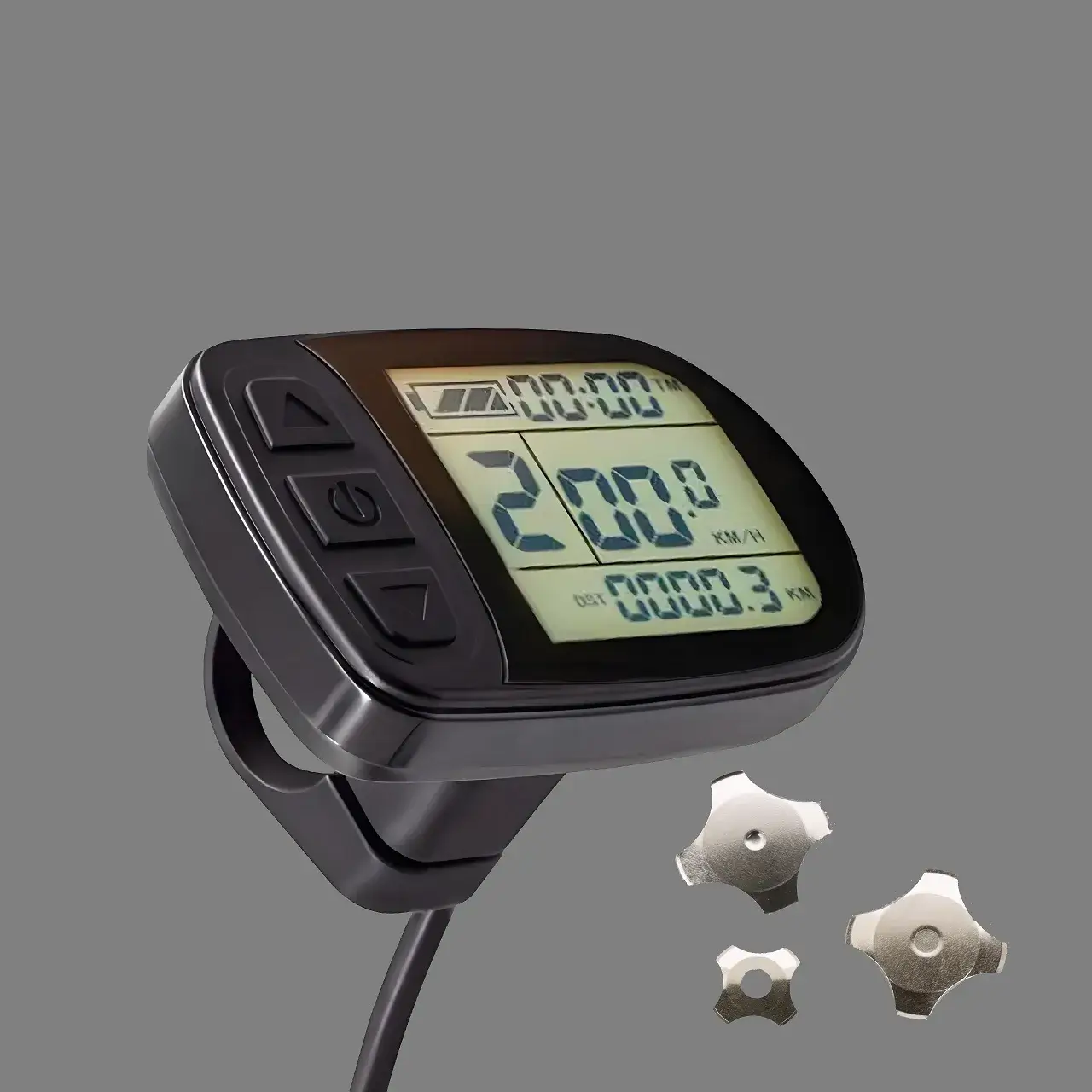
Heavier machinery and medical devices present different challenges entirely. Operators might wear gloves. Equipment faces harsh conditions. Reliability becomes absolutely critical—nobody wants a safety control failing during operation.
Industrial applications generally call for:
Higher actuation forces (300g to 500g range)
Larger dome diameters for easier targeting
Extended life cycle ratings beyond 5 million actuations
Enhanced corrosion resistance for harsh environments
Consistent performance across wide temperature ranges
Medical devices add regulatory considerations on top of everything else. Documentation, traceability, and material certifications matter as much as technical specifications.
Automotive Interior Controls
Vehicles occupy an interesting middle ground. Controls need to feel premium—responsive without being too light, substantial without excessive effort. The environment throws temperature extremes, humidity, and years of continuous use at the components.
Automotive-grade tactile metal dome selection involves evaluating:
Temperature stability from -40°C to 85°C minimum
Resistance to moisture ingress and condensation
Long-term force stability without degradation
Compatibility with backlighting requirements
Meeting relevant automotive quality standards
Material and Manufacturing Considerations
Stainless Steel Grades and Coatings
Most tactile metal dome components use stainless steel, but the specific grade impacts performance significantly. Common options include 301, 304, and 316 grades, each with distinct characteristics.
301 stainless offers excellent spring properties and work-hardening behavior, making it popular for general applications. 304 provides better corrosion resistance. 316 handles aggressive environments and salt exposure—important for marine or outdoor products.
Some applications benefit from additional treatments:
Gold plating for improved electrical contact reliability
Nickel plating for enhanced durability
Passivation treatments for corrosion protection
Configuration Options
Tactile metal dome components come in several formats depending on assembly requirements and production scale.
Individual domes work well for prototyping or low-volume production where manual placement remains practical. Dome arrays on carrier tape simplify automated pick-and-place assembly. Dome sheets with adhesive backing allow placement of multiple switches in a single step.
The right configuration depends heavily on production volumes and existing manufacturing capabilities. Higher automation generally justifies the setup cost for sheet or array formats.
자주 묻는 질문
What actuation force works best for handheld consumer devices?
Most handheld electronics perform well with tactile metal dome forces between 150g and 250g. This range provides clear feedback without causing finger fatigue during extended use. Gaming controllers sometimes go slightly higher for more deliberate actuation, while TV remotes might lean toward the lighter end.
How does dome diameter affect the tactile feeling?
Larger diameter domes generally produce more travel distance and a more pronounced snap sensation. Smaller domes offer compact packaging but typically feel crisper and quicker. The relationship between size and feel involves tradeoffs—bigger is not automatically better for every application.
Can tactile metal dome components be customized for specific requirements?
Yes, many manufacturers offer customization options including non-standard diameters, modified force curves, special coatings, and unique array configurations. Minimum order quantities for custom specifications vary by supplier, but the flexibility exists for products requiring particular characteristics not available in standard offerings.