방위 산업에 종사해 본 사람이라면 누구나 군용 장비는 일반 가전제품과 다르다는 사실을 알고 있습니다. 휴대용 무전기나 조종석 패널 내부의 스위치가 그렇죠? 모래, 염수 분무, 충격, 심지어 콘크리트 바닥에 떨어뜨려도 견뎌내야 합니다. 바로 여기에 메탈 돔 스위치 들어와요. 하지만 그냥 돔이 아닙니다. 군용 OEM은 수명이 긴 버전을 찾는 경향이 있는데, 선택 과정은 어떻게 되나요? 놀라울 정도로 세밀합니다. (그리고 솔직히 조금 까다롭기도 하죠.)
가장 저렴한 부품을 구하는 것이 중요한 것이 아닙니다. 스위치의 실패는 곧 임무의 실패로 이어질 수 있다는 것을 아는 것이 중요합니다. 그렇다면 이러한 OEM은 실제로 어떻게 선택할까요? 엔지니어가 문제에 접근하는 방식을 관찰한 결과를 바탕으로 가장 중요하다고 생각되는 사항을 살펴보겠습니다.
군용 애플리케이션에 긴 수명의 메탈 돔 스위치가 중요한 이유
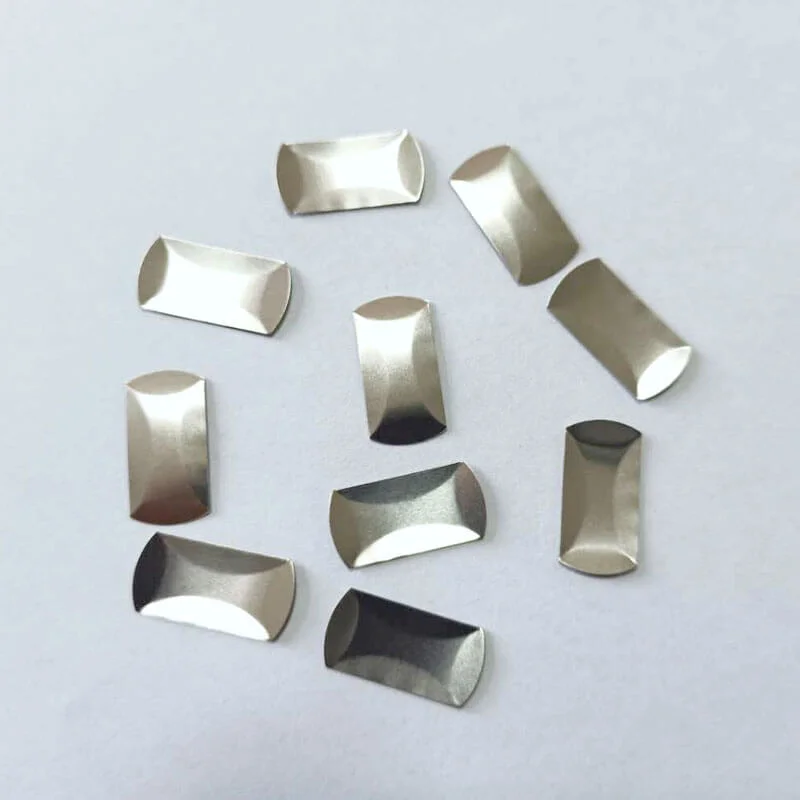
우선, “긴 수명'은 단순한 마케팅 용어가 아닙니다. 군용 사양에서는 최소 100만에서 최대 500만 번의 작동을 의미합니다. 표준 돔의 수명이 50만 회인 것과 비교해 보세요. 군인이 매일 장갑을 끼고 빗속에서 키패드를 사용한다고 생각하면 그 차이는 분명해집니다.
내구성이 주목받는 몇 가지 이유가 있습니다:
전진 작전 기지의 돔을 그냥 교체할 수 있는 경우는 거의 없습니다.
열악한 환경은 마모를 가속화합니다. 먼지, 습도, 온도 변화는 모두 돔을 설계할 때 고려하지 않으면 수명을 단축시킵니다.
촉각 피드백은 일관성을 유지해야 합니다. 클릭이 부드럽거나 일관되지 않으면 사용자에게 혼란을 줄 수 있습니다(이는 안전 문제입니다).
따라서 수명이 긴 메탈 돔 스위치는 정기적으로 사용하는 모든 군용 인간-기계 인터페이스의 기본 선택이 됩니다. 노트북의 키패드, 핸드헬드 컨트롤러, 심지어 일부 차량 대시보드에도 사용됩니다. 일부 OEM은 하루에 50번 정도 누르는 버튼에 5백만 회 사이클 돔을 사용하는 등 실제로 과잉 사양을 요구하는 경우도 있습니다. 하지만 이는 군대식 사고방식입니다. 필요 없는 것보다 있는 것이 낫다는 것이죠.
군용 OEM이 고려하는 주요 성능 매개변수
엔지니어가 메탈 돔 스위치를 평가할 때는 단순히 숫자 하나만 보지 않습니다. 전체 목록이 있습니다. 그리고 프로그램에 따라 우선 순위가 바뀝니다. 잠수함 패널의 경우? 내식성이 가장 중요합니다. 휴대용 드론 컨트롤러의 경우? 무게와 작동력이 우선시될 수 있습니다.
다음은 공급업체의 데이터 시트나 내부 검토에서 볼 수 있는 일반적인 비교표입니다:
| 매개변수 | 일반적인 군 요구 사항 | 중요한 이유 |
|---|---|---|
| 작동력 | 180g - 400g(장갑 착용 시) | 실수로 누르는 것을 방지 |
| 주기 수명 | 1M - 5M 작동 | 유지보수 및 장애 위험 감소 |
| 작동 온도 | -40°C ~ +85°C(또는 그 이상) | 북극 또는 사막 환경에서도 작동 |
| 접촉 저항 | <100mΩ(초기), 수명 내내 안정적 | 신호 무결성 보장 |
| IP 등급(밀폐된 경우) | IP67 이상 | 통합 시 물/먼지 차단 |
| 돔 재질 | 스테인리스 스틸(종종 니켈 도금) | 부식 및 응력 피로에 대한 내성 |
모든 군사 프로젝트에 이 모든 기능이 최대 수준으로 필요한 것은 아니라는 점을 지적할 필요가 있습니다. 예를 들어 지상 레이더 패널은 염수 분무에 대해 신경 쓰지 않을 수 있습니다. 하지만 해군 시스템이라면요? 당연하죠. 일부 프로그램에서는 네 개의 다리 금속 돔 진동에 대한 안정성을 높이기 위해 여분의 다리는 수천 번의 작동 후에도 돔의 중심을 유지하는 데 도움이 되며, 이는 공중 또는 차량에 장착된 장비에 더욱 중요합니다. 따라서 선택 과정은 일반적으로 “필수” 목록으로 시작하여 돔을 비교하는 방식으로 진행됩니다.
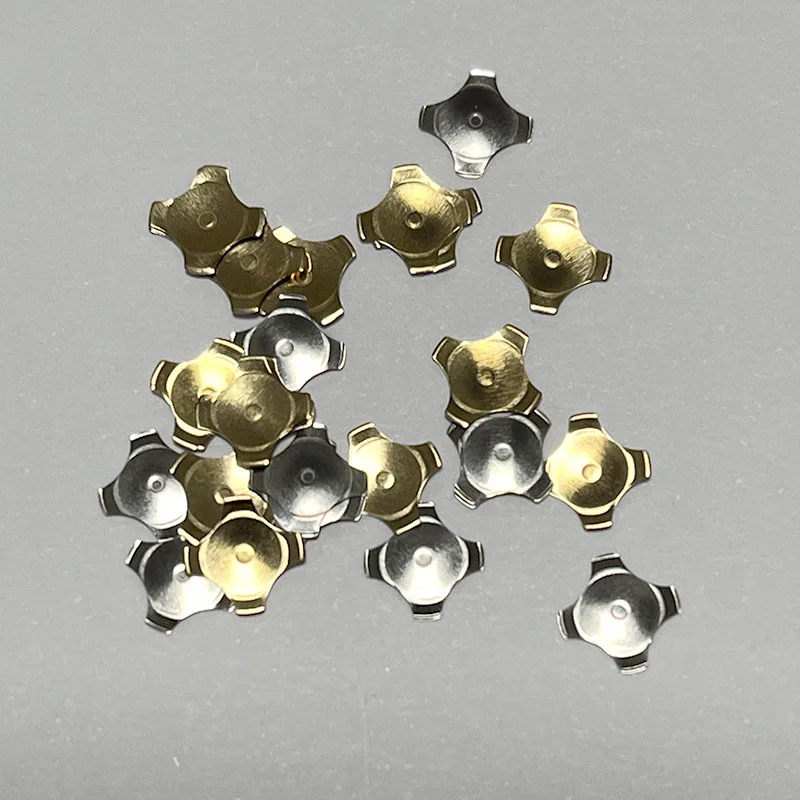
작동력 및 촉각 비율
업계 외부의 사람들을 놀라게 하는 한 가지 사실은 군사용자들이 종종 더 무거운 느낌. 일반 소비자용 기기는 150g~200g의 작동력을 목표로 합니다. 군용 메탈 돔 스위치는요? 때로는 300g 이상입니다. 그 이유는? 두꺼운 장갑 때문입니다. 또한 버튼이 너무 가벼우면 배낭 안에서 실수로 작동할 수도 있습니다. 따라서 OEM은 다양한 촉각 비율(대략적으로 말하자면 스냅 비율)을 테스트하여 피드백과 실수로 누르는 것을 방지하는 것 사이의 균형을 찾습니다.
환경 씰링 - 완전히 다른 도전
여기서 문제가 발생합니다. 금속 돔 자체는 방수가 되지 않습니다. 멤브레인이나 고무 키패드 오버레이가 필요합니다. 군용 OEM은 종종 조합 돔만 사용하는 것보다 돔+씰을 사용하는 것이 좋습니다. 씰이 추가적인 저항을 일으키거나 습기를 가두면 기대 수명이 떨어질 수 있습니다. 일부 공급업체는 씰링이 통합된 사전 조립식 돔 어레이를 제공하는데, 이러한 제품은 노출된 애플리케이션에 더 많은 관심을 받는 경향이 있습니다.
메탈 돔 스위치의 테스트 및 검증 프로세스
수명이 긴 메탈 돔 스위치는 생산에 들어가기도 전에 두들겨 맞습니다. 말 그대로입니다. 일반적인 검증 프로세스(실험실 견학 및 사양서에서 관찰된 바와 같이)에는 다음이 포함됩니다:
수명 주기 테스트 - 자동화된 프레스 기계가 고장나거나 정격 주기를 초과할 때까지 연중무휴 24시간 가동됩니다.
온도 사이클링 - -50°C에서 +90°C까지 반복하여 각 사이클 후 촉감을 확인합니다.
염수 분무 노출 - 48~96시간 후 접촉 저항 변화를 측정합니다.
낙하 및 충격 - 테스트 고정 장치에 장착하여 1.2m 높이에서 콘크리트 바닥에 떨어뜨렸습니다. (일부 사양은 여러 번 떨어뜨린 후에도 작동해야 합니다.)
ESD 및 과전압 - 건조한 환경에서는 정전기 방전이 실제로 발생하기 때문입니다.
모든 돔이 통과하는 것은 아닙니다. 실제로 군용 등급의 온도 사이클에서는 의외로 많은 수의 “장수명” 부품이 조기에 고장납니다. 돔을 제자리에 고정하는 접착제는? 부서지기 쉽습니다. 또는 돔 소재 자체가 반복적인 열팽창으로 인해 스냅을 잃을 수도 있습니다. 따라서 OEM은 공급업체가 데이터를 제공하더라도 자체적으로 내부 테스트를 실행하는 경우가 많습니다. ('믿되 검증하라'는 말이 있듯이 말이죠.)
방위 장비용 메탈 돔 스위치를 선택할 때 흔히 범하는 함정
숙련된 엔지니어도 실수를 할 수 있습니다. 몇 가지 반복되는 문제:
스트로크 길이 간과 - 너무 짧으면 장갑을 끼면 촉각 피드백이 사라집니다. 너무 길면 돔이 느리게 느껴집니다.
PCB 랜드 패턴 호환성 무시 - 돔마다 다른 접촉 패드 디자인이 필요합니다. 나중에 변경하면 비용이 많이 듭니다.
모든 스테인리스 스틸 돔이 부식에 강하다고 가정 - 적절한 도금(니켈 또는 금)이 없으면 노출된 스틸은 습한 보관 환경에서 녹이 슬 수 있습니다.
따라서 선택 과정은 반복적인 경향이 있습니다. 돔을 선택하고, 프로토타입 키패드를 제작하고, 환경 챔버에서 테스트한 다음 다시 돌아가서 돔의 힘 곡선을 변경할 수도 있습니다. 최종 승인을 받기까지 서너 차례의 평가를 거치는 것은 드문 일이 아닙니다.
자주 묻는 질문
군용 애플리케이션에서 메탈 돔 스위치의 일반적인 수명은 어떻게 되나요?
군용 OEM에서 사용하는 대부분의 수명이 긴 메탈 돔 스위치는 100만에서 500만 사이클 사이입니다. 그러나 실제 수명은 작동 환경, 작동 속도, 키패드의 밀봉 여부에 따라 달라질 수 있습니다. 일부 프로그램은 중요하지 않은 버튼에 대해 500만 회를 허용합니다. 기본 컨트롤의 경우 3백만 회가 일반적인 적정 수명입니다.
메탈 돔 스위치는 염수 분무와 높은 습도를 견딜 수 있나요?
예, 하지만 주의할 점이 있습니다. 표준 스테인리스 스틸 돔은 염수 분무에 의해 시간이 지남에 따라 부식될 수 있습니다. 그렇기 때문에 군용 돔은 니켈 도금이나 금도금을 하는 경우가 많습니다. 또한 접착층(돔이 캐리어 테이프 위에 있는 경우)은 습기 흡수에 저항해야 합니다. 관찰자들은 밀폐된 멤브레인 어셈블리가 습도가 높은 조건에서 노출된 돔보다 성능이 더 좋다고 말합니다.
메탈 돔 스위치는 촉각 고무나 기계식 스위치와 같은 다른 스위치 유형과 비교하면 어떤 차이가 있나요?
군사용의 경우 금속 돔 스위치가 중간 지점을 제공합니다. 금속 돔 스위치는 부드러운 촉감의 고무 키패드보다 더 선명한 촉각 피드백을 제공하며 일반적으로 움직이는 부품이 많은 소형 기계식 스위치보다 더 안정적입니다. 정전식 터치와 비교하면? 돔은 장갑을 끼고 사용할 수 있으며 표면 접촉이 필요하지 않습니다. 돔은 소음이 크고(딸깍거리는 소리) 작동력이 고정적일 수 있다는 단점이 있습니다. 그렇지만 많은 OEM이 크기, 무게, 안정성을 최우선으로 고려하는 푸시 버튼 어레이에 돔을 선호합니다.