What Makes Dome Array Technology Essential in Modern Vehicles
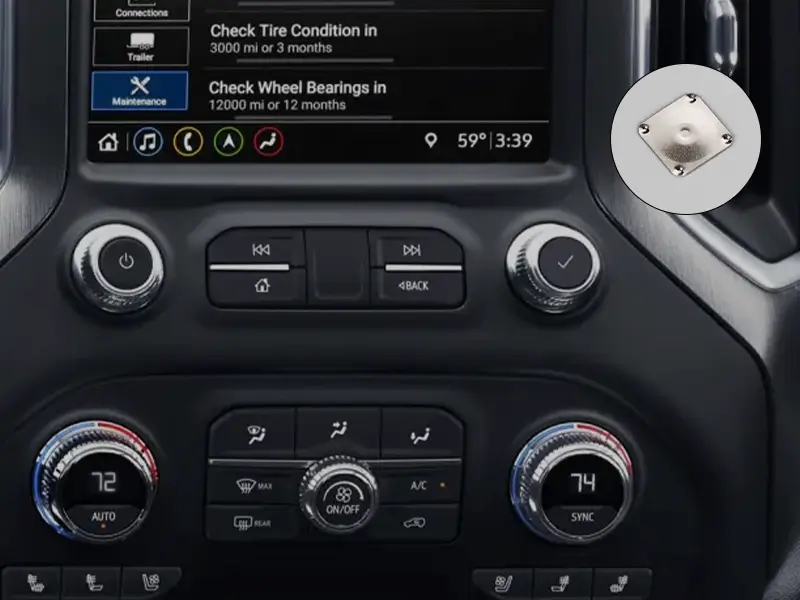
The automotive industry has been quietly revolutionizing how drivers interact with their vehicles. Button modules in cars—from steering wheel controls to center console interfaces—require consistent tactile feedback that drivers can trust without looking. This is where 돔 배열 solutions come into play, offering a surprisingly elegant answer to what seems like a simple problem.
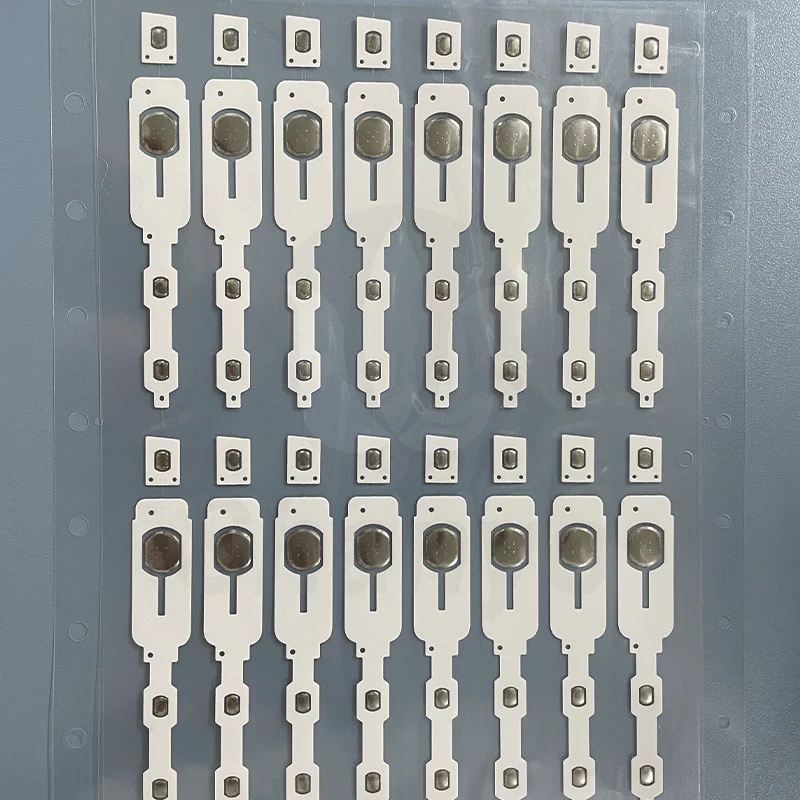
Traditional button assembly methods involved individual metal domes placed one by one, which was time-consuming and prone to inconsistencies. The dome array approach consolidates multiple tactile domes onto a single substrate, fundamentally changing how manufacturers approach button module production.
The Basic Structure of Automotive Dome Arrays
A typical dome array consists of several key components working together. The metal domes themselves (usually stainless steel) are precisely positioned on a polyester or adhesive backing. Each dome provides that satisfying “click” feeling when pressed, with force curves engineered for specific applications.
The substrate holds everything in place during assembly and throughout the product’s lifetime. Some designs include additional layers for environmental protection, which matters quite a bit when you consider the temperature extremes and vibrations inside a vehicle.
How Dome Array Streamlines the Assembly Process
Reducing Assembly Steps and Labor Costs
Instead of placing dozens of individual domes, assembly line workers now handle a single dome array component. This shift cuts assembly time significantly—sometimes by 60% or more compared to traditional methods. The labor cost savings add up quickly when producing thousands of units.
There’s also less room for human error. When each dome arrives pre-positioned, the chances of misalignment or missing components drop dramatically. Quality control becomes simpler because inspectors can verify the entire array at once rather than checking individual placements.
Consistency Across Production Runs
Manufacturing consistency matters more than people might initially think. When every button in every vehicle provides the same tactile response, it builds subconscious trust with drivers. Dome arrays deliver this consistency because the domes are positioned using automated equipment with tight tolerances.
Here’s a comparison of key metrics:
| Assembly Method |
Average Assembly Time
|
Defect Rate
|
구성 요소 수
|
|---|---|---|---|
|
Individual Domes
|
8-12 minutes
|
2.5-4%
|
25-40 pieces
|
|
돔 배열
|
3-5 minutes
|
0.5-1.2%
|
1-3 pieces
|
|
Hybrid Approach
|
5-7 minutes
|
1.5-2.5%
|
8-15 pieces
|
Design Flexibility and Customization Options
Adapting to Different Button Layouts
Vehicle interiors vary widely between models and manufacturers. Some need compact steering wheel controls, others require expansive center console arrays. Dome array technology accommodates these differences without requiring entirely new assembly processes.
Engineers can specify:
Dome diameter (typically 4mm to 12mm for automotive applications)
Actuation force (ranging from 180g to 600g depending on the button’s purpose)
Dome spacing and arrangement patterns
Substrate material based on environmental requirements
The flexibility extends to mixed configurations too. A single array might include different dome sizes or force ratings, which is useful when some buttons need lighter touch (like audio controls) while others need firmer actuation (like hazard lights).
Integration with Modern Circuit Designs
Most automotive button modules use either membrane switches or PCB-mounted switches beneath the dome array. The array sits on top, providing the mechanical feedback while the electrical contacts below register the input. This specific configuration—often referred to simply as a dome array in automotive applications—balances cost, durability, and tactile feel better than many alternative designs.
This layered approach simplifies troubleshooting and repairs. If there’s an electrical issue, technicians can address the circuit layer without disturbing the tactile mechanism. Conversely, if a dome fails (which is rare), the electrical components remain intact.
Durability and Reliability Considerations
Automotive components face harsh conditions. Temperature swings from -40°C to 85°C aren’t uncommon. Add in humidity, vibration, and millions of actuation cycles over a vehicle’s lifetime, and the engineering challenges become clear.
Quality dome arrays handle these stresses through material selection and design. Stainless steel domes resist corrosion and maintain their spring characteristics across temperature ranges. The adhesive backing needs to withstand both heat and cold without losing grip or becoming brittle.
Testing Standards and Lifecycle Expectations
Manufacturers typically test dome arrays to at least 1 million cycles, though many automotive applications specify 3-5 million cycles. The testing includes:
Mechanical cycling at various temperatures
Humidity exposure tests
Vibration testing matching automotive standards
Force curve verification throughout lifecycle
Adhesion strength testing after environmental exposure
Real-world performance often exceeds these test parameters, which explains why button failures in modern vehicles are relatively uncommon compared to other electronic components.
Cost-Benefit Analysis for Manufacturers
The initial tooling cost for dome array production runs higher than buying individual domes off the shelf. However, the break-even point arrives quickly once production volumes reach moderate levels.
Beyond direct cost savings, there are indirect benefits:
Reduced inventory complexity (one part number instead of many)
Faster line changeovers between different vehicle models
Lower warranty claims due to improved reliability
Simplified supplier management
Some manufacturers report total cost reductions of 20-30% when switching to dome array solutions for high-volume button modules.
자주 묻는 질문
Can dome arrays be repaired if a single dome fails?
Generally no—dome arrays are designed as complete assemblies. However, failures are uncommon enough that replacement rather than repair makes economic sense. The entire array can be swapped out quickly during service.
How do dome arrays perform in extreme cold climates?
Properly designed automotive dome arrays maintain their tactile characteristics down to -40°C. The stainless steel domes and specialized adhesives are selected specifically for temperature stability, so drivers in cold regions shouldn’t notice any difference in button feel.
Are dome arrays compatible with backlit button designs?
Yes, dome arrays work well with backlighting. The substrate can be transparent or include cutouts for light transmission. LED placement happens on the circuit layer below, with light passing through or around the dome array to illuminate button legends.