How Metal Domes Enable Haptic Feedback in Car Controls

  1. Home
  2. »
  3. 지식
  4. »
  5. Where Are Membrane Switches Used? Common Applications Explained

The Role of Metal Domes in Modern Automotive Interfaces

Walk into any car showroom today, and the dashboard looks nothing like it did even a decade ago. Touchscreens dominate. Sleek buttons replace chunky knobs. But here’s something interesting—drivers still crave that satisfying click when they press a control. That physical confirmation matters, especially when eyes need to stay on the road.

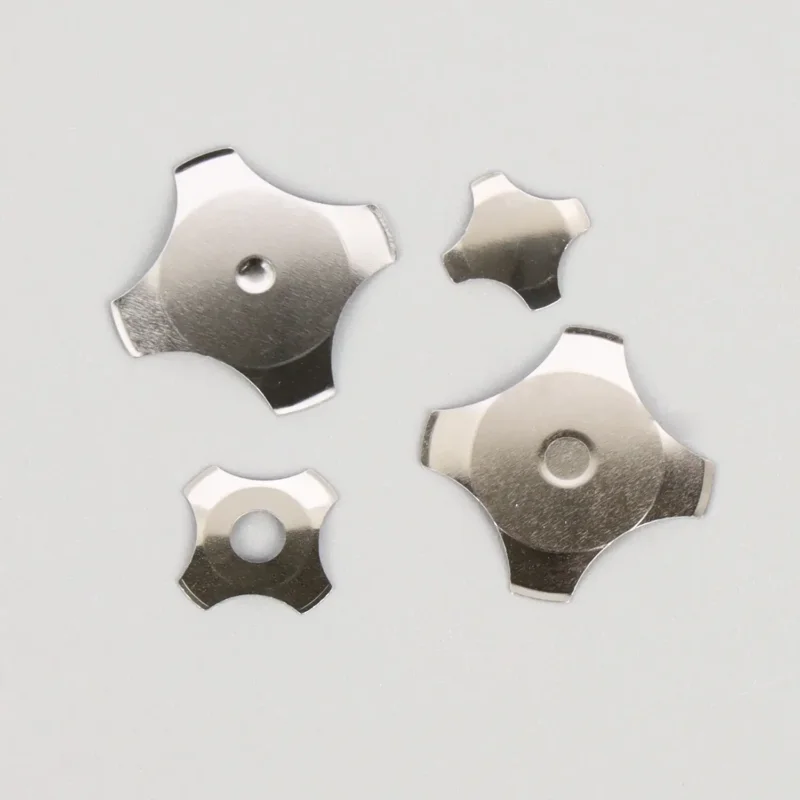
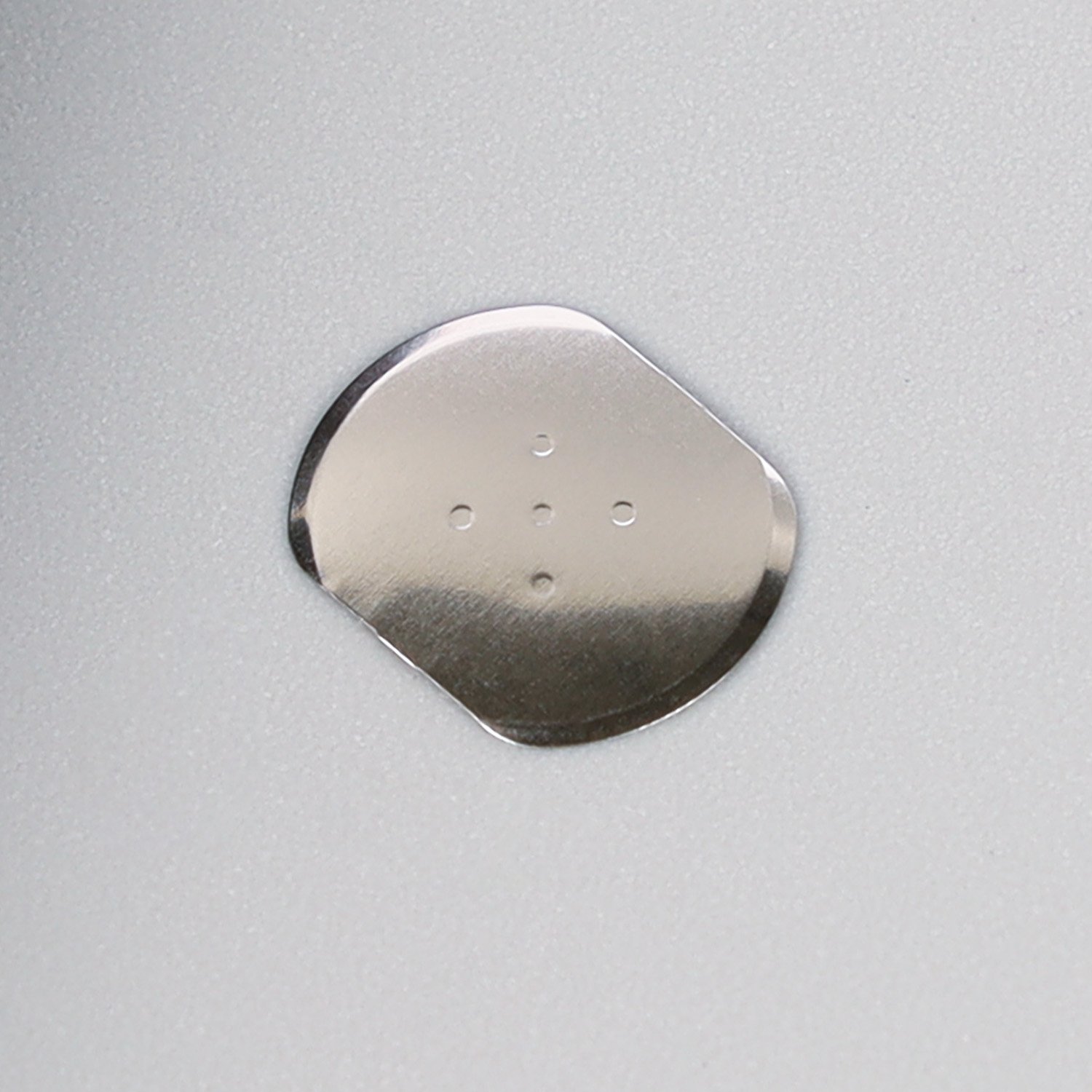
Metal domes sit at the heart of this tactile experience. These small, dome-shaped components made from stainless steel or other alloys create the “snap” sensation drivers feel when adjusting climate settings, changing radio stations, or activating safety features. The technology seems simple on the surface, yet the engineering behind it proves remarkably sophisticated.

Unlike membrane switches that feel mushy or unresponsive, metal domes provide crisp actuation. The dome inverts when pressed, creating both an audible click and physical resistance that tells the user, yes, that command registered. It’s the kind of feedback people don’t consciously think about until it’s missing.

 
Four-Legs-Tactile-Switch

Understanding How Metal Domes Generate Haptic Response

The Mechanics Behind the Click

When pressure applies to a metal dome, the curved structure resists initially. This resistance builds until reaching what engineers call the “snap point”—the moment when the dome suddenly inverts. That rapid movement generates kinetic energy perceived as tactile feedback.

The whole process happens in milliseconds:

  1. Finger applies downward pressure to the button surface

  2. Force transfers through the actuator to the metal dome

  3. Dome structure resists until critical force threshold

  4. Sudden inversion creates snap sensation and electrical contact

  5. Dome returns to original shape when pressure releases

This mechanical action differs fundamentally from software-generated vibrations found in smartphones. The feedback comes from actual physical movement, which many users find more natural and reliable.

Material Properties That Matter

Property
Effect on Performance
Typical Range
Dome Diameter
Affects actuation force and travel distance
4mm to 20mm
Material Thickness
Determines snap ratio and durability
0.05mm to 0.15mm
Dome Height
Influences tactile feel and switch travel
0.15mm to 0.40mm
Stainless Steel Grade
Impacts corrosion resistance and lifespan
301, 304, 316 grades

Automotive applications typically require domes that can withstand temperature extremes, humidity, and millions of actuation cycles without degradation. The operating environment inside vehicles—from freezing winters to scorching summers—demands exceptional material resilience.

Why Car Manufacturers Choose Metal Domes for Control Systems

Safety Considerations Drive Design Choices

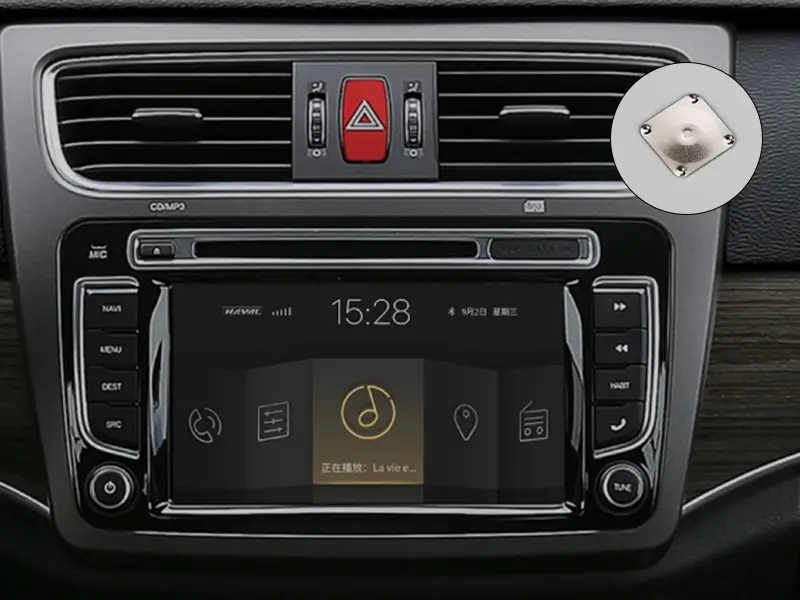
Distracted driving remains a leading cause of accidents. When drivers need to fumble with controls or look away from the road to confirm a button press, risk increases substantially. As a critical component in car interior control systems, the metal domes in car application addresses this concern directly by providing unmistakable tactile confirmation.
 
The feedback loop works something like this: press, feel the click, know it worked. No second-guessing. No repeated pressing. Eyes stay forward.

Some benefits that make these components attractive for automotive use:

  • Consistent actuation force across millions of cycles

  • Reliable performance in temperature ranges from -40°C to 85°C

  • Resistance to moisture and contaminants

  • Long operational lifespan exceeding 5 million actuations

  • Compatible with backlighting and aesthetic design requirements

car interior

Integration with Modern Touch Interfaces

Here’s where things get particularly interesting. Many vehicles now combine touchscreens with physical controls, and metal domes often work alongside capacitive sensing technologies. A driver might see a flat, seamless button surface that looks purely electronic but still delivers that mechanical click underneath.

This hybrid approach gives designers flexibility. The exterior maintains a premium, modern appearance while the underlying metal dome technology ensures functional reliability. It’s a marriage of aesthetics and practicality that satisfies both marketing departments and engineering teams.

Applications Beyond Basic Buttons

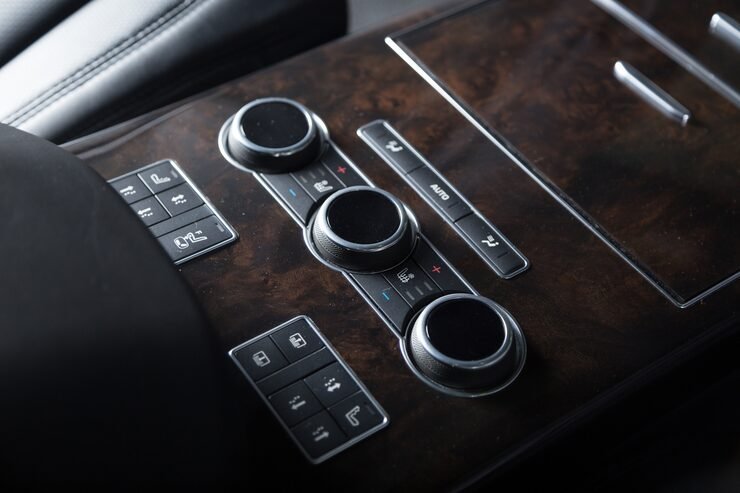
Metal domes appear throughout vehicle interiors in ways most passengers never notice. Steering wheel controls, gear selectors, window switches, seat adjustment panels—basically anywhere consistent tactile response improves usability.

The technology scales well too. Smaller domes work for compact multimedia controls, while larger variants handle applications requiring more substantial feedback. Array configurations allow multiple switches to share a single membrane layer, simplifying manufacturing and assembly.

Emerging applications include:

  • Steering wheel haptic controls for driver assistance systems

  • Center console interfaces in electric vehicles

  • Door panel switches with premium tactile characteristics

  • Climate control systems requiring intuitive blind operation


자주 묻는 질문

How long do metal domes typically last in automotive applications?

Quality metal domes designed for automotive use generally exceed 5 million actuation cycles, though some high-grade components reach 10 million or more. This longevity means the switches should outlast the vehicle itself under normal usage conditions.

Absolutely. Manufacturers adjust dome geometry, material thickness, and alloy composition to achieve specific force curves and snap ratios. Some applications call for soft, subtle feedback while others need firm, pronounced clicks—both achievable through design modifications.

Automotive-grade metal domes operate across temperature ranges typically spanning -40°C to 85°C or beyond. The mechanical nature of the feedback mechanism means performance remains consistent regardless of temperature, unlike some electronic alternatives that may drift or fail in extreme conditions.

목차

블로그 카테고리

문의하기

맨 위로 스크롤

문의하기