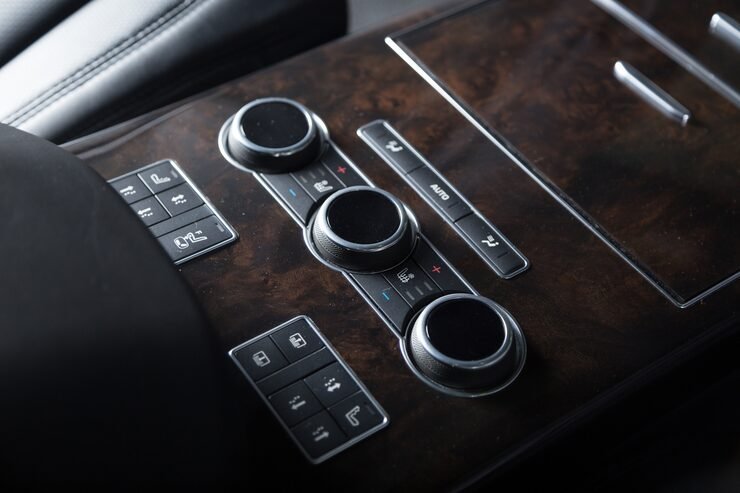
When designing a modern smart remote, the tactile interface is often the most scrutinized feature by the end-user. Whether it’s a minimalist TV remote or a complex industrial controller, the physical “click” provides the essential confirmation that a command has been sent. Achieving this consistently across millions of units requires more than just a simple switch; it requires a high-performance metal dome switch integrated into a stable carrier.
For manufacturers and PCB designers, 돔 배열 (also called metal dome sheets) have become the standard solution for managing multiple tactile points with high precision and low assembly overhead.
The Mechanical Advantage of Metal Dome Arrays
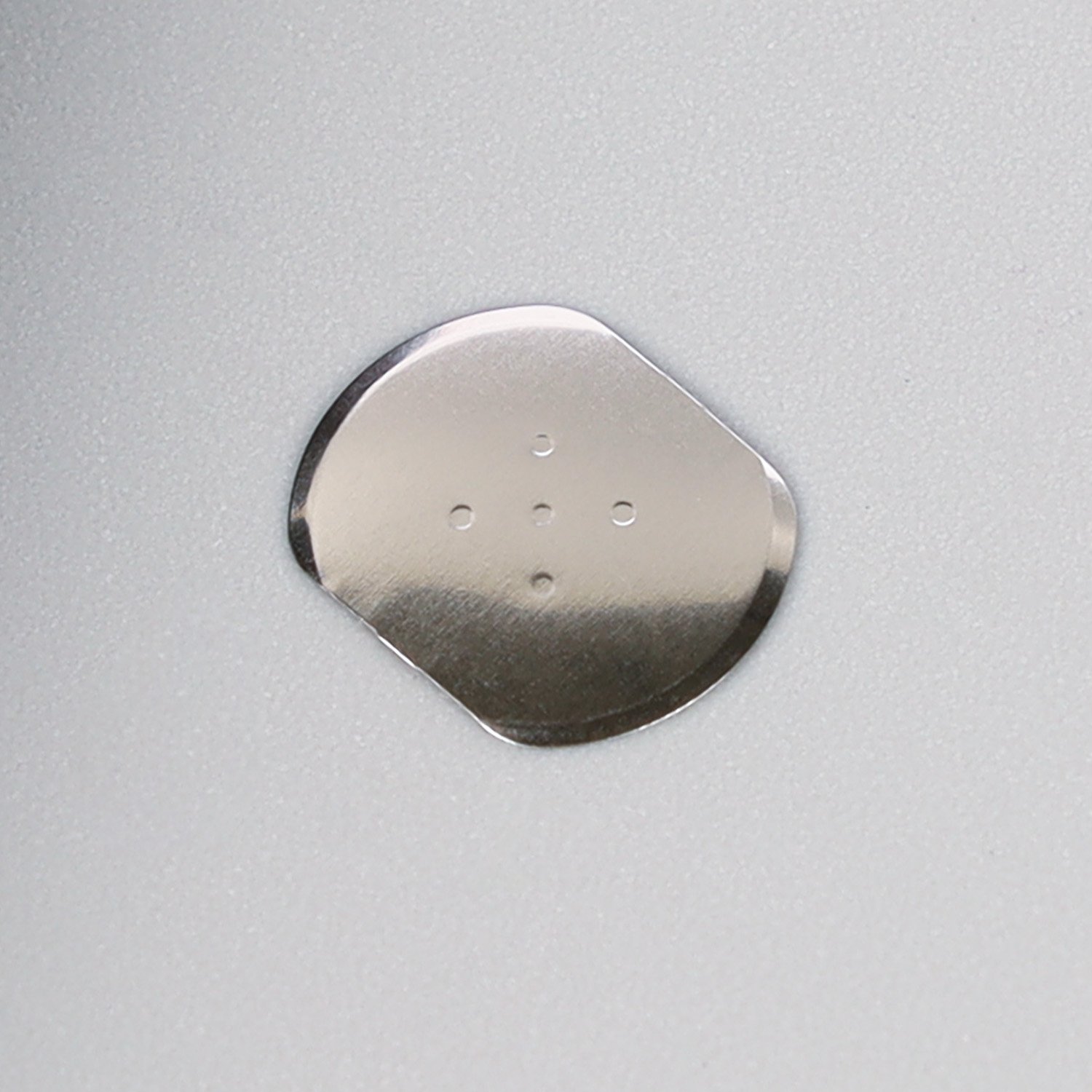
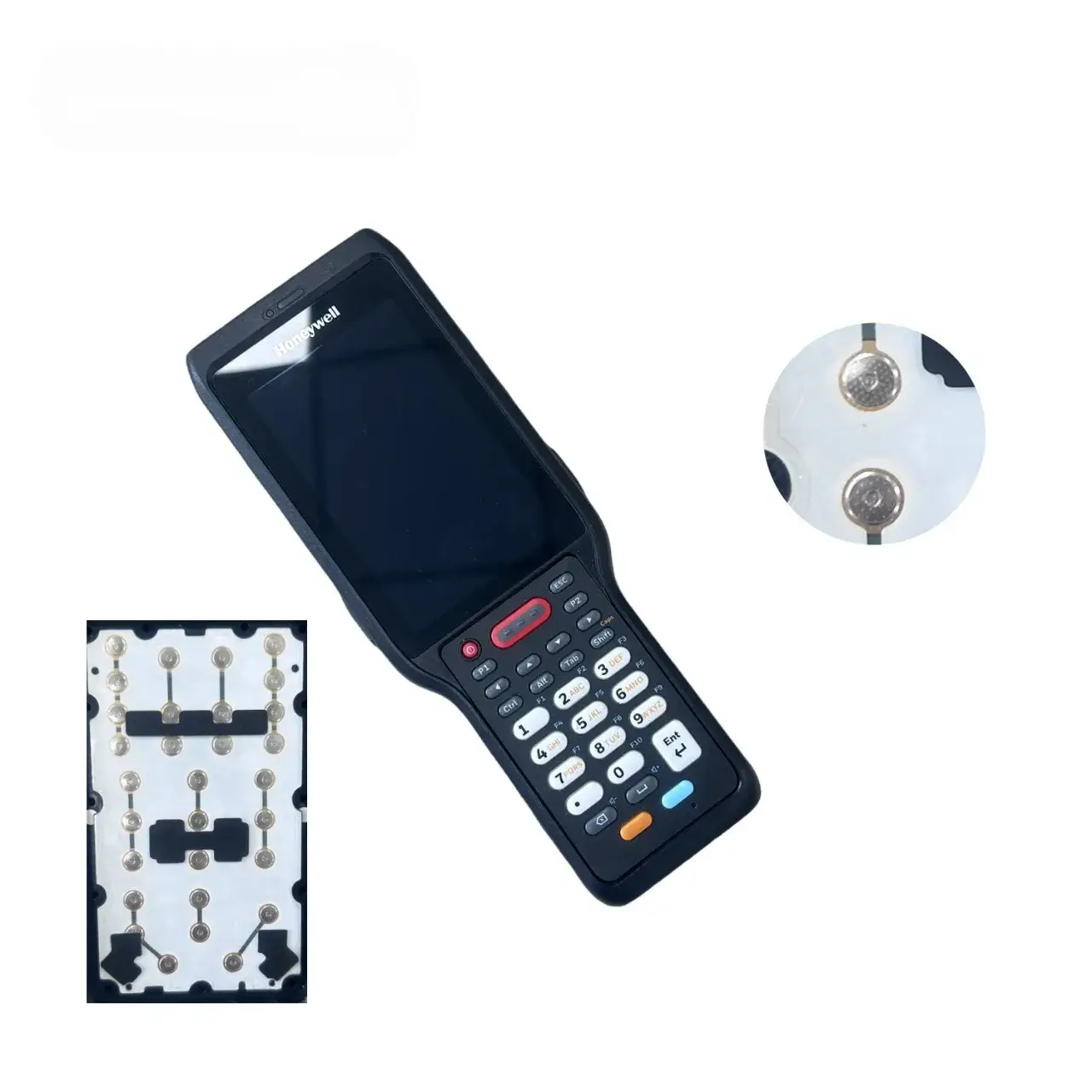
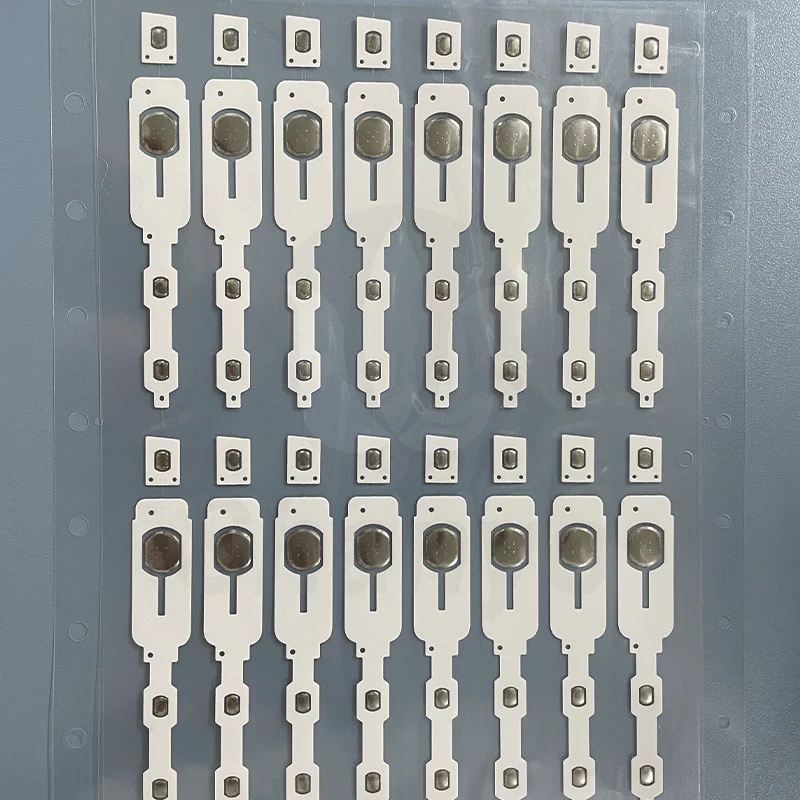
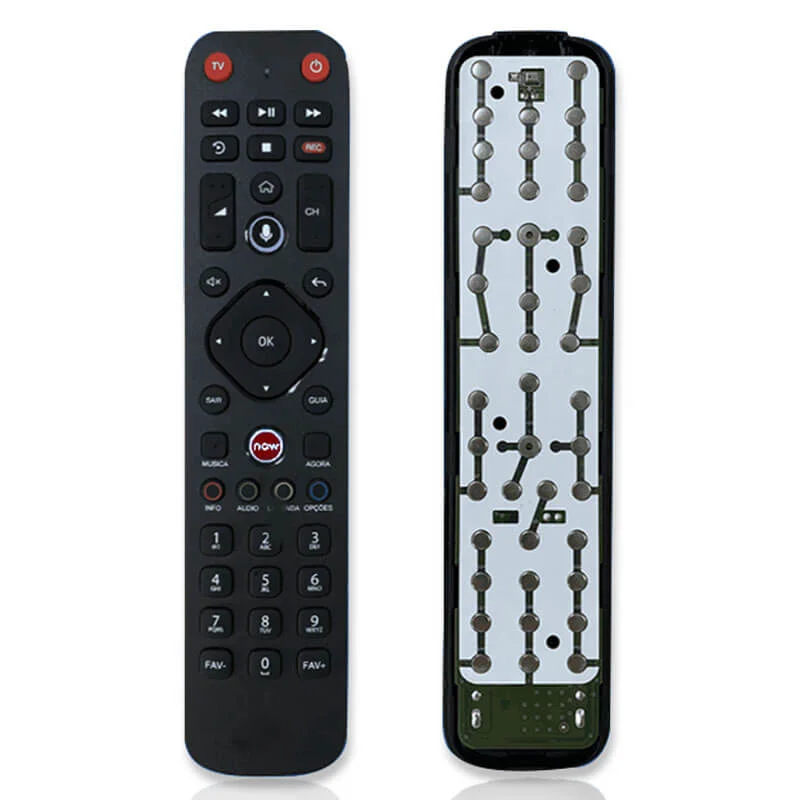
A metal dome switch is a stainless steel contact that provides a momentary N.O. (Normally Open) circuit. While loose domes are available, the industry has shifted toward metal dome arrays for several practical reasons. An array is essentially a pre-positioned group of domes adhered to a PET carrier tape, custom-cut to match the specific layout of a remote control’s PCB.
In the smart remote sector, the “feel” of the button is a brand differentiator. If a button feels mushy or requires too much force, the user perceives the entire device as low-quality. By using dome arrays, engineers can specify the exact actuation force (measured in grams) and click ratio to ensure a crisp, uniform response across every key on the panel.
Key Performance Factors in Remote Control Applications
1. Tactile Consistency and "Click" Ratio
In a remote with 40+ buttons, consistency is the biggest challenge. If the “Power” button feels different from the “Channel Up” button, it signals poor quality control. Metal dome arrays are manufactured using precision stamping and automated taping, which ensures that the trip force (the pressure needed to collapse the dome) remains within a very tight tolerance (typically $\pm 20g$ or less).
2. Space Optimization and Low Profile
Space is at a premium in modern, slimline remotes. Traditional mechanical switches are often too bulky. A Metal Dome Switch allows for an incredibly low profile—often under $0.5mm$ in total height. This enables designers to create thinner housings while still providing enough travel distance ($0.2mm$ to $0.4mm$) to satisfy the user’s sense of touch.
3. Electrical Integrity for Wireless Protocols
Smart remotes today use Bluetooth, Zigbee, or RF, which are sensitive to signal “bounce.” A high-quality metal dome switch made from SUS301 stainless steel (often with nickel or gold plating) ensures low contact resistance. This leads to a cleaner signal, reducing the work the microcontroller has to do to debounce the input, which indirectly helps in extending battery life.
Solving Production Pain Points for B2B Buyers
From a procurement and manufacturing standpoint, dome arrays solve the two biggest headaches in high-volume production: speed and yield.
Assembly Speed: Instead of a pick-and-place machine (or a manual worker) placing 30 individual domes one by one, a single dome array can be peeled and applied to the PCB in seconds. This drastically cuts down the “takt time” of the assembly line.
Precision Alignment: Misaligned domes lead to “stuck” buttons or intermittent connections. Since the domes in an array are fixed to a PET sheet based on the CAD drawing of the PCB, the alignment is guaranteed. There is no risk of a dome shifting during the final housing snap-fit.
Protection Against the Environment: The PET carrier of the dome array acts as a seal. It protects the gold-plated pads on the PCB from dust, humidity, and accidental liquid spills—factors that are common in living room environments.
Durability Standards: Building for the Long Term
A remote control is arguably the most abused piece of electronics in a household. It gets dropped, sat on, and clicked incessantly. To meet international standards, Shanyo’s metal dome arrays undergo rigorous life-cycle testing.
For high-end smart remotes, we typically target a lifespan of 1,000,000 cycles. We also factor in “over-travel” protection—ensuring that if a user presses the button too hard, the dome doesn’t lose its elasticity or “dimple” permanently.
Summary: Optimizing Your Haptic Interface
Selecting the right dome arrays is about balancing the tactile requirements of the user with the assembly requirements of the factory. By moving away from loose components and adopting integrated metal dome switch arrays, brands can deliver a more reliable, premium-feeling product while simultaneously lowering their assembly costs.
Know more about dome arrays applied in electronics.
자주 묻는 질문
Q: Can we integrate LED backlighting with a dome array?
Yes. For remotes used in dark rooms, we can design the array with “Y-cuts” or center-hole domes. This allows the light from a PCB-mounted SMD LED to pass through the center of the Metal Dome Switch and illuminate the keycap without interfering with the tactile snap.
Q: What materials are best for preventing oxidation?
While stainless steel is standard, we recommend nickel plating for most applications. For ultra-low resistance or high-humidity environments, gold plating on the dome or the PCB contact points is the most reliable long-term solution.
Q: How do we determine the best "trip force" for our remote?
Generally, for consumer remotes, a force of $200g$ to $280g$ is the “sweet spot.” It’s firm enough to prevent accidental triggers but light enough for comfortable, long-term use.
Q: Is it possible to have different forces on the same dome array?
Q: Is it possible to have different forces on the same array?
Absolutely. We can customize a single dome array to include different dome sizes or forces for different zones—for example, a firmer “Reset” button and softer “Navigation” keys.