Walk into any luxury car showroom today and you’ll notice something that might seem out of place — actual physical buttons. Not a second touchscreen, not a gesture panel, just a satisfying click under the fingertip. It’s an odd sight, honestly, given how hard the industry pushed toward glass dashboards just a few years ago. But there they are: knobs for climate, toggles for drive modes, and those little dome switches for volume and seat heating.That click almost always comes from a cupola metallica switch underneath the keycap, and there are some pretty good reasons why it hasn’t disappeared.
What Is a Metal Dome Switch, Exactly
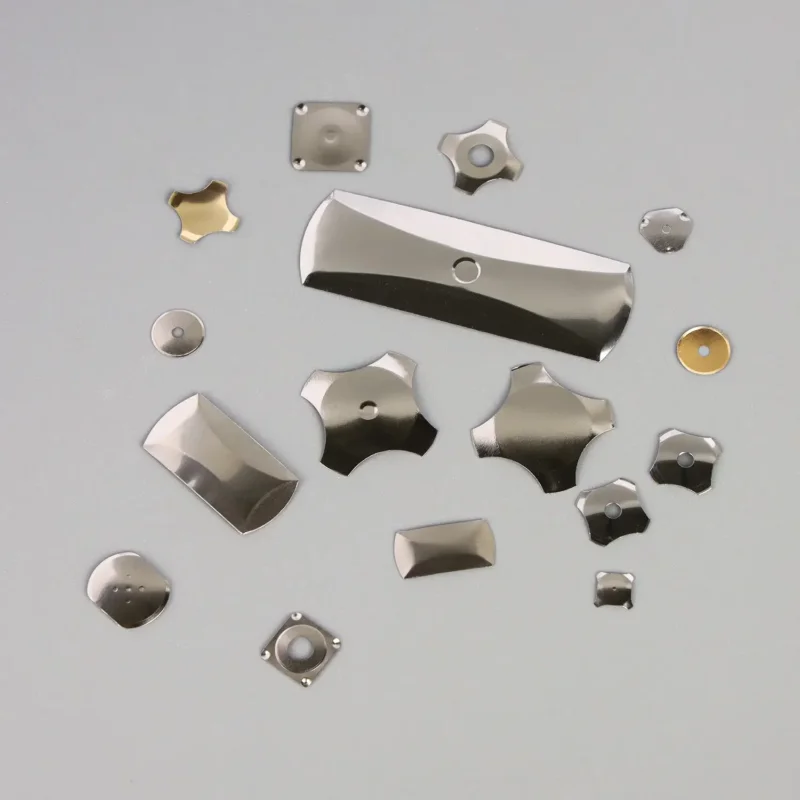
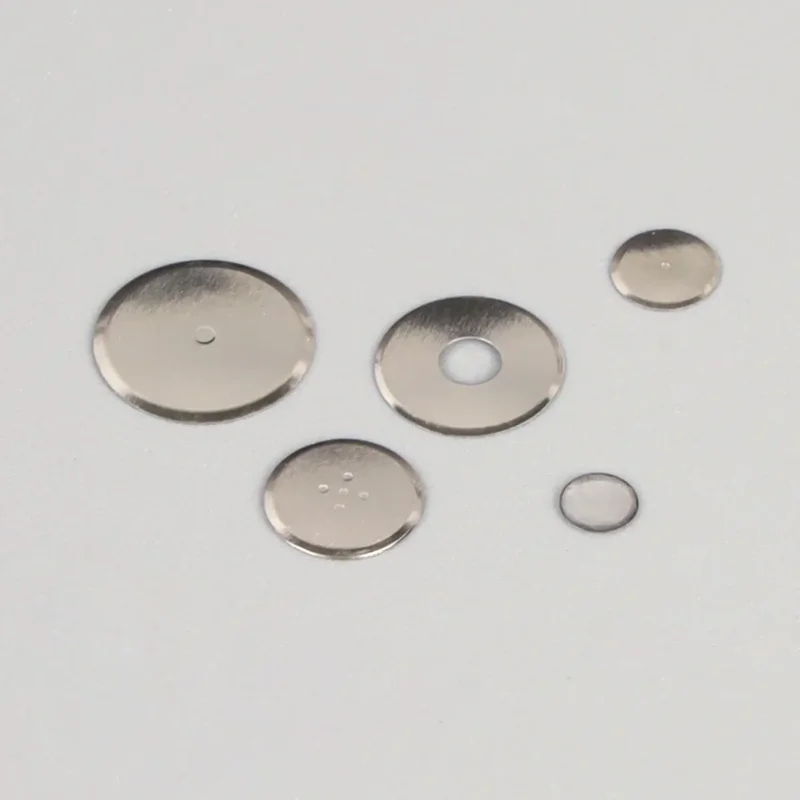
A metal dome is a small, pre-formed disc of stainless steel that sits quietly beneath a button surface. It’s unassuming — maybe a few millimeters across, thinner than a business card. When pressed, it buckles inward with a distinct snap, makes momentary electrical contact with the PCB below, then springs back to its original shape. The whole cycle takes milliseconds. What it produces — that crisp, tactile snap — is something capacitive touchscreens have genuinely struggled to replicate convincingly, even with haptic feedback motors doing their best. The motors try, certainly. They buzz and vibrate. But it’s never quite the same as that physical, mechanical confirmation.
The technology itself is decades old. But old doesn’t mean obsolete. In fact, there’s a certain honesty to a metal dome. It doesn’t need firmware updates or calibration. Sometimes a solution just fits the problem well enough that replacing it creates more issues than it solves. That’s the case here.
Metal Dome Buttons in the Premium Automotive Context
There’s a reason brands like Mercedes-Benz, Porsche, and Lexus have been slower than expected to fully abandon physical controls. Driver safety research keeps pointing in the same direction: tactile feedback reduces eyes-off-road time. When a driver can locate and operate a button by feel alone, that’s not a luxury feature — it’s a functional one.
Metal dome switches are particularly well-suited to this environment because:
They provide consistent actuation force across a wide temperature range
They don’t require visual confirmation to operate
They’re resistant to accidental activation from incidental contact
They maintain reliable performance after hundreds of thousands of cycles
Touchscreens, by contrast, demand visual attention. Even a half-second glance at a screen while driving at highway speed covers a significant distance. That’s the core argument physical button advocates keep returning to, and it’s hard to dismiss.
Durability and Reliability: The Engineering Case
From an engineering standpoint, a cupola metallica rotonda offers a lifespan that’s difficult to match. This specific shape—the most common configuration in automotive switches—distributes stress evenly across the dome surface, reducing fatigue over time. A well-manufactured dome is typically rated for one million actuations or more. In a vehicle that might be driven daily for ten to fifteen years, that headroom matters.
There’s also the environmental side. Automotive interiors experience:
Temperature swings from below freezing to well above 80°C on a hot dashboard
Humidity fluctuations that can cause condensation inside control panels
UV exposure that degrades certain materials over time
Vibration from road surfaces transmitted through the entire cabin
Round metal dome switches handle all of this with relatively little complaint. The stainless steel construction resists corrosion, the snap action remains consistent across temperature extremes, and the sealed variants keep moisture out of the contact area.
Why Haptic Touchscreens Haven’t Fully Replaced Them
Haptic feedback has improved considerably. Some implementations are genuinely impressive — the sensation is close. But close isn’t the same as identical, and experienced drivers tend to notice the difference. There’s also the software dependency issue: a haptic screen requires the system to be powered and responsive to provide feedback. A metal dome switch works the moment contact is made, regardless of what the software is doing.
That independence from system state is quietly important in safety-critical controls.
FAQ
Are metal dome buttons more expensive to manufacture than touchscreen alternatives?
Per unit, metal dome switches are inexpensive. The cost comes from integrating multiple individual buttons into a panel. Touchscreens consolidate controls but add software complexity and display hardware costs.
Do metal dome switches wear out noticeably over a vehicle’s lifespan?
Rarely, under normal use. Rated at over one million cycles, most switches outlast the vehicle. Wear typically shows up as reduced tactile snap rather than outright failure.
Why do some premium brands still offer physical climate controls when competitors have removed them?
Customer feedback and safety research both support retention of physical controls for frequently used functions. Some brands treat it as a differentiator — a signal that usability wasn’t sacrificed for aesthetics.