I dispositivi medici indossabili non sono solo gadget di consumo, ma strumenti di vita. Dai monitor continui del glucosio (CGM) indossati sul braccio ai tracker ECG portatili agganciati ai vestiti, questi dispositivi raccolgono ogni giorno dati sanitari critici. Un singolo guasto può significare mancati avvisi, letture imprecise o addirittura rischi per la sicurezza del paziente. Ecco perché l'affidabilità non è solo una parola d'ordine nel settore dei dispositivi medici indossabili: è un requisito non negoziabile, stabilito dagli enti normativi globali e dagli standard del settore. Tra gli innumerevoli componenti che alimentano questi dispositivi, interruttori a cupola in metallo si distingue come una scelta sorprendentemente affidabile, in grado di soddisfare e persino superare i rigorosi parametri di riferimento richiesti dagli indossabili medicali.
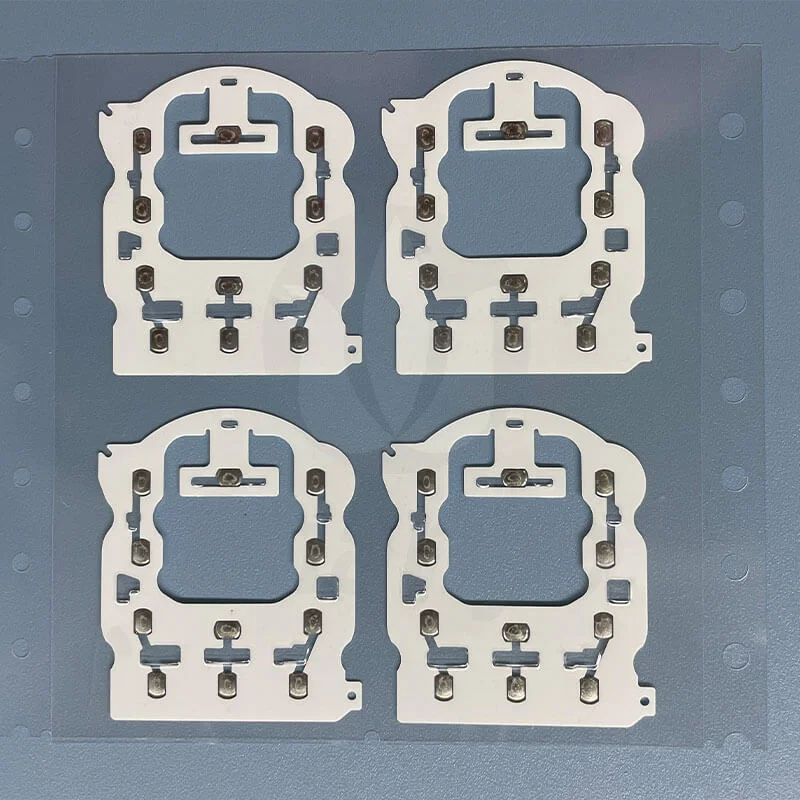
Come gli interruttori a cupola in metallo si allineano agli standard fondamentali di affidabilità degli indossabili medicali
Gli standard di affidabilità dei dispositivi medici indossabili coprono un'ampia gamma di parametri, dalla durata nell'uso quotidiano alla resistenza ai fluidi corporei e alle prestazioni costanti nel corso degli anni. Gli interruttori a cupola in metallo, grazie alla loro struttura robusta e alla precisa progettazione, sono progettati per soddisfare tutte le esigenze di queste liste di controllo normative e pratiche. Non si tratta solo di un componente comodo, ma di una soluzione appositamente studiata per le sfide uniche che i dispositivi medici indossabili devono affrontare.
Conformità ai requisiti di biocompatibilità e sicurezza
Durata ineguagliabile per un uso quotidiano e prolungato nel tempo
Precisione e coerenza nella trasmissione del segnale

I principali standard medici che gli interruttori a cupola in metallo soddisfano (e superano)
| Standard normativo | Requisito chiave | Come sono conformi gli interruttori a cupola in metallo |
|---|---|---|
| ISO 10993 (Biocompatibilità) | Nessuna irritazione cutanea, citotossicità o lisciviazione dei materiali. | Acciaio inossidabile/titanio di grado medicale; materiali di tenuta non tossici |
| ISO 13485 (gestione della qualità) | Produzione costante, prestazioni a lungo termine | Durata di oltre 10 milioni di azionamenti; test di produzione rigorosi |
| FDA 21 CFR Parte 862 (sicurezza dei dispositivi medici) | Contatto sicuro con la pelle, funzionamento affidabile dei componenti | Materiali biocompatibili; il design sigillato impedisce l'umidità/la contaminazione |
| IEC 60601 (Sicurezza elettrica) | Bassa resistenza di contatto, nessuna interferenza elettrica | Contatti metallici a bassa resistenza; cablaggio schermato per evitare l'interruzione del sensore |
Un processo passo dopo passo per convalidare gli interruttori a cupola in metallo per i dispositivi medici indossabili
- Controllo della certificazione del materiale: Confermare che i materiali dell'interruttore a cupola metallica soddisfano gli standard di biocompatibilità ISO 10993, con rapporti di test di terze parti a sostegno delle affermazioni.
- Test di stress ambientale: Esporre gli interruttori a condizioni simulate di contatto con la pelle (calore, umidità, pressione ripetuta) per oltre 1.000 ore per verificare l'eventuale rischio di degradazione o irritazione.
- Test di attuazione e di segnale: Verificare che l'interruttore mantenga una resistenza di contatto e un feedback tattile costanti per 10 milioni di azionamenti, utilizzando apparecchiature calibrate secondo gli standard dei dispositivi medici.
- Test di tenuta e contaminazione: Assicurarsi che la guarnizione dell'interruttore impedisca la penetrazione di sudore, lozione o altri liquidi corporei, che potrebbero causare corrosione o perdita di segnale.
FAQ
Gli interruttori a cupola metallica possono essere utilizzati nei dispositivi medici impiantabili indossabili?
Gli interruttori a cupola metallici non sono tipicamente utilizzati nei dispositivi completamente impiantabili, in quanto i componenti impiantabili richiedono una biocompatibilità ancora più specializzata (ad esempio, leghe di titanio per l'integrazione dei tessuti a lungo termine). Tuttavia, sono la scelta ideale per i dispositivi medici indossabili esterni - CGM, ECG indossabili, controllori portatili di pompe di insulina - dove il contatto con la pelle è la preoccupazione principale. Per questi dispositivi esterni, i loro materiali di grado medico e le loro prestazioni affidabili li rendono la scelta migliore rispetto ai componenti alternativi.
Come si comportano gli interruttori a cupola in metallo in ambienti ad alta umidità (come i CGM resistenti alla doccia)?
I dispositivi medici indossabili resistenti all'acqua e alle docce (con grado di protezione IP67/IP68) si affidano al design sigillato degli interruttori a cupola in metallo per resistere all'umidità. Gli interruttori sono abbinati a guarnizioni adesive di tipo medico e a custodie impermeabili, creando una barriera che impedisce all'acqua e al sudore di penetrare nei componenti interni dell'interruttore. Questa sigillatura, unita alla resistenza alla corrosione del metallo, garantisce che l'interruttore continui a funzionare in modo affidabile anche dopo ripetute esposizioni all'acqua, una caratteristica fondamentale per i pazienti che possono indossare i dispositivi sotto la doccia o durante l'esercizio fisico.
Gli interruttori a cupola metallica richiedono una maggiore manutenzione rispetto ad altri tipi di interruttori nei dispositivi medici indossabili?
No, gli interruttori a cupola in metallo richiedono meno manutenzione a lungo termine rispetto alle alternative in plastica o in silicone. La loro struttura resistente significa che raramente si guastano, quindi non c'è bisogno di sostituzioni o riparazioni frequenti: un vantaggio fondamentale per i pazienti che si affidano quotidianamente ai loro wearable. L'unica operazione di manutenzione è la pulizia regolare della superficie dell'interruttore con acqua e sapone neutro (secondo le istruzioni del wearable), che rimuove il sudore o i residui senza danneggiare il componente. Per i produttori, questo design a bassa manutenzione riduce i costi di assistenza post-vendita e migliora la soddisfazione dei pazienti.