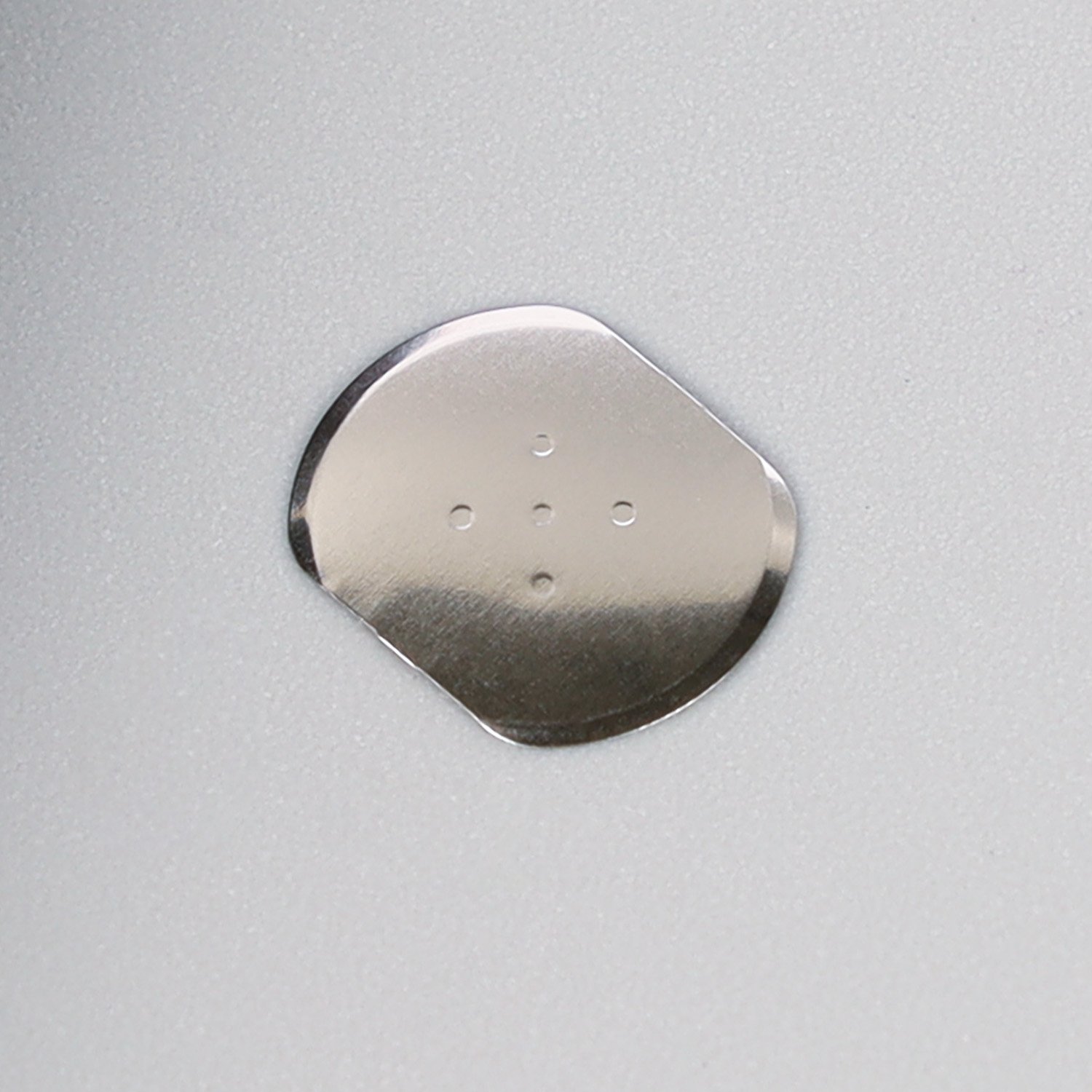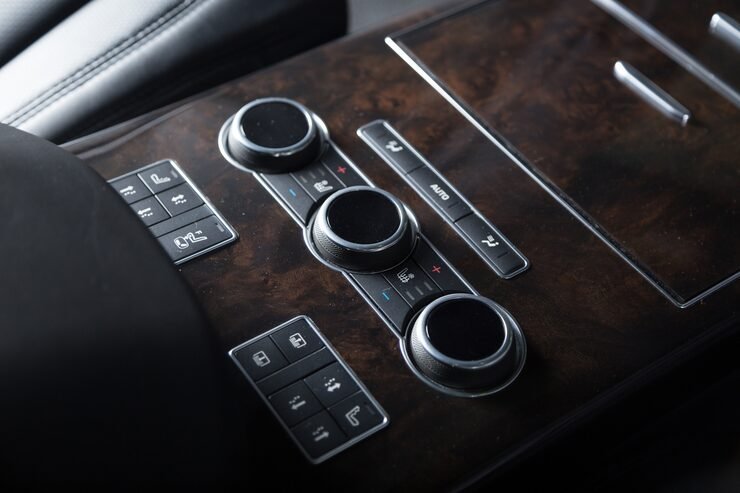
Prendete uno smartwatch di qualità, chiudete gli occhi e premete il pulsante laterale. Si verifica uno scatto molto specifico, soddisfacente e iper-crociante. La sensazione è incredibilmente solida. È semplicemente una sensazione di qualità. Per replicare questa esatta sensazione fisica in modo impeccabile su milioni di piccoli dispositivi non è un caso fortunato. Ci vuole un'enorme quantità di tentativi ed errori ingegneristici. Nel mondo spesso caotico dell'assemblaggio dell'hardware, i progettisti di wearable si affidano sempre più spesso a dispositivi precaricati. interruttori a cupola in metallo per realizzare il clic perfetto.
Il fascino produttivo degli interruttori a cupola metallici precaricati
Pensate a quanto sia assurdamente piccolo un moderno fitness tracker. Ogni singolo millimetro di spazio è pesantemente conteso da batterie, sensori e schermi. Ora, immaginate di cercare di prendere un microscopico pezzo di acciaio curvo e di posizionarlo perfettamente su una minuscola piazzola d'oro su un circuito stampato. E di farlo migliaia di volte all'ora in una catena di montaggio. È una ricetta per un enorme mal di testa.
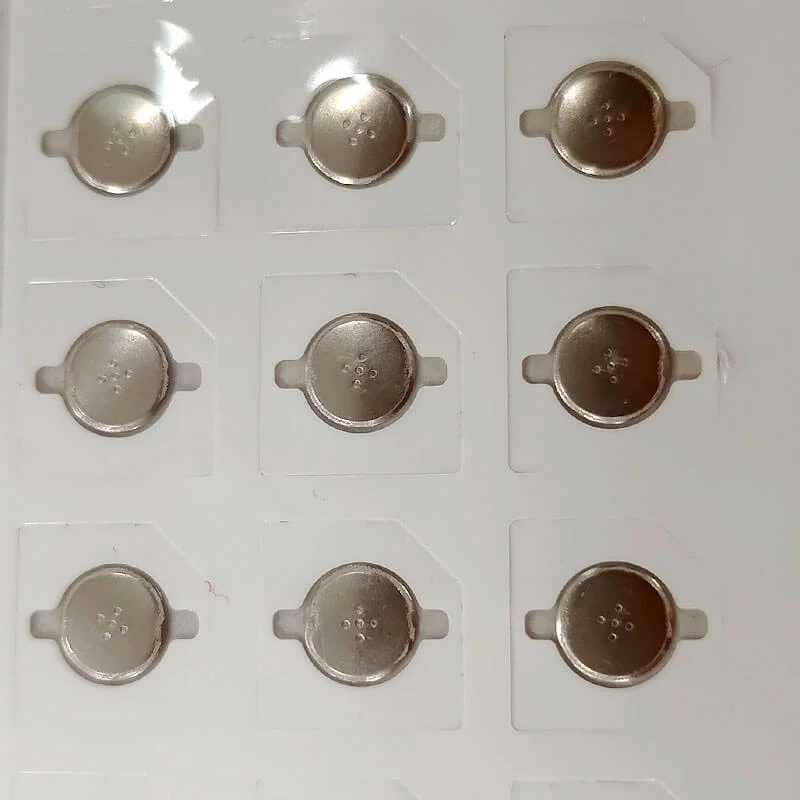
L'uso di interruttori a cupola metallici precaricati cambia completamente la dinamica in fabbrica. Invece di avere a che fare con frustranti pezzi sciolti, questi componenti sono già attaccati a un supporto adesivo personalizzato (di solito un sottile strato di pellicola PET). In pratica, si trasforma un lavoro di posizionamento meccanico molto delicato in un gioco high-tech di peel-and-stick.
Saltare il mal di testa da assemblaggio
Il modo tradizionale di costruire l'elettronica spesso comportava lo scarico di centinaia di cupole sciolte in un alimentatore a vaschetta vibrante. Sembra estenuante solo a pensarci. Ecco i problemi estremamente frustranti in cui di solito si imbattono gli ingegneri quando non utilizzano un'impostazione pre-registrata:
Le cupole si capovolgono casualmente prima del posizionamento.
Polvere o pelucchi microscopici che si insinuano sotto il punto di contatto (rovinando completamente la connessione elettrica).
La temuta doppia pila, in cui due cupole si attaccano come patatine, con il risultato di un pulsante che spinge a malapena verso il basso.
Avendo le cupole pre-nastrate e perfettamente distanziate su una bobina di supporto, il processo di assemblaggio diventa molto meno stressante. Si lavora più velocemente e alla fine della giornata si spreca molto meno materiale.
Come gli interruttori a cupola metallici precaricati si comportano nel mondo reale
I dispositivi indossabili subiscono una quantità ridicola di maltrattamenti. Pensateci. Vengono indossati in piscina, inzuppati di sudore corrosivo in palestra, sbattuti contro pesanti telai di porte e lasciati a cuocere in automobili roventi. Probabilmente ci si aspetta che le minuscole parti mobili all'interno si arrendano dopo qualche mese. Ma il cupola in metallo indossabile Le applicazioni, in particolare gli interruttori a cupola precaricati, sono in realtà sorprendentemente resistenti a tutto questo caos quotidiano.
Il trucco segreto non è solo il metallo in sé. Lo strato adesivo che tiene la cupola in posizione funge da guarnizione ambientale protettiva. In sostanza, intrappola la cupola nella sua piccola stanza di micro-pulizia, mantenendo il delicato meccanismo dell'interruttore al riparo dalla realtà disgustosa e sudata della vita umana.
Confronto tra la tecnologia dei pulsanti nei dispositivi compatti
Quando si guardano le foto dei teardown di anelli intelligenti o di pesanti cuffie VR, le scelte dei componenti interni diventano piuttosto ovvie. Vediamo come si comportano i diversi modelli di switch quando lo spazio interno è molto limitato.

| Tecnologia di commutazione |
Sensazione tattile
|
Complessità dell'assemblaggio
|
Protezione da polvere e umidità
|
|---|---|---|---|
|
Interruttori a cupola in metallo precaricati
|
Estremamente nitido, definitivo
|
Basso (sbucciare e posizionare)
|
Alto (sigillato con adesivo)
|
|
Cupole sciolte
|
Croccante
|
Alto (richiede un allineamento perfetto)
|
Basso (soggetto a contaminazione)
|
|
Tastiere in gomma siliconica
|
Morbido, a volte molliccio
|
Medio
|
Moderato
|
La giusta sensazione con gli interruttori a cupola in metallo
La tecnologia di consumo presenta un elemento altamente soggettivo, quasi psicologico. Un pulsante non può limitarsi a funzionare, ma deve dare la giusta sensazione al dito umano. Se un clic è troppo morbido e soffice, un pezzo di hardware costoso sembra immediatamente un giocattolo da quattro soldi. Se è troppo rigido, diventa davvero fastidioso da premere quando si cerca di controllare una notifica mentre si fa jogging.
I progettisti passano una quantità irragionevole di tempo a riflettere sulla forza di azionamento degli interruttori a cupola in metallo, solo per ottenere lo scatto fisico perfetto. Si tratta di un equilibrio molto delicato da raggiungere.
La magia della stampa cieca
Per la maggior parte del tempo, gli utenti interagiscono con gli indossabili senza nemmeno guardarli direttamente. Alzare la mano per saltare rapidamente una traccia di un podcast su un paio di minuscoli auricolari senza fili richiede molta sicurezza fisica. Lo scatto netto e tattile conferma che l'azione è stata effettivamente registrata dal software. Ottenere questa soddisfacente coerenza in una produzione massiccia comporta di solito un flusso di lavoro molto specifico:
Provando decine di cupole di dimensioni diverse (che spesso vanno da un minimo di 2 mm a un massimo di 5 mm).
Trovare l'esatta forza di azionamento richiesta (misurata in grammi) che risulti naturale sulla pelle umana.
Progettazione di array precaricati personalizzati in modo che le cupole si allineino perfettamente sotto i pulsanti esterni in plastica o metallo del dispositivo.
Esecuzione di test brutali del ciclo di vita, premendo letteralmente il pulsante centinaia di migliaia di volte con una macchina per garantire che lo scatto non svanisca dopo un anno di uso intenso.
Onestamente, senza l'affidabilità degli interruttori a cupola metallica precaricati, rendere questi piccoli gadget angusti e facili da usare sarebbe incredibilmente difficile. Il feedback tattile che essi forniscono è esattamente ciò che ancorano l'esperienza digitale al mondo fisico.
FAQ
Che cosa significa effettivamente precaricato nella progettazione dell'hardware?
Significa semplicemente che le cupole sono già fissate a uno strato adesivo trasparente, spesso chiamato array, prima ancora di arrivare alla fabbrica di assemblaggio. In questo modo si elimina completamente la necessità di maneggiare singoli pezzi di metallo sciolti con pinzette o delicati ugelli a vuoto.
Gli interruttori a cupola metallica precaricati sono completamente impermeabili?
Non sono perfettamente impermeabili di per sé, ma lo strato adesivo superiore offre un enorme vantaggio. Sigilla la polvere in generale e l'umidità leggera in modo eccellente. Tuttavia, l'involucro esterno dello smartwatch o dell'auricolare deve essere dotato di guarnizioni resistenti per garantire una vera immersione.
Perché invece non utilizzare ovunque eleganti sensori tattili?
I comandi tattili sembrano fantastici nei video di marketing, ma spesso non superano la prova della realtà quando l'utente ha le mani molto sudate o indossa spessi guanti invernali. Gli interruttori fisici forniscono un feedback tattile innegabile e immediato, assolutamente fondamentale per i dispositivi destinati a essere utilizzati in movimento.