Modern steering wheels have become something of a command center. Metal dome switches provide the physical feedback and electrical reliability that allow drivers to keep their eyes on the road while adjusting settings. There is a reason automotive manufacturers lean on this technology when safety is a priority—it works, and it works without demanding attention.
Tactile Feedback Keeps Eyes on the Road
One of the most obvious safety advantages of metal dome switches in a steering wheel is the tactile feedback they provide. When a driver presses a button to increase volume or disengage cruise control, there is a distinct snap—a physical click felt through the thumb or finger. That click tells the driver, without looking, that the press was registered. No second glance down to check if the button worked. No hesitation.
This might sound like a small thing, but in actual driving conditions, fractions of a second matter. A road hazard appears, a car merges unexpectedly, and the driver’s attention needs to stay forward. Buttons that feel mushy or lack that crisp response tend to encourage a quick glance down—just to confirm. And that glance, however brief, is a moment of distraction.
Provides a clear physical confirmation that the button has been activated
Reduces the need for visual verification while driving
Creates muscle memory so drivers can locate and press buttons by feel alone
Durability Under Harsh Automotive Conditions
Steering wheels are not a gentle environment. They bake in summer sun, freeze in winter, and absorb vibrations from the road over hundreds of thousands of miles. Any switch that fails—stops clicking, becomes intermittent, or collapses without returning—becomes not just an annoyance but a potential hazard. Imagine trying to adjust cruise control on a highway while the button feels stuck or unresponsive.
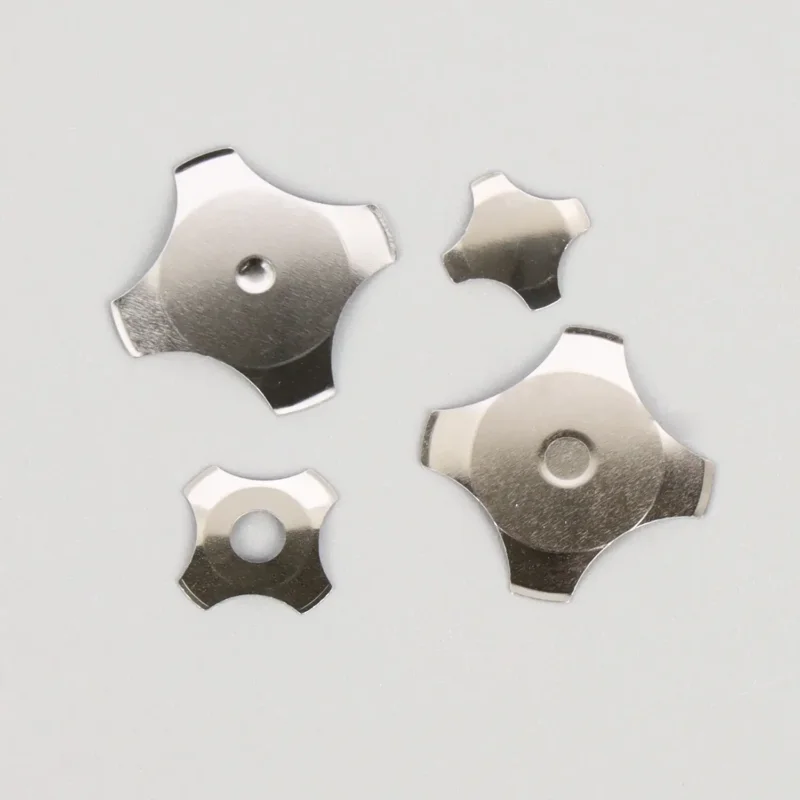
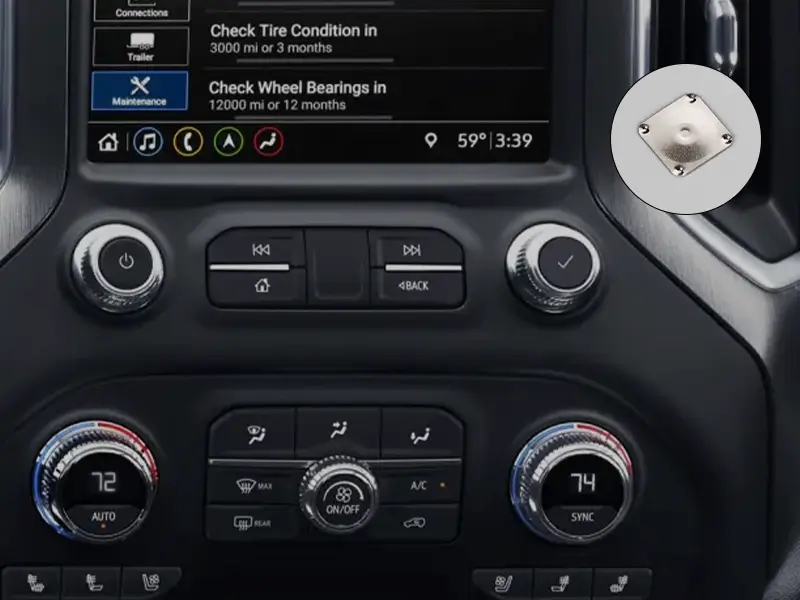
Metal dome switches are built to handle this kind of abuse, and the metal dome in automotive applications is a proven solution for demanding environments. The metal construction resists fatigue over high cycle counts, and the sealed options available in automotive-grade designs prevent dust, moisture, and oils from interfering with the electrical contact. Unlike some rubber-based contact systems that can degrade or lose conductivity over time, these domes maintain their snap ratio and contact performance across a wide temperature range.
| Operating Condition | How Metal Dome Switches Respond |
|---|---|
| Temperature extremes (-40°C to 85°C) | Consistent snap force and electrical contact |
| High vibration environments | Stable mounting options prevent false triggers |
| Prolonged UV exposure (sunlight) | Metal construction unaffected by sunlight degradation |
| Spills and humidity | Sealed dome variants prevent ingress |
Design Flexibility for Ergonomic Placement
Steering wheel buttons are not all created equal. Some are recessed, some sit flush, and some have sculpted surfaces meant to guide the thumb naturally. Metal dome switches offer a degree of design flexibility that makes these ergonomic choices possible. The dome itself can be placed directly under a hard plastic button, under a rubber pad, or even integrated into a flexible circuit assembly.
This matters for safety because ergonomics and safety are closely linked. A button placed at an awkward angle or requiring excessive force can cause the driver to shift grip or apply pressure unevenly—potentially moving the steering wheel unintentionally. With properly tuned metal dome switches, activation force can be adjusted through dome diameter and material thickness to match the expected thumb pressure, keeping the interaction natural and controlled.
Activation force can be tailored between 150g and 500g for optimal feel
Low profile designs allow for slim steering wheel modules
Consistent actuation point prevents accidental presses from light contact
FAQ
Do metal dome switches feel different from regular steering wheel buttons?
Yes, and most drivers can tell the difference without knowing why. Metal dome switches produce a distinct snap or click that is both tactile and often audible. That crisp feel is associated with higher quality and, more importantly, gives immediate confirmation that the button activated. Softer, mushier buttons are typically rubber-based switches that lack that same mechanical feedback.
Can metal dome switches fail in a way that causes unintended activation?
It is rare but worth understanding. If a metal dome switch is physically damaged—say, from an impact or debris trapped under the button—it could collapse unintentionally. However, automotive designs typically incorporate protective shrouds or structural guides to prevent foreign objects from interfering.
Are metal dome switches used on all modern steering wheels?
Not all, but a significant portion. Higher-end vehicles and safety-conscious brands tend to favor metal dome switches because of their proven reliability and tactile clarity. Some manufacturers still use conductive rubber on non-critical buttons to reduce cost, but for functions where feedback and durability matter most—like cruise control and driver assistance toggles—metal domes remain the preferred choice.