Walk into any busy hospital ward, and the sheer number of glowing screens is kind of overwhelming. Patient monitors are practically everywhere. They sit next to beds, tracing vital signs, sounding various alarms, and basically acting as the digital lifeline for people undergoing treatment. Nurses and doctors are constantly tapping, pressing, and adjusting these machines, usually in a massive hurry. Behind those plastic panels and waterproof overlays, مفاتيح تبديل القبة المعدنية are doing the heavy mechanical lifting. It is so easy to overlook something so small when looking at a complex medical device. But honestly, the tactile response of a well-designed button—that definitive little click under a latex glove—is fundamentally crucial for medical hardware to function smoothly.
Why Customizing Metal Dome Switches Matters for Patient Monitors
It turns out, one cannot really just slap a standard consumer-grade button into a life-saving device and call it a day. The medical environment is notoriously unforgiving, and the equipment needs to match that reality. Customizing Metal Dome Switches is less of a luxury and more of an absolute necessity for sophisticated equipment like patient monitors. Standard off-the-shelf parts might be perfectly adequate for a microwave or a television remote, but a medical monitor gets bumped, aggressively wiped down with sanitizing fluids, and pushed thousands of times a week.
The reality of tactile feedback in emergencies
There is a distinct, almost psychological need for good tactile feedback in a clinical setting. When an alarm is blaring loudly and a practitioner hits the “silence” or “override” button, they need to know the machine actually registered the command without having to double-check the screen. By tweaking the design of Metal Dome Switches, engineers can meticulously dial in the exact actuation force required. If the button is too soft, it might get pressed by accident when the monitor is being moved down a hallway. If it is too hard, it just causes unnecessary finger fatigue for the hospital staff using it all day long. Getting that balance right takes a lot of intentional design work.
Steps to Customize Metal Dome Switches Properly
So, how does a hardware engineering team actually go about tailoring these tiny metallic components? It is a somewhat meticulous process, which makes a lot of sense given what is at stake with medical equipment. It usually follows a fairly specific path to ensure absolutely nothing is left to chance during manufacturing.
Assessing the physical layout (patient monitors often have weird, curved bezels or tightly packed control panels that require highly specialized switch placements).
Determining the exact travel distance and bounce-back feel the end user will experience when pressing through a thick protective overlay.
Selecting the proper plating and base materials to match the internal electrical requirements of the monitor’s main circuit board.
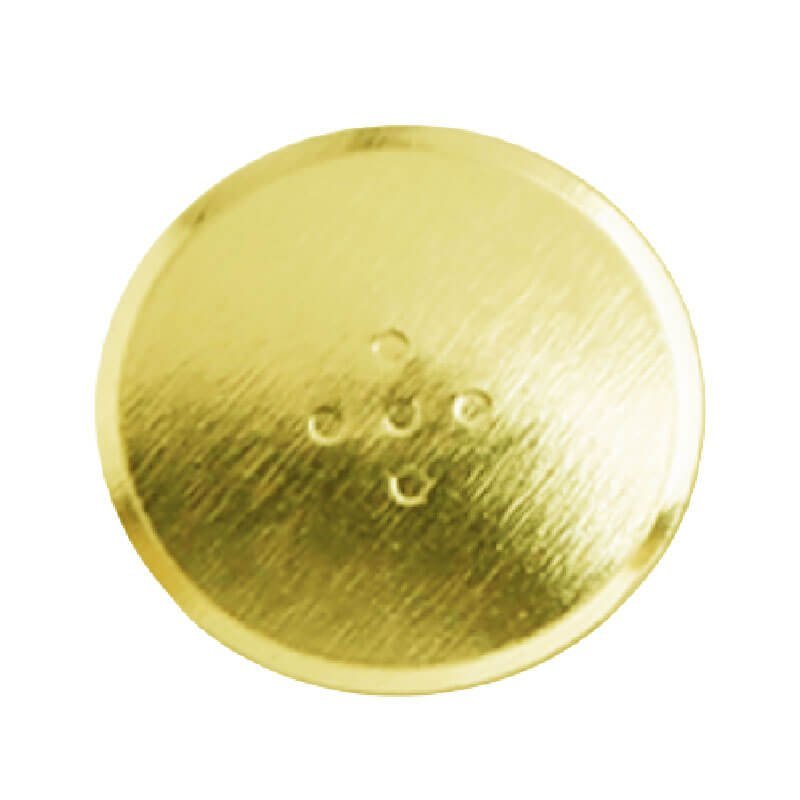
Prototyping and running extensive mechanical life-cycle tests to see exactly how a round metal dome switch holds up over millions of rapid clicks.
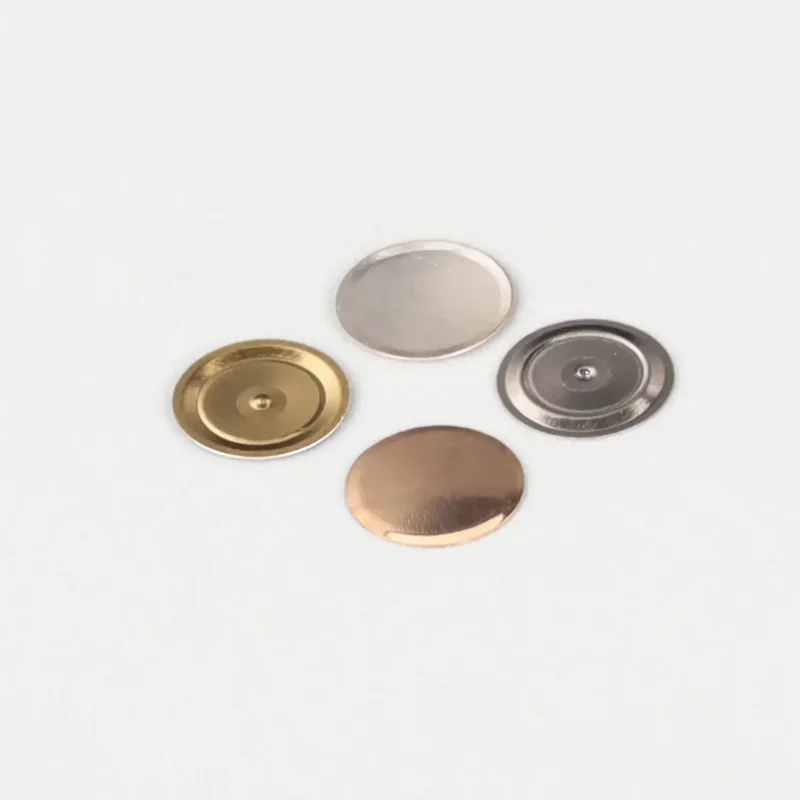
Material and Design Specs for Metal Dome Switches
The actual chemical composition of the domes makes a surprising amount of difference in the real world. It isn’t just a simple piece of bent steel. Well, sometimes it is just steel, but in medical technology, there are a whole lot of variations to consider. When looking at the internal makeup of Metal Dome Switches, the surface treatments are heavily debated by design engineers aiming for perfection.
| Plating Type |
Typical Application in Monitors
|
الميزة الرئيسية
|
|---|---|---|
|
Bare Stainless Steel
|
Standard interface and menu buttons
|
Very cost-effective, highly durable
|
|
مطلي بالنيكل
|
Internal areas prone to minor oxidation
|
Noticeably better conductivity than plain steel
|
|
Gold Plated
|
Critical life-support inputs and power keys
|
Extreme corrosion resistance, perfect electrical contact
|
Designing around harsh hospital realities
You also have to think about the literal environment these machines live in. Patient monitors are dragged from room to room, sprayed with harsh bleach solutions, and subjected to wildly fluctuating temperatures. When customizing the interface, engineers have to account for several messy real-world factors:
Total liquid protection (spilled IV fluids or heavy cleaning liquids are a daily hazard on the ward).
Extreme temperature shifts (moving a device from a freezing cold operating room to a warm, humid recovery ward).
Constant, heavy-handed usage (especially during tense emergency situations where stressed operators aren’t exactly being gentle with the equipment).
الأسئلة الشائعة
How long do customized Metal Dome Switches actually last?
They are incredibly resilient, honestly. When designed correctly for patient monitors, it is entirely normal for them to reliably surpass one million actuation cycles. Some heavily engineered, custom-plated designs even push past five million clicks, meaning the switch will probably outlive the outer plastic casing of the monitor itself.
Can they really be made completely waterproof?
The switches themselves are just the underlying mechanical component, but yes, the way they are implemented makes them ideal for waterproofing. Because Metal Dome Switches have a very low profile, they sit perfectly beneath fully sealed, seamless membrane overlays. This completely blocks out stray liquids and harsh hospital-grade chemical cleaners from reaching the delicate electronics.
Why not just use standard rubber keypads instead?
While thick rubber keypads are definitely softer to the touch, they often lack that crisp, instantaneous “snap” that tells a busy operator a button was successfully pushed. Furthermore, rubber can sometimes degrade, warp, or get uncomfortably sticky over time when exposed to heavy hospital disinfectants, whereas a sealed metal dome retains its exact structural integrity and satisfying tactile feel for years on end.