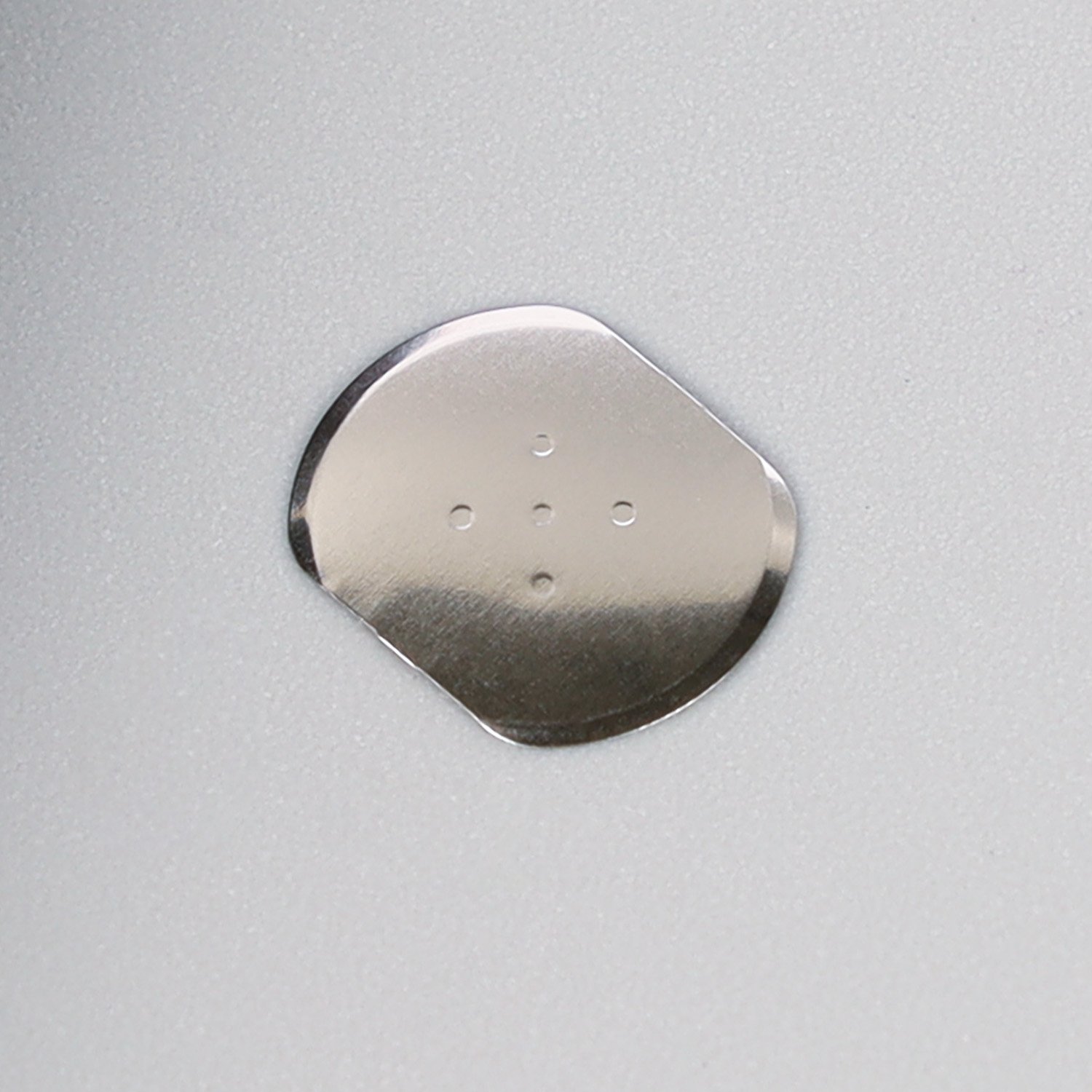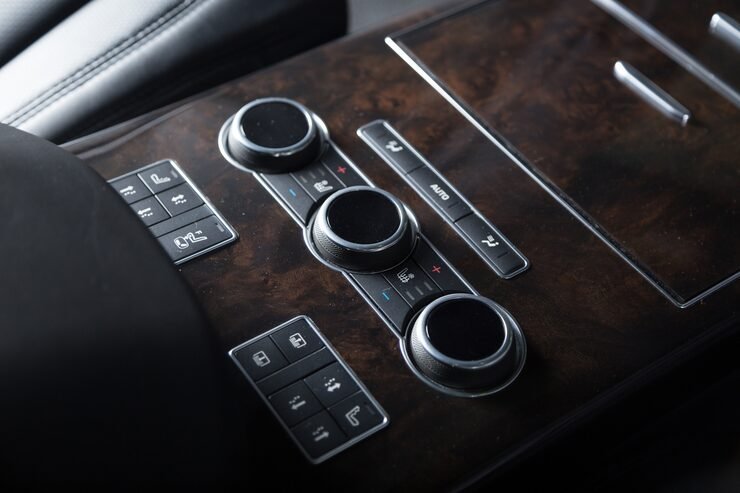
Gaming controllers have evolved dramatically over the years. Yet beneath the sleek exteriors and advanced features, some components remain quietly essential. The قبة معدنية is one of those unsung elements. It sits under buttons and triggers, translating finger presses into in-game actions. For competitive gamers and casual players alike, the quality of this small component affects how a controller feels and performs.
This article examines how metal dome precision influences gaming controller performance. From tactile feedback to longevity, the details matter more than most users realize. Understanding what happens beneath the surface helps explain why some controllers feel snappier, more responsive, or simply more satisfying to use.
What Is a Metal Dome and Why Does It Matter?
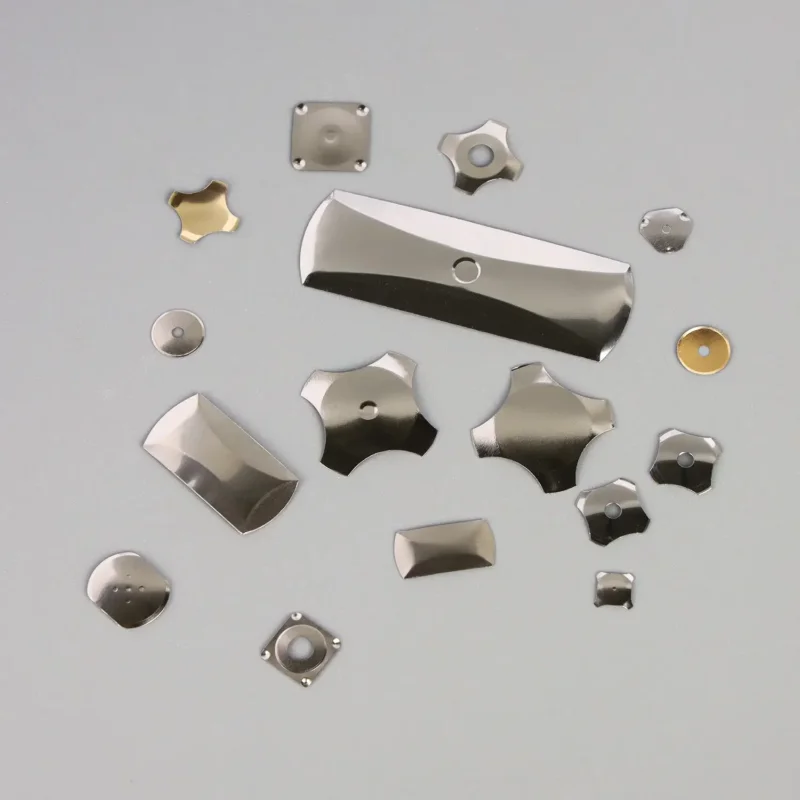
A metal dome is a small, thin piece of stainless steel or similar alloy, shaped into a convex disc. When pressed, it collapses with a distinctive click and makes contact with the circuit board beneath. Release the pressure, and it springs back to its original shape. This simple mechanism provides the tactile feedback that tells fingers a button press registered.
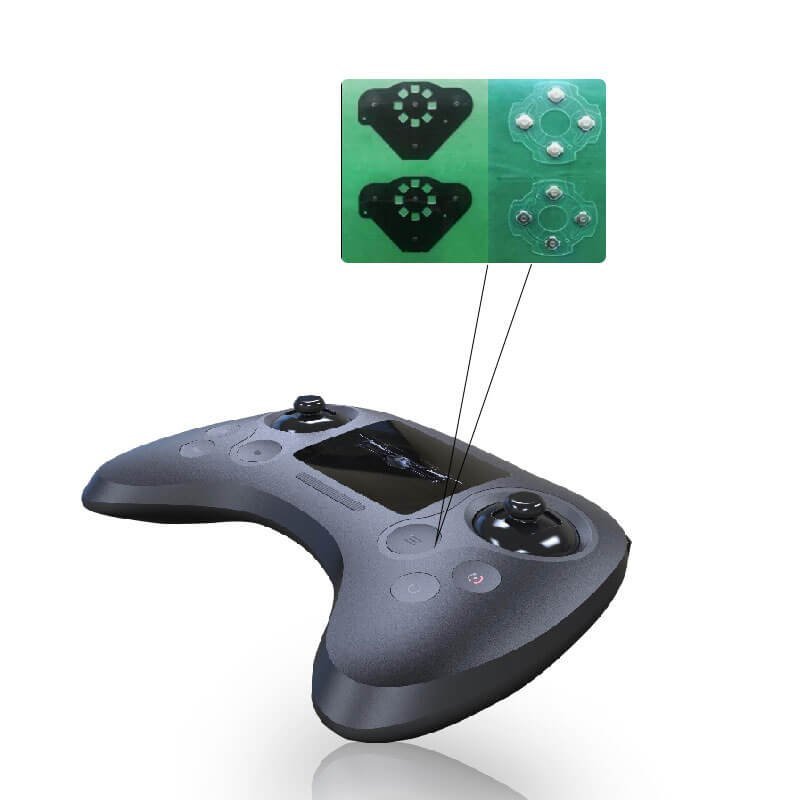
In gaming controllers, metal domes sit beneath action buttons, D-pads, and sometimes shoulder buttons. Their role seems basic, but the precision of their design directly affects:
Tactile response
Actuation force
Durability over millions of presses
Consistency across repeated inputs
Controllers with poorly manufactured domes may feel mushy, inconsistent, or wear out faster. Quality metal dome components, on the other hand, deliver crisp, reliable feedback that gamers depend on during intense sessions.
How Metal Dome Precision Affects Tactile Feedback
Tactile feedback is that satisfying click or snap felt when pressing a button. It’s not just about comfort—it serves a functional purpose. Gamers rely on tactile cues to confirm inputs without looking at the controller. In fast-paced games, this split-second confirmation matters.
The role of dome geometry
The shape and curvature of a metal dome determine how it collapses and rebounds. A dome with precise geometry offers:
Consistent actuation force across the entire surface
A clean, defined click point
Uniform rebound speed for rapid repeated presses
Variations in dome shape, even fractions of a millimeter, can alter the feel noticeably. Some gamers describe poorly made domes as feeling “dead” or “spongy,” while precision-engineered domes feel alive and responsive.
Material quality and thickness
The alloy used and its thickness influence both feel and lifespan. Common materials include stainless steel and phosphor bronze. Thinner domes generally require less force to actuate but may wear faster. Thicker domes last longer but can feel stiffer.
Manufacturers balance these factors based on intended use. Gaming controllers often favor a middle ground—responsive enough for quick inputs, durable enough to withstand heavy use.
Durability and Lifespan of Metal Dome Switches
Controllers endure punishment. Button mashing, rapid-fire sequences, and marathon gaming sessions put components through millions of cycles. The metal dome must maintain consistent performance throughout.
Cycle life expectations
High-quality metal dome switches typically rate for 1 million to 5 million actuations, sometimes more. This sounds impressive, but consider how quickly presses accumulate during gameplay. A shooter game might involve thousands of button presses per hour. Over months or years, even durable components face significant wear.
The table below compares typical specifications for metal dome switches used in gaming applications.
| المواصفات |
Entry-Level Dome
|
Mid-Range Dome
|
Premium Dome
|
|---|---|---|---|
|
المواد
|
Basic stainless steel
|
Stainless steel alloy
|
Phosphor bronze or specialty alloy
|
|
دورة الحياة
|
500K–1M actuations
|
1M–3M actuations
|
3M–5M+ actuations
|
|
Actuation force
|
Variable, less consistent
|
Moderate, fairly consistent
|
Precise, highly consistent
|
|
Tactile feel
|
Adequate
|
جيد
|
Excellent, crisp click
|
|
Typical use
|
Budget controllers
|
Standard controllers
|
Pro/competitive controllers
|
Observations suggest that premium controllers from major manufacturers invest heavily in dome quality, contributing to their higher price points and better long-term feel.
Signs of dome wear
Over time, even quality metal domes degrade. Common signs include:
Reduced tactile feedback (buttons feel softer)
Inconsistent actuation (some presses don’t register)
Increased actuation force required
Audible changes (clicks become quieter or disappear)
Replacing worn domes can restore controller feel, though this requires disassembly and technical skill.
Metal Dome Design Variations in Gaming Controllers
Not all metal domes are identical. Manufacturers customize dome characteristics to suit different controller designs and user preferences.
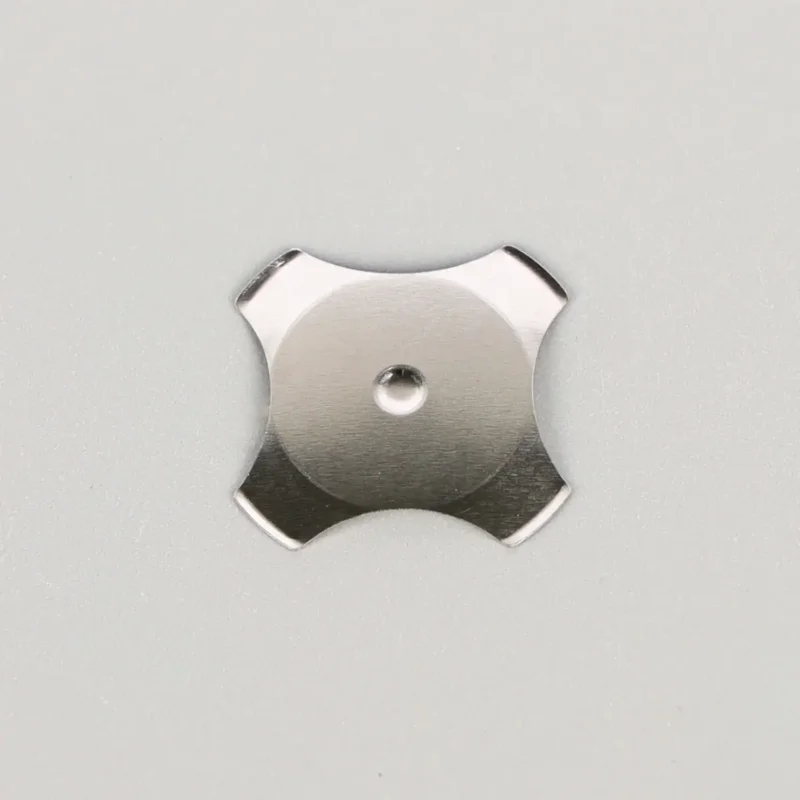
Four-leg versus single-dome arrays
Some controllers use individual domes under each button. Others employ dome arrays—sheets with multiple domes arranged in patterns matching button layouts. Arrays simplify manufacturing and assembly but may offer slightly less individual customization per button.
Force curves and snap ratios
Engineers describe dome behavior using force curves, which plot actuation force against travel distance. The snap ratio—the difference between peak force and post-click force—affects how crisp the click feels. Higher snap ratios produce more pronounced tactile feedback.
Different games may benefit from different characteristics:
Fighting games: Crisp, fast-rebounding domes for combo inputs
Shooters: Consistent, moderate-force domes for sustained rapid fire
Racing games: Slightly softer domes for analog-style inputs on digital buttons
Controller manufacturers sometimes tune dome specifications for specific gaming genres or user preferences.
The Connection Between Metal Dome Quality and Competitive Gaming
In competitive gaming, milliseconds matter. Input lag, missed presses, and inconsistent feedback can cost matches. Pro players and serious enthusiasts often scrutinize controller internals, including metal dome in gaming controller quality.
Why pros care about dome precision
Professional gamers notice subtleties that casual players might overlook. A dome that actuates at slightly inconsistent force levels introduces variability into muscle memory. Over thousands of hours of practice, this inconsistency becomes frustrating.
High-end controllers marketed to competitive players often highlight dome specifications or use proprietary designs optimized for performance. Some aftermarket modifications involve swapping stock domes for premium alternatives.
Controller modding and dome upgrades
The modding community has long recognized metal dome importance. Common upgrades include:
Installing higher-rated dome sheets
Replacing worn domes to restore original feel
Experimenting with different actuation forces for personal preference
These modifications require opening the controller and handling small components carefully. But for dedicated players, the improvement in feel and consistency justifies the effort.
Manufacturing Considerations for Metal Dome Components
Producing consistent, high-quality metal domes demands precision manufacturing. Variations in stamping, heat treatment, or material batches can introduce inconsistencies.
Quality control in dome production
Reputable suppliers implement strict quality control measures:
Dimensional inspection of dome geometry
Force testing to verify actuation specifications
Cycle testing to confirm durability ratings
Material certification for alloy composition
Controllers from established brands typically source from verified suppliers with documented quality processes. Budget controllers may cut corners here, leading to variable user experiences.
Integration with PCB design
The metal dome works in conjunction with the printed circuit board beneath it. PCB pad design, contact surface finish, and alignment all influence performance. Even a perfect dome underperforms if PCB integration is flawed.
الأسئلة الشائعة
Can worn metal domes be replaced in gaming controllers?
Yes, replacement dome sheets are available for many controller models, though installation requires disassembly and careful handling of small components.
How can users identify a controller with quality metal dome switches?
Premium controllers from reputable brands typically use higher-grade domes; user reviews mentioning tactile feel and long-term durability offer useful indicators.
Do all gaming controllers use metal domes?
Most use metal domes for primary buttons, though some designs employ membrane switches, mechanical switches, or hybrid approaches depending on controller type and price point.