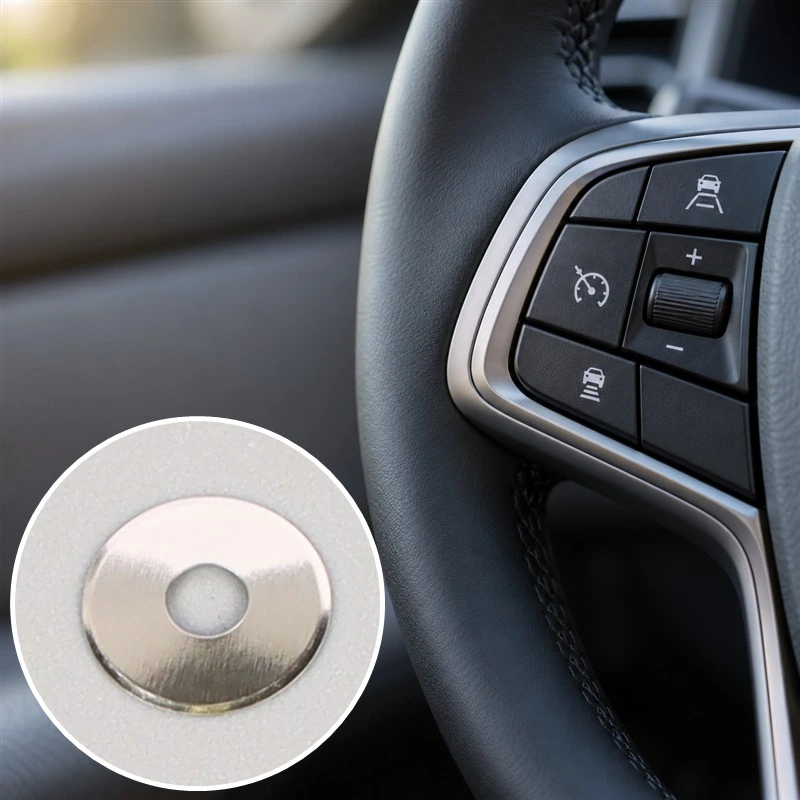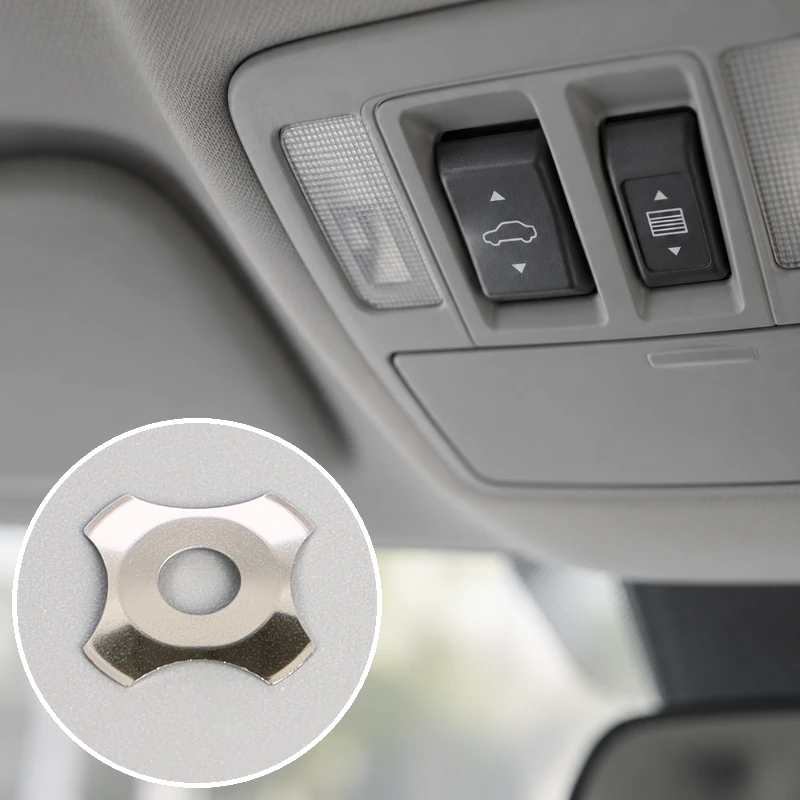
إذا فتحت جهاز تحكم عن بعد قديم للتلفزيون، فستكشف عادةً عن مشهد فوضوي إلى حد ما. فالعشرات من المكونات الصغيرة، ونقاط اللحام الفوضوية، ولوحة الدوائر الكهربائية السميكة تشغل مساحة لا داعي لها. لكن الأجهزة الإلكترونية الحديثة تبدو مختلفة تمامًا. فهي رفيعة للغاية وخفيفة الوزن ومتينة بشكل مدهش. وعند النظر إلى داخل هذه الأجهزة الحديثة، نجد أن السر وراء هذا التصميم الداخلي الأنيق يرجع بشكل شبه كامل إلى مكون واحد محدد. صفيحة القبة أحدثت ثورة حقيقية في الطريقة التي يتعامل بها المهندسون مع شبكات الأزرار، مما جعل الانتقال من الأجهزة البلاستيكية الضخمة إلى الأجهزة المحمولة الأنيقة أمراً ممكناً.
الدور الأساسي للوحة القبة في أجهزة التحكم عن بُعد الحديثة
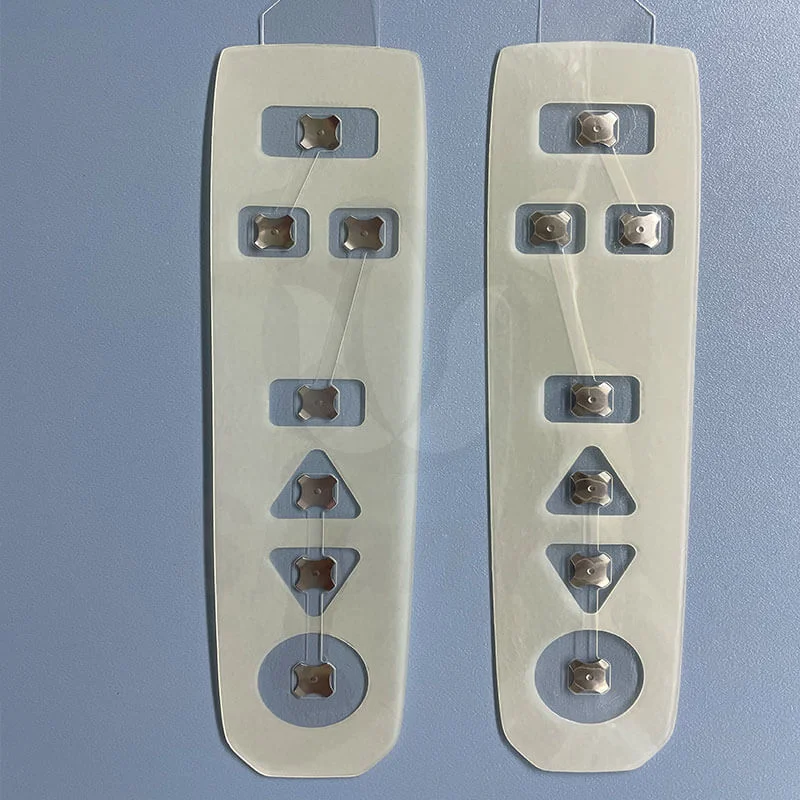
من المثير للاهتمام حقًا التفكير في المساحة المادية التي يشغلها المفتاح الميكانيكي القديم. ففي الأجهزة ذات الأزرار المتعددة، يُعد توصيل الأسلاك بكل مفتاح على حدة أمرًا صعبًا (وعرضة لوقوع الكثير من الأخطاء على خط التجميع). وتقوم اللوحة القبة، بشكل أساسي، بجمع كل تلك النقاط التلامسية المعدنية المنفصلة والمتفرقة وتجميعها مسبقًا على غشاء بلاستيكي واحد مُحاذي تمامًا.
وهذا يعني أنه بدلاً من لحام أربعين زرًا مختلفًا لجهاز تحكم عن بُعد تلفزيوني قياسي، تقوم آلة المصنع ببساطة بإزالة الغطاء الخلفي ووضع طبقة واحدة فقط. وبذلك يتم ملء مصفوفة لوحة المفاتيح بالكامل على الفور. إنها طريقة مختصرة عالية الكفاءة لا تؤثر بأي شكل من الأشكال على الإحساس بالضغطة المرضية التي يتوقعها المستخدمون عند الضغط على زر في أجهزتهم.
تنظيف تخطيط لوحة الدوائر الكهربائية
ونظرًا لأن لوح القبة يعمل كطبقة علوية موحدة، فإن لوحة الدوائر المطبوعة الموجودة أسفله لا تحتاج إلى عدد كبير من الثقوب أو مسارات توصيل معقدة. كل شيء يظل مسطحًا تمامًا. هذا الاستواء هو بمثابة المكون السري لإنشاء أجهزة التحكم عن بُعد فائقة النحافة التي تنزلق أحيانًا وتضيع في أعماق وسائد الأريكة. وبدون أغطية مفاتيح ضخمة، يمكن أن تستقر لوحة الدوائر مباشرةً على الغلاف البلاستيكي.
لماذا تُعد الألواح المقببة الخيار المفضل للوحات المفاتيح متعددة الطبقات
تعتمد لوحات المفاتيح، ولا سيما تلك الغشائية أو ذات الارتفاع المنخفض، بشكل كبير على بنية متعددة الطبقات. فهناك طبقات موصلة وطبقات فاصلة وطبقات واقية، جميعها مدمجة معًا. ويؤدي إدخال لوح مقبب في قلب هذه البنية المتعددة الطبقات إلى تبسيط الحسابات الهندسية بشكل كبير.
فيما يلي بعض الأسباب البارزة التي تجعل هذا التصميم الموحد هو السائد في هذا المجال اليوم:
وهو يضمن تباعدًا منتظمًا. يتم تحديد المسافة بين الأزرار أثناء التصنيع، لذا لا يتغير موضع أي منها أبدًا حتى أثناء جلسات الكتابة المكثفة.
يصعب على الغبار والحطام المتطاير إتلاف نقاط التلامس الكهربائية، حيث تعمل هذه الطبقة كغطاء مؤقت يحمي الألواح الحساسة.
تنخفض تكاليف الإنتاج بشكل ملحوظ. فالتعامل مع قطعة واحدة كبيرة من المواد أسهل وأرخص دائمًا من التعامل مع مئات الأجزاء المتحركة الدقيقة.
| الجانب التصميمي | المفاتيح الفردية | تطبيق ألواح القبة |
|---|---|---|
| وقت التجميع | بطيء جدًّا، ويتطلب عمليات لحام معقدة | سريعة للغاية، وتُثبَّت في الغالب بمجرد نزع الغطاء اللاصق |
| سماكة اللوح | ضخم الحجم، ويتطلب مساحة داخلية واسعة | رقيقة للغاية، تكاد تكون متساوية مع سطح اللوحة |
| عدد المكونات | مرتفع (مبيت واحد لكل زر) | منخفض (طبقة هيكلية واحدة فقط) |
| معدل الفشل | متوسط (قد تتعرض وصلات اللحام للتلف بمرور الوقت) | منخفض (تتميز المواد اللاصقة عمومًا بثباتها الشديد) |
تسلسل التجميع: تركيب لوح القبة
إن مشاهدة جهاز متعدد الطبقات وهو يتشكل على خط التجميع أمر مذهل إلى حد ما. فالمزيج الفوضوي من المواد الخام يتحول فجأة إلى جهاز تحكم عن بُعد أنيق في بضع خطوات محددة فقط. ويمكن القول إن دمج اللوحة المقببة هو الجزء الأكثر أهمية في هذه العملية برمتها، ويرجع ذلك أساسًا إلى أنه في حالة محاذاة هذه اللوحة بشكل غير صحيح، فلن تعمل أي من الأزرار بشكل سليم.
أولاً، يتم تنظيف اللوحة الإلكترونية العارية جيدًا للتأكد من عدم وجود غبار أو شحوم قد تفسد الطبقة اللاصقة.
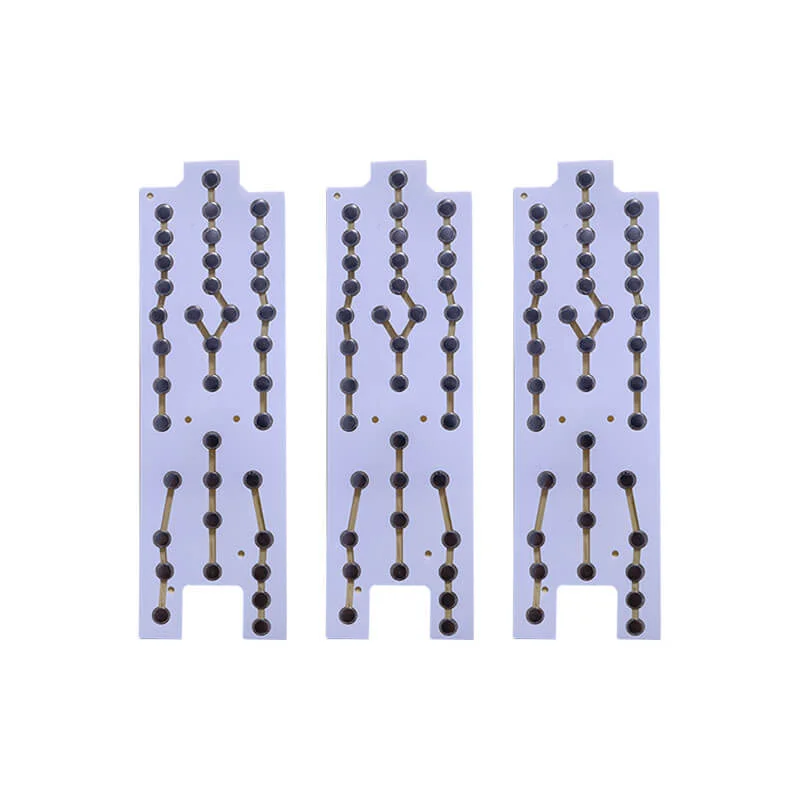
يتم إحضار لوح القبة، الذي يكون عادةً ملفوفًا على بكرة كبيرة، ويتم محاذاة حوافه بدقة باستخدام ثقوب محاذاة صغيرة موجودة في زوايا اللوح.
يتم الضغط بالتساوي على كامل السطح لتثبيت المادة اللاصقة، مع التأكد من أن كل قبة معدنية تقع تمامًا فوق لوحة التلامس المخصصة لها.
يُوضع الغلاف البلاستيكي الخارجي وأغطية المفاتيح الخارجية المطلية بالمطاط مباشرةً فوق الصفيحة لإتمام البنية متعددة الطبقات.
التعامل مع التغذية الراجعة اللمسية
قد يشعر المرء بالقلق بطبيعة الحال من أن دمج كل شيء في ملصق واحد ضخم قد يجعل الأزرار تبدو لينة. لكن المفاجأة هي أن هذا نادرًا ما يحدث. من خلال تعديل سماكة طبقة البولي إيثيلين تيريفثالات (PET) بشكل طفيف أو تغيير قطر نقاط التلامس المعدنية الصغيرة المطبوعة في لوح القبة، يمكن للمصممين بسهولة محاكاة الصوت الثقيل للوحة التحكم الصناعية أو الصوت الناعم والهادئ لجهاز التحكم عن بعد الخاص بتلفزيون غرفة النوم. إنها تجربة قابلة للتخصيص بدرجة كبيرة. إذا كنت ترغب في معرفة المزيد عن لوح القبة، يرجى قراءة ما هي ورقة القبة.
الأسئلة الشائعة
كيف تؤثر صفيحة القبة على السُمك الكلي لجهاز التحكم عن بُعد؟
إنها تقلل من حجمها بشكل كبير. ونظرًا لأن نقاط التلامس المعدنية مدمجة مباشرةً في طبقة رقيقة من البلاستيك بدلاً من أن تكون موضوعة داخل أغلفة بلاستيكية ضخمة للمفاتيح، فإن آلية الزر بأكملها لا تشغل سوى أقل من ملليمتر واحد من المساحة الرأسية. وهذه هي بالضبط الطريقة التي تجعل أجهزة التحكم عن بُعد الحديثة متعددة الطبقات رفيعة وخفيفة الوزن إلى هذا الحد.
هل يمكن إصلاح لوح القبة التالف بسهولة؟
في الحقيقة، لا يحدث ذلك عادةً. فما أن يتلف اللاصق أو تفقد إحدى القباب المعدنية مرونتها الطبيعية بعد سنوات من الاستخدام المكثف، يصبح استبدال زر واحد فقط أمراً بالغ الصعوبة. وتتمثل الطريقة المعتادة للإصلاح في نزع اللوحة بالكامل ولصق لوحة جديدة تماماً على لوحة الدائرة الكهربائية.
هل تُستخدم هذه التقنية في لوحات مفاتيح أجهزة الكمبيوتر المحمولة أيضًا؟
نعم، ولكن بطريقة مختلفة قليلاً. ففي حين أن بعض لوحات مفاتيح الألعاب الثقيلة لا تزال تستخدم مفاتيح ميكانيكية منفردة لتوفير إحساس عميق بمسافة الضغط، تعتمد الغالبية العظمى من أجهزة الكمبيوتر المحمولة الرقيقة وخفيفة الوزن على نظام غشائي متعدد الطبقات مستوحى بشكل كبير من تصميمات الأغشية المقببة الأساسية، وذلك لتوفير أكبر قدر ممكن من المساحة تحت المفاتيح.