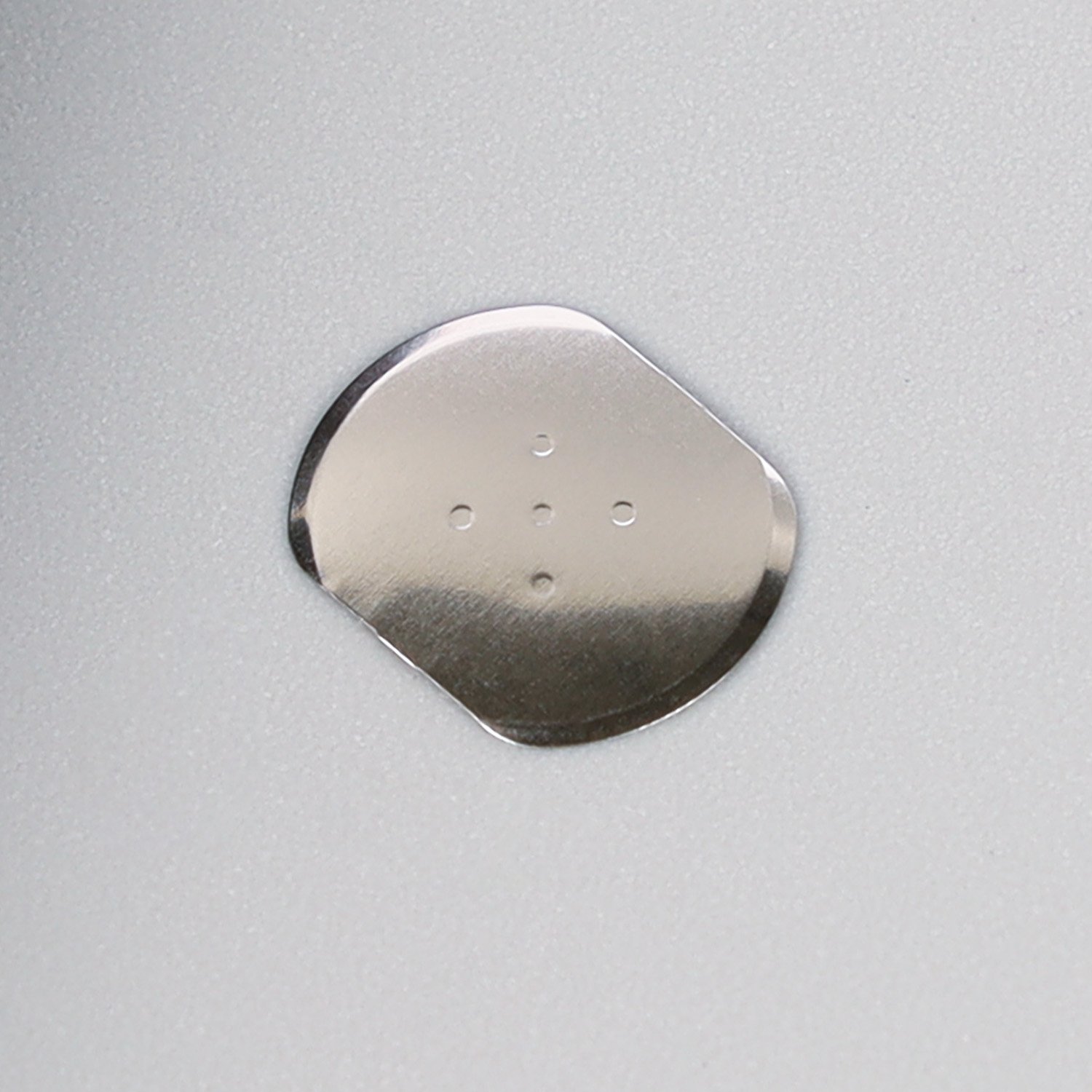
There is a very specific, highly satisfying click that happens when pausing a track on high-end wireless earbuds. It feels physical and completely solid. It’s almost hard to believe there’s an actual mechanical component in there fighting for space alongside the battery and various sensors. But there is. Usually, those tiny parts doing all the heavy lifting are simply قباب معدنية waiting under the surface. It’s funny to think about how much hidden engineering goes into something that essentially just pops up and down on command.
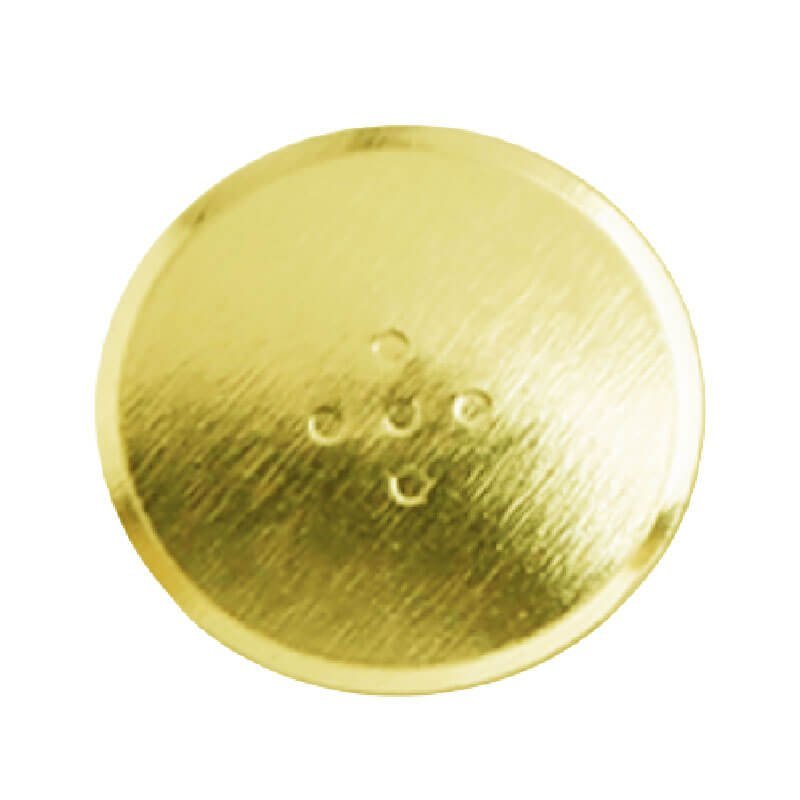
Why Metal Domes Are the Secret Sauce in Wearables
It’s incredibly easy to get distracted by flashy tech specs today. Spatial audio, retinal displays, and ultra-fast charging usually get all the marketing hype. But the physical interaction with a device matters just as much for the daily user experience. When pressing a button on a sleek wearable device, there has to be a crisp, definitive response. That’s exactly where metal domes come into the picture. They sit quietly inside the device, snapping back with a sharp feel every single time. It’s a beautifully simple mechanism. Maybe almost too simple for such complex digital devices, but they just work flawlessly in the background.
The Earphone Evolution
Think about the current state of wireless earbuds. They keep getting smaller and lighter, which makes squeezing components into the stem of an earphone a complete nightmare for product designers. There are so many things trying to constantly fight for space in that tiny plastic shell:
Micro-batteries that somehow need to last all day
Complex antennas for seamless Bluetooth connectivity
Audio drivers and multiple noise-canceling microphones
With all that hardware packed inside, there really isn’t much room left for bulky, traditional switches. Integrating metal domes solves this headache primarily because of their incredibly low profile. They offer that definitive tactile feedback without taking up precious millimeters.
Sizing Up Metal Domes in Smart Glasses and AR
Augmented reality glasses are clearly the next big frontier in consumer tech. They actually look like regular glasses now (well, mostly), which means the chunky, awkward buttons of past prototypes are completely gone. The frames have to be visually slim to look stylish. So how does a person naturally interact with the device if voice commands aren’t appropriate or the environment is too noisy? Usually through subtle touch and tap gestures directly on the temples of the glasses.
Inside those surprisingly slim frames, miniature metal domes are often the unsung hardware heroes. They handle the click sensation. The physical feedback needs to be sharp enough so the user immediately knows the command registered, even if they happen to be walking down a chaotic, noisy city street.
Finding Space Where There Is None
The tactile feel of a wearable can absolutely make or break the user experience. If a button feels too mushy, the whole device instantly feels cheap. If it’s too stiff, it becomes annoying to use multiple times a day. Looking at how different switch technologies stack up in these ultra-compact micro-environments really highlights why certain choices are made during the engineering phase.
| Component Type |
Tactile Sensation
|
المساحة المطلوبة
|
Expected Durability
|
|---|---|---|---|
|
قباب معدنية
|
Very crisp, distinct
|
Extremely low
|
Very high (millions of clicks)
|
|
Silicone Pads
|
Soft, sometimes mushy
|
متوسط
|
معتدل
|
|
مفاتيح التبديل الميكانيكية
|
High travel, solid
|
عالية
|
عالية
|
Design Challenges for Metal Domes in Wearables
It’s definitely not all just snapping small parts together on an assembly line. Wearable tech takes a serious beating in the real world. People drop them on concrete, sweat all over them at the gym, and accidentally wear them in the pouring rain.
Sweat, Dust, and Daily Life
Because devices like smartwatches and earphones practically live on the human body, they face rather harsh conditions daily. Designing effectively around a metal dome in wearable applications involves figuring out how to seal them off completely from the outside elements. A tiny bit of dust or a drop of moisture sneaking into the housing can easily ruin the electrical actuation.
Here is the general process for implementing them safely into a wearable product:
Selecting the right dome size and exact actuation force (which is usually measured in grams).
Choosing a specific material plating, like gold or nickel, to prevent any corrosion from salty sweat.
Applying a protective PET film or fully integrating them into a sealed membrane structure.
Testing the finished units for hundreds of thousands of cycles under extreme hot and cold temperature changes.
Sometimes, it really seems like a massive amount of effort for a tiny little click. But that underlying reliability is exactly what keeps expensive devices functioning and out of the landfill for years.
الأسئلة الشائعة
What is the expected lifespan of metal domes in daily use?
Generally, they are rated to survive anywhere from 100,000 to well over a million cycles depending on the specific design and plating. For an average pair of wireless earbuds, the internal lithium battery will degrade and die permanently long before the dome switch ever actually fails.
Can metal domes be customized for entirely different devices?
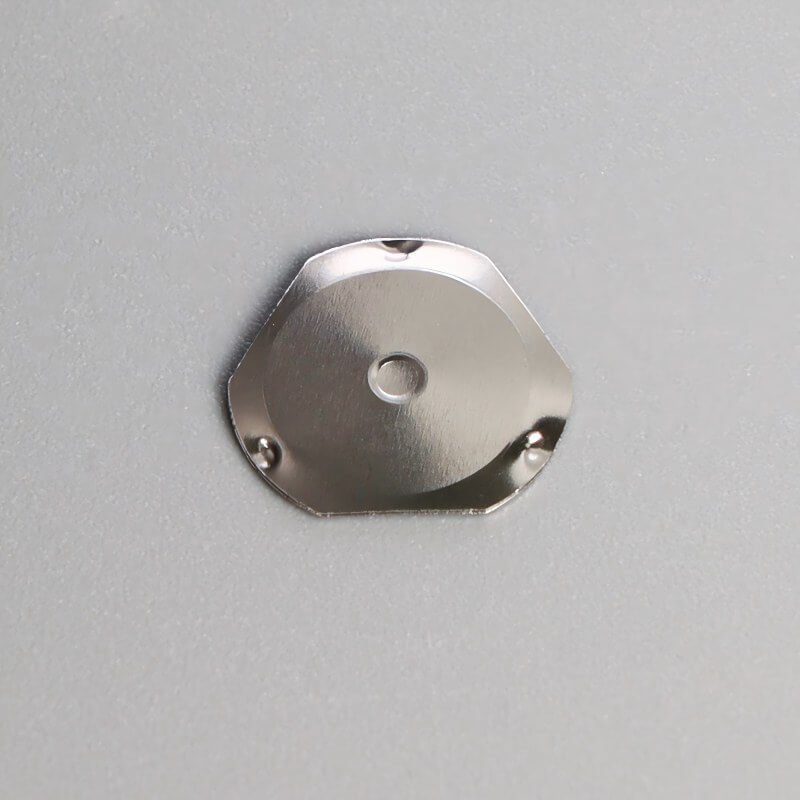
Yes, absolutely. The actuation force, shape (whether round, four-leg, or triangle), and overall size can all be uniquely tweaked. Advanced AR glasses might use a much lighter touch than a rugged, outdoor smartwatch button built for hiking.
Why not just use capacitive touch sensors everywhere instead?
Touch sensors are undeniably great, but they entirely lack physical feedback. If a user is wearing thick winter gloves or has wet hands from the rain, touch sensors often struggle to register anything. A physical click never lies, providing instant confirmation that a device is doing what it was asked to do.