Die Wahl der richtigen Betätigungskraft für eine Metallkuppel sollte eigentlich ganz einfach sein. Nimm eine Zahl und mach weiter. Aber jeder, der ein paar Produktentwicklungszyklen miterlebt hat, weiß, dass es selten so einfach ist. Die falsche Kraftangabe führt zu Beschwerden der Benutzer - entweder fühlt sich die Taste schwammig und unzuverlässig an, oder sie ist so steif, dass wiederholtes Drücken wirklich ermüdend ist. Keines der beiden Ergebnisse ist für ein fertiges Produkt akzeptabel.
Die drei am häufigsten angegebenen Kraftwerte - 180 g, 350 g und 500 g - decken ein breites Spektrum an Anwendungen ab. Aber sie sind nicht austauschbar, und die Unterschiede zwischen ihnen gehen über “leichter” oder “schwerer” hinaus. Der Kontext ist hier von enormer Bedeutung.
Die Bedeutung der Betätigungskraft im Zusammenhang mit einer Metallkuppel
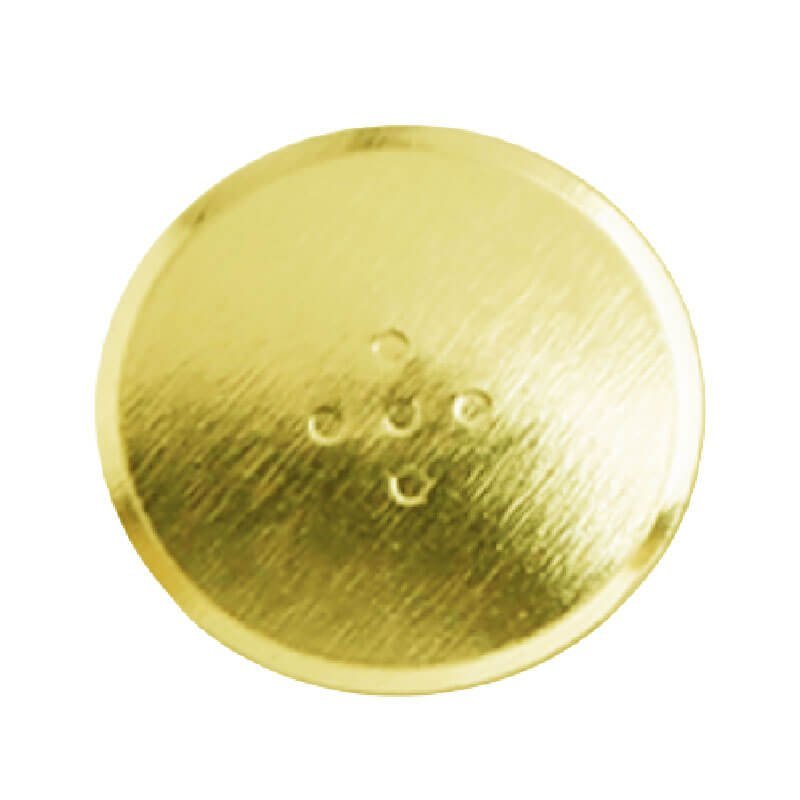
Die Betätigungskraft ist die Spitzenkraft, die erforderlich ist, um die Kuppel zu durchbrechen und ein Schaltereignis zu registrieren. Sie wird in Gramm Kraft (gf) gemessen und stellt den höchsten Punkt auf der Kraft-Weg-Kurve dar - der Moment, kurz bevor die Kuppel einrastet. Nach dem Einrasten fällt die Kraft stark ab, was das taktile Klick-Feedback erzeugt, das die Benutzer spüren.
Eine höhere Zahl bedeutet nicht automatisch “besser”. Sie bedeutet etwas anderes. Die ideale Kraft hängt davon ab, wer die Taste drückt, wie oft und unter welchen Bedingungen.
Der Snap-Ratio-Faktor
Was oft übersehen wird, ist das Schnappverhältnis - das Verhältnis zwischen der Spitzenkraft und der Kraft am unteren Ende des Weges nach dem Zusammenbruch. Eine Metallkuppel mit einem hohen Fangverhältnis (z. B. 40% oder mehr) fühlt sich knackiger und entschlossener an. Ein niedriges Schnappverhältnis fühlt sich weicher, fast gedämpft an. Zwei Kuppeln mit identischer Spitzenkraft, aber unterschiedlichem Schnappverhältnis, fühlen sich für den Endverbraucher völlig unterschiedlich an.
Vergleich der Metallkuppeloptionen 180gf, 350gf und 500gf
180gf - Light Touch Anwendungen
Eine 180gf-Metallkuppel erfordert nur sehr wenig Fingerdruck. Diese Art von Kraft eignet sich gut für Geräte, bei denen die Benutzer häufig oder über längere Zeiträume interagieren. Denken Sie an Fernbedienungen, dünne Membrantastaturen oder medizinische Überwachungsgeräte, bei denen die Bediener Handschuhe tragen und eine hohe Sensibilität ohne Ermüdung benötigen.
Der Nachteil? Lichtkuppeln sind anfälliger für versehentliche Betätigung. In Umgebungen mit Vibrationen oder wenn das Gerät herumgestoßen wird, kann der 180gf falsche Eingaben registrieren.
350gf - Der Mittelweg
Dies ist wahrscheinlich der am häufigsten angegebene Kraftwert in der Verbraucher- und Industrieelektronik. Ein 350gf-Dom bietet genug Widerstand, um sich bewusst zu fühlen, ohne dass man sich wirklich anstrengen muss. Es funktioniert für:
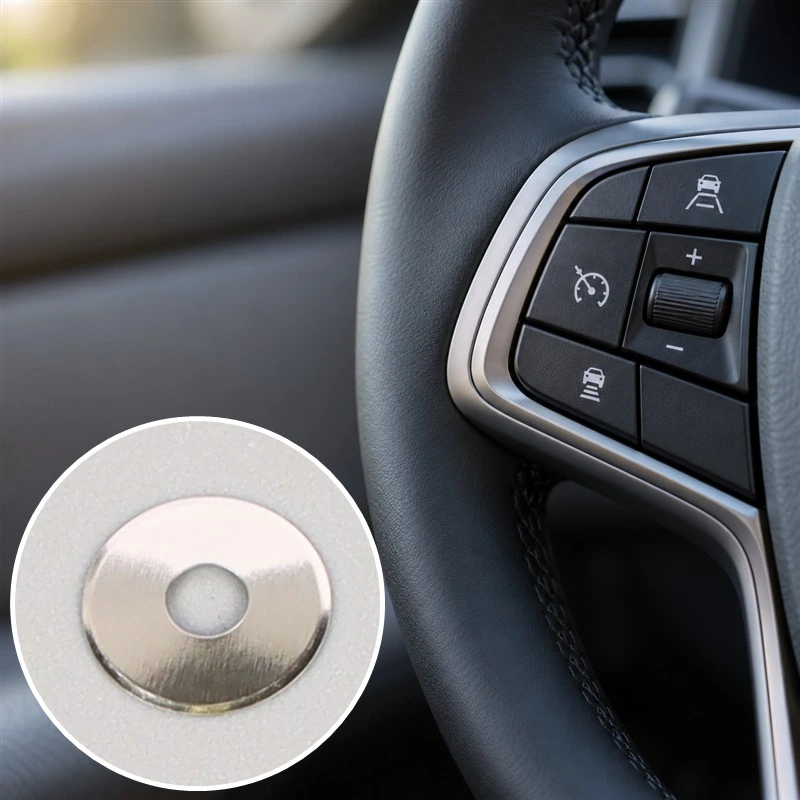
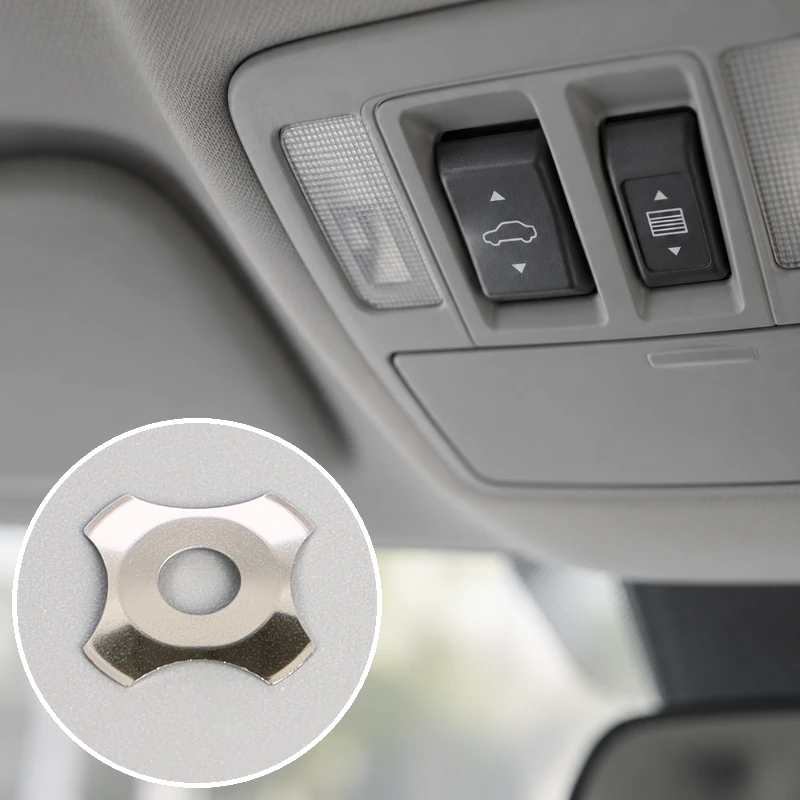
Bedienelemente im Armaturenbrett von Kraftfahrzeugen
Industrielle HMI-Panels
Haushaltsgeräte (Mikrowellen, Waschmaschinen)
Tastenfelder für Bürogeräte
Es gibt einen Grund, warum sie so beliebt ist. Er bietet ein ausgewogenes Verhältnis zwischen taktiler Klarheit und Komfort für eine breite Palette von Fingergrößen und Druckgewohnheiten.
500gf - Heavy-Duty-Rückmeldung
Bei 500gf drückt die Kuppel spürbar zurück. Dieses Widerstandsniveau eignet sich für Anwendungen, bei denen eine versehentliche Aktivierung problematisch wäre - z. B. bei Sicherheitssteuerungen, Schnittstellen zu schweren Maschinen oder Außengeräten, die mit Arbeitshandschuhen bedient werden. Die höhere Kraft korreliert bei einigen Kuppelgeometrien auch mit einer längeren mechanischen Lebensdauer, obwohl dies keine allgemeingültige Regel ist.
Der Nachteil ist offensichtlich: Ermüdung. Bei hochfrequenten Eingaben (Dateneingabe, wiederholtes Drücken von Tasten) werden 500 g schnell unangenehm, wenn man ständig runde Metallkuppel Betrieb.
Andere Faktoren, die die Auswahl der Metallkuppelkraft beeinflussen
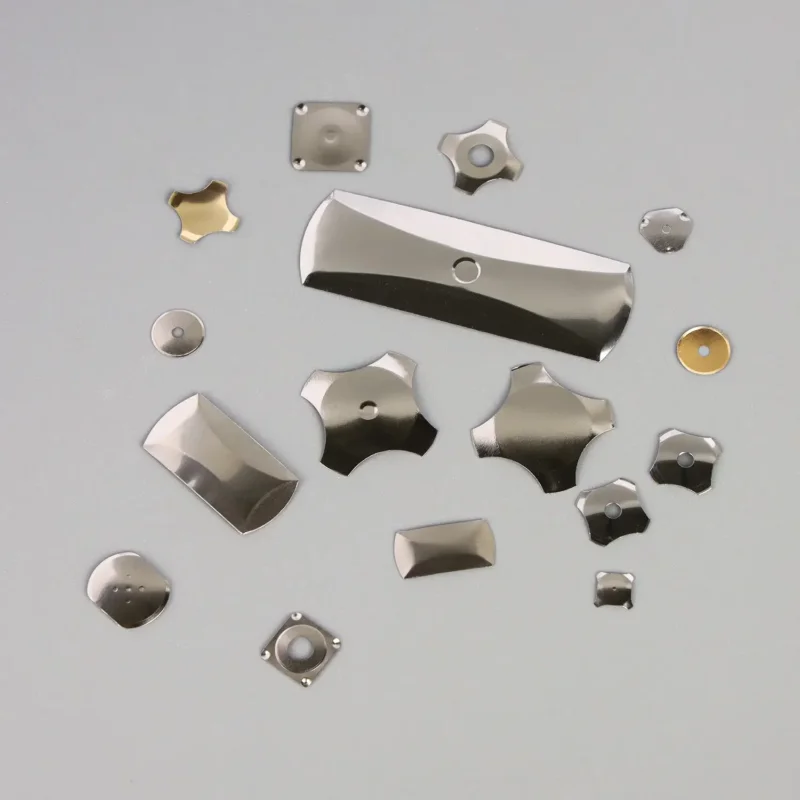
Der Kraftwert allein sagt noch nicht alles aus. Mehrere Designvariablen interagieren mit der Spitzenkraft der Kuppel, um das endgültige Benutzererlebnis zu gestalten:
Domdurchmesser - größere Dome fühlen sich bei gleicher Nennkraft in der Regel leichter an, weil die Kontaktfläche der Finger größer ist
Dicke des Overlays - ein dickes Grafik-Overlay absorbiert einen Teil des taktilen Einrastens, so dass sich die Kuppel weicher anfühlt, als ihre Bewertung vermuten lässt.
Luftspalt unter dem Overlay - zu viel Spalt und der Dom fühlt sich von der Presse abgekoppelt an; zu wenig und der Vorlauf verschwindet
Betriebstemperatur - extreme Kälte kann den Belag versteifen und die wahrgenommene Kraft leicht erhöhen
Die richtige Kraft auf dem Papier ist nur die Hälfte der Arbeit. Prototypentests mit tatsächlichen Nutzern (oder zumindest mit dem geplanten Overlay-Stack) sind der Ort, an dem die eigentliche Validierung stattfindet.
Wann Sie individuelle Force Ratings anfordern sollten
Die Standardkatalogoptionen decken die meisten Bedürfnisse ab. Gelegentlich liegt ein Projekt jedoch zwischen den Standardwerten - ideal wären vielleicht 250 gf oder etwa 420 gf. Die meisten Hersteller von Metallkuppeln sind in der Lage, kundenspezifische Kraftspezifikationen zu erfüllen, allerdings sind die Mindestbestellmengen in der Regel höher und die Lieferzeiten länger. Es lohnt sich, bereits in der Entwurfsphase nachzufragen, anstatt zu versuchen, eine Standardoption zu erzwingen, die zwar nahe dran ist, aber nicht ganz passt.
FAQ
Verändert sich die Betätigungskraft während der Lebensdauer einer Metallkuppel?
Geringfügig. Bei den meisten Kuppeln aus rostfreiem Stahl kommt es im Laufe von Millionen von Zyklen zu einem geringen Kraftabfall (in der Regel 5-10%), da das Material an den Biegepunkten unterschiedlich stark aushärtet. Dies ist für den Benutzer kaum spürbar.
Kann der gleiche Kuppeldurchmesser in verschiedenen Kraftstufen hergestellt werden?
Die Kraft wird in erster Linie durch die Materialstärke und die Kuppelgeometrie (Höhe, Anzahl der Schenkel, Krümmung) gesteuert. Ein einziger Durchmesser kann eine breite Palette von Kraftoptionen unterstützen.
Wie verhält sich die Betätigungskraft zur hörbaren Klicklautstärke?
Kalotten mit höherer Kraft erzeugen aufgrund der größeren Schnappenergie tendenziell einen etwas lauteren Klick, aber der Kalottendurchmesser und das Design des umgebenden Hohlraums haben mehr Einfluss auf den wahrgenommenen Klang als die Kraft allein.