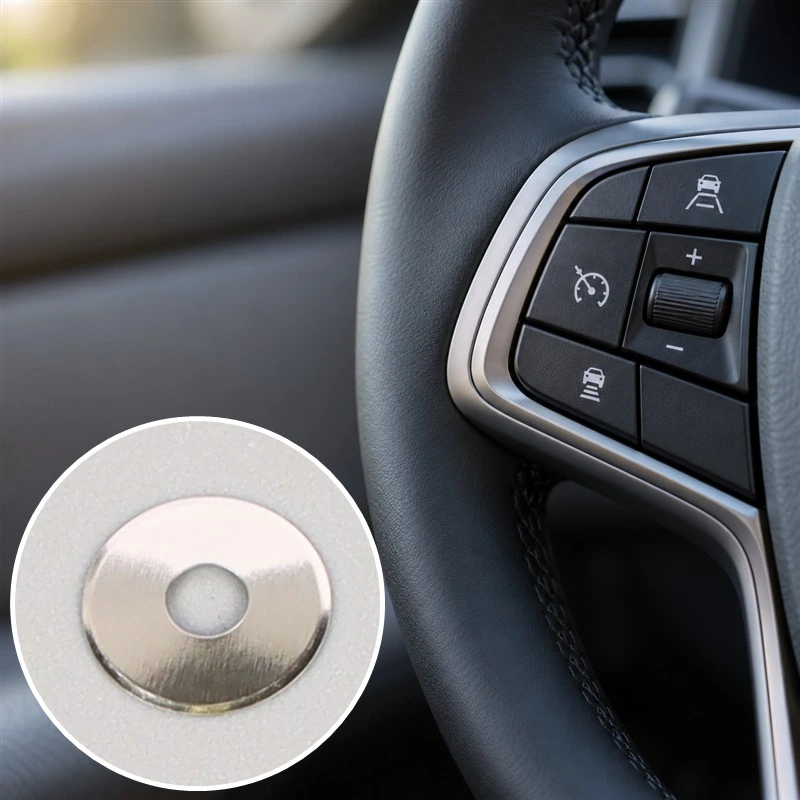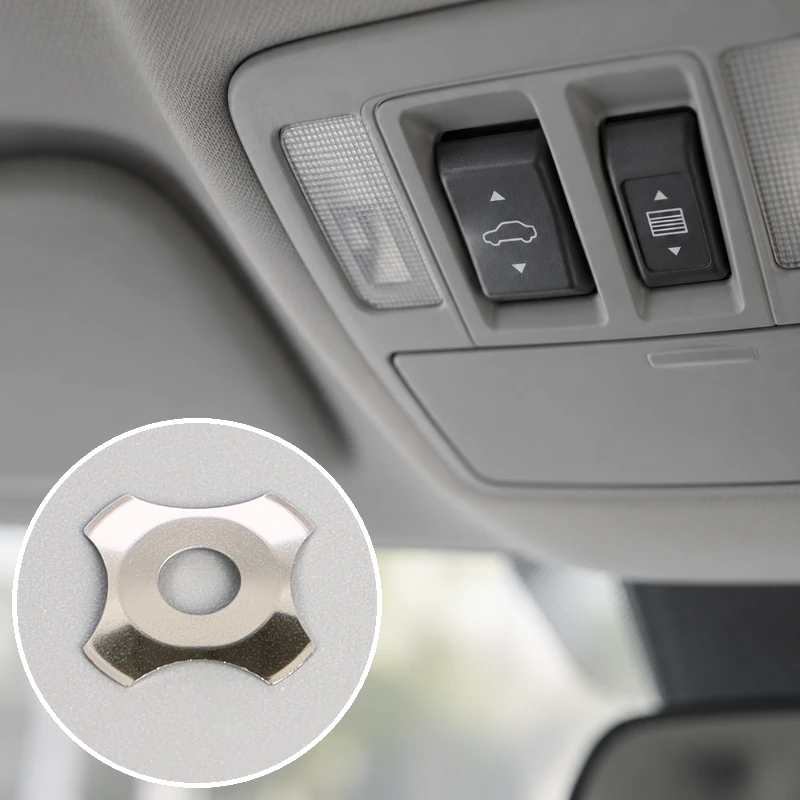
Terminals für den Außenbereich. Industrielle Schalttafeln. Medizinische Geräte, die ein Dutzend Mal am Tag abgewischt werden. Schiffselektronik, die Spritzwasser und salzhaltiger Luft ausgesetzt ist. Diese Umgebungen haben eines gemeinsam: Sie sind feindlich gegenüber allem, was mechanisch oder elektronisch ist, und sie alle sind auf Schaltkomponenten angewiesen, die nicht ausfallen dürfen, wenn Wasser oder Staub auftauchen.
Erreichen der Schutzart IP67 mit einer Metallkuppel Der Wechsel ist nicht unmöglich. Er ist nicht einmal besonders selten. Aber es erfordert Aufmerksamkeit für Details, die bei der gelegentlichen Entwicklungsarbeit oft übersehen werden, und die Bereitschaft, mehr zu testen, als die meisten Ingenieure zunächst erwarten.
Die Bedeutung von IP67 für die Konstruktion von Metallkuppelschaltern
Bevor wir uns damit befassen, wie man das erreicht, sollte man sich erst einmal über die Einstufung selbst klar werden. IP67 bedeutet, dass das Gerät vollständig staubdicht ist (die “6”) und einem vorübergehenden Eintauchen in bis zu 1 Meter tiefes Wasser für 30 Minuten standhält (die “7”). Klingt einfach. In der Praxis ist der Einbau eines taktilen Schalters jedoch mit mehr Aufwand verbunden, als die meisten Neulinge vermuten.
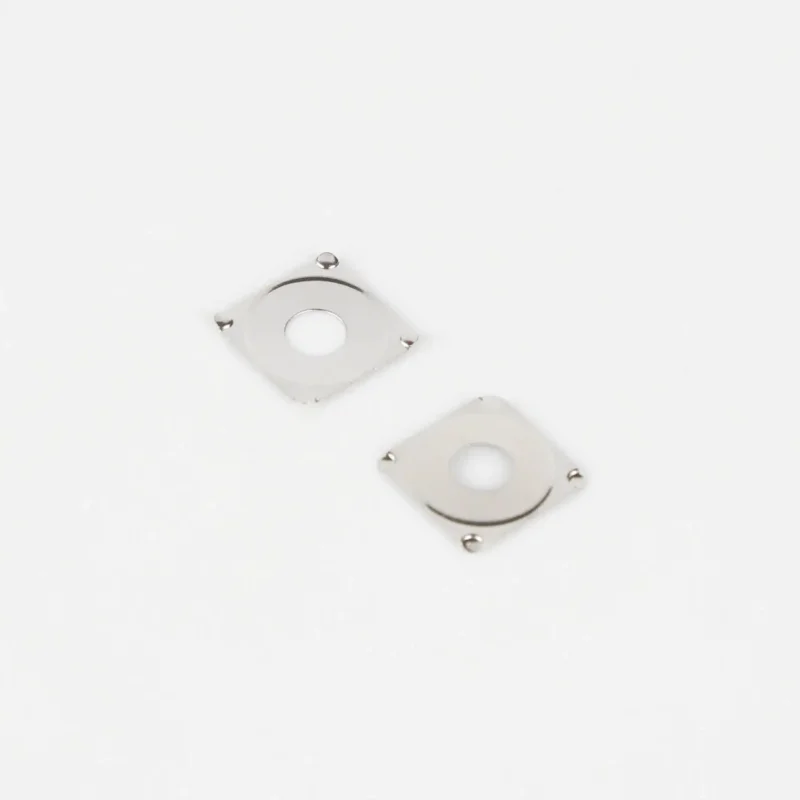
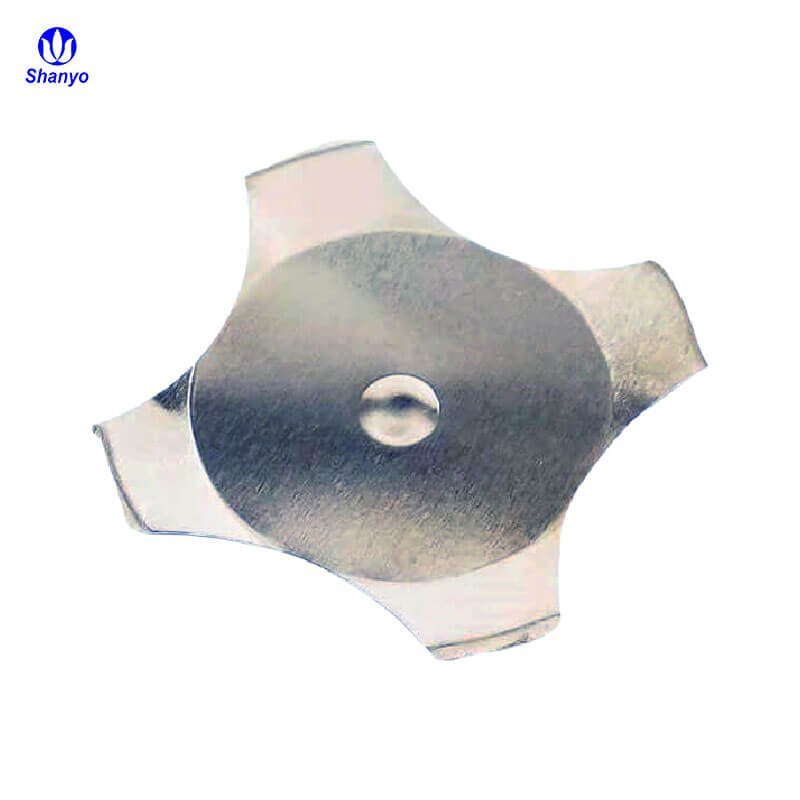
Eine Metallkuppel allein - dieses kleine, einrastende Bauteil aus Edelstahl - bietet keinerlei Schutz vor der Umwelt. Sie ist im Wesentlichen offen für alles, was sie umgibt. Der Schutz muss von allem um die Kuppel herum kommen: Abdeckungen, Dichtungen, Klebstoffe und Gehäusekonstruktion arbeiten alle zusammen.
An dieser Stelle wird es interessant. Es gibt keine einzelne “IP67-Kuppel”. Die Einstufung bezieht sich auf die Baugruppe, nicht auf die Kuppel selbst.
Hauptkomponenten, die die IP67-Leistung bestimmen
Das Grafik-Overlay
Die oberste Schicht der Baugruppe leistet den größten Teil der sichtbaren Arbeit. Ein richtig spezifiziertes Grafik-Overlay muss sowohl flexibel genug sein, um die Betätigungskraft auf die darunter liegende Metallkuppel zu übertragen, als auch robust genug, um Verunreinigungen über Jahre hinweg abzudichten.
Polyester-Overlays (PET) übertreffen in der Regel Polycarbonat in IP67-Anwendungen, vor allem weil sie wiederholten Biegungen standhalten, ohne Mikrorisse zu bilden. Gerissene Overlays sind eine der Hauptursachen für Dichtungsversagen, die sich selten bemerkbar machen, bis die ersten Rücksendungen eintreffen.
Kleberschichten
Die Wahl des Klebstoffs ist vielleicht der am meisten unterschätzte Faktor für die langfristige Dichtungsleistung. Der Klebstoff, der das Overlay am Gehäuse hält, ist bei vielen Konstruktionen buchstäblich die Dichtung selbst.
Worauf ist bei einem Dichtungskleber zu achten?
Hohe Anfangsklebkraft mit ausgezeichneten langfristigen Alterungseigenschaften
Beständigkeit gegen gängige Reinigungsmittel (insbesondere Isopropylalkohol und quaternäre Ammoniumverbindungen)
Stabile Leistung über den gesamten Betriebstemperaturbereich des Geräts
Kompatibilität sowohl mit dem Overlay-Material als auch mit dem Gehäusesubstrat
Kuppel-Array-Konstruktion
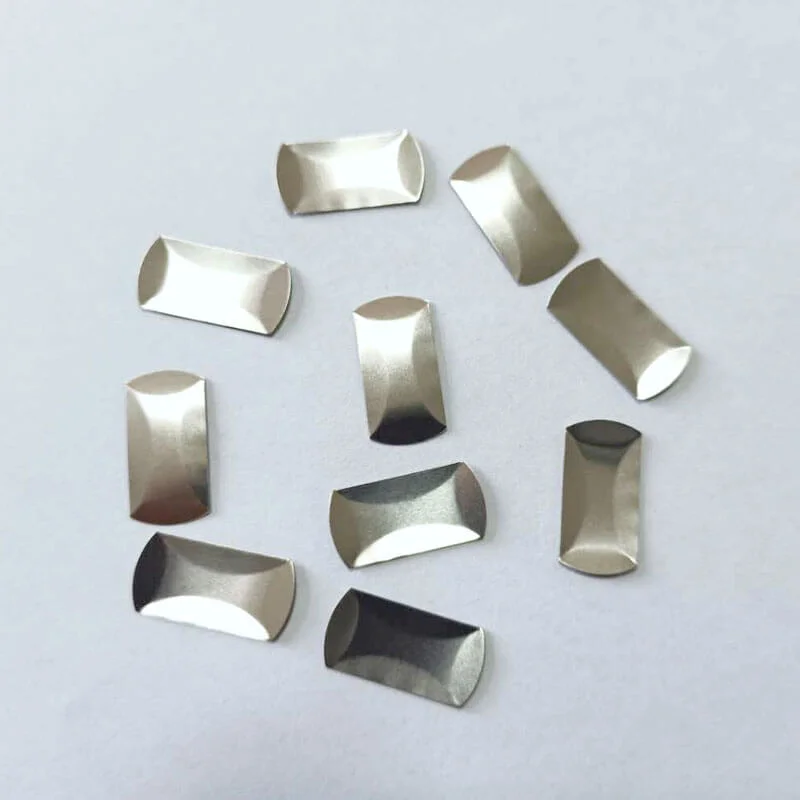
Bei den meisten versiegelten Baugruppen befindet sich die Metallkuppel selbst zwischen zwei Klebeschichten. Die Kuppel dichtet nichts ab - aber die Schichten um sie herum tun es sehr wohl. Geprägte Polyesterträger mit integrierter Dome-Positionierung bieten eine bessere Langzeitzuverlässigkeit als ältere Befestigungsmethoden im Spider-Stil.
Für Anwendungen mit hoher Beanspruchung, bei denen die Schutzart IP67 über Millionen von Betätigungen hinweg eingehalten werden muss, ist dieses Konstruktionsdetail wichtiger als die meisten technischen Datenblätter vermuten lassen.
Vergleich von Dichtungsansätzen für Metallkuppelkonstruktionen
Verschiedene Versiegelungsstrategien eignen sich für verschiedene Anwendungen. Die folgende Tabelle fasst die wichtigsten Ansätze zusammen und zeigt, wo sie am besten geeignet sind:
| Versiegelungsmethode |
Typische IP-Bewertung
|
Am besten für
|
Abwägungen
|
|---|---|---|---|
|
Selbstklebendes Overlay
|
IP65-IP67
|
Flachbildschirm-Anwendungen
|
Begrenzt auf flache Oberflächen
|
|
Dichtung + komprimierte Auflage
|
IP67-IP68
|
Industrielle Kontrollen
|
Höhere Montagekomplexität
|
|
Vollständig gekapselte Baugruppe
|
IP68+
|
Marine, tiefes Eintauchen
|
Reduzierte taktile Rückmeldung
|
|
Heißversiegelte Taschenkonstruktion
|
IP67
|
Medizinische Handhelds
|
Teurere Werkzeuge
|
|
O-Ring Umfangsdichtung
|
IP67
|
Modulare Tastaturen
|
Erfordert präzise Passflächen
|
Häufige Fallstricke, die zu IP67-Fehlern führen
Selbst gut konzipierte Baugruppen können bei der Zertifizierung versagen oder in der Praxis schlecht funktionieren. Die Gründe dafür liegen in der Regel in einer Handvoll wiederkehrender Probleme:
Unzureichender Umfang des Overlay-Klebstoffs (alles unter 3 mm durchgehend verklebter Fläche ist problematisch)
Scharfe Innenecken des Gehäuses, an denen sich der Klebstoff während der Temperaturwechsel ablöst
Reinigung der chemischen Belastung, die bei der Materialauswahl nicht berücksichtigt wurde
Übersehene Entlüftungswege durch Kabeleinführungen oder Schraubdome
Dome-Array-Träger, die zu nahe an den Dichtungsumfang heranreichen
Dieser letzte Punkt überrascht viele Designer unvorbereitet. Der Polyesterträger, der die Kuppel an Ort und Stelle hält, kann tatsächlich zu einem Dochtpfad für Feuchtigkeit werden, wenn er über die Innenkante der Umfangsdichtung hinausragt. Kleines Detail, große Folgen.
Empfehlungen für Tests und Validierung
IP67 ist nichts, was man einfach so hinnehmen sollte. Die Validierung in der realen Welt sollte umfassen:
Erste Produktionsmuster nach IEC 60529 Tauchverfahren getestet
Beschleunigte Alterungszyklen (Temperatur und Feuchtigkeit) vor erneuter Prüfung
Reinigungsmittelexpositionsversuche unter den zu erwartenden Feldbedingungen
Langfristige Betätigungszyklen kombiniert mit regelmäßiger IP-Nachprüfung
Der Verzicht auf die Alterung ist verlockend - er verlängert die Validierungszeit um Wochen -, aber Ausfälle im Feld sind fast immer auf eine Verschlechterung zurückzuführen, die in frischen Proben nicht erkennbar ist.
Letzte Überlegungen vor der Produktion
Das Erreichen der Schutzart IP67 mit einem Metallkuppelschalter ist eine Gratwanderung zwischen Dichtigkeit, taktiler Leistung und praktischer Fertigung. Die besten Konstruktionen gehen diesen Kompromiss absichtlich und nicht zufällig ein. Die Zusammenarbeit mit einem Schalterlieferanten, der über tatsächliche Produktionserfahrungen mit abgedichteten Baugruppen verfügt - und nicht nur über Materialkataloge - spart in der Regel mehr Zeit und Nacharbeit, als der Kostenunterschied im Vorfeld vermuten lässt.
FAQ
Kann eine Standard-Metallkuppel ohne Umgestaltung des Gehäuses auf IP67 nachgerüstet werden?
Manchmal, aber nicht zuverlässig. Das Hinzufügen von Überlagerungsdichtungen zu einem nicht abgedichteten Gehäuse erreicht normalerweise nur IP54 oder IP65. Echte IP67 erfordert in der Regel Designänderungen auf Gehäuseebene.
Wie wirkt sich die Schutzart IP67 auf die Haptik von Metallkuppelschaltern aus?
Versiegelte Overlays sorgen für eine geringe Dämpfung des Klickgefühls. Bei richtiger Materialauswahl ist der Unterschied für den Endverbraucher kaum spürbar.
Gilt die IP67-Zertifizierung für die gesamte Lebensdauer des Geräts?
Nicht automatisch. Die Alterung des Klebstoffs, mechanischer Verschleiß und die Einwirkung von Chemikalien beeinträchtigen mit der Zeit die Dichtigkeit. Für kritische Anwendungen wird eine regelmäßige Inspektion vor Ort empfohlen.