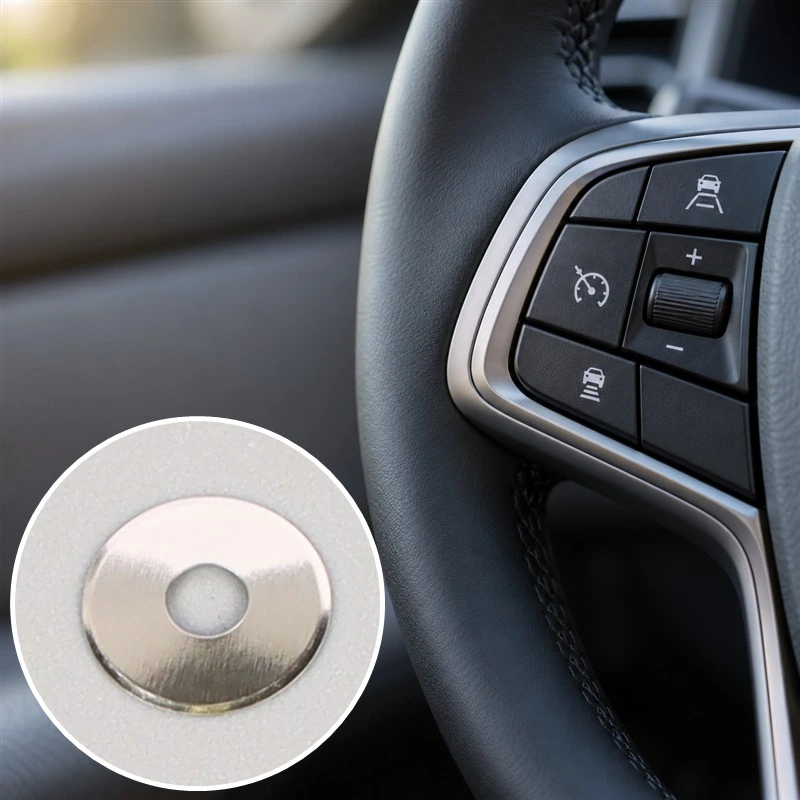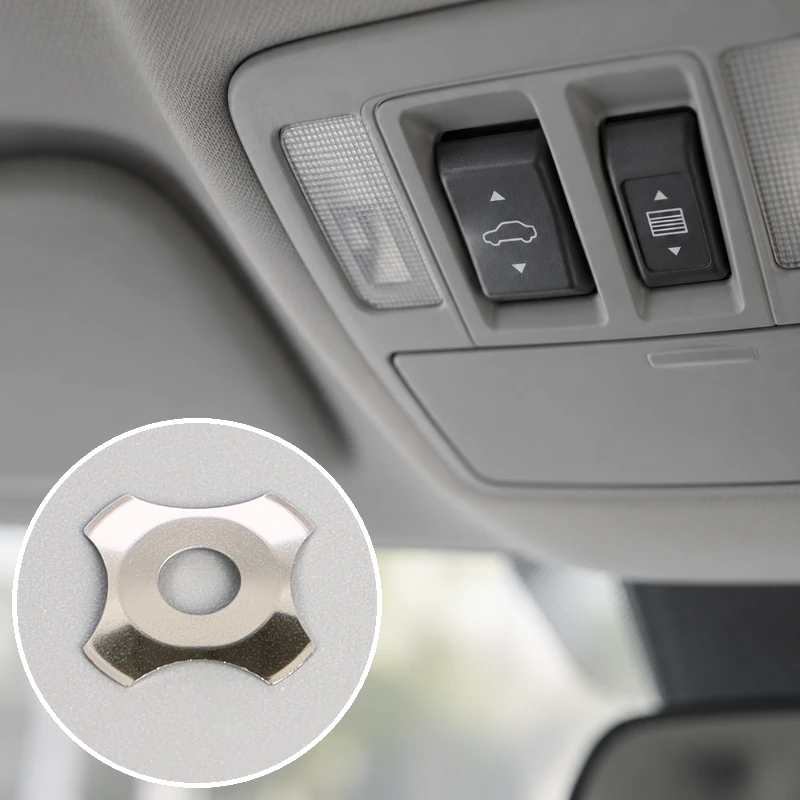
Standing in the lobby of a bustling commercial high-rise, watching people aggressively stab at the elevator buttons, it really makes one wonder about the hardware. Kids push them just for fun, delivery workers accidentally smash them with heavy boxes, and frustrated commuters mash them repeatedly (as if that somehow makes the elevator arrive any faster). It is a tremendously high-stress environment for a tiny piece of electronics. Yet, these panels rarely fail. The secret to this incredible, almost stubborn longevity lies just millimeters beneath the stainless steel surface. It is a highly engineered component called a Kuppelanordnung, and it quietly handles an astonishing amount of physical abuse day in and day out without complaining.
The Hidden Engine: Why a Dome Array Survives Constant Abuse
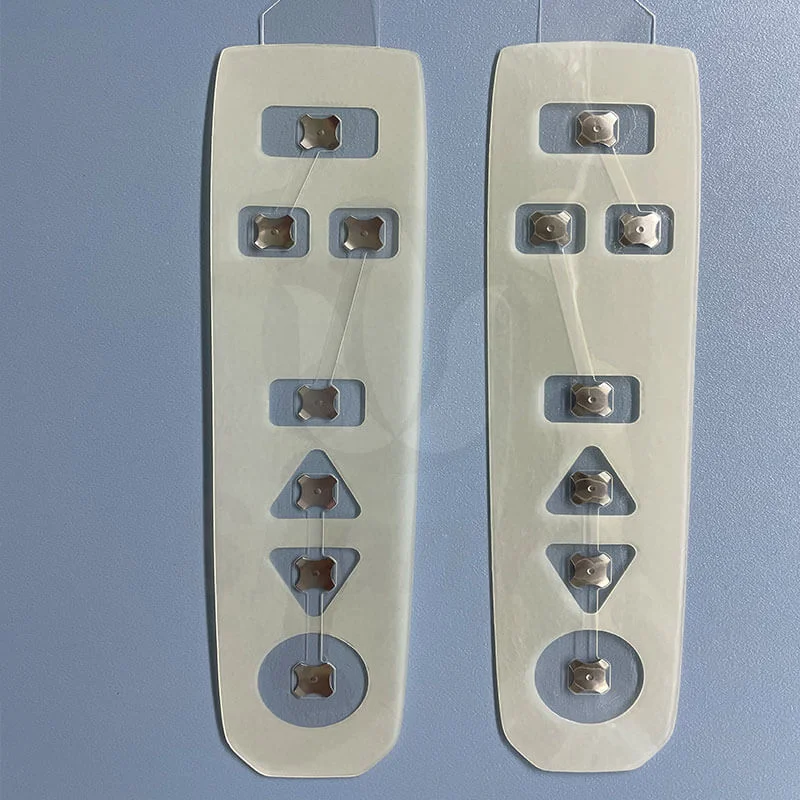
When taking apart an industrial elevator panel, the simplicity of the internal layout is actually kind of surprising. Instead of a messy tangle of individual mechanical switches wired together, there is usually just a single, unified sheet. A dome array is essentially a structural layer of PET film that holds multiple stainless steel snap domes in precise alignment. Because the metal domes are sealed within this carrier layer, they are inherently protected from the dust, spilled coffee, and general grime that inevitably finds its way into elevator shafts.
To really understand why this setup is so crucial for high-traffic buildings, one just has to look at the daily hazards these panels face.
Constant repetitive force: Hundreds of people hit the exact same spot every single day, year after year.
Varying pressure angles: People don’t always press dead-center; sometimes it is a glancing blow with a knuckle, an elbow, or an umbrella tip.
Environmental shifts: Building lobbies can swing rapidly from freezing drafts in the winter to humid, sticky heat in the summer.
Examining Dome Array Mechanics Under the Panel
There is a very clear reason building engineers heavily favor a dome array over older, traditional push-button mechanisms. Older switches had actual coil springs and moving plastic collars that would inevitably grind down, stick, or snap after a few years of heavy use. A metal dome array, on the other hand, relies purely on the natural, physical flexing of specialized stainless steel. It simply bends inward to make an electrical connection and then immediately snaps back into place. There are no tiny plastic gears to strip or jam.
Comparing the two approaches side-by-side reveals exactly why the modern method is the absolute standard for commercial architecture nowadays.
| Merkmal | Traditional Spring Switch | Stainless Steel Dome Array |
|---|---|---|
| Lebenserwartung | Usually around 500,000 presses | Easily exceeds 1 to 5 million presses |
| Taktile Rückmeldung | Can become mushy over time | Consistently crisp and sharp |
| Erforderlicher Platz | Deep cavity needed behind panel | Ultra-thin, sits almost completely flush |
| Maintenance | High (parts frequently loosen or break) | Very low (acts as a fully sealed unit) |
The Satisfaction of the Click
Beyond mere survival, there is also the psychological aspect of pushing a button. People intuitively expect a firm, reassuring physical “click” to confirm that the elevator actually registered their command. If the button feels squishy or dead (which is super frustrating), users will just keep hitting it harder out of annoyance. The specific curvature of the metal inside a dome array is deliberately engineered to deliver that exact tactile snap, which subtly trains users to press it just once and then wait patiently.
The Installation Sequence for an Elevator Dome Array
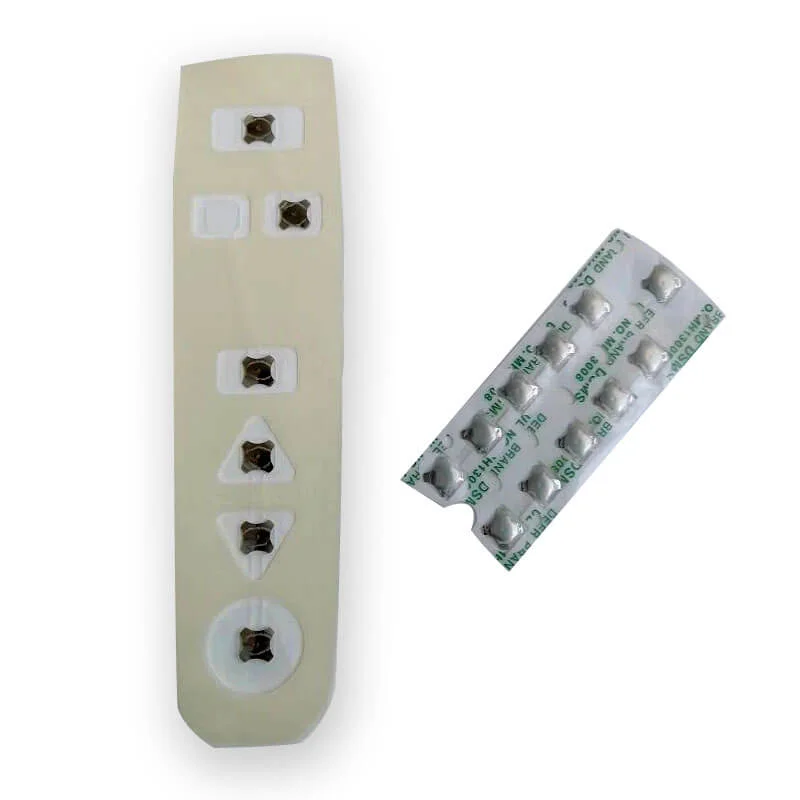
Putting together one of these heavy-duty control panels is a rather meticulous process at the factory level. One cannot just throw the parts together and hope they survive a decade of public use. The integration of the dome array requires a very specific sequence to ensure that legendary durability actually holds up in the real world.
Board Preparation: The main printed circuit board is wiped completely clean of any microscopic dust or residual manufacturing oils.
Precision Alignment: The dome array is carefully lowered onto the board. Registration pins are often used here, mostly because if the metal contacts are off by even a fraction of a millimeter, the floor button will not fire properly.
Sealing: A heavy-duty industrial adhesive backing is activated, firmly locking the array directly to the circuit board so it won’t shift when struck by heavy impacts.
Cap Placement: The outer metal elevator buttons (the parts people actually see and touch) are placed over the sealed domes, acting as physical limiters so the domes themselves cannot be over-compressed and flattened by aggressive users.
Wenn Sie mehr über Metallkuppeln wissen möchten, lesen Sie bitte über Was ist ein Metallkuppel-Array?.
FAQ
How does a dome array handle extreme temperature changes?
Very well, for the most part. Because a high-quality dome array utilizes temperature-resistant PET films alongside stainless steel, it doesn’t warp or become dangerously brittle during freezing winter nights or summer heatwaves. The structural integrity of the click remains impressively stable regardless of the local lobby climate.
Can a single broken button in a dome array be fixed?
Generally speaking, no. Since the dome array is typically manufactured as one large, continuous adhesive sheet covering all the floor numbers on the panel, it is nearly impossible to pry out just one single metal dome. If a specific floor button finally wears out after ten years, a maintenance technician usually has to swap out the entire array sheet behind the panel.
Does hitting the button harder make the dome array wear out faster?
Well, yes and no. While excessive, violent force is never great for electronics, elevator panels are designed with hard outer caps that stop moving once they hit the solid metal faceplate. This clever mechanical design absorbs the excess shock, meaning the underlying dome array only ever experiences the exact safe amount of pressure needed to trigger the connection, no matter how hard someone punches the outer button.