
Every product with buttons faces the same fundamental question — what switching technology goes underneath? Mechanical switches, rubber keypads, capacitive touch, membrane panels, or dome arrays. Each has its place, sure. But there’s a reason dome arrays keep showing up inside everything from car dashboards to coffee machines to billion-dollar medical devices.
It’s not glamorous technology. Nobody markets a product by bragging about the купольный массив inside. Yet engineers keep specifying them, procurement teams keep ordering them, and end users keep pressing buttons that feel exactly right without ever knowing why. That kind of quiet, persistent dominance usually means something works really well at a price that makes sense.
What Makes a Dome Array Worth Considering
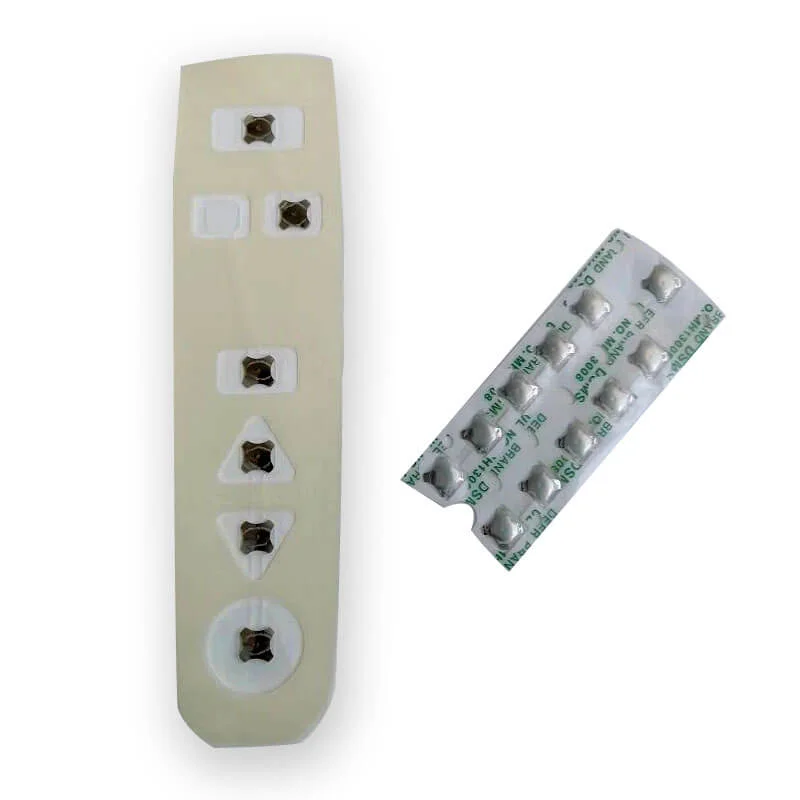
A dome array is essentially a sheet — usually polyester film with adhesive — holding multiple metal domes in precise positions. Each dome acts as an individual tactile switch. Press down, feel the click, circuit closes. Let go, dome springs back, circuit opens. Simple as that.
But simplicity is actually the point. Fewer parts. Less to go wrong. Easier to assemble.
The Tactile Advantage
People underestimate how much tactile feedback matters. Without it, users second-guess whether their button press registered. They press harder. Press again. Get frustrated. Touchscreen-only interfaces taught everyone this lesson the hard way.
A dome array delivers clear, consistent snap feedback that tells fingers the input worked. No ambiguity. The sensation comes from metal dome inversion — a physical snap-through event that produces both tactile and audible confirmation.
Compare this to rubber-only keypads where the mushy, vague feel leaves users uncertain. Or membrane switches that offer almost no travel. Dome arrays sit in that sweet spot of satisfying responsiveness.
Practical Benefits of Dome Array Integration
Cost Efficiency at Scale
Dome arrays are genuinely inexpensive in volume production. The materials — thin stainless steel domes on adhesive carrier film — don’t involve exotic components or complex manufacturing processes.
Cost advantages break down like this:
- Low per-unit material cost
- Simple automated placement during assembly
- No soldering required (adhesive mounting)
- Minimal tooling compared to custom mechanical switches
- Scalable from hundreds to millions of units
For consumer electronics where every fraction of a cent matters, this cost structure is hard to beat. Even in lower-volume industrial applications, the economics remain favorable compared to alternatives offering similar tactile quality.
Thin Profile Design
Modern products keep getting thinner. Dome arrays accommodate this trend naturally. Total stack-up height — including adhesive carrier, domes, and overlay — can be under 1mm. Sometimes well under.
This matters enormously for:
- Handheld remote controls
- Wearable devices
- Slim appliance control panels
- Automotive interior surfaces
- Portable medical equipment
Mechanical switches simply can’t compete on thickness. Even low-profile mechanical options add several millimeters that designers of sleek products don’t want to sacrifice.
Reliability That Outlasts Products
A well-made dome array typically rates for 1 million to 5 million actuations per dome. Most consumer products never approach those numbers. A TV remote pressed 20 times daily hits roughly 7,300 presses per year — meaning the dome array could theoretically last over 130 years at the lower rating.
Obviously the product won’t last that long. But the point is clear. The switching mechanism almost certainly won’t be the failure point.
Dome Array Performance Compared to Alternatives
| Feature | Dome Array | Rubber Keypad | Мембранный переключатель | Mechanical Switch |
| Tactile feedback | Crisp snap | Soft, vague | Minimal | Sharp click |
| Thickness | Very thin | Moderate | Very thin | Thick |
| Cost (volume) | Low | Low | Low-Medium | High |
| Cycle life | 1-5 million | 500K-1 million | 1-2 million | 5-50 million |
| Assembly complexity | Low | Low | Medium | High |
| Audible click | Yes | Minimal | No | Yes |
| Customization | Good | Excellent | Good | Limited |
Mechanical switches win on pure cycle life — but at significantly higher cost and thickness. Rubber keypads match on price but sacrifice tactile clarity. Membrane switches compete on thinness but lack the satisfying click. Dome arrays hit a balance point that satisfies most requirements adequately without major compromise in any single area.
That “good enough at everything, excellent at several things” profile explains the widespread adoption.
Applications Where Dome Arrays Shine
Бытовая электроника
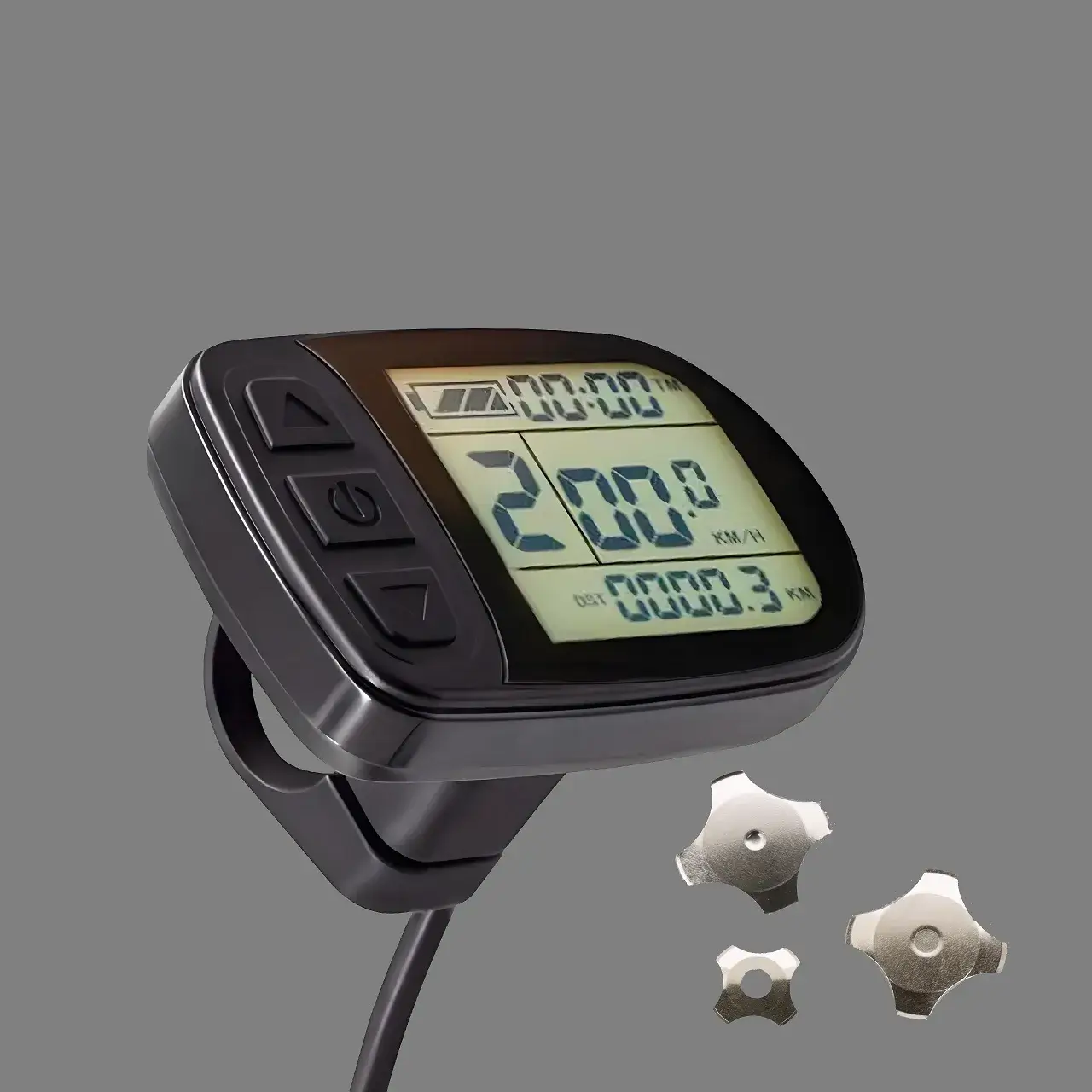
Remote controls, gaming peripherals, computer keyboards (especially laptop types), smart home panels. Anywhere cost sensitivity meets the need for decent tactile response, dome arrays tend to win the specification battle.
Automotive Controls
Steering wheel buttons, climate controls, infotainment interfaces, seat adjustment switches. Automotive environments demand reliability across extreme temperatures, and dome arrays deliver. The automotive industry’s trust in this technology says something — these companies test relentlessly before approving components.
Medical and Industrial Devices
Devices requiring tactile confirmation of input — especially where operators wear gloves or can’t look at the interface — benefit from dome array feedback. Equipment panels in factories, diagnostic instruments in hospitals, communication devices for first responders. Applications where a missed button press isn’t just annoying but potentially consequential.
Design Flexibility With Dome Arrays
Dome arrays aren’t one-size-fits-all. Customization options include:
- Dome diameter ranging from 4mm to 20mm
- Variable actuation forces (typically 150g to 350g)
- Mixed dome sizes on a single array for different button functions
- Custom dome positioning matching specific PCB layouts
- Various adhesive options for different temperature and environmental needs
- Gold-plated contacts for sensitive low-current circuits
This flexibility lets designers tailor the tactile experience to their product rather than accepting whatever a standard switch provides. Want navigation keys lighter than the power button? Different dome sizes on the same array handle that easily. If you want to know more about dome array, please read What Is a Dome Array.
ЧАСТО ЗАДАВАЕМЫЕ ВОПРОСЫ
Are dome arrays suitable for waterproof product designs?
Dome arrays themselves aren’t inherently waterproof, but they integrate well into sealed assemblies. When combined with properly sealed membrane overlays or silicone gaskets, the complete switch assembly can achieve IP67 or even IP68 ratings. The dome array sits protected behind the sealing layer. Many outdoor remote controls, marine electronics, and industrial washdown panels use dome arrays behind environmental seals without reliability issues. The key is designing the overall assembly for water resistance rather than expecting the dome array alone to provide it.
How do dome arrays handle extreme temperatures?
Standard stainless steel dome arrays perform reliably across roughly -40°C to +85°C, which covers most applications including automotive interiors. Tactile feel shifts slightly at temperature extremes — force may increase slightly in deep cold — but functionality remains intact. The adhesive carrier sometimes limits temperature range more than the metal domes themselves. High-temperature adhesive options extend capability for under-hood automotive or industrial environments. For cryogenic or furnace-adjacent applications, though, specialized solutions beyond standard dome arrays become necessary.
Can dome arrays be used with touchscreen overlay panels?
Yes, and this combination appears more frequently than expected. Some designs place dome arrays beneath specific zones of a touchscreen to provide tactile feedback for critical buttons while maintaining a smooth glass-like surface. Automotive interfaces especially favor this hybrid approach — touchscreen flexibility for navigation and media, physical dome array feedback for climate controls or volume adjustment that drivers need to operate without looking. It works surprisingly well when the overlay is thin enough to transmit the dome snap through to the user’s fingertip.