Любой, кто когда-либо запрашивал предложения у нескольких поставщиков на одну и ту же деталь, замечал одну досаду — цены редко совпадают. Иногда разница бывает просто колоссальной. Один поставщик предлагает 0,04 за штуку, одинothи at 0,12, а третий — где-то посередине. Один и тот же чертеж. Одно и то же количество. Совершенно разные цифры.
Металлический купол В сфере закупок с этой проблемой сталкиваются постоянно. Заказчики часто задаются вопросом: скрывается ли за более низким предложением какая-то ловушка, или же более высокая цена просто включает завышенную наценку. Правда, как обычно, лежит где-то посередине — и понимание того, что на самом деле определяет цену, делает весь процесс поиска поставщиков гораздо менее загадочным.
Факторы, определяющие реальную стоимость металлических куполов
Цены на компоненты тактильных купольных клавиш не устанавливаются произвольно, даже если иногда это и кажется так. При составлении любого коммерческого предложения основную роль играют пять ключевых факторов. Понимание того, что это за факторы и как они взаимодействуют, позволяет превратить запутанную таблицу в документ, на основе которого можно вести реальные переговоры.
1. Выбор сырья
На исходный материал приходится удивительно большая доля в конечной стоимости. Большинство компонентов металлических куполов штампуются из нержавеющей стали, но ее марка имеет немалое значение. SUS301 — это «рабочая лошадка» отрасли: доступная, надежная и широко распространенная. SUS304 стоит немного дороже. Материалы более высокого класса, такие как никелированные или позолоченные варианты, могут увеличить базовую цену на 30–60 процентов в зависимости от толщины покрытия.
Несколько факторов, влияющих на стоимость материалов:
Толщина стали (обычно от 0,05 мм до 0,15 мм)
Поверхность (необработанная, никелированная или позолоченная)
Страна-производитель стального рулона (японские и корейские рулоны, как правило, стоят дороже отечественных)
Минимальный объем заказа на самом металлургическом заводе
2. Геометрия купола и характеристики нагрузки
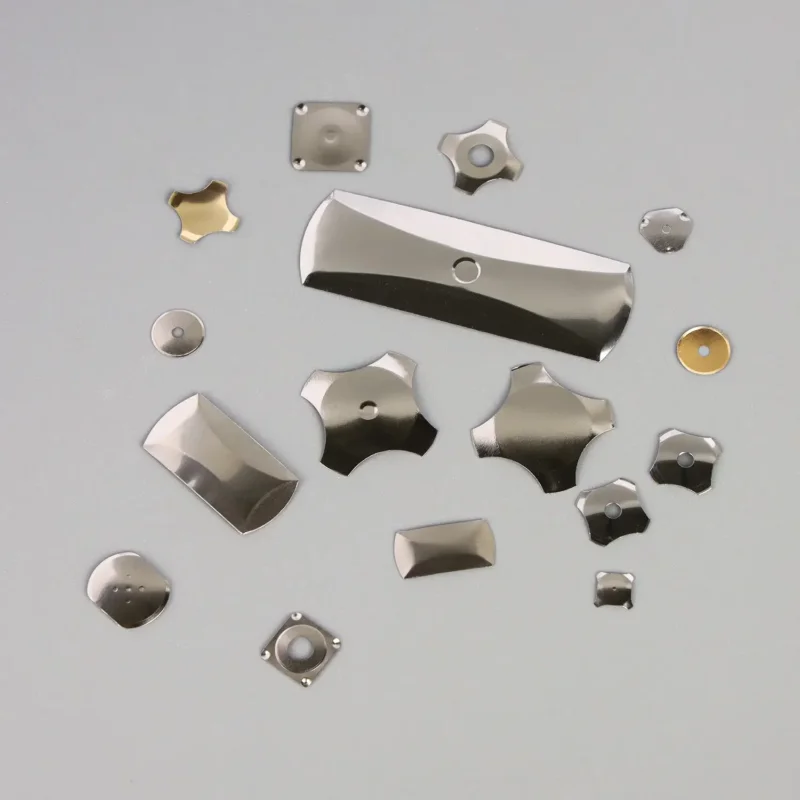
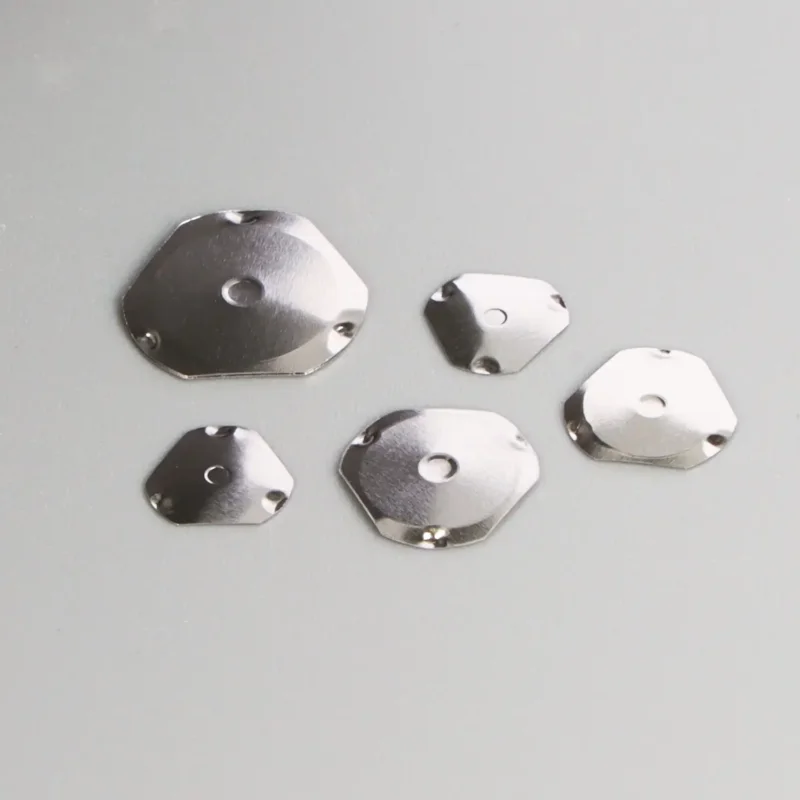
Не все купола одинаковы. Простая круглая конструкция с четырьмя опорами быстро изготавливается и легко штампуется. А вот нестандартная продолговатая форма с определёнными допусками по усилию привода? Это уже совсем другой разговор.
Более жесткие допуски по усилию (например, ±20 гс вместо стандартных ±50 гс) могут значительно повысить стоимость, поскольку это требует более тщательного подбора материалов, более строгого контроля процесса штамповки и дополнительных этапов проверки. То же самое касается необычных диаметров или нестандартных ходов.
3. Затраты на инструменты и наладку
Именно здесь многие начинающие покупатели попадают в затруднительное положение. Изготовление металлических куполов по индивидуальному проекту требует специальных штамповочных инструментов, а их стоимость нужно как-то покрывать. Некоторые поставщики включают стоимость инструментов в цену единицы продукции (из-за чего себестоимость одной детали кажется выше). Другие взимают эту сумму отдельно в виде единовременной платы за разработку инструментов (NRE).
Ни один из этих подходов не является неправильным — но при сравнении цен на треугольный металлический купол Если не знать, какую модель использует каждый поставщик, это приводит к путанице. Всегда уточняйте: входит ли стоимость инструментов в стоимость, амортизируется ли она или оплачивается отдельно?
4. Объем заказа и формирование партий продукции
Объем заказа меняет всё. Тираж в 5 000 штук и тираж в 500 000 штук — это практически разные продукты с точки зрения производства. Время наналадки, отходы материала при запуске линии и затраты на контроль качества распределяются на весь объём заказа.
В приведенной ниже таблице показано, как цена за единицу обычно зависит от объема при производстве стандартного металлического купола из нержавеющей стали:
| Количество в заказе |
Приблизительная цена за единицу (долл. США)
|
Примечания
|
|---|---|---|
|
1 000 – 5 000 шт.
|
0,08–0,08–
0.15
|
Пробные или пилотные запуски
|
|
5 000 – 50 000 шт.
|
0,05–0,05–
0.09
|
Мало- и среднемасштабное производство
|
|
50 000 – 500 000 шт.
|
0,03–0,03–
0.06
|
Стандартные объемы производства
|
|
более 500 000 шт.
|
0,02–0,02–
0.04
|
Крупносерийное производство
|
5. Упаковка, логистика и накладные расходы поставщиков
Последний фактор зачастую не отражается в самом предложении. Упаковка в катушки обходится дороже, чем в мешках. Вакуумная влагостойкая упаковка добавляет еще один уровень затрат. Авиаперевозка по сравнению с морской значительно меняет стоимость с доставкой. Кроме того, у поставщиков из разных регионов разные структуры накладных расходов, что отражается на итоговой сумме, независимо от того, видят ли покупатели эту разбивку или нет.
Скрытые переменные, которые не отражаются в расценках
Помимо пяти основных факторов, существует ряд менее значимых факторов, которые могут влиять на ценообразование не всегда очевидным образом:
Требования к контролю качества (показатель AQL 1,0 по сравнению с AQL 2,5 влияет на уровень брака и затраты на бракованную продукцию)
Требования к документации (RoHS, REACH, сертификаты на материалы — все это увеличивает трудозатраты)
Сроки поставки (за срочные заказы обычно взимается надбавка в размере от 15 до 25 процентов)
Условия оплаты (оплата в течение 60 дней с даты выставления счета по сравнению с предоплатой) влияют на затраты поставщика на оборотный капитал
Длительность сотрудничества (постоянные клиенты часто получают более выгодные цены, чем новички)
Ни один из этих факторов сам по себе не станет решающим при формировании цены. Однако в совокупности они могут легко привести к разнице в 20–30 процентов между двумя в остальном сопоставимыми предложениями.
ЧАСТО ЗАДАВАЕМЫЕ ВОПРОСЫ
Почему два поставщика предлагают один и тот же металлический купол по столь разным ценам?
Разница обычно заключается в источниках поставок материалов, методах амортизации инструментов и стандартах контроля качества. На бумаге детали могут выглядеть одинаково, но подходы к их производству различаются.
Стоит ли переплачивать за позолоченные купольные контакты?
В условиях интенсивной эксплуатации или при работе с низким током золотое покрытие значительно повышает электрическую надежность. Для потребительских товаров с более коротким сроком службы обычно достаточно стандартной нержавеющей стали.
Можно ли договориться о стоимости оснастки или отказаться от нее?
Иногда. Поставщики время от времени отказываются от взимания платы за изготовление инструментов при заключении долгосрочных договоров на поставку определённых объемов, хотя, как правило, эти затраты компенсируются за счёт несколько более высокой цены за единицу продукции.