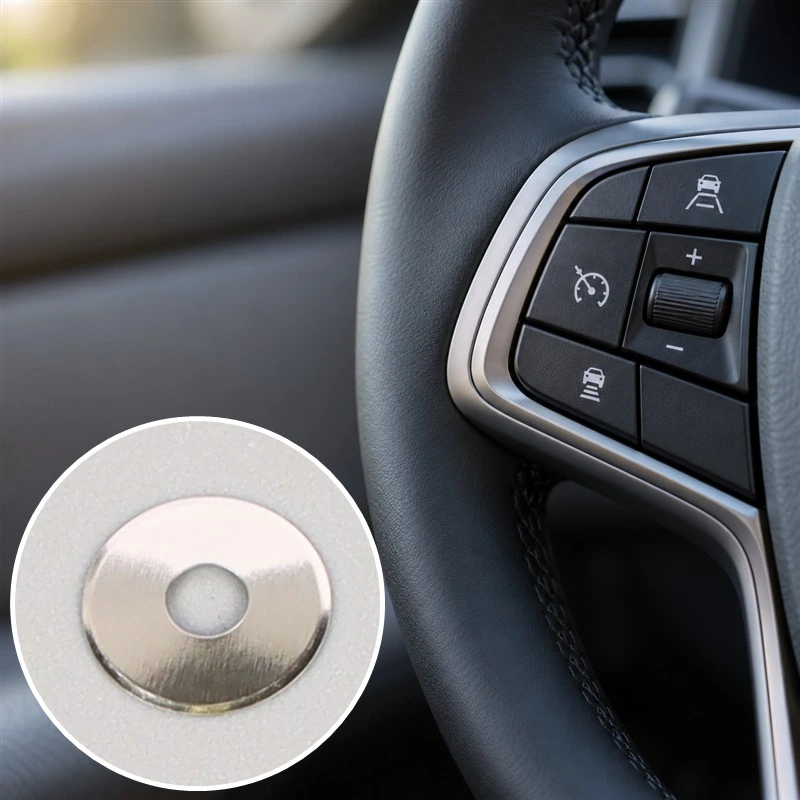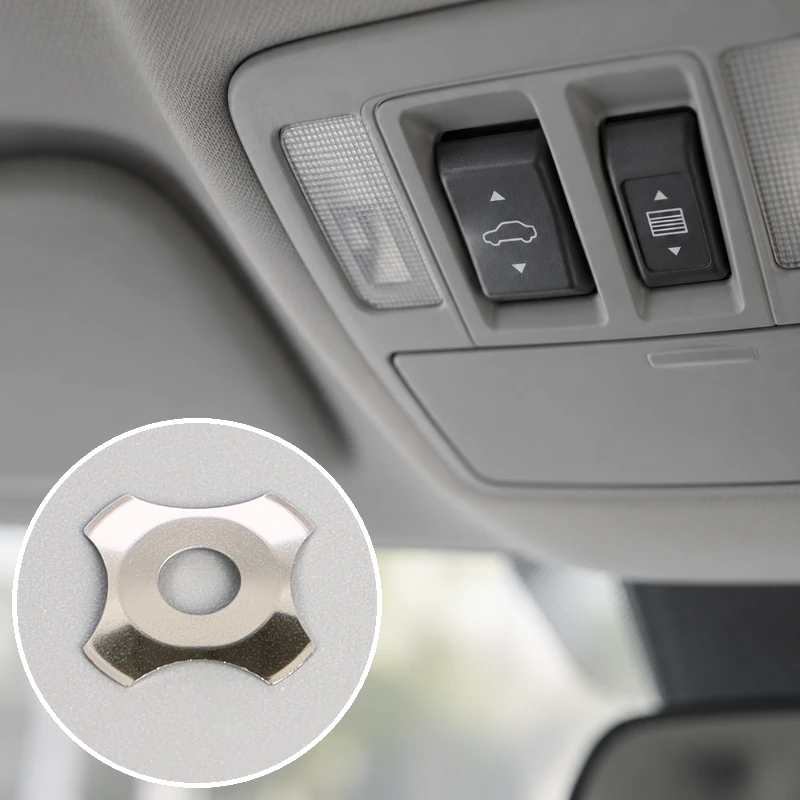
So you’ve got a лист купола ready to install—or maybe repair—and then comes the question nobody likes: what glue actually works? Walk into any hardware store, and the shelf has maybe twenty options. Some say “plastic.” Some say “universal.” Some don’t say much at all.
From what’s been seen over the years, picking the wrong adhesive causes more failures than the sheet itself. The glue either doesn’t bond, turns yellow in three months, or eats right through the material. Not great. But once you know what to look for, the choice gets a lot easier. This isn’t about perfection. It’s about what actually holds.

What Type of Dome Sheet Are You Gluing?
First thing first. Not every лист купола is the same material. Some are polycarbonate. Some are acrylic. Some are PVC-based. And here’s the thing: an adhesive that works beautifully on acrylic might melt polycarbonate on contact. Seen it happen more than once.
Polycarbonate Dome Sheet
Polycarbonate is tough but sensitive to solvents. Avoid anything with acetone, toluene, or xylene. Those will craze the surface in seconds—tiny little cracks that spread over time. Look for adhesives labeled “polycarbonate-safe” or “solvent-free.”
Acrylic Dome Sheet
Acrylic is a bit more forgiving with solvents but cracks under stress. A medium-viscosity solvent cement designed for acrylic works best. Just don’t overapply. Thin coat, firm pressure, walk away.
PVC Dome Sheet
PVC bonds well with standard PVC cements (the same stuff used for plumbing pipes). But those cements are thick and messy. For clean work, a two-part epoxy formulated for PVC is actually better.
| Dome Sheet Material | Adhesive Type to Use | What to Avoid |
|---|---|---|
| Polycarbonate | Silicone or solvent-free urethane | Acetone, toluene, xylene |
| Acrylic | Solvent cement for acrylic | Super glue (too brittle) |
| PVC | PVC cement or two-part epoxy | General-purpose construction adhesive |
Matching Adhesive to the Environment
A лист купола out in full sun lives a completely different life than one inside a garage. The outdoor sheet expands, contracts, gets rained on, maybe hailed on. The indoor sheet just… sits there. Different adhesives handle these things differently.
Outdoor Use
For outdoor, silicone is the safe bet. Not the most exciting choice, but it stays flexible, blocks water, and doesn’t care about UV. The downside? It picks up dirt over time. Another option is a UV-stable urethane sealant—stronger than silicone but harder to remove if something goes wrong.
Indoor or Low-Temperature Use
Indoors or in cold storage? A two-part epoxy gives the strongest bond. But it’s rigid. If the лист купола expands and contracts a lot (like near a freezer door), that rigid bond might crack. In that specific case, go back to silicone.
Quick list for environment matching:
Full sun exposure: silicone (non-acetic cure type) or UV urethane
Humid or wet area: polyurethane sealant, not silicone (silicone can fail in standing water over time)
High heat (roofs, attics): heat-resistant epoxy, rated above 200°F
Cold storage or freezer: flexible silicone only
Cure Time and Workability – The Practical Side
This is where theory meets frustration. Some adhesives bond in ten minutes. Others need 24 hours. And nobody wants to hold a dome sheet in place for half a day using random props and tape.
Fast-Cure Options (Under 30 Minutes)
Fast-cure super glues (cyanoacrylates) work on small repairs—cracks, corner fixes, edge bonding. But they’re brittle. For anything larger than a finger’s width, skip them. A fast-cure silicone (some brands label it “instant grab”) works better for larger surfaces.
Slow-Cure Options (1 to 24 Hours)
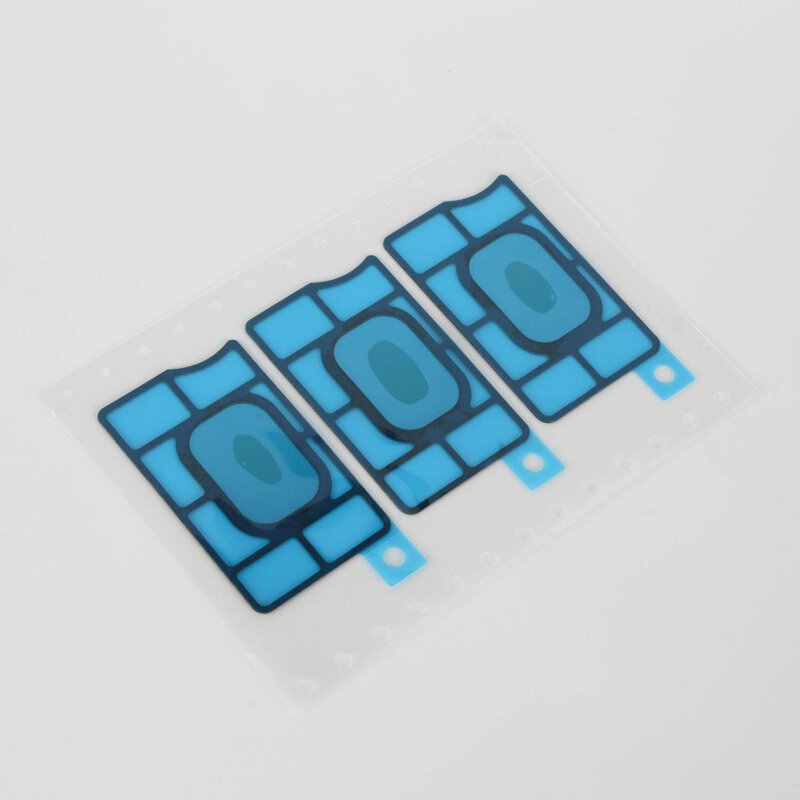
Slow-cure epoxies and polyurethanes take their time. The bond is stronger, but the dome sheet needs to stay clamped or weighted. For dome sheets & LGF assemblies — where alignment between the metal dome and the light guide film has to be exact — even a tiny shift during curing ruins the tactile feel or creates dark spots on the backlight. Seen that happen more than once on prototype runs. From experience, tape alone doesn’t hold well on vertical surfaces with slow-cure adhesives. Use mechanical clamps or a temporary prop. With dome sheets & LGF, clamping from the edges isn’t always enough. Sometimes weight needs to go right over the dome area (gently, without crushing anything).
Ordered steps for applying slow-cure adhesive:
Clean both surfaces with isopropyl alcohol
Let them dry completely (five minutes minimum)
Apply adhesive in a zigzag pattern, not just one straight line
Press the dome sheet into position
Clamp or weight evenly – no gaps allowed
Wait the full cure time – don’t rush it
ЧАСТО ЗАДАВАЕМЫЕ ВОПРОСЫ
Can regular super glue be used on a dome sheet?
Technically yes, but usually a bad idea. Super glue (cyanoacrylate) bonds fast but becomes brittle over time. If the dome sheet bends or expands even a little, the glue line cracks. For temporary fixes or very small indoor parts, it’s okay. For anything outdoors or load-bearing, no.
What’s the single most common adhesive mistake people make?
Using silicone caulk meant for bathrooms. That stuff releases acetic acid as it cures (smells like vinegar). That acid attacks polycarbonate dome sheet surfaces. Always check if the silicone is “neutral cure” or “non-acetic” before applying.
How to remove old failed adhesive from a dome sheet without damaging it?
Slowly. Use a plastic scraper (not metal), and apply heat from a hair dryer on low to soften the old glue. For silicone residue, a little mineral spirits on a rag works—but test on a scrap piece first. Never use a razor blade at an angle; it leaves scratches that turn into crack starters.