
The Hidden Role of Metal Dome Switches in Fitness Equipment
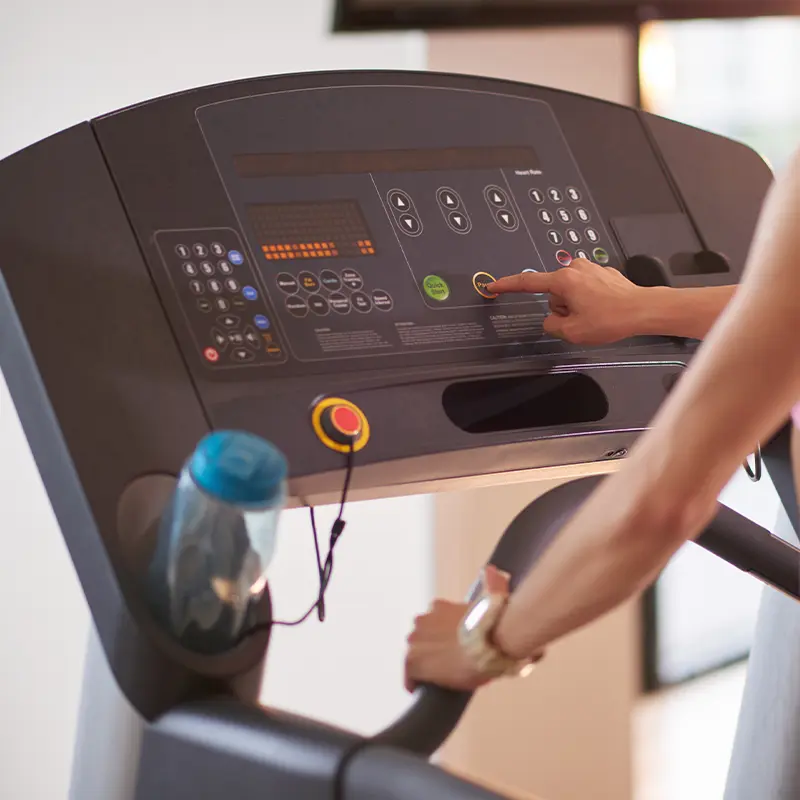
Walk into any gym and start pressing buttons on treadmills, ellipticals, or stationary bikes. Each press feels responsive, clicks satisfyingly, and registers without hesitation. Behind that seamless experience sits a component most users never think about—the humble switch mechanism buried beneath control panels.
Metal dome switches have become the preferred choice for fitness equipment manufacturers, and for good reason. These tiny stainless steel components endure conditions that would quickly destroy lesser alternatives. Sweat dripping onto surfaces, thousands of daily presses, cleaning chemicals, vibration from running feet—gym environments test electronics in ways that home devices rarely experience.
Understanding why these switches work so well reveals something about thoughtful engineering that prioritizes real-world performance over specifications sheets.
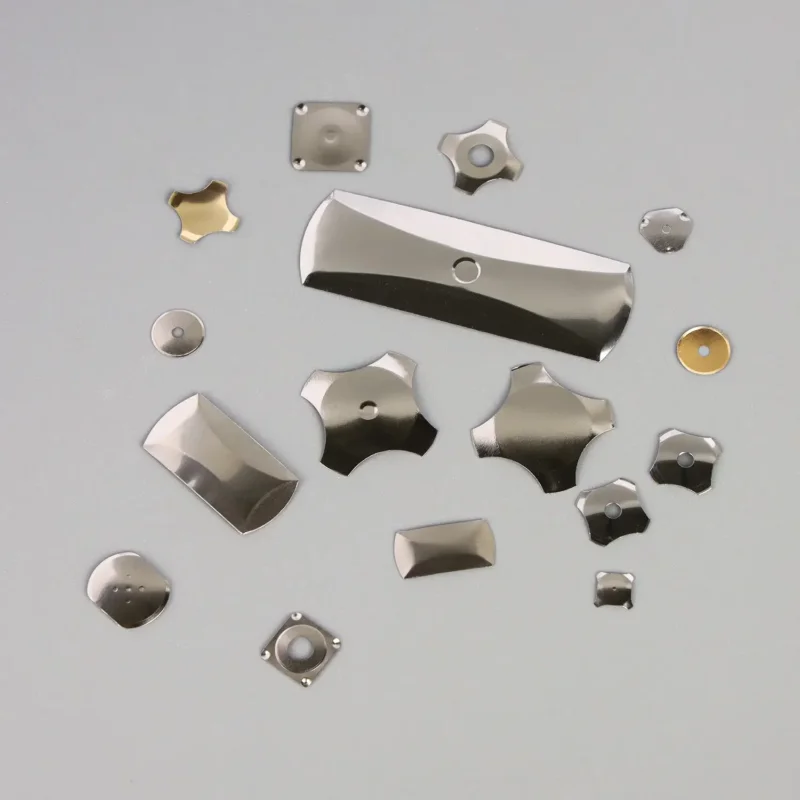
Basic Mechanics Behind Metal Dome Switches
The operating principle seems almost too simple to be effective. A thin stainless steel disc, precisely formed into a dome shape, sits above an electrical contact on a circuit board. Press down, the dome collapses and touches the contact, completing a circuit. Release pressure, and the dome springs back instantly.
Core Components in Typical Assemblies
Stainless steel dome element providing the switching action
Graphic overlay forming the visible button surface
Adhesive spacer layer controlling travel distance
Circuit board with printed contact pads
Optional polyester carrier holding multiple domes in arrays
That characteristic click when pressing? It comes from the dome’s sudden collapse at a specific force threshold. The snap is both mechanical feedback and the moment of electrical contact—form meeting function elegantly.
What makes this design particularly suited for fitness applications becomes clear when examining environmental challenges these switches face daily.
Why Metal Dome Switches Survive Harsh Gym Conditions
Commercial fitness facilities rank among the toughest environments for electronic components. The combination of stressors exceeds what most consumer electronics ever encounter.
Environmental Challenges in Fitness Settings
Salt-laden perspiration contacting surfaces repeatedly
Humidity levels spiking during peak usage hours
Harsh cleaning agents applied between users
Constant vibration from footfalls and mechanical operation
Temperature variations from air conditioning cycles
Oils and lotions transferred from user hands
Metal dome switches resist these challenges through inherent material properties. Stainless steel doesn’t corrode easily when exposed to sweat—a problem that plagues cheaper alternatives. The sealed construction of properly designed assemblies keeps moisture away from electrical contacts where it causes failures.
Anyone who’s struggled with a touchscreen while exercising understands why physical switches remain dominant in this market. Capacitive sensors get confused by sweat and moisture. Metal domes just work.
Durability Metrics for Metal Dome Switches in Fitness Applications
| Switch Technology |
Typical Lifespan |
Moisture Resistance |
Tactile Feedback |
Cost Level |
|---|---|---|---|---|
Metal dome |
1-5 million cycles |
Good |
Excellent |
Moderate |
Rubber membrane |
500K-1 million |
Moderate |
Soft/mushy |
Low |
Mechanical |
10-50 million |
Variable |
Excellent |
Higher |
Capacitive touch |
Unlimited |
Poor |
None |
Higher |
Real-World Lifespan Expectations
A commercial treadmill might see 50 button presses per user session, with 30 sessions daily. That’s 1,500 presses daily, roughly 45,000 monthly, over 500,000 annually. For metal dome switches in fitness equipment, ratings of 3 million cycles would theoretically last six years under this punishing schedule—and most gyms expect equipment to last a decade.
Manufacturers build in generous safety margins because warranty claims destroy profit margins faster than almost anything else.
Design Flexibility for Equipment Manufacturers
Dome diameters ranging from 4mm to 20mm
Actuation forces from 100 grams to 500+ grams
Various dome heights affecting travel distance
Array configurations for complex button layouts
Integration with backlighting and graphic overlays
Custom shapes including oblong and pill designs
This flexibility allows intentional design decisions. Start buttons might require firmer pressure than navigation controls—reducing accidental activation during vigorous exercise. Speed adjustment buttons could have lighter touch for rapid repeated presses.
Compact profiles mean metal dome switches fit modern slim equipment aesthetics without adding bulk to control panels. Everything stays sleek and cleanable.
Economic Advantages in Manufacturing
Beyond technical merits, metal dome switches make financial sense for equipment producers. The economics work at multiple levels.
Individual switches cost pennies in production volumes. Assembly processes integrate smoothly with standard circuit board manufacturing. The reliability reduces warranty reserves and service infrastructure requirements.
Perhaps most importantly, dependable equipment generates positive reviews and repeat purchases. Fitness brands live and die by reputation, and nothing erodes trust faster than control panels that stop working properly.
ЧАСТО ЗАДАВАЕМЫЕ ВОПРОСЫ
How many button presses can metal dome switches handle before failing?
Quality metal dome switches typically survive between 1 million and 5 million actuations depending on specifications and manufacturing quality. For most fitness equipment usage patterns, this translates to 10-15 years of reliable service—often outlasting other components that fail first.
Do metal dome switches work when wet from sweat?
Yes, properly designed metal dome assemblies function reliably even when surfaces become wet. The mechanical switching action doesn’t depend on electrical conductivity of the surface like capacitive touchscreens do. Sealed constructions prevent moisture from reaching internal contacts where it could cause problems.
Can worn metal dome switches be replaced in fitness equipment?
Replacement is technically possible but practicality depends on equipment design. Some manufacturers make control panels serviceable with accessible components, while others seal units requiring complete panel replacement. Commercial-grade equipment generally offers better repairability than consumer models.