Why Metal Dome Technology Fits Medical Keyboard Requirements
Healthcare facilities face a constant battle against hospital-acquired infections. Every surface that gets touched repeatedly—door handles, bed rails, computer keyboards—becomes a potential vector for pathogen transmission. Medical keyboards sit right in the middle of this challenge. Nurses, doctors, and technicians use them dozens of times per shift, often moving between patient rooms or treatment areas.
The keyboards need to survive aggressive cleaning protocols. We’re talking about bleach-based solutions, quaternary ammonium compounds, hydrogen peroxide wipes, and alcohol concentrations that would destroy most consumer electronics within weeks. Traditional mechanical keyboards with exposed switch mechanisms simply can’t handle this kind of chemical exposure over time.
The Infection Control Imperative
Studies have shown that hospital keyboards can harbor bacteria, viruses, and fungi even after standard cleaning. The problem often lies in the keyboard’s construction—gaps between keys, exposed circuitry, porous materials. Pathogens find their way into these spaces and survive.
Металлический купол switches offer a fundamentally different approach. When properly integrated into a sealed keyboard design, they eliminate the crevices and openings where contaminants accumulate. The entire assembly can be wiped down without worrying about liquid ingress or chemical damage to the switching mechanism.
How Metal Dome Construction Enables Disinfection Protocols
Sealed Architecture Prevents Contamination
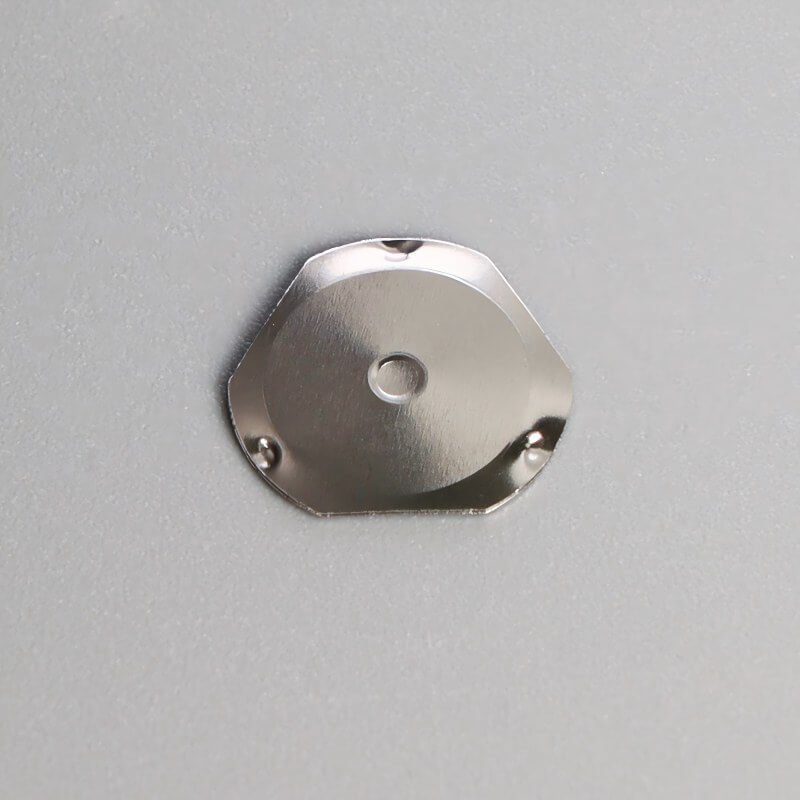
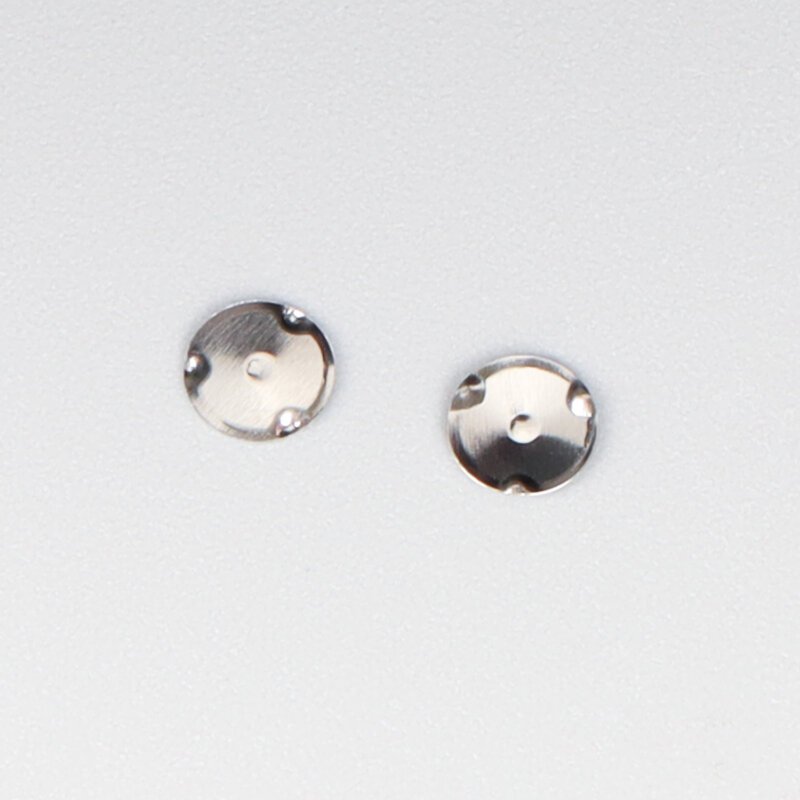
A metal dome switch consists of a thin stainless steel dome that sits on a circuit board or membrane layer. When pressed, the dome collapses and makes electrical contact. The beauty of this design for medical applications is its simplicity—there are no moving parts that require lubrication, no exposed contacts, no gaps for fluids to penetrate.
Medical keyboards using metal dome technology typically employ a multi-layer sealing approach:
Silicone or polyurethane key membranes that cover the entire switch array
Gaskets around the keyboard perimeter
Sealed enclosures that achieve IP65 or IP68 ratings
Drainage channels (in some designs) to direct liquids away from critical areas
The metal dome itself is inherently sealed. It doesn’t have openings or vents that could allow disinfectant solutions to reach the electronics below.
Chemical Resistance Across Common Disinfectants
Healthcare facilities use a rotating selection of disinfectants to prevent pathogen resistance. A keyboard might encounter bleach one day, alcohol the next, and quaternary ammonium compounds the day after. The materials in a metal dome keyboard need to withstand all of them without degradation.
Here’s how different components hold up:
| Компонент |
Материал
|
Bleach Resistance
|
Alcohol Resistance
|
Quat Resistance
|
Expected Lifespan
|
|---|---|---|---|---|---|
|
Металлический купол
|
Stainless Steel 301/304
|
Превосходно
|
Превосходно
|
Превосходно
|
5+ million cycles
|
|
Key Membrane
|
Medical-grade Silicone
|
Превосходно
|
Превосходно
|
Превосходно
|
3-5 years
|
|
Подложка
|
Polyester (PET)
|
Хорошо
|
Превосходно
|
Превосходно
|
5+ years
|
|
Клей
|
Acrylic-based
|
Good-Excellent
|
Превосходно
|
Хорошо
|
5+ years
|
|
Housing
|
ABS or Polycarbonate
|
Good (varies)
|
Превосходно
|
Хорошо
|
5+ years
|
Design Considerations for Medical-Grade Metal Dome Keyboards
Achieving Appropriate IP Ratings
Most medical keyboards target IP65 as a minimum—protection against dust ingress and low-pressure water jets from any direction. Some critical care or surgical applications require IP68, which means the keyboard can be fully submerged for cleaning or sterilization.
Getting to these ratings with a metal dome in medical environments involves careful attention to the sealing layers. The dome array itself doesn’t compromise the seal because it’s sandwiched between the membrane layer above and the circuit board below. The challenge is usually at the keyboard edges and around any necessary openings (like USB ports or indicator lights).
Tactile Feedback in Clinical Environments
There’s an interesting tension in medical keyboard design. Clinicians need clear tactile confirmation that they’ve pressed a key—especially when wearing gloves or working in high-stress situations. But the sealing membranes required for disinfection can dampen the tactile response.
Metal dome switches help resolve this because they provide a distinct snap feel that transmits through the membrane layer. The force curve can be tuned during design:
Higher actuation force (350g-500g) for applications where accidental presses must be avoided
Standard force (200g-300g) for general data entry tasks
Lower force (150g-200g) for keyboards used during extended documentation sessions
The snap ratio—that characteristic click—remains perceptible even through a 2mm silicone membrane, which isn’t always true for other switch technologies.
Real-World Performance in Healthcare Settings
Hospitals that have deployed metal dome keyboards in nursing stations, emergency departments, and ICUs report significantly longer service life compared to previous keyboard types. The keyboards withstand 10-15 cleaning cycles per day—sometimes more in isolation rooms or during outbreak situations.
The chemical exposure is genuinely harsh. A typical cleaning protocol might involve:
Saturating the keyboard surface with disinfectant solution
Allowing 1-3 minutes of contact time (per manufacturer guidelines)
Wiping down with a clean cloth
Repeating multiple times per shift
After a year of this treatment, metal dome keyboards show minimal degradation. The tactile feel remains consistent, the seals hold, and the electronics continue functioning. That’s not always the case with other keyboard technologies.
ЧАСТО ЗАДАВАЕМЫЕ ВОПРОСЫ
Can metal dome keyboards be autoclaved for sterilization?
Standard metal dome keyboards are not designed for autoclave sterilization, which involves high-pressure steam at 121-134°C. The adhesives, membranes, and electronic components can’t withstand these conditions. However, the keyboards can handle chemical disinfection and UV-C sterilization, which covers most medical facility requirements. Specialized surgical keyboards using metal dome technology with high-temperature materials do exist for applications requiring autoclave compatibility.
How often do metal dome keyboards need replacement in medical settings?
With proper cleaning protocols, medical-grade metal dome keyboards typically last 3-5 years in high-use environments like nursing stations. The metal domes themselves rarely fail—it’s usually the membrane layer or housing that shows wear first. Some facilities replace the membrane assembly every 2-3 years as preventive maintenance while keeping the base keyboard unit.
Do metal dome keyboards work with medical gloves?
Yes, and this is actually one of their advantages. The tactile snap of a metal dome switch provides clear feedback even through nitrile or latex gloves. The actuation force can be specified during design to ensure reliable operation with gloved hands. Many medical keyboards use slightly higher force ratings (300g-400g) to balance glove compatibility with prevention of accidental key presses.