Есть что-то странно приятное в клавиатуре, которая действительно отталкивает. Этот маленький щелчок, это едва уловимое сопротивление под кончиком пальца - это имеет большее значение, чем многие думают. В течение многих лет в мире клавиатур доминировали разговоры о клонах Cherry MX и различных цветах механических переключателей. Но втихую, за кулисами, многие производители экспериментируют (а иногда и отдают предпочтение) металлические купольные переключатели за их тактильный дизайн. Поначалу это звучит немного нелогично. Разве металлические купола - это не дешевые штучки внутри старых пультов от телевизора? Ну, не совсем так. Технология прошла долгий путь, и чтобы понять, почему тактильные переключатели с металлическими куполами появляются в механических клавиатурах премиум-класса, нужно внимательнее присмотреться к инженерным решениям, скрытым под колпачками.
Что такое металлические купольные выключатели?
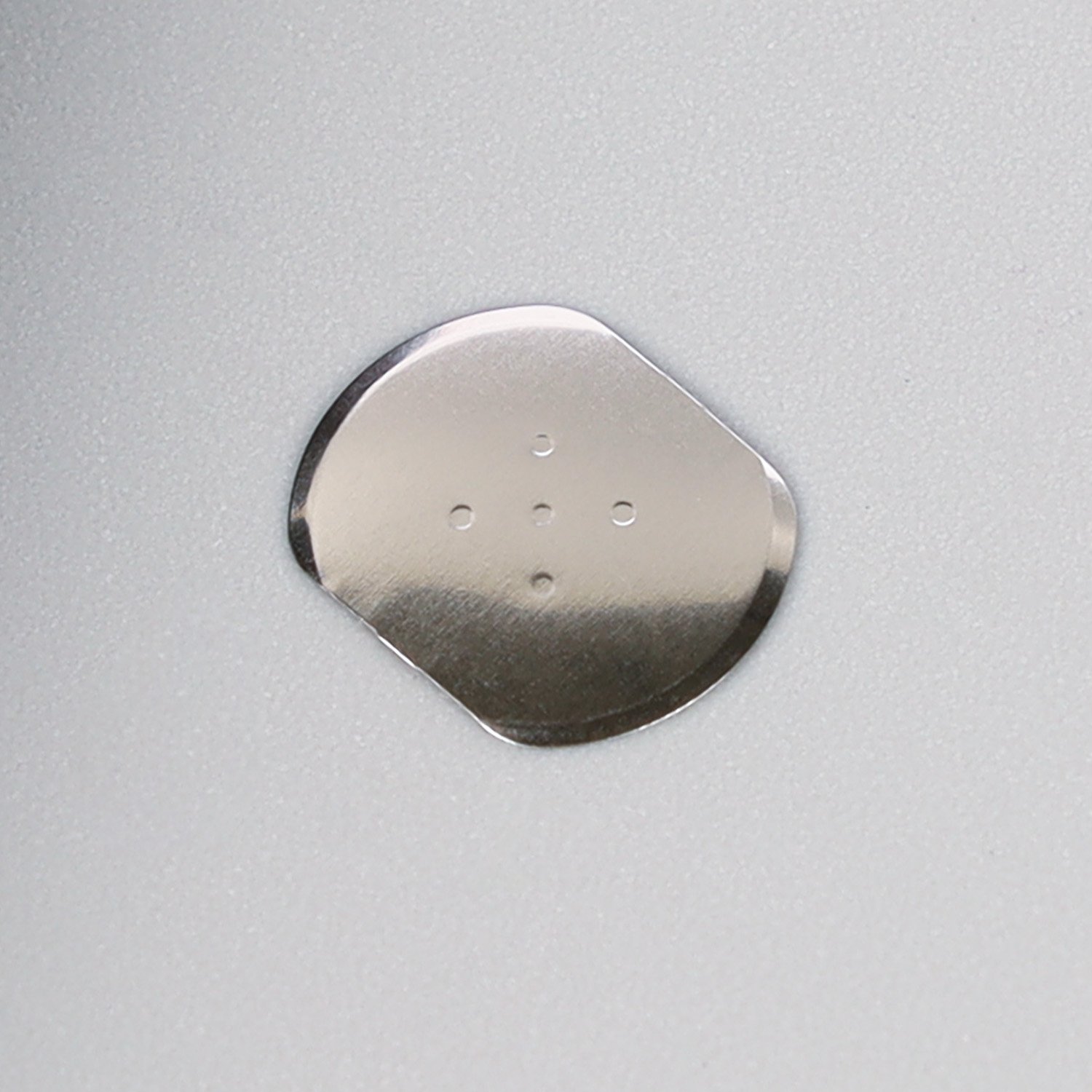
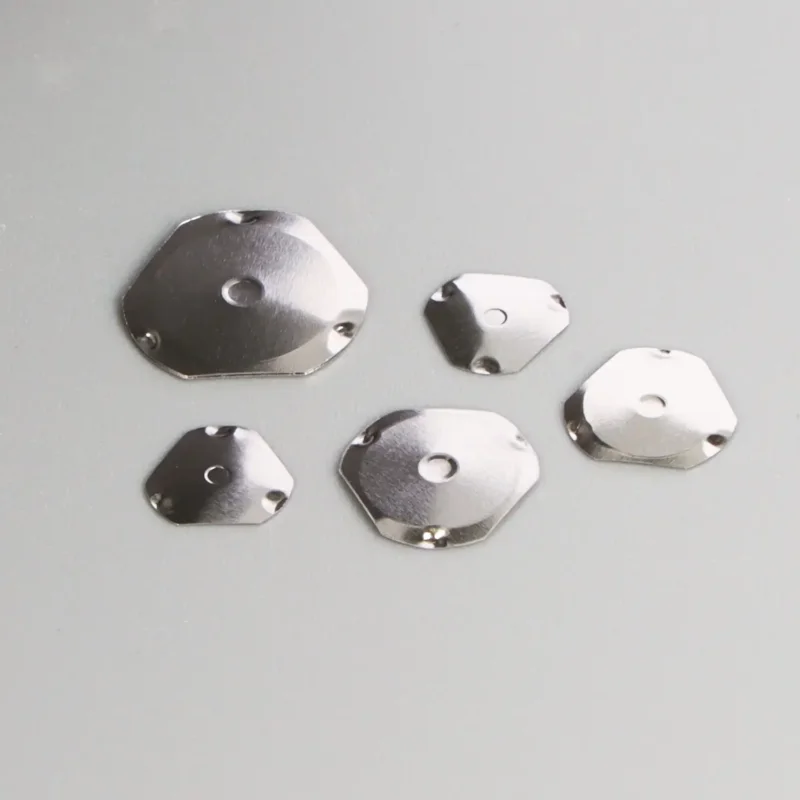
Прежде чем перейти к вопросу о предпочтениях, необходимо понять основные принципы работы. Металлические купольные переключатели - это механизмы, в которых используется небольшой изогнутый кусок нержавеющей стали (иногда фосфористой бронзы), расположенный под каждой клавишей. При нажатии на клавишу купол опускается, контактирует с расположенной под ним схемой и регистрирует нажатие. Затем он поднимается обратно. Достаточно просто.
Тактильная“ часть происходит от этого щелчка. В отличие от кашеобразных резиновых куполов, которые просто сминаются и не дают обратной связи, хорошо спроектированный металлический купол обеспечивает четкую точку нажатия. Палец ощущает четкий момент срабатывания. Этот тактильный толчок - то, что отличает приятный опыт набора текста от разочаровывающего и неуверенного.
Разница между дешевыми и премиальными металлическими куполами
Однако не все металлические купольные переключатели созданы одинаковыми. Те, что находятся в пятидолларовом пульте от телевизора, производятся с совершенно другими допусками, чем те, что предназначены для высококлассных устройств ввода. В премиальных вариантах используется более толстая нержавеющая сталь, более жесткие требования к кривизне и часто используются позолоченные контактные площадки для уменьшения окисления со временем. В результате купол остается неизменным на протяжении миллионов нажатий.
Почему механические клавиатуры переходят на металлические купольные переключатели
Зачем же механической клавиатуре, которая традиционно ассоциируется со сложными корпусами отдельных переключателей, использовать купольную технологию? На самом деле причин несколько. И они имеют большой смысл, если учесть все аспекты производства и производительности.
Более тонкий профиль без ущерба для ощущений
Одной из самых больших проблем в дизайне клавиатур сейчас является толщина. Клавиатуры в стиле chiclet для ноутбуков приучили целое поколение пользователей к тому, что устройства должны быть более тонкими. Но традиционные механические переключатели требуют значительного вертикального пространства для пружины и корпуса. Металлические купольные переключатели, с другой стороны, могут обеспечить тактильный отклик при гораздо меньшей толщине корпуса. Это позволяет производителям создавать низкопрофильные механические клавиатуры, которые при этом остаются отзывчивыми.
Согласованность действий по всему периметру
Вот несколько недооцененная деталь: традиционные механические переключатели могут немного отличаться от устройства к устройству. Натяжение пружины может быть отклонено на грамм или два, или смазка штока может быть неравномерной. Металлические купольные переключатели отличаются удивительной однородностью, поскольку купола штампуются из одного и того же листа металла с помощью одного и того же штампа. В итоге каждая клавиша ощущается практически одинаково. Для пользователей сенсорных клавиатур, которые в значительной степени полагаются на мышечную память, такое постоянство очень важно.
Вот краткое сравнение механизмов тактильной обратной связи:
| Характеристика |
Традиционный механический переключатель
|
Металлические купольные выключатели
|
|---|---|---|
|
Тактильная обратная связь
|
Обеспечивается внутренней створкой или шишкой
|
Обеспечивается разрушение купола и защелкивание
|
|
Высота профиля
|
Как правило, требуется более высокое жилье
|
Можно создать очень тонкую конструкцию
|
|
Последовательность производства
|
Возможны незначительные отклонения от единицы к единице
|
Высокая однородность благодаря процессу штамповки
|
|
Продолжительность жизни
|
50-100 миллионов нажатий клавиш (типично)
|
5-20 миллионов нажатий клавиш (зависит от дизайна)
|
|
Стоимость
|
Более высокая стоимость каждого коммутатора
|
Как правило, более низкая стоимость единицы продукции
|
Учет долговечности металлических купольных выключателей
Всегда возникает вопрос о сроке службы. Традиционные механические переключатели рекламируют безумные цифры - пятьдесят миллионов, восемьдесят миллионов нажатий. металлические купольные выключатели в потребительском исполнении Продукты обычно оцениваются ниже, где-то между пятью и двадцатью миллионами нажатий в зависимости от материалов и конструкции. Но вот в чем дело: для большинства пользователей даже пяти миллионов нажатий на клавишу более чем достаточно для многолетнего интенсивного ежедневного использования. Если только клавиатура не используется в промышленном киоске, который работает круглосуточно, разница в долговечности в значительной степени теоретическая.
При этом качество металла имеет огромное значение:
Дешевые купола из тонкой нержавеющей стали могут потерять свою надежность уже через год или два.
Купола премиум-класса из толстой стали или фосфористой бронзы сохраняют тактильные ощущения гораздо дольше.
Позолоченные контакты предотвращают коррозию, которая вызывает периодические сбои в работе ключей.
Производственная привлекательность металлических купольных переключателей
С точки зрения производства металлические купольные переключатели обладают рядом неоспоримых преимуществ, которые производители клавиатур не преминули оценить.
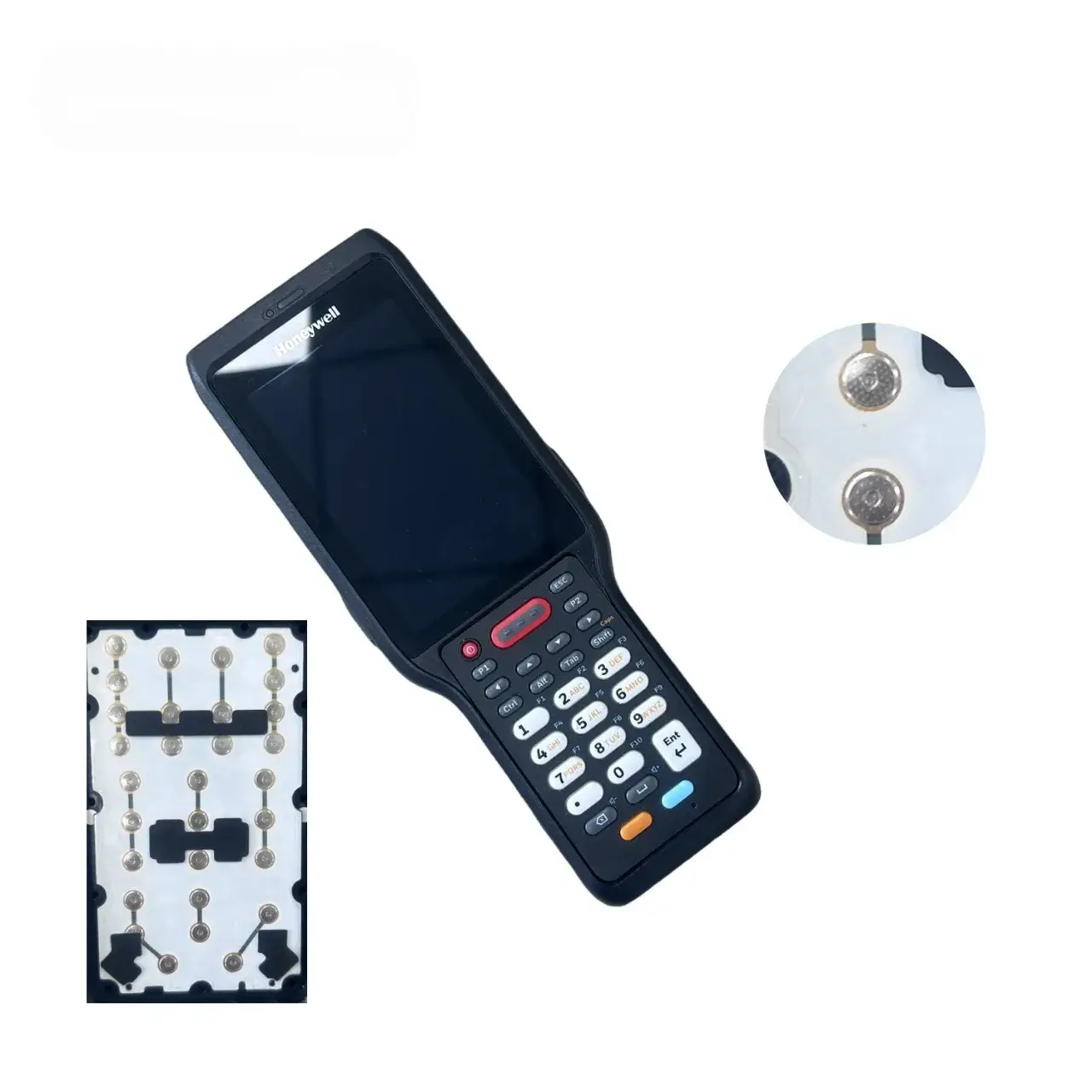
Более низкая сложность монтажа по сравнению с установкой сотен отдельных механических переключателей.
Более простая интеграция с печатными платами, поскольку купола располагаются непосредственно на печатной плате.
Снижение общего веса, что важно для портативных и беспроводных клавиатур.
Более простой процесс ремонта, поскольку заменить лист купола быстрее, чем выпаять неисправный переключатель.
Эти факторы объясняют, почему даже бренды, известные своими традиционными механическими продуктами, начали выпускать линейки с тактильной обратной связью на основе купола.
ЧАСТО ЗАДАВАЕМЫЕ ВОПРОСЫ
Являются ли металлические купольные переключатели такими же, как и резиновые купольные переключатели?
Нет, они совершенно разные. В переключателях с резиновым куполом используется разборная резиновая чашка, которая обеспечивает срабатывание, но часто ощущается как кашица с менее отчетливой обратной связью. В металлических купольных переключателях используется изогнутый металлический диск, который четко защелкивается, обеспечивая гораздо более четкие тактильные ощущения, близкие к традиционным механическим переключателям.
Можно ли заменить металлические купольные переключатели, если они износились?
Да, в большинстве конструкций. Металлические купольные переключатели обычно располагаются на листе, который находится на печатной плате. Если со временем тактильный отклик ухудшается, часто можно заменить весь лист купола, не заменяя всю клавиатуру, что на самом деле проще, чем замена впаянных механических переключателей.
Подходят ли металлические купольные переключатели для игровых клавиатур?
Могут, хотя это зависит от конкретной конструкции. Некоторые геймеры предпочитают очень быстрый сброс традиционных механических линеек. Однако тактильные переключатели с металлическим куполом и быстрым отщелкиванием могут отлично подойти для игр, особенно в тех играх, где точные, продуманные нажатия имеют большее значение, чем быстрое повторное срабатывание.