In der taktischen Kommunikation ist es eine ständige Herausforderung, Stimmen klar zu erfassen und gleichzeitig alles andere auszublenden. Im Laufe der Jahre sind viele Mikrofondesigns gekommen und gegangen. Aber eine Form taucht immer wieder in robusten, anspruchsvollen Geräten auf: das Kuppelanordnung. Die Idee ist nicht neu, aber ihre Anwendung in taktischen Geräten hat aus Gründen zugenommen, die offensichtlich werden, wenn man sie im Einsatz verwendet hat.
Die Hauptstärke von Dome Array für die Feldkommunikation
Wodurch unterscheidet sich ein Dome Array von einem herkömmlichen Kugelmikrofon? Die kurze Antwort ist die Geometrie. Anstelle eines einzelnen Aufnahmepunkts verwendet das Array mehrere Elemente, die in einem gebogenen oder kuppelartigen Muster angeordnet sind. Diese Form dient nicht nur dem Aussehen. Sie ermöglicht es dem Gerät, Schall aus einem größeren Bereich zu erfassen und gleichzeitig - und das ist der entscheidende Punkt - Geräusche außerhalb der Achse zu unterdrücken. In taktischen Umgebungen ist es nie ruhig. Wind, Fahrzeugmotoren, Funkstörungen, Menschen, die sich gegenseitig anschreien. Ein normales Mikrofon nimmt entweder alles auf (auch die schlechten Geräusche) oder erfordert, dass Sie direkt in das Mikrofon sprechen, was nicht immer möglich ist, wenn Sie sich bewegen oder eine Ausrüstung tragen.
Die Teams, die zu kuppelbasierten Systemen wechselten, berichteten von weniger “Was hat er gesagt?”-Momenten. Es ist eine gewisse natürliche Redundanz eingebaut: Wenn ein Element teilweise durch Schlamm, Regen oder einen Schultergurt blockiert wird, funktionieren die anderen weiter. Das ist nicht etwas, was die Hersteller immer anpreisen, aber nach ein paar Einsätzen wird es spürbar.

Warum traditionelle Mikrofone nicht ausreichen
Eine häufige Szene: ein vierköpfiges Team in einem Fahrzeug, das versucht, sich über externe Motorgeräusche hinweg zu koordinieren. Ein normales Ansteckmikrofon oder ein Kopfbügelmikrofon nimmt die nächstgelegene Stimme auf, macht aber alle anderen zu einem entfernten Gemurmel. Das Dome Array handhabt dies anders. Da es Schall aus mehreren Richtungen und Phasen abtastet, kann es den Standort des Sprechers hervorheben und gleichzeitig das Rumpeln des Dieselmotors des Lkw unterdrücken. Es ist nicht perfekt - nichts ist perfekt -, aber die Verbesserung ist beständig genug, um von Bedeutung zu sein.
Dome Array vs. konventionelle Mikrofonanordnungen: Ein praktischer Vergleich
| Merkmal | Kuppel-Array | Einzelne omnidirektionale Mikrofon | Nierenmikrofon (Richtcharakteristik) |
|---|---|---|---|
| Winkel der Stimmabnahme | ~120° (verzeiht außermittige Sprache) | 360° (nimmt alles auf) | ~60° (muss genau zielen) |
| Widerstand gegen Windgeräusche | Mäßig bis hoch (Form hilft) | Schlecht | Mäßig |
| Physikalische Robustheit | Gut (kein zerbrechlicher Boom) | Gut | Fair (Ausleger kann reißen) |
| Leistung bei teilweiser Blockierung | Noch funktionsfähig | Stark degradiert | Abgebaut |
| Typische Leistungsaufnahme | Geringfügig höher (mehrere Elemente) | Niedrig | Niedrig |
Wie das Dome Array mit rauen Umgebungsbedingungen zurechtkommt, ohne zusammenzubrechen
Es gibt auch eine physische Seite. Ein kuppelförmiges Gehäuse lässt Wasser und Schmutz leichter abperlen als ein flaches Gitter oder ein freiliegender Mikrofonanschluss. Jeder, der schon einmal versucht hat, Schlamm von einem versenkten Mikrofon abzuwischen, kennt die Frustration. Bei einem Dome Array bedeutet die gewölbte Oberfläche, dass sich weniger Schmutz ansammelt. Und da die internen Elemente in einem kompakten Muster angeordnet sind, kann die gesamte Baugruppe vergossen oder versiegelt werden, ohne dass die akustische Leistung beeinträchtigt wird. Das ist eine große Sache für Geräte, die Regen, Staub und einen gelegentlichen Sturz auf felsigen Boden überstehen sollen.
Bei der Bewertung eines Dome Array für ein taktisches Funkgerät oder Headset sind einige Dinge zu beachten:
Die Platzierung ist wichtig - selbst ein gutes Array funktioniert schlecht, wenn es hinter dem Nacken des Benutzers angebracht ist.
Nicht alle Dome-Arrays sind gleich - die Elementabstände und die Signalverarbeitung sind sehr unterschiedlich
Funktioniert am besten mit modernen DSPs (digitale Signalverarbeitung), die Beamforming können
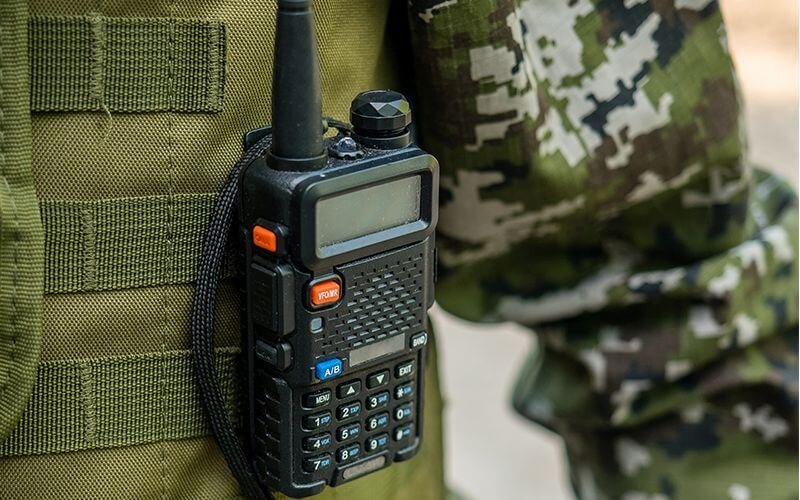
Aus der Erfahrung heraus - wenn man beobachtet, wie die Operatoren ihre Ausrüstung im Einsatz verwenden - sprechen die Leute nur selten direkt in das Mikrofon, selbst bei speziell angefertigten Kuppelanordnung im Militär Kommunikationssysteme. Sie drehen den Kopf, schauen auf eine Karte oder atmen unter körperlicher Anstrengung schwer. Ein Kuppelarray toleriert das. Es ist wie bei einem Gespräch in einer lauten Bar: Man muss nicht schreien, sondern der andere muss nur auf eine bestimmte Weise zuhören.
Beobachtungen aus der Praxis zur Audioklarheit in Stressszenarien
Um auf den Punkt der Redundanz zurückzukommen: Einer der weniger offensichtlichen Vorteile ist, dass das Array so eingestellt werden kann, dass bestimmte Frequenzbereiche bevorzugt werden. Die menschliche Stimme, insbesondere die männliche Stimme in taktischen Teams, liegt im unteren Mitteltonbereich. Motorengeräusche und Wind liegen eher im unteren Bereich oder sind breitbandiger. Eine gute Dome-Array-Implementierung kann das Rumpeln ausblenden und gleichzeitig die Konsonanten erhalten. Aus diesem Grund kann eine Übertragung etwas “dünn” klingen, aber jedes Wort ist verständlich. Vergleichen Sie das mit einem konventionellen Mikrofon, bei dem die Stimme zwar satt ist, aber unter Rauschen begraben wird - die Klarheit gewinnt jedes Mal.
Es sei darauf hingewiesen, dass es keine Lösung gibt, die für jedes Szenario geeignet ist. In sehr ruhigen Umgebungen kann ein einfaches Kugelmikrofon ausreichend sein. Für den stationären Einsatz mit einem Headset eignet sich ein Bügelmikrofon. Aber für allgemeine taktische Kommunikationsgeräte - am Körper getragene Funkgeräte, am Helm befestigte Einheiten, Fahrzeugsprechanlagen - erweist sich das Dome Array immer wieder als die pragmatische Wahl.
FAQ
Kann ein Dome Array in bestehende taktische Kommunikationsgeräte nachgerüstet werden?
In den meisten Fällen ja, aber es erfordert mehr als nur den Austausch des Mikrofons. Das Array benötigt mehrere Eingangskanäle und einen Prozessor, um sie zu kombinieren. Einige neuere Geräte haben modulare Audiokarten, die dies ermöglichen. Ältere, rein analoge Geräte können dies in der Regel nicht ohne eine umfassende Umgestaltung bewerkstelligen.
Eliminiert das Dome Array Windgeräusche vollständig?
Nein. Es reduziert zwar die Windgeräusche im Vergleich zu einem ungeschützten Kugelmikrofon, aber starke Böen verursachen immer noch Probleme. Aus diesem Grund kombinieren viele taktische Geräte ein Dome Array mit einem Schaumstoff- oder Stoffwindschutz. Das Array macht den Windschutz effektiver, nicht überflüssig.
Wie hoch ist die typische Lebensdauer eines Dome Array unter Feldbedingungen?
Bei ordnungsgemäßer Abdichtung halten die akustischen Elemente selbst jahrelang - oft länger als die Batterie oder das Gehäuse des Geräts. Die Schwachstellen sind in der Regel die Anschlüsse und die Verkabelung, nicht das Array. Erfahrungsberichte deuten auf fünf bis sieben Jahre regelmäßigen Gebrauchs hin, bevor die Empfindlichkeit merklich nachlässt.