
Picking a dome array manufacturer feels like it should be simple. Search online, compare prices, place an order. But anyone who has actually gone through the process knows it’s messier than that. Price lists don’t tell the whole story. Websites all claim premium quality. And the real differences between suppliers only become apparent after samples arrive — or worse, after production units start failing in the field.
The stakes aren’t trivial either. A dome array sits at the heart of every button press. When it works, nobody notices. When it doesn’t, the entire product feels cheap or broken. The manufacturer behind that component shapes the end-user experience whether the product designer realizes it or not.
So the selection process deserves more than a quick Google search and a lowest-bid decision.
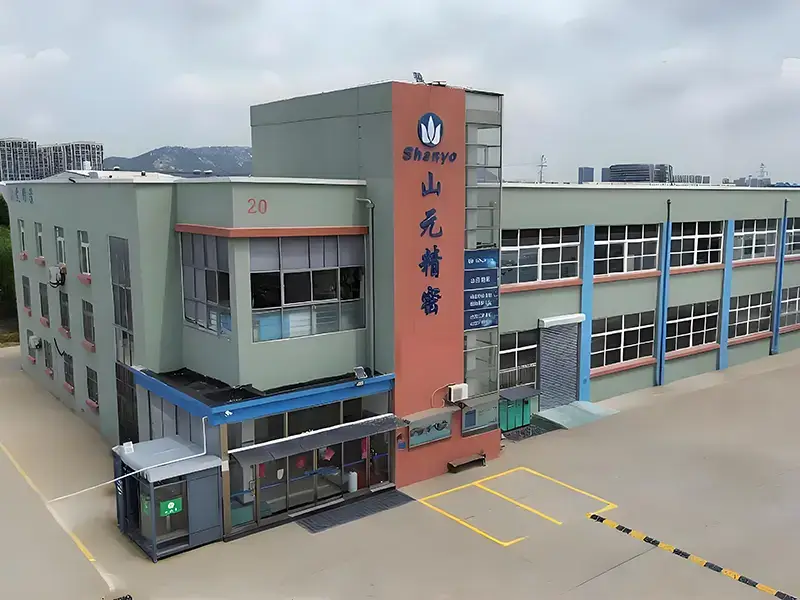
Key Criteria for Evaluating a Dome Array Manufacturer
Manufacturing Capability
Not every dome array manufacturer handles every type of project. Some specialize in high-volume consumer electronics runs. Others focus on low-volume, high-precision work for medical or aerospace applications. The distinction matters.
Questions worth asking early:
- What dome diameter range can they produce?
- Do they form domes in-house or purchase from third parties?
- Can they handle mixed layouts with different dome shapes on one carrier?
- What carrier materials and adhesive options do they stock?
A manufacturer that forms their own domes controls quality at the most fundamental level. Assemblers who buy loose domes and place them onto carrier sheets provide a different — not necessarily worse, but different — value proposition. Understanding which model a given dome array manufacturer follows helps set expectations.
Quality Systems and Certifications
| Certification | Relevance | Typical Industries |
| ISO 9001 | General quality management | All industries |
| IATF 16949 | Automotive quality standard | Automotive electronics |
| ISO 13485 | Medical device quality | Medical equipment |
| ISO 14001 | Environmental management | Environmentally regulated sectors |
| UL Recognition | Safety compliance | Consumer electronics |
An automotive OEM probably won’t consider a dome array manufacturer lacking IATF 16949. A startup building a consumer gadget might not care about automotive certification but should still look for ISO 9001 as a baseline indicator of process maturity.
Sample and Prototyping Support
How a manufacturer handles prototyping reveals a lot about how they’ll handle production. Responsive sample turnaround — getting initial pieces in hand within a week or two — suggests operational flexibility and customer focus.
Good prototyping support looks like:
- Willingness to produce small sample quantities without excessive charges
- Engineering feedback on design feasibility before committing to tooling
- Iterative revision capability without starting from scratch each time
- Honest communication about limitations or potential issues
Manufacturers who push back constructively on design choices — suggesting a different dome size for better tactile feel, or recommending adhesive changes for the intended environment — are more valuable than those who silently build exactly what’s drawn regardless of potential problems.
Comparing Dome Array Manufacturer Pricing and Value
Understanding Cost Drivers
Price per unit tells an incomplete story without understanding what drives it. Major cost factors include:
- Dome material and plating specification
- Carrier film material
- Number of dome positions per array
- Positional tolerance requirements
- Order volume
- Tooling requirements for custom dome sizes
Two quotes for the same design can differ by 40% or more. The cheaper option might use thinner gold plating, wider tolerances, or lower-grade adhesive. These differences won’t show on an invoice line item but will show up in product performance or field failure rates.
Total Cost Perspective
The purchase price of a dome sheet or array represents a fraction of its true cost. Factor in:
Incoming inspection time and rejection rates for each dome sheet lot
Assembly yield impact from the dome sheet’s dimensional consistency
Warranty claims from field failures linked to dome performance
Engineering time spent managing supplier quality issues
Inventory carrying cost if long or unreliable dome sheet lead times force larger safety stock
A slightly more expensive dome sheet manufacturer with consistently high quality and reliable delivery often costs less overall than a budget supplier creating hidden downstream expenses. That math doesn’t always show up in procurement spreadsheets, unfortunately, which is why engineering involvement in supplier selection matters.

valuating a Dome Array Manufacturer's Technical Support
Engineering Resources
Does the manufacturer employ engineers who understand dome array applications? Or is the sales team purely commercial? Technical depth at the supplier level accelerates development and prevents avoidable mistakes.
Signs of strong engineering support include:
- Published design guidelines and application notes
- Willingness to review customer PCB layouts for compatibility
- Force-displacement data provided with samples
- Ability to discuss material tradeoffs knowledgeably
Communication and Responsiveness
This one is harder to evaluate from a website. But it might matter most. Slow email responses during quoting almost certainly mean slow responses during production emergencies. Time zone differences, language barriers, dedicated account management — all affect day-to-day working relationships.
Some engineers prefer working with domestic suppliers for communication ease despite higher pricing. Others develop effective relationships with overseas manufacturers and accept the communication overhead for cost advantages. Neither approach is universally right. It depends on the organization’s tolerance for managing international supplier relationships and the project’s sensitivity to lead time variability.
Red Flags When Selecting a Dome Array Manufacturer
Warning Signs to Watch For
Certain patterns suggest problems ahead:
- No willingness to provide samples before committing to production orders
- Vague answers about material sourcing or specifications
- Missing or outdated certifications
- References only from industries unrelated to yours
- Unusually short quoted lead times that seem unrealistic
- No inspection data or quality reports offered
None of these are automatically disqualifying — context matters — but multiple red flags appearing together warrant caution. Walking away from a problematic supplier relationship early saves enormous headaches compared to discovering quality issues mid-production.
FAQ
Should the dome array manufacturer also supply the full membrane switch assembly?
It depends on project complexity. Some dome array manufacturers offer integrated membrane switch assembly, combining dome arrays with graphic overlays, circuit layers, and connectors into complete switch panels. This simplifies supply chain management and ensures component compatibility. However, specialized dome array manufacturers may produce better domes than vertically integrated membrane switch companies that treat dome arrays as one component among many.
How important is geographic proximity to the dome array manufacturer?
Geographic proximity affects lead time, shipping cost, communication convenience, and ability to conduct site visits or audits. For high-volume production with stable designs, overseas manufacturing — particularly in Asia — offers significant cost advantages that offset distance challenges. During active development phases, having a nearby dome array manufacturer accelerates iteration cycles considerably.
What if the chosen dome array manufacturer cannot meet a specific requirement?
Open conversation usually resolves this. A capable manufacturer might suggest alternative approaches that meet the intent of a requirement differently than originally specified. For instance, achieving a target actuation force through a different dome diameter and thickness combination than initially planned. If a manufacturer simply cannot meet a critical specification — say they lack automotive certification and the project requires it — then they’re not the right fit regardless of other strengths.