
Understanding Membrane Switch Lifespan
When it comes to user interface components, the question of durability matters quite a bit. A membrane switch, depending on its design and usage conditions, can last anywhere from 1 million to over 10 million actuations. That’s a pretty wide range, honestly, and the actual number depends on several factors that aren’t always obvious at first glance.
These thin, flexible circuits have become standard in everything from medical devices to industrial control panels. Their popularity stems partly from the fact that they’re lightweight, cost-effective, and surprisingly resilient when manufactured properly.
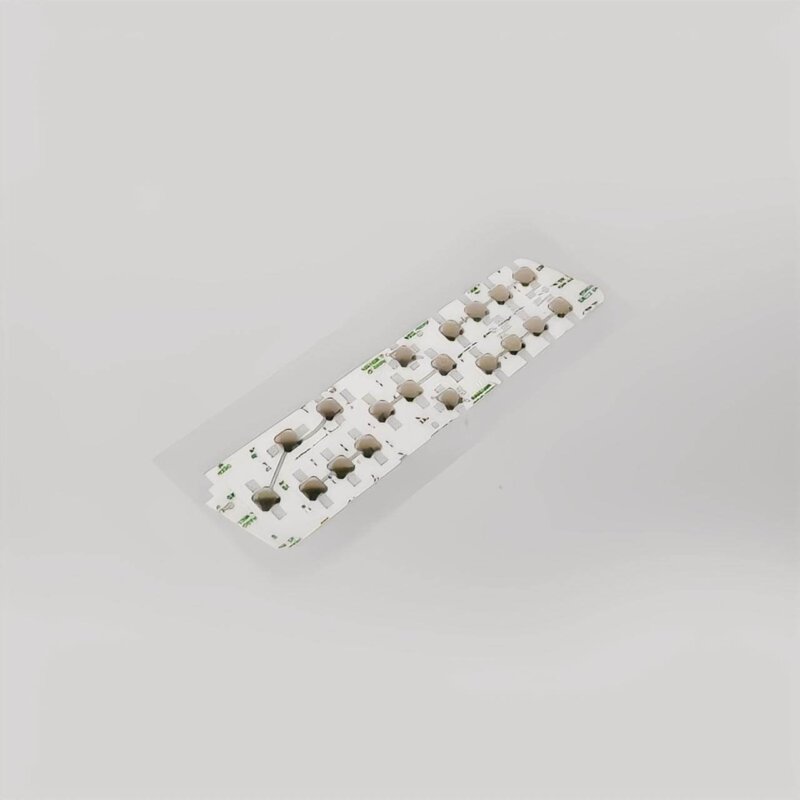
Factors That Affect How Long a Membrane Switch Performs
Material Quality and Construction
The materials used in manufacturing play a huge role in determining overall durability. Polyester films, for instance, tend to offer better longevity than some cheaper alternatives. Most quality membrane switches use polyester (PET) as the base material because it strikes a good balance between flexibility and toughness. Polycarbonate shows up in some applications too, though it scratches more easily and doesn’t hold up quite as well under repeated use.
The adhesive layers deserve attention that they don’t always get. Pressure-sensitive adhesives bond the various layers together, and when these fail, the whole assembly can delaminate or develop air pockets. Quality adhesives maintain their bond strength across temperature fluctuations and resist moisture penetration over years of service.
Conductive inks represent another critical component that affects how long a membrane switch remains functional. Some switches use silver-based inks while others rely on carbon-based options. Each has trade-offs in terms of conductivity and wear resistance. Silver inks provide excellent electrical conductivity and respond quickly, making them suitable for applications requiring precise input detection. However, silver can oxidize over time when exposed to certain environmental conditions, which gradually increases circuit resistance.
Operating Environment
Environmental conditions can shorten or extend service life considerably. Here’s what tends to matter most:
- Extreme temperatures (both hot and cold)
- Humidity levels and moisture exposure
- Dust, debris, and chemical contact
- UV light exposure over extended periods
A switch used in a climate-controlled office will probably outlast one installed on outdoor equipment, which seems obvious but gets overlooked sometimes.
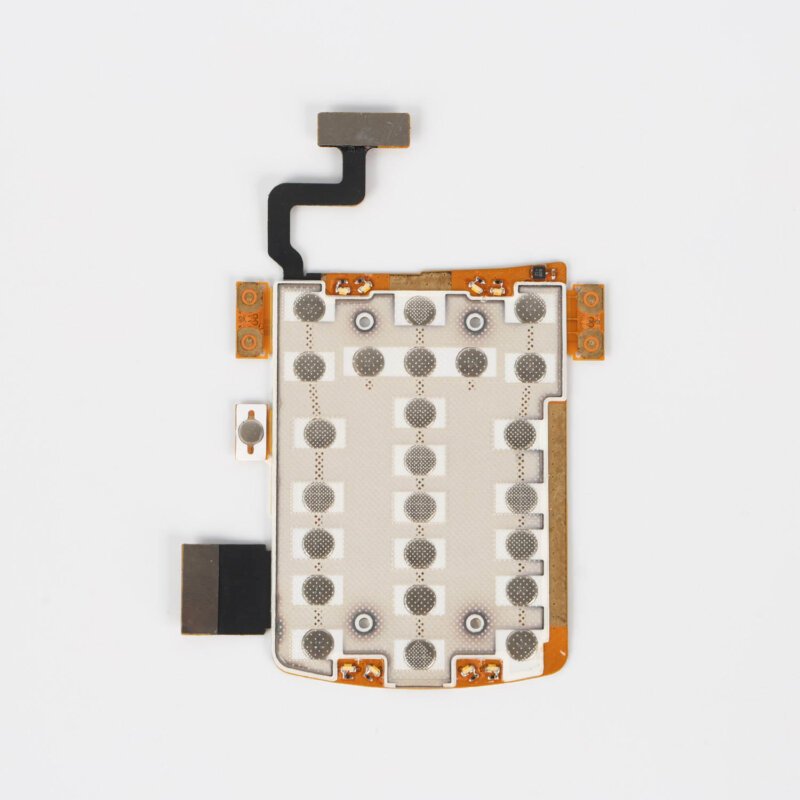
Usage Patterns and Frequency
How often someone presses a button matters, naturally. But the force applied during each actuation also plays a role that people don’t always consider.
Typical Lifespan Expectations by Application
| Application Type | Expected Actuations | Approximate Years |
|---|---|---|
| Unterhaltungselektronik | 1-3 million | 3-5 years |
| Medical Devices | 5-10 million | 7-10 years |
| Industrial Controls | 3-5 million | 5-8 years |
| Automotive Interfaces | 2-4 million | 5-7 years |
Signs That a Membrane Switch Needs Replacement
Knowing when replacement becomes necessary helps avoid unexpected failures and potential downtime in critical applications. A membrane switch rarely fails without warning, which is actually somewhat reassuring for maintenance planning purposes. Common indicators that suggest end-of-life is approaching include:
- Delayed or inconsistent tactile response when pressing keys
- Keys requiring excessive force to register inputs
- Visible wear on the graphic overlay surface
- Intermittent electrical contact issues
- Double actuation or ghost inputs occurring randomly
Some users report that membrane switches feel “mushy” before failing completely. That tactile feedback degradation often serves as an early warning sign worth paying attention to. When the snap ratio diminishes, it typically indicates the dome or circuit layers have experienced fatigue from repeated cycling.
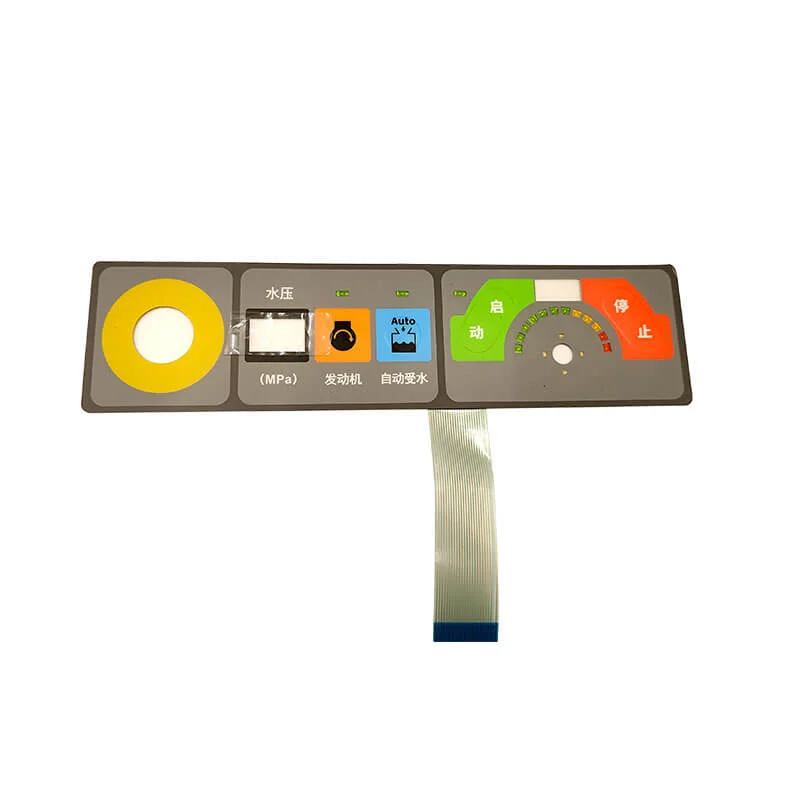
Tips for Extending Service Life
Proper care and installation practices can maximize how long these interfaces remain functional:
- Clean surfaces regularly with appropriate solutions
- Avoid using sharp objects near the switch area
- Ensure proper sealing during installation
- Follow manufacturer guidelines for operating conditions
Frequency depends somewhat on the operating environment. A membrane switch in a food processing facility needs more frequent attention than one in a clean office setting, obviously. High-traffic installations might benefit from daily wipe-downs while low-use applications could go weeks between cleanings.
Some cleaning agents cause problems that aren’t immediately apparent. Acetone, for example, can cloud certain overlay materials or weaken adhesive bonds. Abrasive cleaners scratch protective coatings and accelerate wear. When uncertain about chemical compatibility, testing on an inconspicuous area first prevents regrettable damage. If you want to know more about membrane switch, please read Was ist ein Membranschalter?.
FAQ
Can a worn membrane switch be repaired?
Generally speaking, repair isn’t practical or cost-effective. Replacement tends to be the recommended approach once performance degrades noticeably, since the layered construction makes component-level fixes difficult.
Do membrane switches fail suddenly or gradually?
Most experience gradual degradation rather than sudden failure. Users typically notice responsiveness issues before complete failure occurs, giving some warning that replacement will be needed.
Are metal dome switches more durable than standard membrane types?
Metal dome variants often provide longer life and better tactile feedback. They commonly achieve 5 million or more actuations, though this comes with slightly higher costs.