
There is something almost magical about walking up to a car and having the doors unlock without ever pulling a key out of a pocket. That little fob, tossed into a bag or pressed through the fabric of a coat, has become such a standard part of driving that its inner workings rarely get a second thought. But inside that slim plastic case, one small component carries a lot of responsibility. It turns out, the humble Metallkuppel—often overlooked—plays a major role in whether that button press works every single time, or whether it leaves someone standing in a parking lot pressing the same button repeatedly with growing frustration.
The push for compact, weather-resistant, and long-lasting designs in automotive electronics has pushed manufacturers to rely on components that offer both consistency and a certain physical satisfaction. The metal dome fits that description better than most alternatives. Understanding how it works provides some insight into why keyless entry systems have become as dependable as they are.
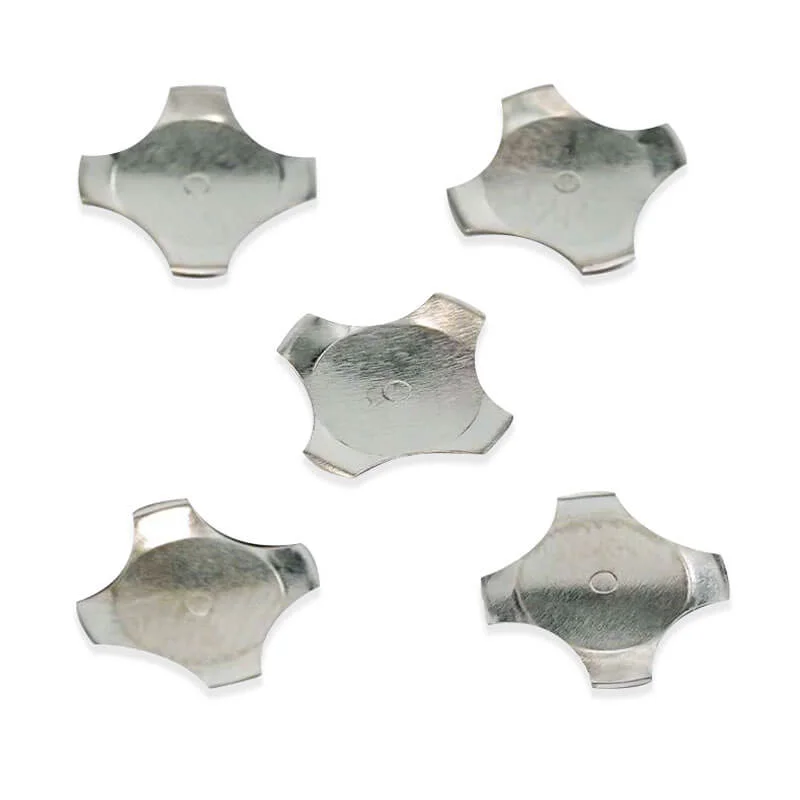
The Physical Mechanism Behind a Metal Dome in Key Fobs
A key fob is essentially a tiny computer with buttons. Under each rubber or plastic button sits a metal dome, which is a small, curved piece of metal—often stainless steel—that acts as both a spring and an electrical contact. When the button is pressed, the dome collapses. That snapping motion creates a distinct tactile response, which is that subtle but noticeable click felt under the thumb. It tells the user, without looking, that the press was registered.
That collapse also bridges two contacts on the circuit board below, completing a circuit and sending the signal to unlock the doors. When pressure is released, the dome springs back to its original convex shape, breaking the circuit and resetting the mechanism. This mechanical simplicity is what gives the design its reliability. There are no sliding parts to wear out and no complex assemblies that can get gummed up with dust or moisture.
Provides clear tactile feedback so the user knows the press was successful
Creates a consistent electrical connection each time it collapses
Returns to its original shape with minimal fatigue over hundreds of thousands of cycles
Durability and Environmental Resistance
Car key fobs live a hard life. They get dropped on pavement, left in cupholders where coffee spills happen, and endure freezing winters and scorching summers inside a parked car. A component that fails under those conditions is a non-starter. The metal dome handles this environment surprisingly well.
| Environmental Factor | Metal Dome Performance |
|---|---|
| Temperature extremes (-40°C to 85°C) | Maintains snap ratio and electrical contact |
| Humidity and moisture | Sealed design options prevent corrosion |
| Mechanical shock (drops, impacts) | Spring action absorbs force without permanent deformation |
| Chemical exposure (hand oils, cleaners) | Inert metal surface resists degradation |
How Design Choices Influence Reliability
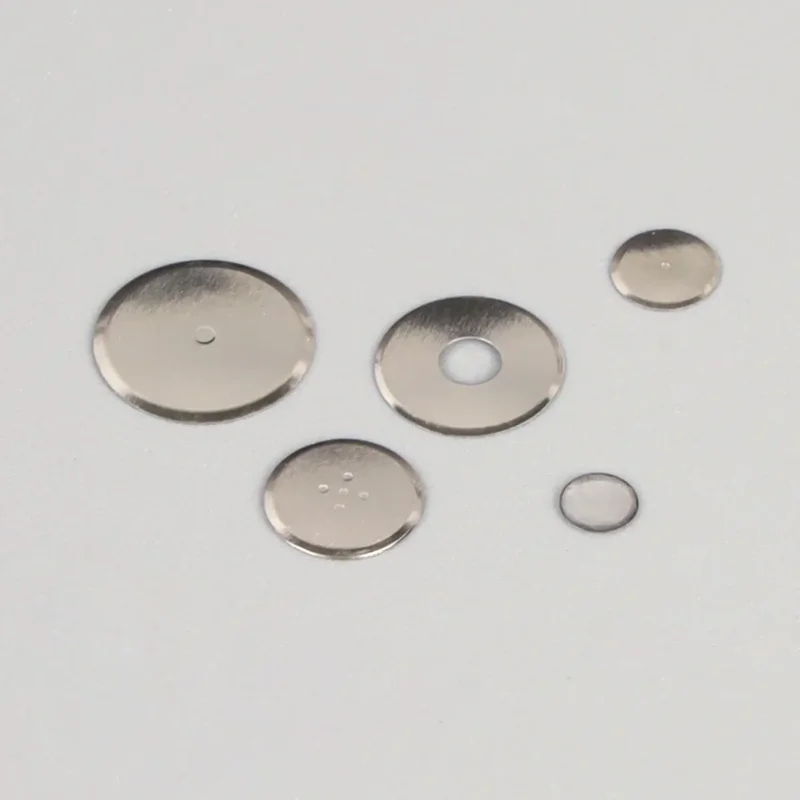
Integration with Circuit Design and User Experience
From a broader system perspective, the metal dome is just one piece, but its electrical characteristics influence the entire circuit design. The dome creates a low-resistance path when collapsed, which means the signal sent to the car’s receiver is clean and not prone to the noise or intermittent connections that can happen with other contact methods. This is especially important for modern keyless entry systems that use rolling codes or encrypted signals—if the button press is misinterpreted due to a poor connection, the fob and the car can get out of sync.
There is also something to be said for the user experience aspect. People develop muscle memory with their key fobs. They reach into a pocket and press the button without looking. A metal dome that provides consistent tactile and auditory feedback reinforces that confidence. When the click feels right, the assumption is that the car received the command. It reduces the impulse to press a second time “just in case,” which in turn reduces unnecessary battery drain.
Low contact resistance ensures clean signal transmission
High cycle life (often rated for over 1 million presses) supports the vehicle’s lifespan
Snap ratio remains consistent, preserving tactile feel over time
FAQ
Can a metal dome wear out in a car key fob?
Yes, but the wear is gradual. Most metal dome switches used in automotive applications are rated for hundreds of thousands to over a million cycles. Given that a typical user may press a key fob button a few times a day, the dome’s mechanical life far exceeds the practical lifespan of the fob itself. In most cases, the battery or the plastic button will fail long before the dome does.
Why do some key fob buttons feel mushy while others click?
The tactile feel depends largely on whether a metal dome is used and what type it is. Some manufacturers use conductive rubber pads instead of metal domes to reduce cost. Those tend to feel softer and lack the distinct click. Others may use a metal dome but pair it with a thick rubber keypad that dampens the snap. A crisp, audible click usually indicates a properly implemented metal dome with minimal dampening material.
Are metal domes affected by water damage?
Standard metal dome designs can be vulnerable if water seeps into the fob and sits on the contacts, but many automotive fobs incorporate a silicone keypad or a sealed membrane that prevents moisture from reaching the dome and the circuit board. Additionally, metal domes can be supplied with a polyester film cover that seals the dome to the PCB, making the entire switch assembly resistant to splashes, humidity, and even brief immersion in some cases.