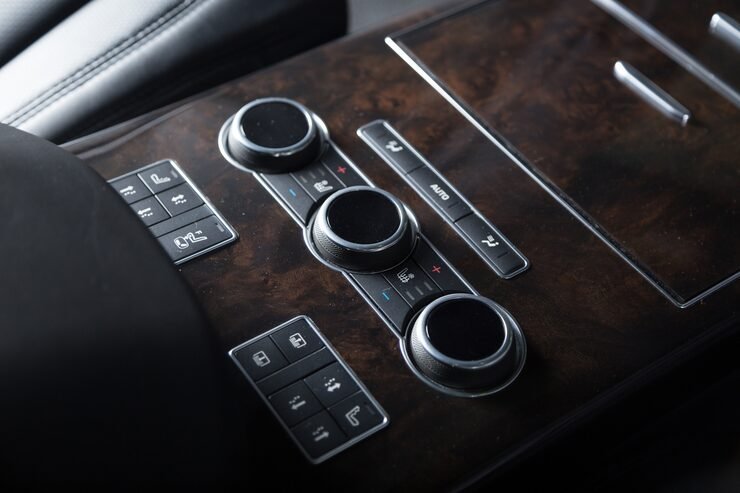
Drücken Sie eine Taste an einer Mikrowelle, einem medizinischen Gerät oder einem industriellen Bedienfeld. Die Wahrscheinlichkeit ist groß, dass ein Membranschalter diesen Befehl registriert hat. Diese Schnittstellenkomponenten sind in modernen Geräten allgegenwärtig – oft unbemerkt, weil sie so zuverlässig funktionieren.
A Membranschalter ist ein flacher elektrischer Schalter, der auf flexible Trägermaterialien aufgedruckt ist. Im Gegensatz zu mechanischen Schaltern mit beweglichen Teilen und einem erheblichen Betätigungsweg werden bei Membranschaltern leitfähige Schichten durch Druck miteinander in Kontakt gebracht. Das Ergebnis ist eine dünne, versiegelte Schnittstelle, die widerstandsfähig gegen Verschmutzungen ist und gleichzeitig über Millionen von Betätigungszyklen hinweg einen zuverlässigen Betrieb gewährleistet.
Die Technologie entstand bereits vor Jahrzehnten, entwickelt sich aber bis heute weiter. Heutige Membranschalter-Konstruktionen umfassen LEDs, kapazitive Touch-Funktionen, integrierte Elektronik und aufwendige grafische Auflagen, die früheren Ingenieuren noch unmöglich erschienen wären.
So funktioniert ein Membranschalter
Grundlegendes Funktionsprinzip
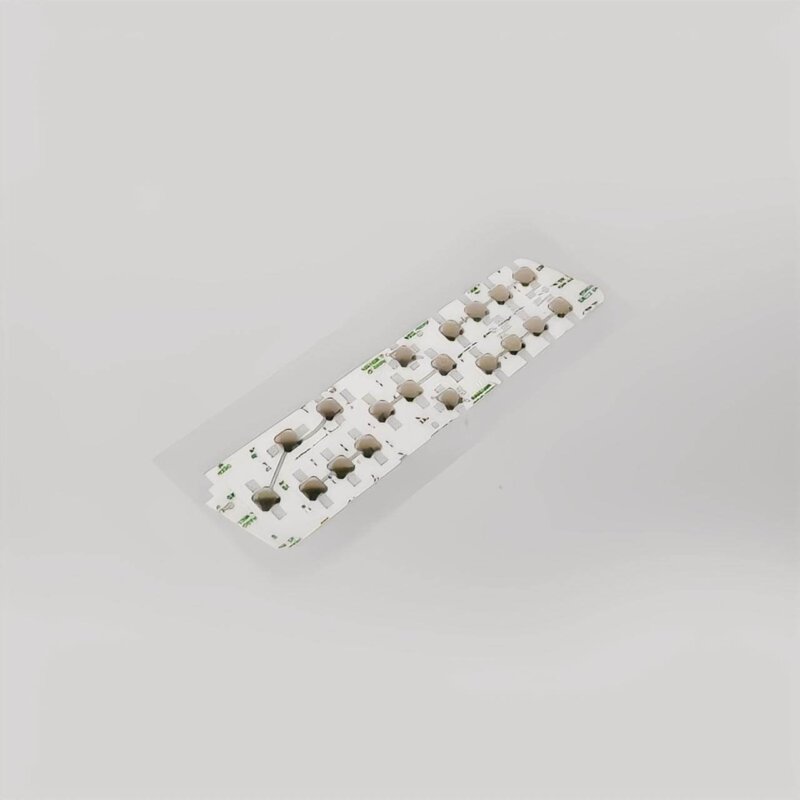
Die Funktionsweise eines Membranschalters ist überraschend einfach. Zwei flexible Schichten sind mit aufgedruckten Leiterbahnen versehen – in der Regel aus Silber- oder Kohletinte. Eine Abstandsschicht mit Löchern an den einzelnen Schaltstellen hält diese leitfähigen Schichten im Ruhezustand voneinander getrennt.
Wenn Druck auf eine Schaltstelle ausgeübt wird, biegt sich die obere Schicht durch die Öffnung im Abstandhalter nach unten, bis sie die untere Schicht berührt. Durch diesen Kontakt wird der Stromkreis geschlossen, wodurch die Betätigung des Schalters registriert wird. Wird der Druck nachgelassen, federt das flexible Material zurück und unterbricht den Stromkreis.
Kein mechanischer Schalter. Bei den Basisausführungen kein hörbares Klicken. Einfach biegen, Kontakt herstellen und zurückfedern.
Schichtaufbau
Eine komplette Membranschalterbaugruppe besteht in der Regel aus mehreren miteinander verbundenen Schichten:
- Grafische Oberfläche – die sichtbare Fläche mit aufgedruckten Beschriftungen und Farben
- Klebstoff für die Überlagerung – verbindet die Grafikschicht mit den Schaltungsschichten
- Oberste Leiterplatte – flexibles Substrat mit aufgedruckten Leiterbahnen
- Abstandsschicht – sorgt für den Abstand und verfügt über Öffnungen an den Schalterpositionen
- Unterste Schaltungsschicht – Gegenstück des Leitermusters
- Klebefläche auf der Rückseite – dient zur Befestigung der fertigen Baugruppe am Gerätegehäuse
Jede Schicht trägt zur Gesamtfunktion bei. Die Deckschicht sorgt für Haltbarkeit und ein ansprechendes Erscheinungsbild. Die Leiterbahnen leiten elektrische Signale. Die Dicke der Abstandsschicht beeinflusst die erforderliche Betätigungskraft und das haptische Gefühl.
| Ebene | Typisches Material | Hauptfunktion |
|---|---|---|
| Grafik-Overlay | Polyester, Polycarbonat | Schutz und Optik |
| Leiterplattenlagen | PET-Folie | Leitende Leiterbahnen |
| Abstandshalter | Polyester, Klebstoff | Abstand halten |
| Dirigenten | Silbertinte, Kohle | Gesamter Strompfad |
| Klebstoffschichten | Druckempfindlich | Zusammenfügen |
Optionen für taktiles Feedback
Einfache Membranschalter bieten nur ein minimales taktiles Feedback – der Benutzer spürt lediglich eine leichte Nachgiebigkeit des Oberflächenmaterials. In vielen Anwendungsfällen ist eine deutlichere Rückmeldung erforderlich, dass die Betätigung stattgefunden hat.
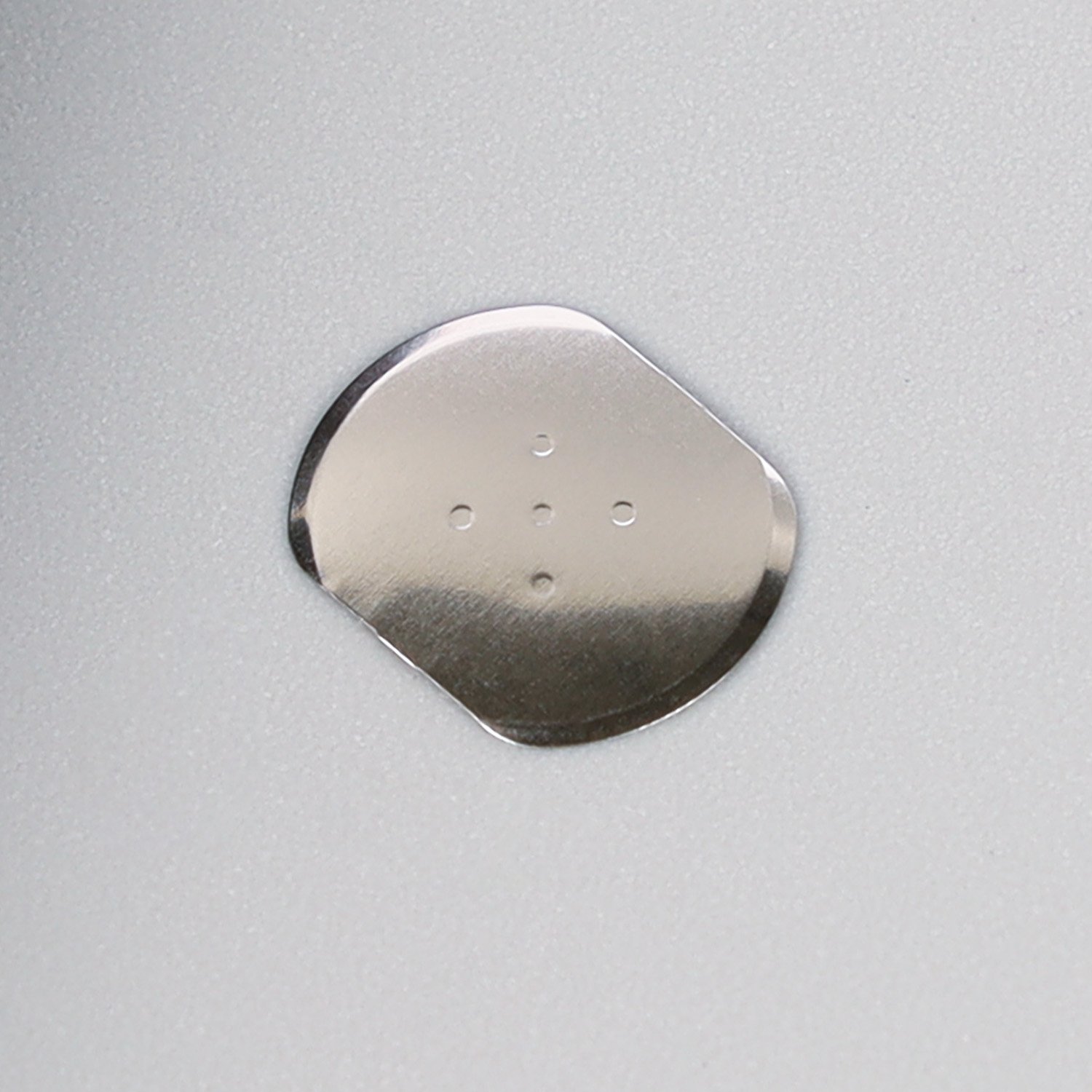
Metall- oder Polymerkappen, die über die Schalterplätze gesetzt werden, erfüllen diese Anforderung. Diese kleinen, kuppelförmigen Elemente geben bei Druck nach und sorgen so für ein deutliches taktiles Klicken. Die Kappe erfordert zudem eine bestimmte Kraft zur Betätigung, wodurch sich ein einheitliches Gefühl über alle Schalterpositionen hinweg ergibt.
Zu den Optionen für taktiles Feedback gehören:
- Metallkappen – knackiges Druckgefühl, längere Lebensdauer
- Poly-Kuppeln – weicheres Gefühl, geringere Kosten
- Geprägte Auflagen – erhabene Bereiche leiten die Fingerposition
- Nicht taktil – minimale Rückmeldung bei versiegelten Anwendungen
Anwendungsbereiche und Vorteile von Membranschaltern
Gängige Anwendungen in der Industrie
Membranschalter kommen in den unterschiedlichsten Branchen zum Einsatz. Dank ihrer Kombination aus Langlebigkeit, Anpassungsfähigkeit und Schutz vor Umwelteinflüssen eignet sich diese Technologie für Anwendungen, die mit mechanischen Schaltern nicht realisierbar sind.
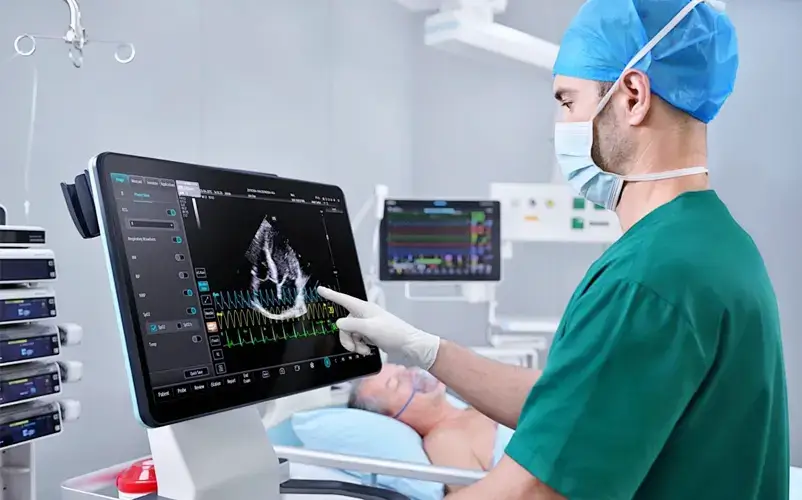
Folientastatur im medizinischen Bereich erfüllt wichtige Funktionen; die versiegelte Bauweise verhindert das Eindringen von Flüssigkeiten und ermöglicht eine gründliche Reinigung – was in klinischen Umgebungen unerlässlich ist. Die versiegelte Bauweise verhindert das Eindringen von Flüssigkeiten und ermöglicht eine gründliche Reinigung – was in klinischen Umgebungen unerlässlich ist. Geräte, von Patientenmonitoren bis hin zu Diagnosegeräten, verwenden Membranpanels.
Auch industrielle Schalttafeln profitieren von ähnlichen Dichtungseigenschaften. In Fabrikumgebungen, in denen Staub, Ölnebel und Chemikalien eine Rolle spielen, versagen herkömmliche Schalter schnell. Ein richtig konstruierter Membranschalter hält diesen Bedingungen über Jahre hinweg stand.
Weitere gängige Anwendungsbereiche sind:
- Bedienelemente für Haushaltsgeräte (Mikrowellen, Geschirrspüler, Waschmaschinen)
- Kassenterminals und Geldautomaten
- Fitness- und Trainingsgeräte
- Kontrollen für landwirtschaftliche Geräte
- Luft- und Raumfahrtmesstechnik
- Unterhaltungselektronik
Die wichtigsten Vorteile
Warum hat sich die Membranschaltertechnologie so weit verbreitet? Mehrere ihr eigene Vorteile erklären diese Beliebtheit.
Bei kompakten Konstruktionen kommt es auf ein schlankes Profil an. Komplette Baugruppen weisen oft eine Gesamtdicke von weniger als 2 mm auf – weitaus dünner als mechanische Alternativen. Dies ermöglicht eine Konstruktionsflexibilität, die sonst nicht realisierbar wäre.
Die Anpassungsmöglichkeiten erstrecken sich auf nahezu jeden Aspekt. Das grafische Erscheinungsbild, die Anordnung der Tasten, die Position der Anschlüsse, die Integration der Hintergrundbeleuchtung und die Haptik lassen sich ganz an die jeweiligen Anforderungen anpassen. Jeder Membranschalter kann individuell auf seine jeweilige Anwendung zugeschnitten werden.
Bei korrekter Konstruktion erreicht die Umgebungsabdichtung die Schutzklasse IP67 oder höher. Staub, Feuchtigkeit, Öle und Reinigungschemikalien können in ordnungsgemäß verbundene Baugruppen nicht eindringen. Diese Langlebigkeit eignet sich für raue Umgebungen.
Bei größeren Produktionsmengen ergeben sich Kostenvorteile. Druckverfahren lassen sich effizient skalieren. Der Membranschalter für das millionste Exemplar kostet pro Stück weit weniger als bei kleinen Stückzahlen – allerdings machen Werkzeugkosten und Rüstzeiten sehr kleine Stückzahlen teuer.
Gestaltungsaspekte
Nicht jede Anwendung eignet sich für die Membranschaltertechnologie. Das Wissen um die Grenzen hilft, Fehler bei der Spezifikation zu vermeiden.
Das haptische Feedback reicht nie ganz an das hochwertiger mechanischer Schalter heran. Nutzer, die an Tastaturen gewöhnt sind, empfinden Membrantastaturen möglicherweise als weniger zufriedenstellend, wobei dies je nach Bauart sehr unterschiedlich sein kann.
Extreme Temperaturen stellen für manche Materialien eine Herausforderung dar. Herkömmliche Polyester-Oberflächen zeigen von etwa -40 °C bis +80 °C eine gute Leistung. Außerhalb dieser Bereiche sind spezielle Materialien erforderlich, die mit höheren Kosten verbunden sind.
Die Angaben zur Lebensdauer gelten unter der Voraussetzung einer ordnungsgemäßen Konstruktion und Verwendung. Eine Überschreitung der Nennkraft, der Kontakt mit ungeeigneten Chemikalien oder der Betrieb außerhalb der Temperaturspezifikationen verkürzen die erwartete Lebensdauer.
FAQ
Wie lange hält ein Folientastatur?
Die Lebensdauer hängt stark von den konstruktiven Besonderheiten und den Betriebsbedingungen ab. Einfache Membranschalter ohne taktile Kuppeln sind in der Regel für eine Million Betätigungen oder mehr pro Schaltposition ausgelegt. Konstruktionen mit Metallkuppeln erreichen üblicherweise fünf Millionen Zyklen, manchmal sogar mehr. Diese Angaben gelten jedoch nur bei normaler Betätigungskraft und normalen Umgebungsbedingungen. Eine Überschreitung der zulässigen Betätigungskraft beschleunigt den Verschleiß.
Können Membranschalter mit einer Hintergrundbeleuchtung ausgestattet sein?
Hintergrundbeleuchtung lässt sich auf verschiedene Weise in Membranschalter-Konstruktionen integrieren. Bei der faseroptischen Hintergrundbeleuchtung wird das Licht von am Rand angebrachten LEDs über Lichtleiterfolien geleitet, die die Beleuchtung über das gesamte Bedienfeld verteilen – ein effektives Verfahren für eine gleichmäßige Hintergrundbeleuchtung. Bei der individuellen LED-Hintergrundbeleuchtung werden LEDs direkt an bestimmten Stellen platziert, typischerweise hinter Beschriftungsbereichen oder Statusanzeigen. Dieser Ansatz eignet sich für selektive Beleuchtungsanforderungen. Elektrolumineszenzlampen (EL-Lampen) bieten eine dünne, gleichmäßige Hintergrundbeleuchtung mit unverwechselbarem Erscheinungsbild, allerdings mit einer im Vergleich zu LED-Lösungen begrenzten Helligkeit.
Welche Informationen benötigen Hersteller, um ein Angebot für einen Membranschalter zu erstellen?
Für die Anforderung eines Angebots für Membranschalter müssen mehrere wichtige Angaben gemacht werden, um eine genaue Preisberechnung zu ermöglichen. Die Abmessungen und die Form bestimmen den Materialbedarf. Die Anzahl der Schaltpositionen und deren Anordnung beeinflussen die Komplexität der Schaltung. Die Anforderungen an das taktile Feedback bestimmen, ob und welche Art von Kuppeln verwendet werden. Die Spezifikationen der Anschlüsse müssen mit der Zielelektronik übereinstimmen. Das grafische Erscheinungsbild einschließlich Farben, Texturen und Oberflächen beeinflusst die Auswahl des Overlay-Materials und die Druckverfahren.